

Grey Landscape Painting
Grey landscape painting works tonal restraint into scenery, bringing muted atmospheric depth to a room through delicate washes or heavy pigments.
Grey Landscape Painting
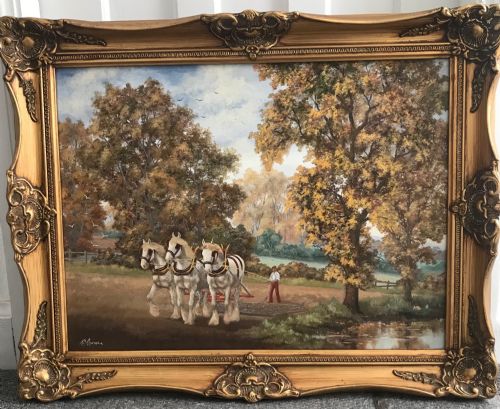
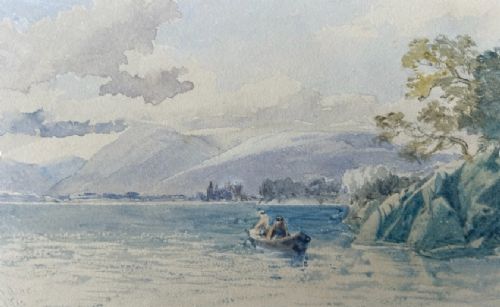
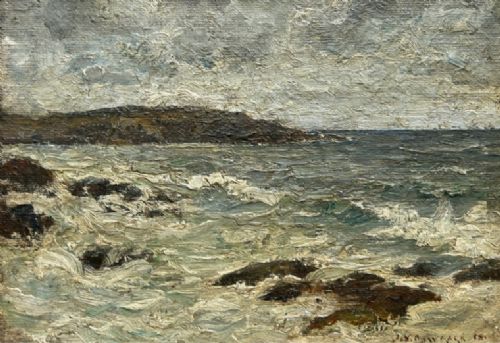
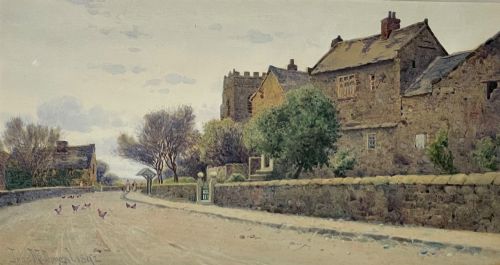
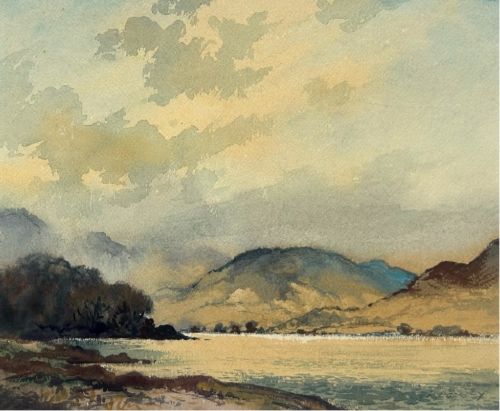
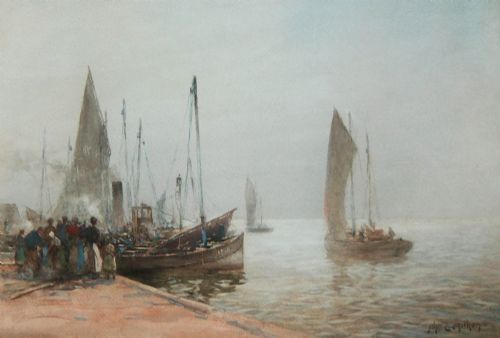
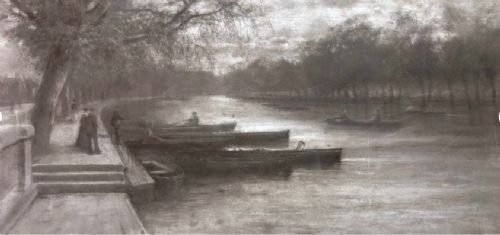
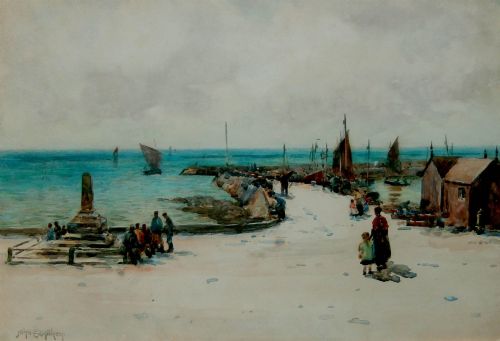
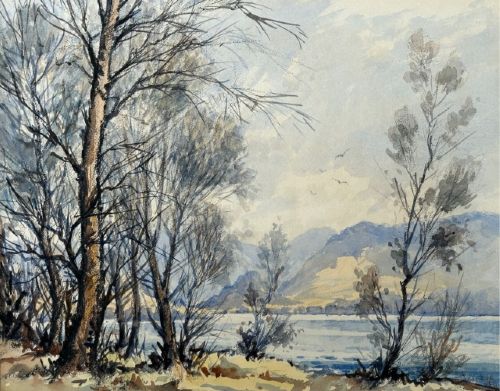
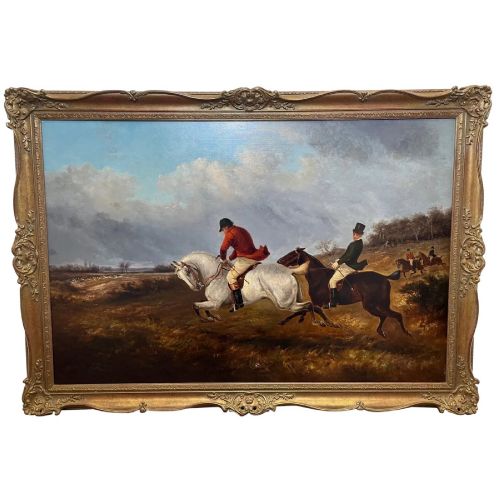
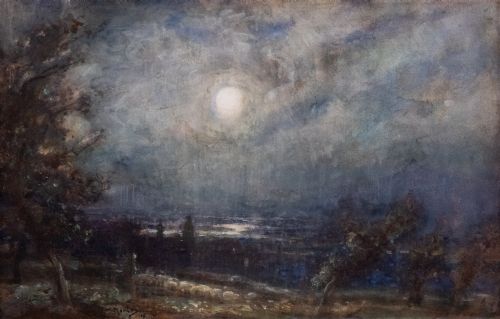
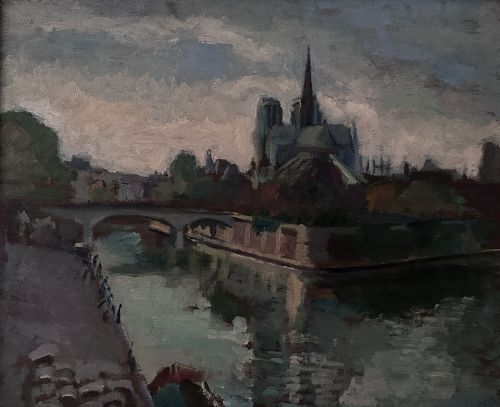
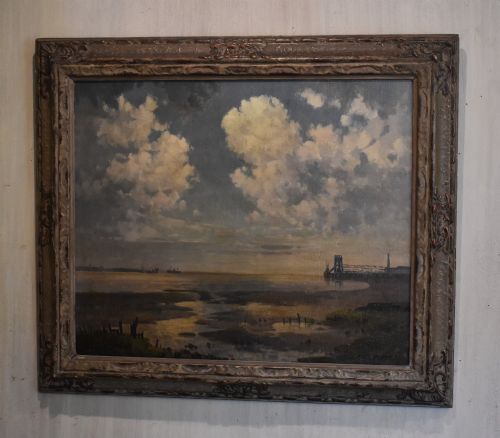
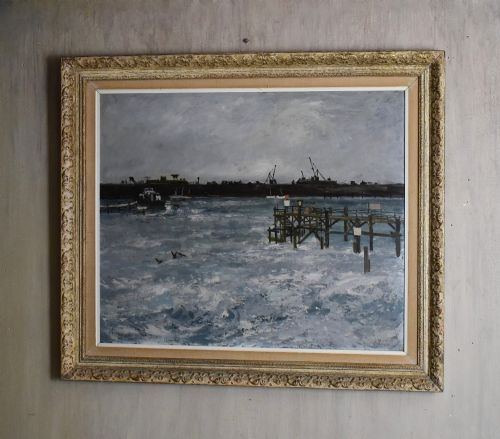
A grey landscape painting presents subdued atmospheric conditions, often capturing overcast skies, misty coasts, or industrial towns through a restrained palette. The pieces gathered under this phrase span from Victorian watercolours to mid-century oil paintings on board or canvas.
Buyers will encounter varied interpretations of the genre, including maritime scenes on the Tees, Scottish lochs, and northern townscapes. These works originate from British and European hands across the nineteenth and twentieth centuries.
The assortment relies heavily on mediums such as watercolour on paper and oil paint on canvas or panel. Each piece reflects the specific stylistic movements of its era, from Edwardian tonalism to early British impressionism.
Materials and methods
Artists utilise oil paint and watercolour as primary mediums, applying them directly onto prepared canvas, wood panels, or heavy paper. Oil offers depth and buildable texture, while watercolour allows for transparent atmospheric washes.
Support materials vary by period, with nineteenth-century works frequently employing paper or stretched canvas, and later mid-century pieces often utilising board or panel. Frame construction typically involves carved or moulded wood suited to the period of the painting.
At least one anonymous artist clearly struggled to decide between a landscape and a dog, resulting in a delightfully unusual double-sided canvas.
Factors of distinction
The distinction between standard works and finer examples rests upon brushwork control and compositional balance. Superior pieces handle tonal shifts with subtlety, creating genuine atmospheric weight rather than flat monochrome areas.
Handling of light within restricted palettes defines the upper tier of these works. Masterful application reveals depth in shadows and clouds, separating accomplished regional artists from routine decorative painting.
Thomas Miles Richardson Jnr·John McDougal·Robert Leslie Howey·Thomas William Morley·Peter Brannan
The Grey Landscape Painting Glossary
- Impasto
- Paint applied thickly to a canvas or board, leaving visible brush or palette knife marks that stand proud of the surface.
- Watercolour
- A painting method where fine pigment is suspended in a water-soluble binder, traditionally applied to paper supports.
- Oil on canvas
- A technique utilising pigments bound in drying oils applied to woven fabric stretched across a wooden frame.
- Tonalism
- An artistic style focusing on shadow and atmospheric mist, prominent in late nineteenth and early twentieth-century landscapes.
- Pentimento
- A visible trace of earlier painting underneath a later layer, showing where the artist changed their composition during creation.
Grey Landscape Painting: Frequently Asked Questions
How do I care for antique watercolours?
Keep watercolours away from direct sunlight to prevent the pigments and paper from fading over time. Glazing with conservation-grade glass helps protect the delicate washes from humidity and airborne dust.
What periods are common in these paintings?
The works mostly date from the Victorian era through the mid-twentieth century. Early twentieth-century and 1950s modernist pieces are particularly frequent.
How should I hang an oil painting?
Use sturdy picture hooks fixed securely into solid wall anchors rather than relying solely on plaster. Hang the painting at eye level away from direct heat sources like radiators.
Are these works signed by the artist?
Many pieces carry visible signatures, monograms, or attribution notes from the period. Some works remain unsigned or indistinctly marked, which is typical for school pieces.