


Modern British Watercolour
These modern british watercolour works on paper capture a century of shifting landscapes, figures and still lifes across the twentieth century.
Modern British Watercolour
A modern british watercolour brings together works on paper executed from the Edwardian period through to the mid-century decades. These paintings, drawings and sketches span landscapes, townscapes, portraits and domestic still lifes.
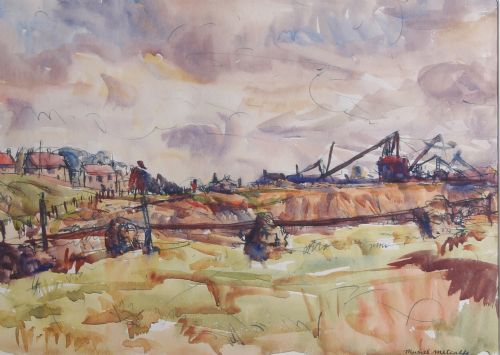
Buyers will encounter topographical views, pastoral scenes and experimental compositions framed behind glass. The selection ranges from early twentieth-century impressions to mid-century modernist explorations.
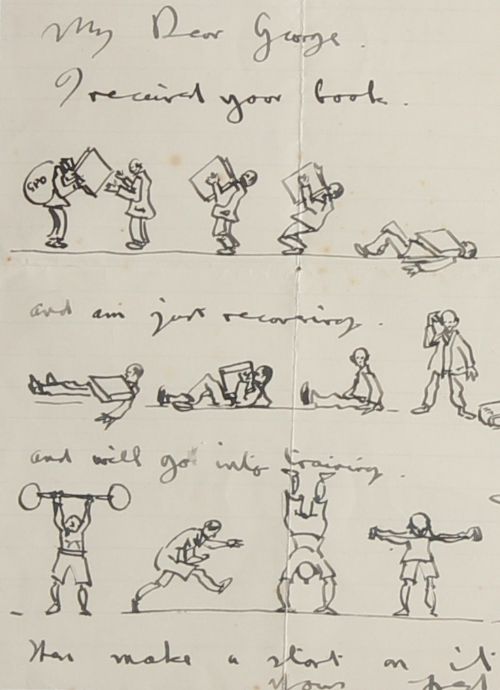
Creators utilised water-based pigment on paper, often supported by graphite, ink or gouache. These pieces reflect the evolving visual vocabulary of British art schools and independent painters.
Materials and technique
Artists applied watercolour pigment and ink directly onto paper sheets or drawing surfaces. Many examples incorporate graphite underdrawing or gouache highlights to build texture and form.
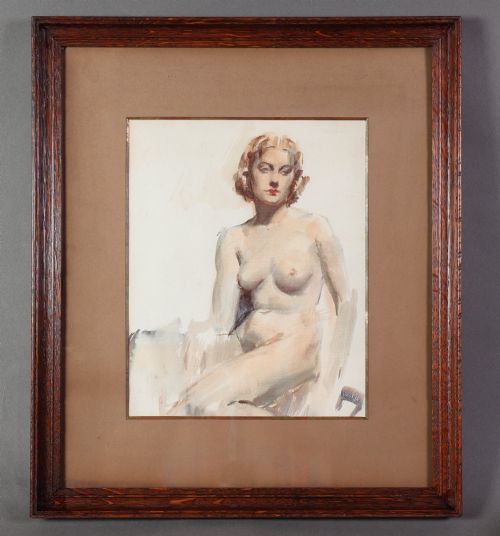
The physical support typically consists of paper secured within wooden frames beneath glass. This construction protects the water-soluble pigments from atmospheric moisture and handling damage.
Modern British Watercolour Retail Price Guide 2026
Typical asking prices for modern british watercolour among the pieces listed under this phrase on Sellingantiques today, from the lower quarter to the upper quarter. They describe what is for sale here now, not the wider market.
Artists frequently painted stormy northern skies and damp church towers, proving that British weather makes wonderful subject matter.
Assessing quality
Quality rests upon the confidence of the brushwork and the clarity of the composition. Stronger examples demonstrate a sure command of tone and line rather than hesitant corrections.
Condition plays a role, particularly regarding the preservation of paper supports and the vibrancy of pigments against environmental fading. Works that retain their original immediacy and paper integrity stand apart.
Fred Lawson·Muriel Metcalfe·Elisabeth Frink·James Tower·Henry Charles Fox·Edward Seago·Edward Carter Preston·William Russell Flint·Arthur Todd·William George Gillies·George Graham·Claude Muncaster·Sonia Lawson·James Kerr McArthur·Laura Knight·Henry J Neave·Edward Wesson
The Modern British Watercolour Glossary
- Watercolour
- A painting method in which the paints are made of pigments suspended in a water-based solution. The paper itself often serves to provide light and luminosity to the washes.
- Gouache
- An opaque water-based paint that includes a binding agent and white pigment to create solid colour. It is frequently layered over watercolour to add dense highlights.
- Topographical
- A genre of art depicting specific real-world locations and landmarks with descriptive accuracy. These works record towns, buildings and landscapes as they appeared at a given date.
- Graphite
- A form of crystalline carbon used as a drawing medium for initial sketches beneath watercolour. Traces often remain visible beneath the translucent washes.
- Mid-Century Modern
- A stylistic descriptor covering art and design developed roughly between the nineteen-forties and sixties. It favours simplified forms and direct engagement with materials.
Modern British Watercolour: Frequently Asked Questions
What is a modern british watercolour?
A modern british watercolour is a work on paper created by British artists during the first half of the twentieth century. These pieces encompass landscapes, portraits and still life compositions.
They reflect the transition from traditional pastoral recording towards modernist abstraction and geometric interpretation.
How should I frame a watercolour?
Watercolours require framing behind glass with acid-free mount board to separate the paper from the glazing. This prevents condensation from adhering the delicate pigment directly to the glass.
Keep framed works out of direct sunlight to prevent the watercolour pigments from fading over time.
How do I spot a wartime watercolour?
Wartime watercolours often date between nineteen thirty-nine and nineteen forty-five, recorded in signatures or archive notes. Artists frequently turned to portable water-based mediums due to material shortages during the period.
Subjects during these years frequently highlight domestic scenes, local landscapes or quiet rural retreats close to home.
What supports are used?
The primary support is paper, which may vary from smooth drawing stock to heavier textured sheets. Some examples incorporate ink, gouache or graphite alongside the watercolour pigment.
These sheets are typically housed in wooden frames to protect the fragile paper edges from wear.