

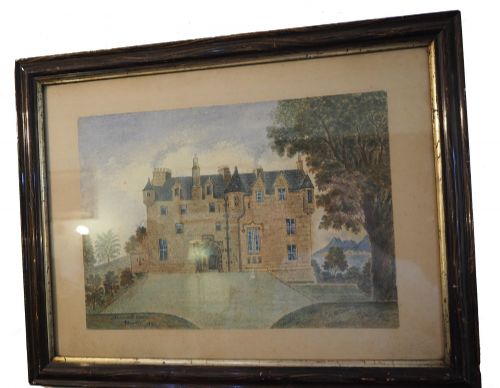
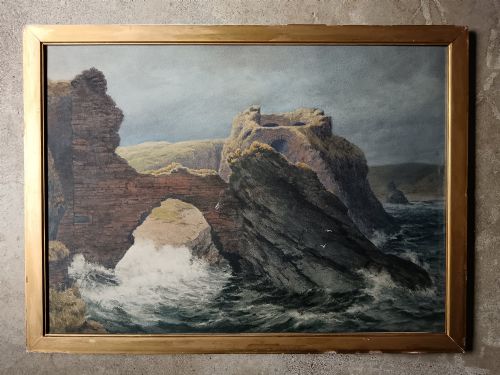


Brown Landscape Watercolour
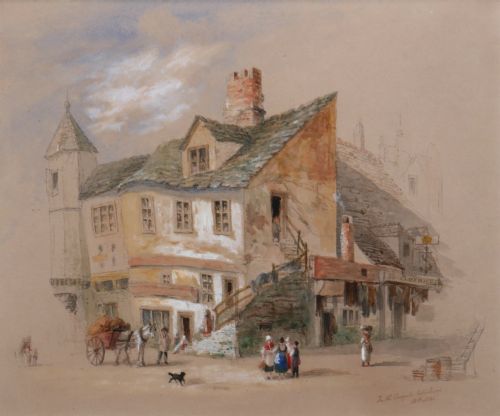
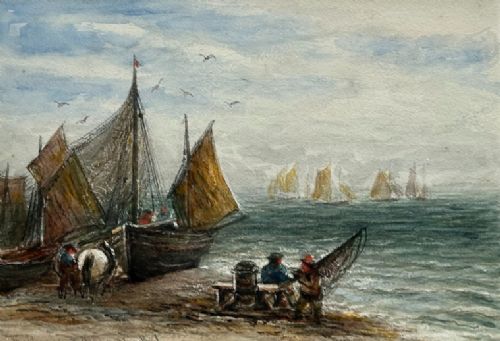
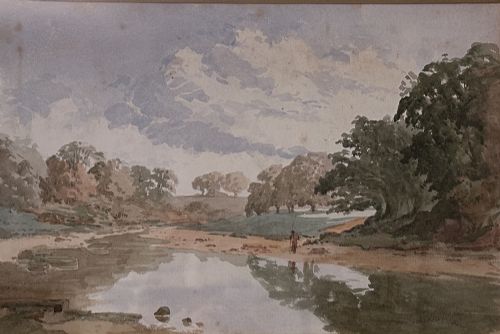
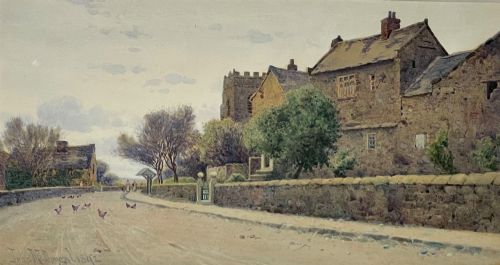
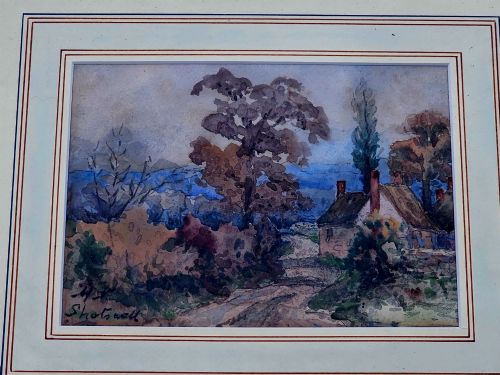
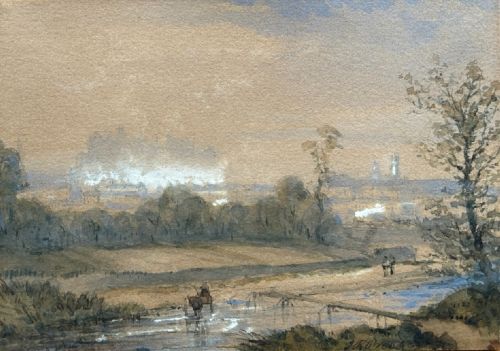
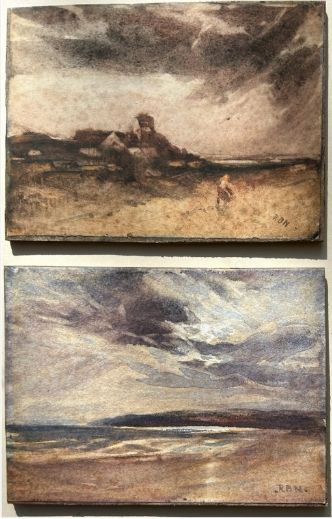
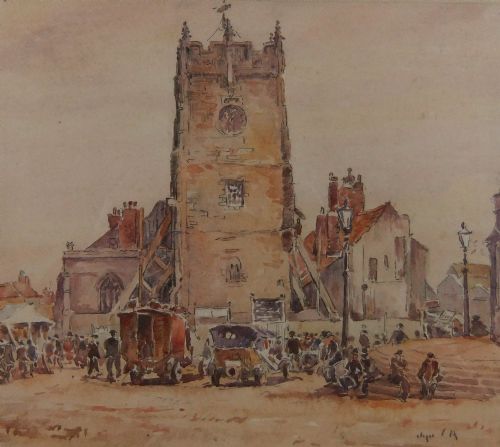
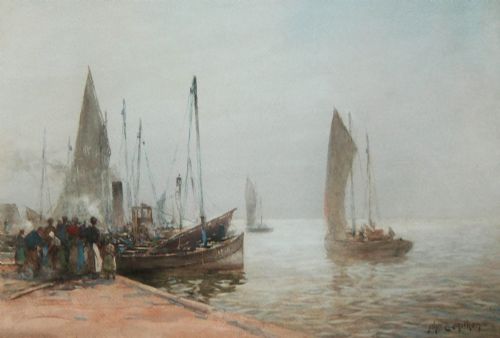
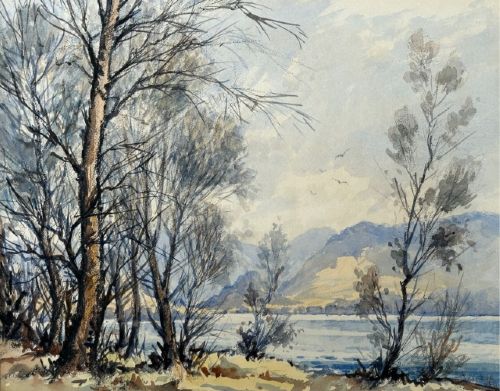
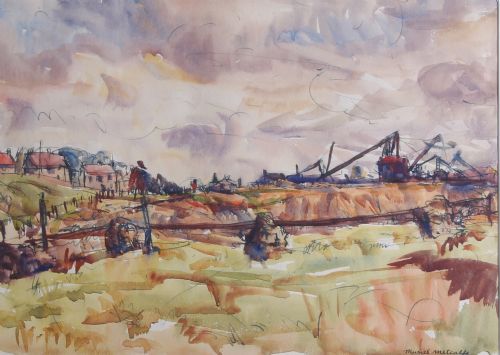
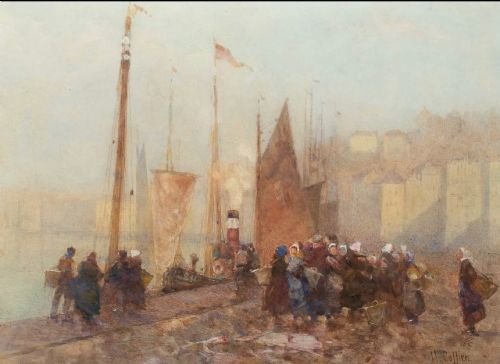
These works capture topographical and rural views using earthy monochromatic tones, spanning from Victorian pastoral scenes to mid-century British impressions.
Brown Landscape Watercolour
A brown landscape watercolour presents monochromatic or earth-toned painted views of British scenery, coastal harbours, and rural settlements. Buyers typically encounter nineteenth-century and early twentieth-century examples on this page, including framed works depicting Yorkshire, Scotland, and Wales.
The selections feature original paintings on paper, spanning Victorian, Edwardian, and mid-century British impressionist styles. These pieces range from intimate sketches of village cottages to expansive coastal vistas executed by named artists and regional painters.
Materials and Technique
Artists painted primarily with watercolour pigment suspended in water, applied directly onto paper supports to achieve translucent washes and fine linear details. Many surviving examples retain their period wood frames and protective glass coverings.
The handling relies on the absorbency of paper, where washes of sepia, umber, and ochre build tone and shadow without heavy body colour. Painters layered pigments to capture atmospheric effects in landscapes and architectural views.
Brown Landscape Watercolour Retail Price Guide 2026
Typical asking prices for brown landscape watercolour among the pieces listed under this phrase on Sellingantiques today, from the lower quarter to the upper quarter. They describe what is for sale here now, not the wider market.
Several artists braved rainy northern moorlands and bracing coastal winds just to capture sheep standing squarely in puddles.
Execution and Atmosphere
Quality rests upon the artist's economy of brushwork and the ability to suggest light and distance through restricted tonal ranges. Stronger compositions convey atmosphere and topography with assured control of wet-in-wet washes.
Weaker examples often rely on stiff architectural rendering or muddy washes that obscure the natural grain of the paper. The distinction lies in how effectively the limited palette creates depth and spatial clarity.
James Orrock·John R Prentice·John McDougal·James E Aitken·Robert Leslie Howey·Muriel Metcalfe·John Smith Atherton·Hector Caffieri·John Moxon·F.J. Snell·Alfred George Morgan·Henry Charles Fox·Robert Little·Fred Lawson·Sir Thomas Newenham Dean·George Graham·James William Booth·Thomas Bush Hardy·Ernest Pile Bucknall·Tom Clough·John Atkinson·Louie Stanley Maurice Prince·Helena Maguire·John Syer·George Weatherill
The Brown Landscape Watercolour Glossary
- Watercolour paint
- A medium consisting of finely ground pigments mixed with a water-soluble binder, traditionally gum arabic. It is applied in thin washes to allow the white of the paper to illuminate the composition.
- Wash
- A fluid layer of diluted pigment applied across the paper to create smooth background tones or skies. Controlled washes require a steady hand and precise timing.
- Framed artwork
- A piece enclosed within a protective moulding and glass to shield the paper from environmental moisture and handling damage. Period frames often contribute historical context to the painting.
- Monochrome
- A colour scheme based on a single hue, such as sepia or brown, utilising varied tones and saturations for depth. This approach emphasises form and light over local colour.
Brown Landscape Watercolour: Frequently Asked Questions
What is a brown landscape watercolour?
These are original works on paper executed predominantly in sepia, umber, and ochre tones, focusing on topographical views, rural scenery, and coastal harbours.
They offer collectors a glimpse into historical British landscapes through a restrained, atmospheric palette.
How should I frame these watercolours?
Watercolours require conservation mounting with acid-free materials to prevent chemical degradation of the paper over time. Glazing protects the delicate pigments from dust and ultraviolet light.
Keeping the paper separated from the glass by a mount ensures moisture does not cause adhesion.
Where were these watercolours displayed?
Nineteenth and early twentieth-century watercolours were typically framed for domestic display in parlours and studies. They also appeared in regional exhibitions and annual academy shows across Britain.
Their portable nature made them popular souvenirs for travellers undertaking regional sketching tours.