


Twentieth Century Painting
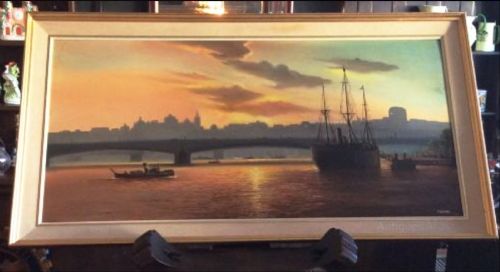
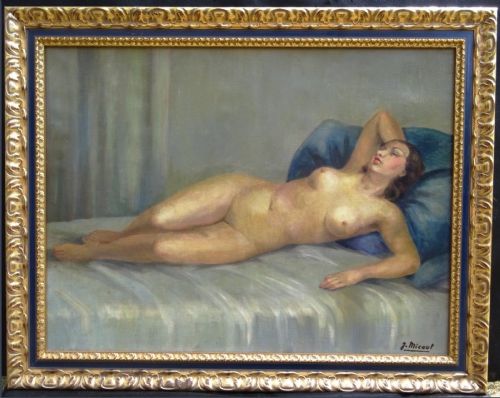
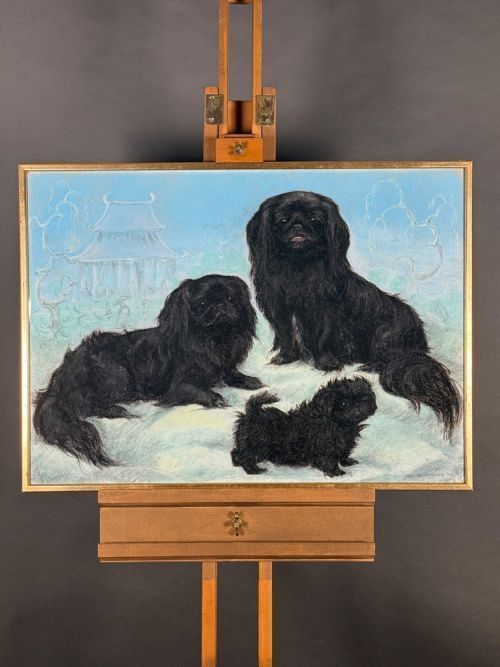
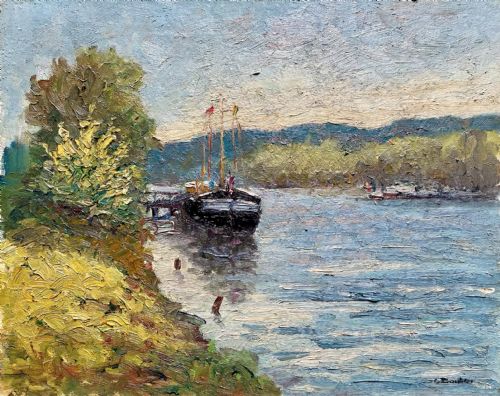
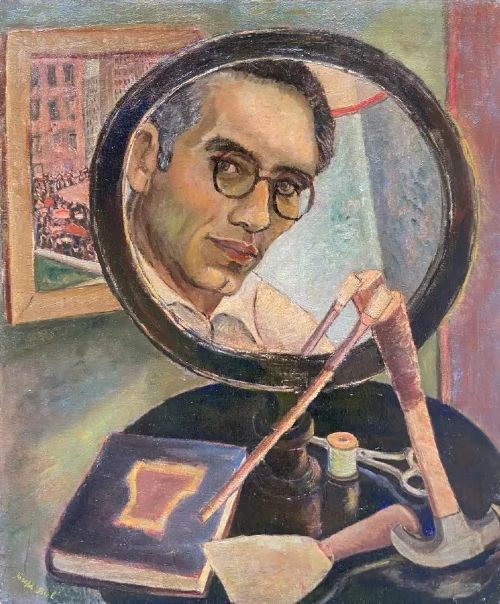
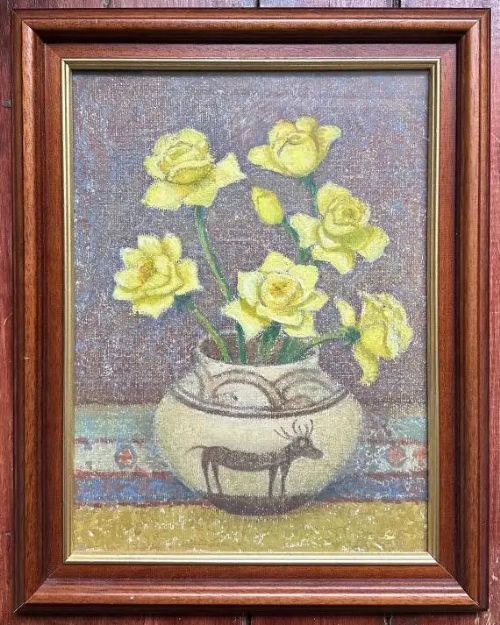
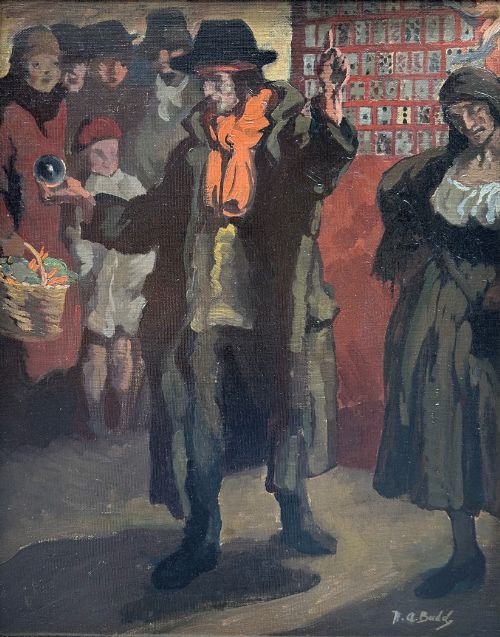
Twentieth century painting spans varied mediums from oil on canvas to delicate watercolours, offering collectors dynamic scenes of landscapes, portraits, and maritime views.
Twentieth Century Painting
A twentieth century painting encompasses works created across several decades, capturing shifts in artistic expression from Edwardian traditions through to mid-century modernism.
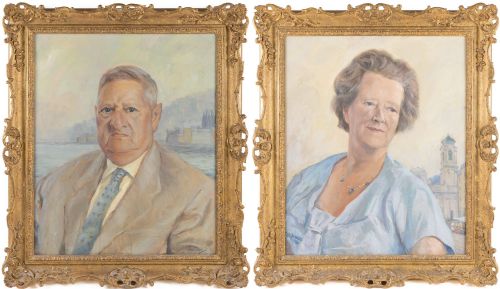
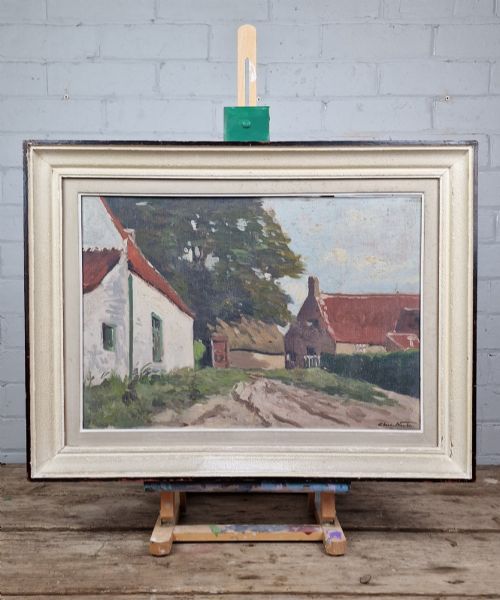
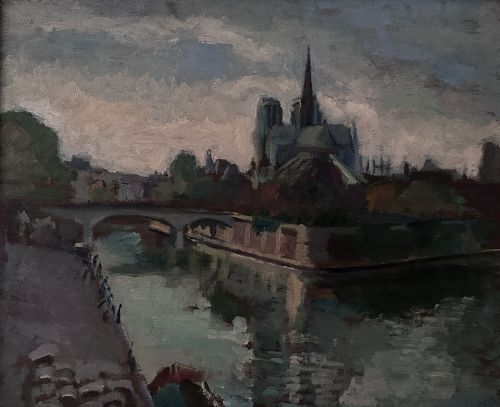
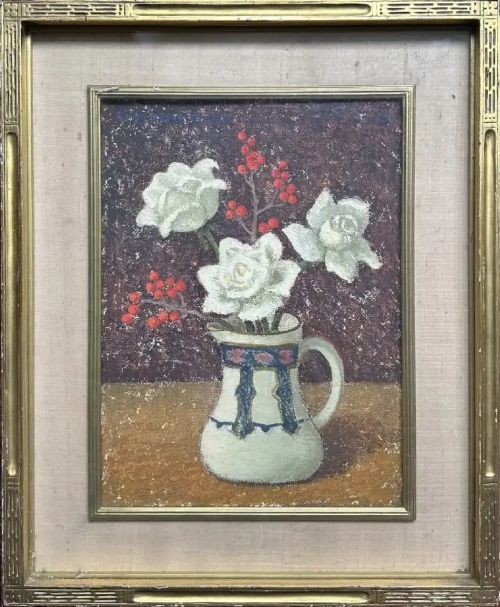
Buyers encounter diverse subjects ranging from tranquil river landscapes and urban street scenes to intimate portraits and detailed still life studies.
The materials span traditional oil on canvas and wood panels alongside works executed in watercolour, pastel, and oil on board.
Materials and technique
Artists relied primarily on oil paint applied to canvas, wood panels, or paper, building texture and depth with layered brushwork.
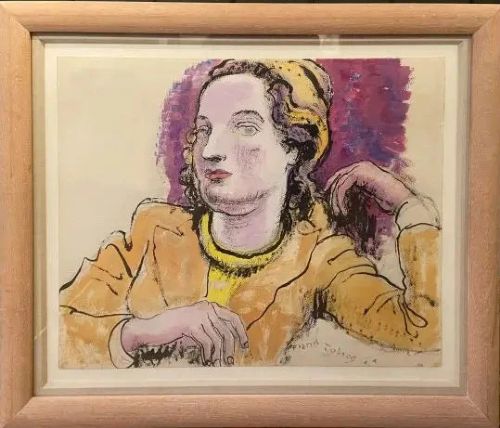
Watercolour and pastel works on paper showcase fluid washes and delicate line work, often framed under glass to preserve the fragile pigments.
Support structures include wooden stretcher frames and swept gilt surrounds that complement the aesthetic of the period.
Twentieth Century Painting Retail Price Guide 2026
Typical asking prices for twentieth century painting among the pieces listed under this phrase on Sellingantiques today, from the lower quarter to the upper quarter. They describe what is for sale here now, not the wider market.
Current listings feature oil on canvas, watercolour, and wood panel works spanning from the Edwardian era through the nineteen sixties.
Assessing quality
Quality rests in the assured handling of medium and composition, where confident brushwork creates a coherent and engaging visual space.
The condition of the original surface, pigment stability, and the integrity of supporting frames significantly influence the standing of a piece.
Clifford Hanney·Charles Houben·Frank Dobson·Joseph Biel·Emma Fordyce MacRae·Herbert Ashwin Budd·Alfred Wolmark·Eric Brown·Henri Ottmann·Peter Newcombe·John Hodgson Lobley·Herbert Royle·Franz Bergman·Paul Elie Gernez·Franz Xaver Bergman·Michael Healy·Vincenzo D Esposito·Antoine Calbet·Sir David Murray·Gabriel Dauchot·Septimus Scott·Fred Lawson·Robert Leslie Howey·Philippa Maynard Romer·Friedrich von Kaulbach
The Twentieth Century Painting Glossary
- Oil on canvas
- Pigments bound in a drying oil applied to a stretched woven fabric support. This traditional combination allows for rich colour blending and textured application.
- Post-Impressionism
- An artistic movement extending beyond Impressionism that focuses on symbolic content, formal order, and expressive use of paint. Artists emphasised vivid hues and distinct brush strokes.
- Watercolour
- A paint consisting of water-soluble pigments applied to paper. It yields translucent washes that capture light effectively.
- Oil on board
- Pigments bound in oil applied to a rigid wooden or composite board rather than flexible canvas. This provides a firm, stable surface for direct painting techniques.
Twentieth Century Painting: Frequently Asked Questions
What defines twentieth century painting?
Twentieth century painting encompasses artworks produced from the nineteen hundreds onwards, reflecting evolving artistic movements and techniques across decades of social and cultural change.
These pieces capture distinct periods such as the Edwardian era, the interwar years, and the mid-century modern period through varied stylistic lenses.
How should I display these paintings?
Display twentieth century painting away from direct sunlight and excessive humidity to protect sensitive pigments and canvas supports.
Ensure sturdy wall fixings support the combined weight of the artwork and its original or period-appropriate frame.
What mediums were commonly used?
Artists of this era frequently worked in oil paint on canvas, wood panels, or board to achieve rich textures and lasting durability.
Paper mediums such as watercolour and pastel also appear regularly, offering lighter compositions often preserved behind glass.
How do I identify different periods?
Periods within the twentieth century are identified through stylistic cues, framing conventions, and documented artist working dates.
Signatures, exhibition labels, and canvas stamps on the reverse often provide helpful clues for dating an artwork accurately.