

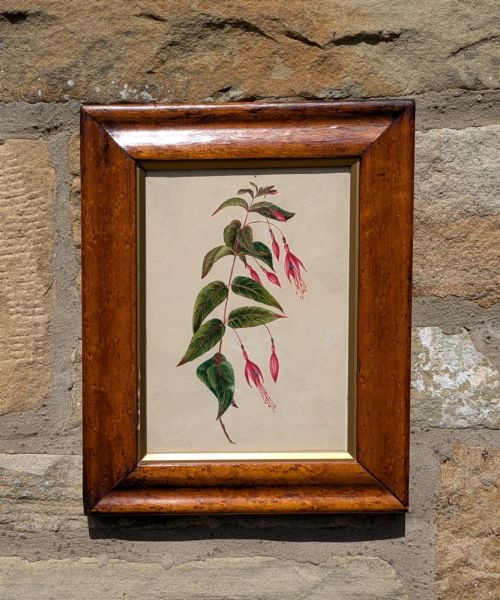
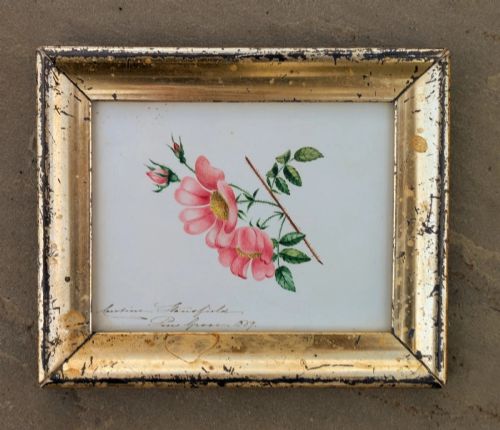
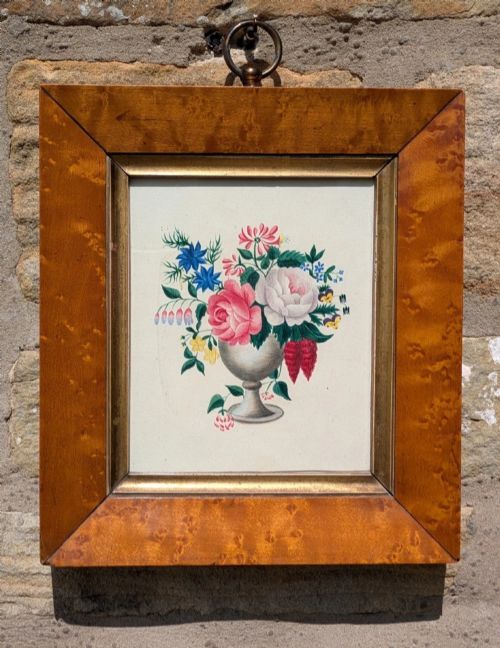
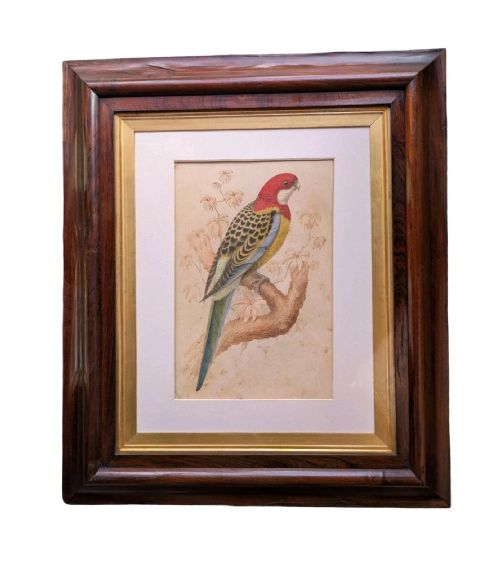
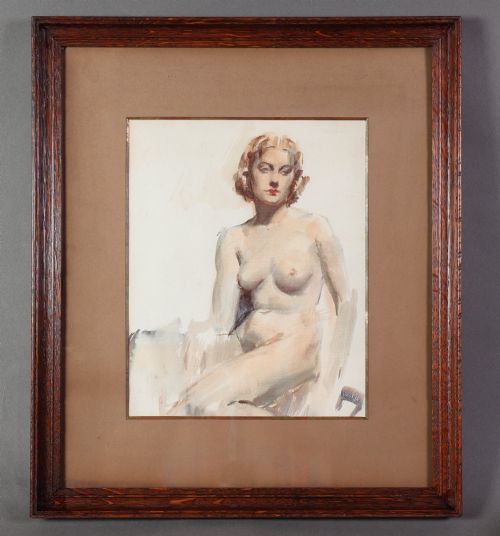
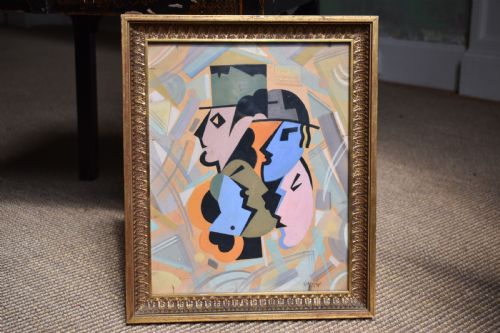
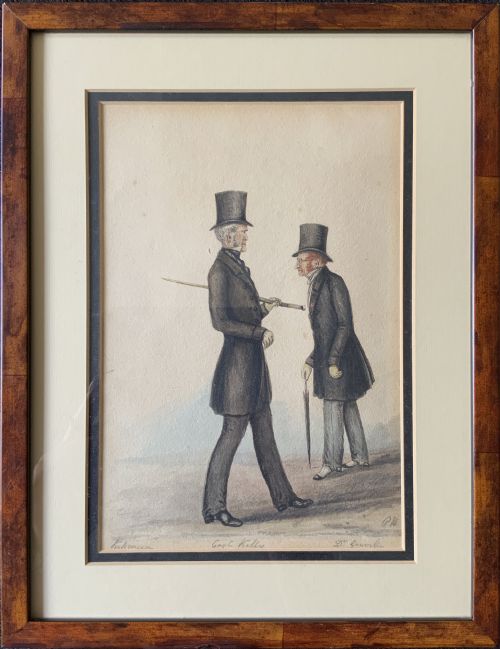
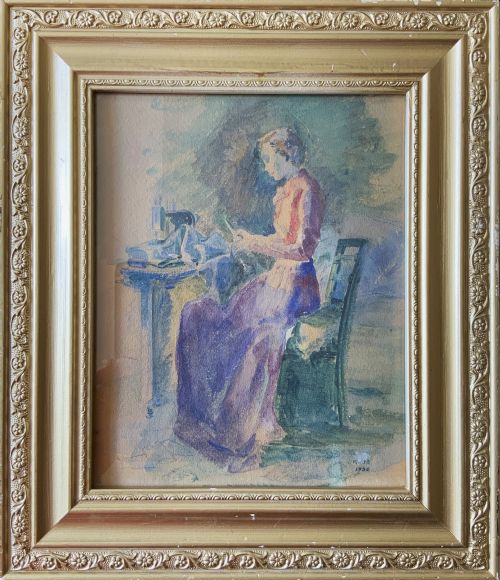
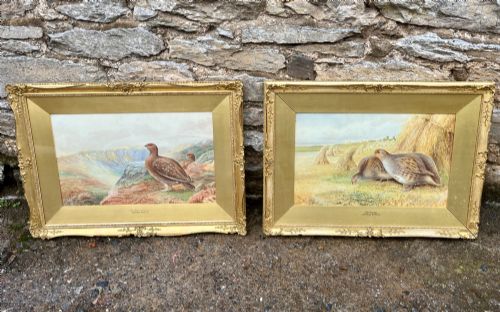
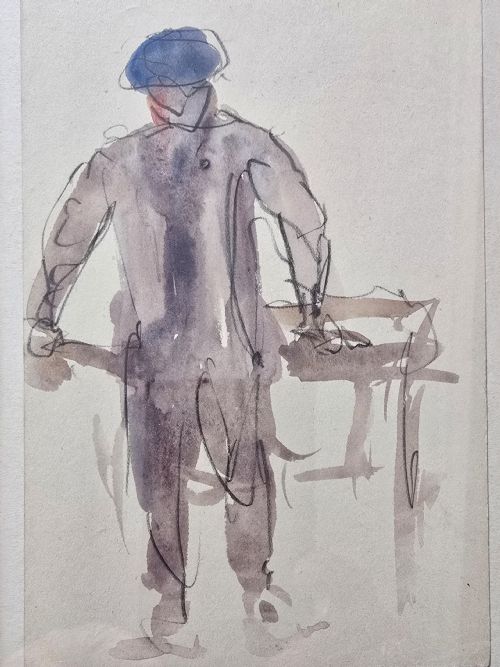
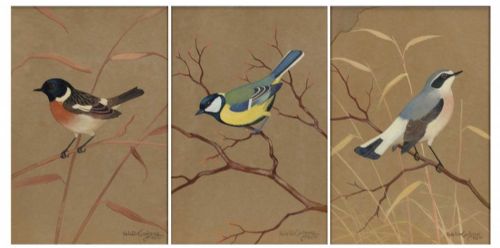
Framed Watercolour Study
When you want a framed watercolour study, you are looking at works on paper spanning botanical studies, landscapes, and portraits set behind glass.
Framed Watercolour Study
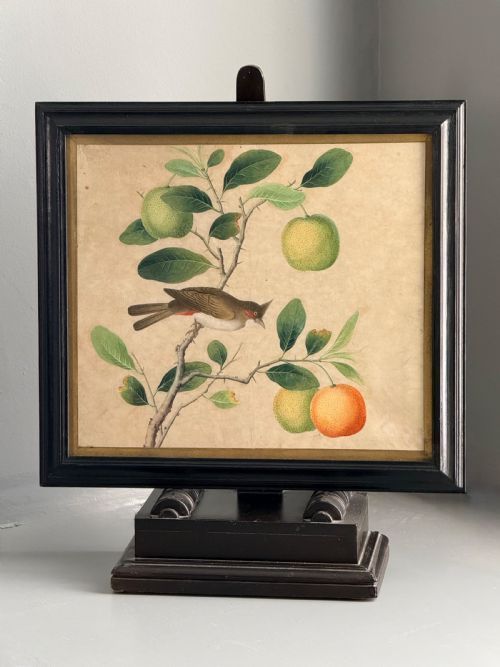
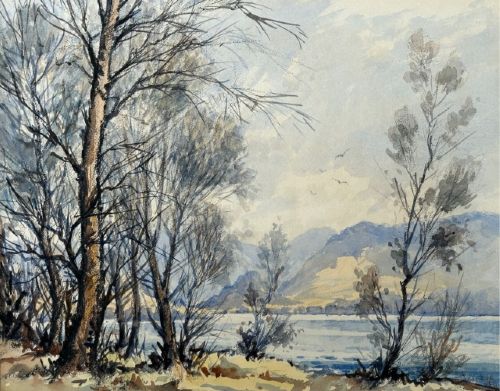
A framed watercolour study captures subjects ranging from natural history and botanical specimens to architectural scenes and landscapes on paper. The examples you encounter span from the eighteenth century through the Victorian period and into the mid-twentieth century.
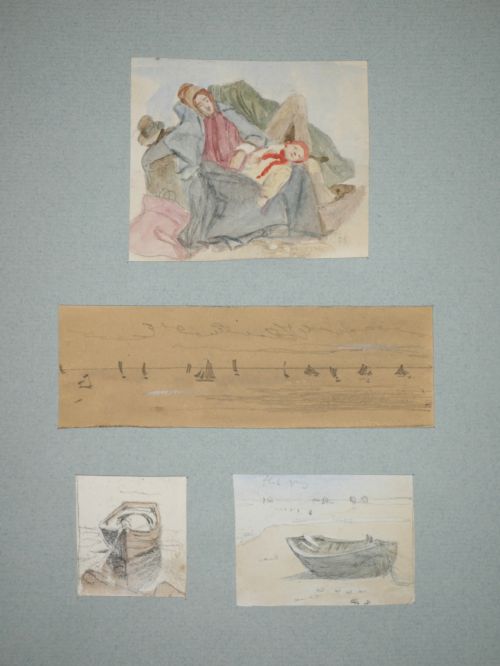
Most pieces take the form of individual paintings, pairs, or sets depicting birds, flowers, marine sketches, and topographical views. These works function as intimate records of observation created across various British and European schools.
Materials and technique
The medium relies on watercolour pigment, gouache, ink, and pencil applied to paper, sometimes including pith paper supports. Glazing with glass protects these water-soluble pigments from atmospheric moisture and handling.
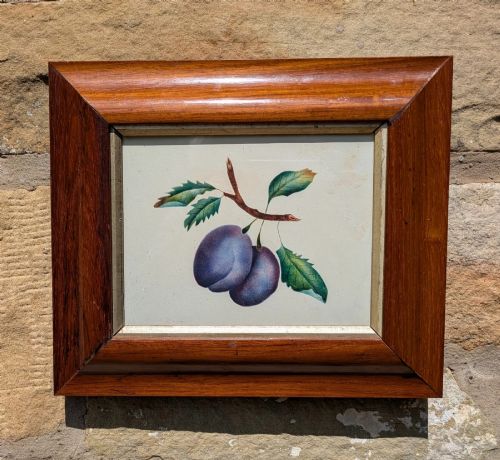
Framing typically involves wood, rosewood, ebonised surrounds, or gilt wood mounts that complement the period of the artwork.
Several watercolours focus exclusively on feathers, fur, and garden birds, proving that past artists were easily distracted by local wildlife.
Factors of quality
Quality rests upon the sureness of the draughtsmanship and the handling of pigment, where fluid brushwork distinguishes accomplished hand-painted works from stiffer academic exercises. The preservation of the paper support and the vibrancy of the original colours also dictate the standing of a piece.
The integrity of the original frame, whether rosewood or deep giltwood, contributes significantly to the overall coherence and period character of the artwork.
Thomas Ellison·James Smetham·Robert Leslie Howey·R. Hurst·George Rankin·Michael Healy·Ralston Gudgeon·Dame Elisabeth Frink·William Frederick Settle·Raoul Millais·William Andrews Nesfield·Harry Bright·Susie Lassam·William Edward Frost·Rowland Henry Hill·Robert Richard Scanlan
The Framed Watercolour Study Glossary
- Watercolour
- A painting method in which the pigments are suspended in a water-based solution. It is traditionally applied to paper or works on paper.
- Gouche
- An opaque watercolour paint consisting of pigment combined with a binding agent and honey or water. It provides heavier coverage than standard watercolour.
- Pith paper
- A delicate material formed from the pith of the rice paper plant, used as a support for Asian and export gouache paintings.
- Grand Tour
- A cultural journey of Europe formerly undertaken by upper-class young men, which generated topographical watercolours and architectural studies as mementos.
- Portrait miniature
- A small, highly detailed painting on paper, ivory, or vellum, often executed during the Georgian and Victorian eras.
Framed Watercolour Study: Frequently Asked Questions
How do I care for a framed watercolour study?
Keep the artwork away from direct sunlight to prevent the pigments from fading over time. Maintain a stable room temperature to protect the paper and the wooden frame from moisture damage.
Ensure the glass remains sealed to keep dust and humidity away from the paper surface. Professional framing with acid-free backing materials preserves the longevity of works on paper.
What is the difference between a study and a finished painting?
A study is typically an exploratory or preparatory work created to capture a specific detail, such as a botanical specimen or an animal pose. These pieces often emphasise direct observation over elaborate composition.
Finished paintings usually present a more complete, narrative, or expansive scene designed for formal exhibition. Studies offer a direct glimpse into the working method of the artist.
How do I identify the period of a watercolour?
Examine the paper type, framing style, and the pigments used, as these elements shifted noticeably between the eighteenth and mid-twentieth centuries. Victorian works often feature botanical or natural history subjects with specific mounting styles.
Signatures, inscriptions, and artist attributions provide further chronological clues. Comparing the handwriting and framing materials helps narrow down the decade of creation.
Were these watercolours always framed?
Many works on paper were stored in portfolios or sketchbooks by their original owners before being framed later in life. Surviving pieces often retain their nineteenth-century or early twentieth-century frames.
Frames associated with Grand Tour watercolours or botanical studies frequently reflect the aesthetic tastes of the Victorian and Edwardian eras. Original framing adds context to how the artwork was displayed historically.