





Edwardian Floral Artwork
Edwardian floral artwork captures garden scenes and still lifes through delicate watercolours and rich oil paintings.
Edwardian Floral Artwork
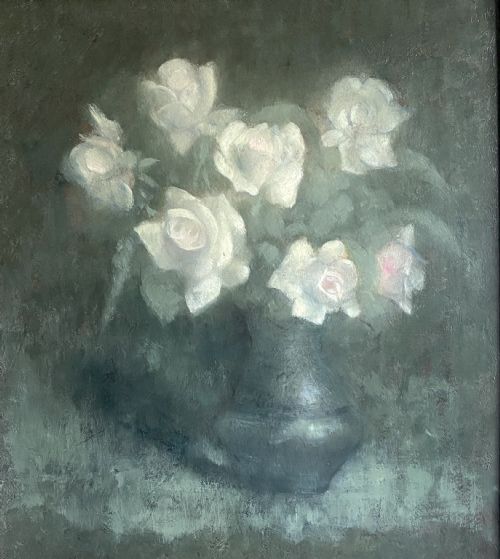
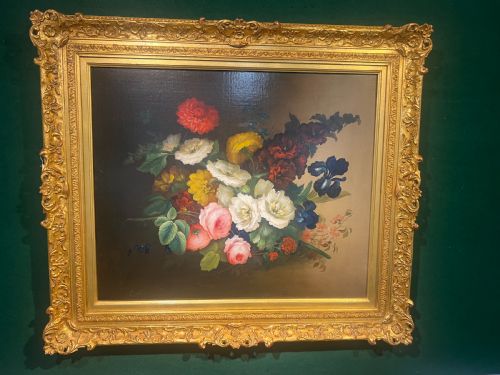
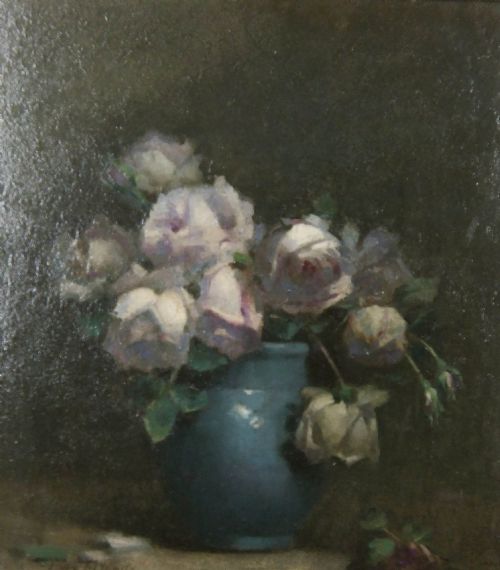
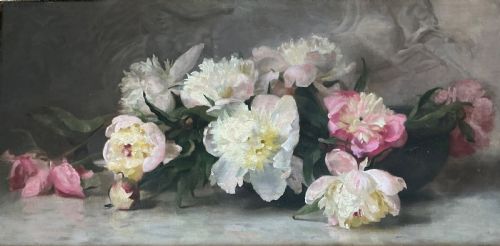
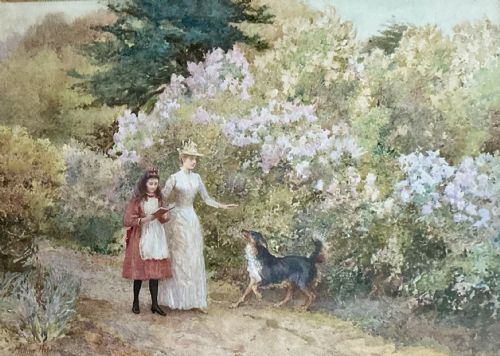
Edwardian floral artwork encompasses paintings created across the late nineteenth and early twentieth centuries, capturing the essence of domestic gardens and botanical subjects. Collectors seeking edwardian floral artwork typically encounter watercolours on paper and oil paintings on canvas depicting roses, peonies, and cottage gardens. These pieces reflect the artistic output of periods spanning from the eighteen-eighties through to nineteen-thirty, leaning heavily into British Impressionism and Edwardian traditional styles.
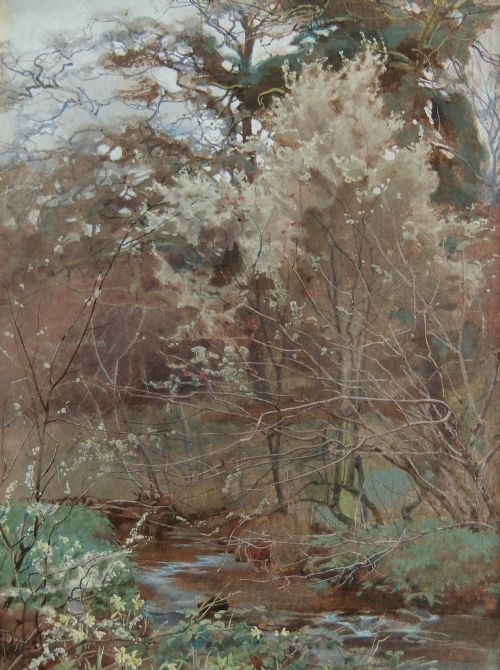
The assortment includes detailed still life studies of polyanthus, anemones, and pelargoniums alongside wider views of walled gardens and country houses. Artists of the era used pigments to record natural light falling on blooms, creating domestic decoration that brought the outdoors inside. Works range from intimate floral arrangements to broader landscape watercolours featuring springtime crocuses and summer borders.
How They Were Made
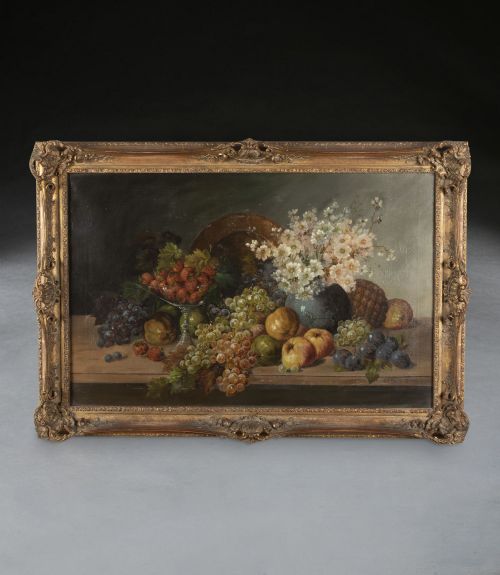
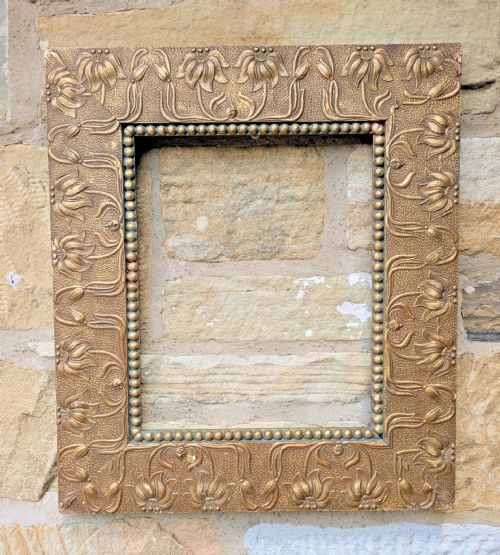
Artists utilised watercolour pigment on paper or applied oil paint to canvas, board, and panel to achieve their botanical subjects. Watercolour works rely on transparent washes to build the delicate petals of roses and daisies, whilst oil paintings employ heavier application to capture the texture of summer blooms. Many surviving examples are housed within period wooden picture frames, including gilded gesso designs characteristic of late Victorian and Art Nouveau tastes.
The technique balances botanical accuracy with impressionistic brushwork, focusing on the play of light across garden paths and floral still lifes. Painters worked en plein air or in studios, building up layers of pigment that have survived over a century. The combination of traditional grounds, quality canvas or heavy paper, and secure framing ensured these delicate plant studies endured.
Listings span from eighteen-eighty to nineteen-thirty, featuring both oil paintings and delicate watercolours on paper.
What Varies in Quality
Quality rests upon the artist's ability to render light and form convincingly, distinguishing competent decorative pieces from masterworks of the period. Superior examples demonstrate confident brushwork and a sophisticated handling of colour, particularly in the depiction of white roses, peonies, and complex garden foliage. The vitality of the composition and the preservation of the original pigments play a major role in establishing the distinction between standard works and finer artistic achievements.
Framing also contributes significantly to the overall integrity of the piece, with original gilded gesso frames adding substantial character and period context. Works by established practitioners of the Staithes Group or notable watercolourists display a superior understanding of tone and atmosphere compared to anonymous output. The handling of tricky subjects, such as complex floral arrangements or detailed architectural garden elements, separates skilled execution from rigid illustration.
William Thomas Wood·Gertrude Hayes·Theresa Stannard·Lester Sutcliffe·Ernest Higgins Rigg·Lilian Stannard·Alfred W. Parsons·Beatrice Parsons·Annie Mary Youngman
The Edwardian Floral Artwork Glossary
- Watercolour pigment
- A colourant suspended in a water-soluble binder, applied to paper to create translucent washes and fine botanical details.
- Oil on canvas
- A painting technique utilising pigments bound in drying oil applied to a woven fabric support stretched across a wooden frame.
- Art Nouveau
- A stylistic movement characterised by organic, flowing lines and natural motifs that influenced frame designs and painting styles around nineteen hundred.
- Gesso
- A plaster-like mixture applied to wooden picture frames as a smooth base for subsequent gilding or painting.
Edwardian Floral Artwork: Frequently Asked Questions
What subjects appear in these paintings?
The works primarily feature domestic garden scenes, walled gardens, and still life arrangements of roses, peonies, and spring flowers.
Artists recorded these botanical subjects during the late Victorian and Edwardian eras, often capturing specific blooms like anemones and pelargoniums.
How should I display them?
These pieces require placement away from direct sunlight to protect delicate watercolour pigments and traditional oil paints from fading.
Pairing them with period wooden frames enhances their historical character within a modern interior.
Are these works original paintings?
The listings consist of original hand-painted works executed in oil or watercolour by period artists.
They are unique creations rather than modern reproductions, utilising canvas, board, and paper supports.
How do I identify the period?
Dating relies on stylistic markers such as Art Nouveau frame designs, costume details in figures, and the characteristic palette of Edwardian impressionism.
Signatures, artist records, and the materials used also help place the artwork between eighteen-eighty and nineteen-thirty.