
Vintage Botanical Painting
A vintage botanical painting brings garden studies and floral still lifes onto the wall through watercolours and oils.
Vintage Botanical Painting
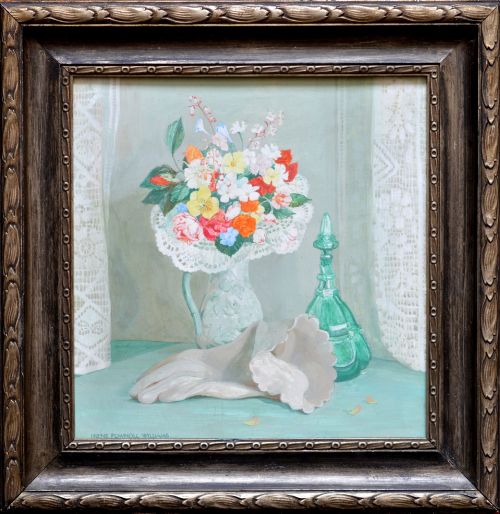
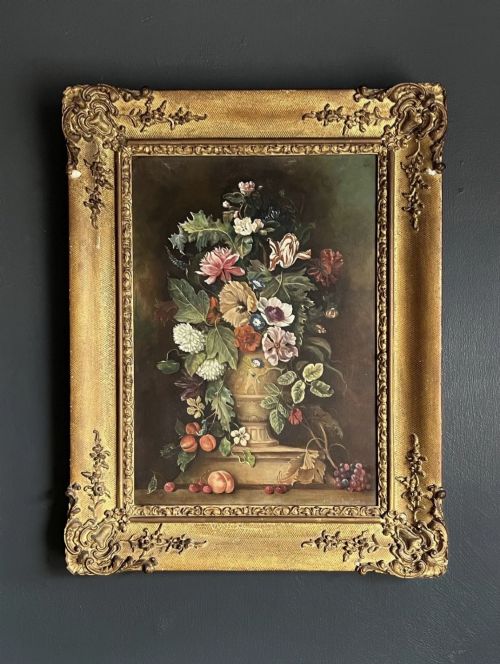
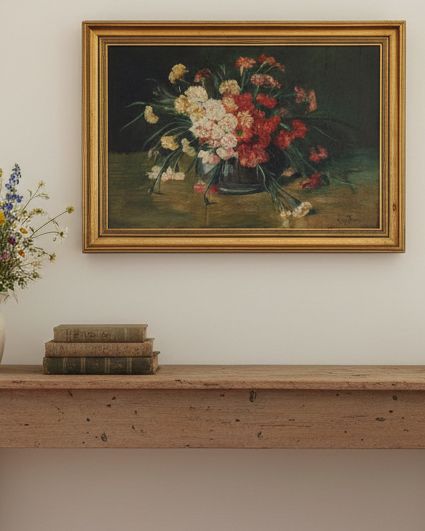
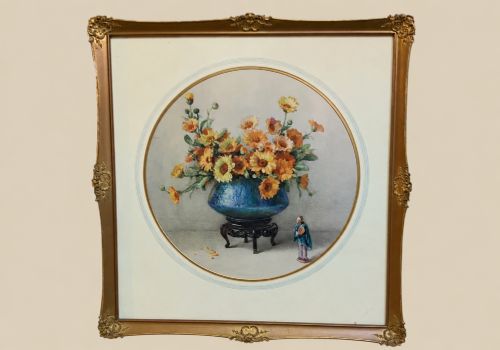
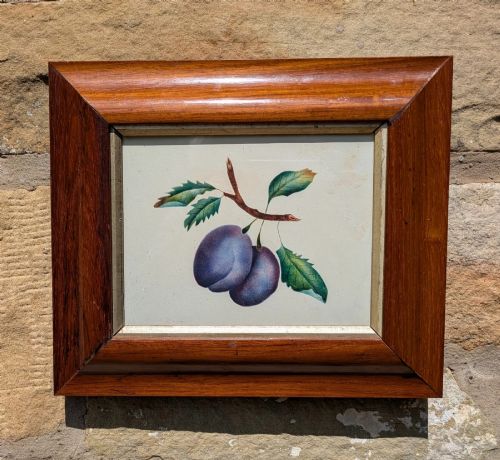
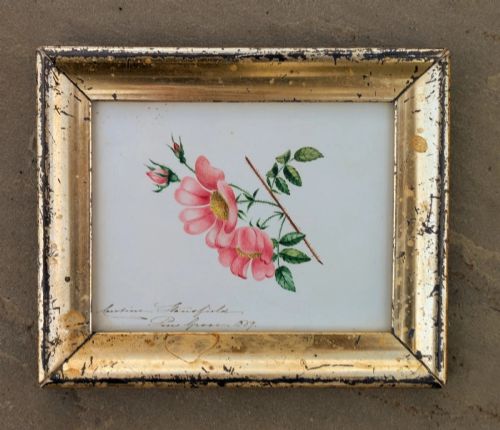
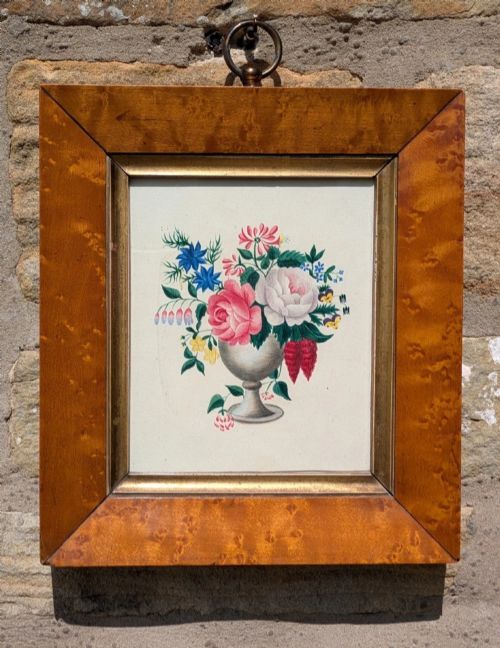
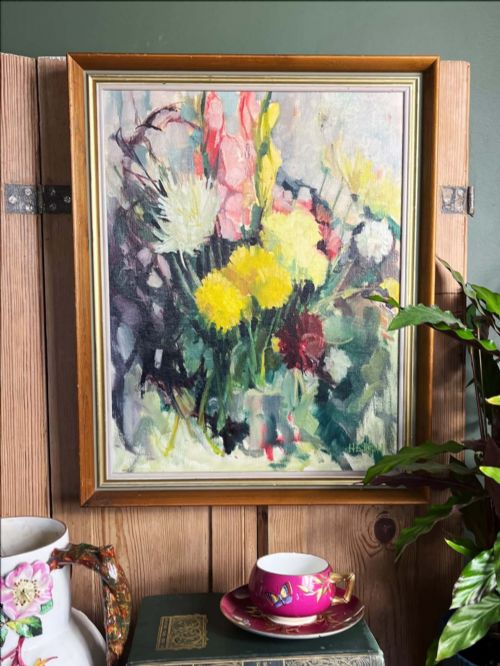
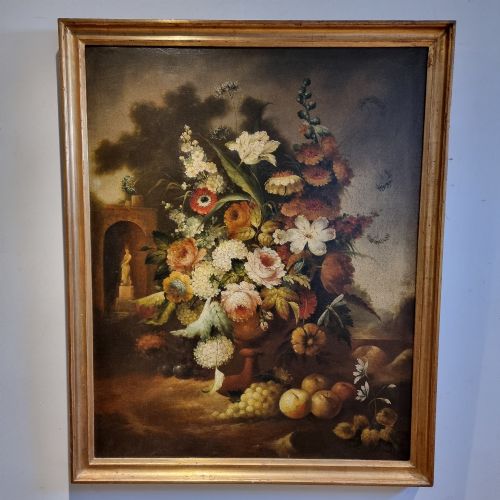
A vintage botanical painting captures natural subjects, from wild roses to marigolds and plums, rendered with careful observation. Buyers seeking a vintage botanical painting will find works spanning the nineteenth and twentieth centuries, executed in watercolour, oil paint and gouache. These pieces range from delicate Regency studies to mid-century impressionist canvases and batik textile panels.
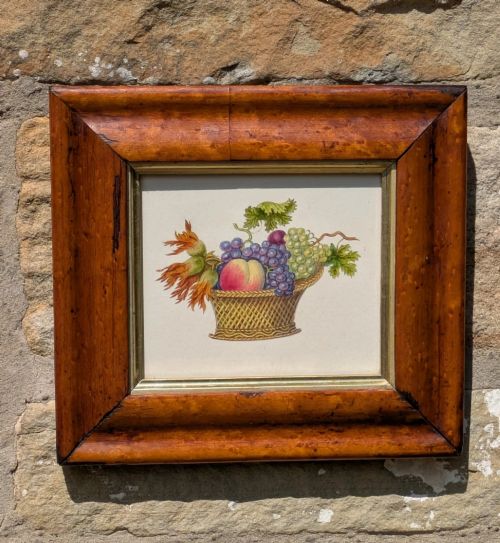
The selections on this page lean heavily toward framed watercolours on paper and oil paintings on board or canvas. Many pieces arrive housed in period frames, including gilt gesso and rosewood mouldings, which complement the floral imagery.
How they were made
Artists relied on watercolour pigments applied to paper for crisp botanical detail, or built up texture using oil paint on canvas and board. Support materials range from traditional paper sheets to prepared wooden panels and woven canvas.
Framing played an integral role in preservation, utilising carved wood, gilt gesso and protective glass to safeguard delicate watercolours and gouache works from moisture and light damage.
Vintage Botanical Painting Retail Price Guide 2026
Typical asking prices for vintage botanical painting among the pieces listed under this phrase on Sellingantiques today, from the lower quarter to the upper quarter. They describe what is for sale here now, not the wider market.
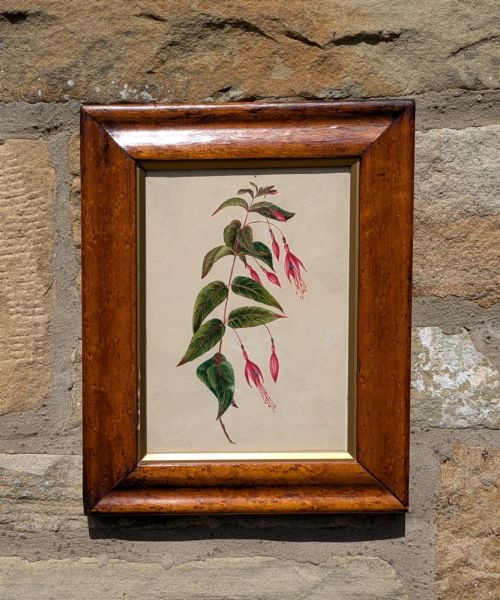
Subject matter extends from single flower studies of roses and fuschia to complex baskets spilling over with summer blooms.
What varies in quality
Quality rests in the precision of the botanical draftsmanship and the confidence of the brushwork. Master studies display accurate botanical structures alongside subtle tonal shifts in petal and foliage colours.
The integrity of the medium matters greatly, with superior works maintaining vibrant pigments without excessive fading or paper foxing. Original framing matching the period of the artwork elevates the presentation considerably.
Konstantin Stoitzner·Emma Fordyce MacRae·Harold Clayton·Manuela Bonati·William Thomas Wood
The Vintage Botanical Painting Glossary
- Gouache
- An opaque water-based paint that dries to a matte finish. It allows artists to build solid blocks of colour and fine highlights.
- Gilt gesso
- A plaster-based material applied to wooden frame mouldings and gilded with gold leaf. This technique creates ornate, reflective borders.
- Foxing
- Brown age spots that appear on old paper due to chemical reactions. It is common in nineteenth-century watercolours.
- Oleograph
- A mechanical colour print textured to imitate an oil painting. These prints replicate popular canvas works for domestic display.
Vintage Botanical Painting: Frequently Asked Questions
How do I date a botanical painting?
Dating relies on the paper or canvas type, framing style, and signature methods. Pigments and stretcher frames also offer clues to the decade of creation.
Examining the backboards and framing nails provides further confirmation of the period.
Where should I hang a watercolour?
Watercolours require placement away from direct sunlight to prevent the pigments from fading. Glass protection shields the delicate paper from atmospheric moisture.
Interior walls with stable ambient temperatures suit paper works best.
Are these paintings original artworks?
Most pieces listed are original hand-painted works in watercolour, oil or gouache. A smaller number comprise vintage prints and textile art.
Checking the medium in the listing details confirms whether a piece is painted by hand.
How do I care for antique frames?
Antique frames made of wood and gesso need gentle dusting with a dry microfibre cloth. Avoid liquid cleaners and polishes which damage fragile gilt surfaces.
Keeping the humidity steady prevents the wood from warping around the artwork.