
Vintage Flower Artwork
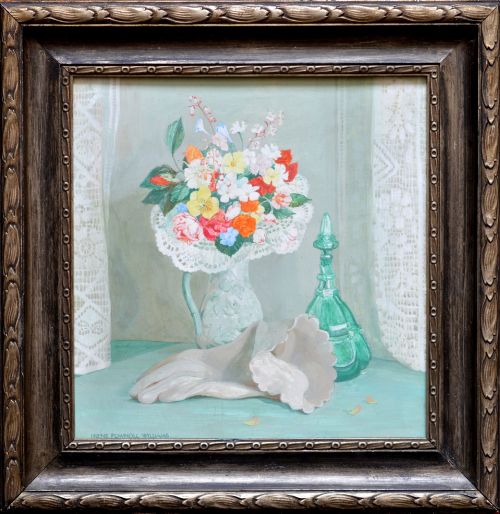
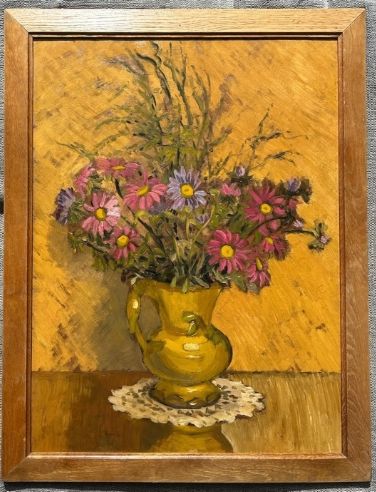
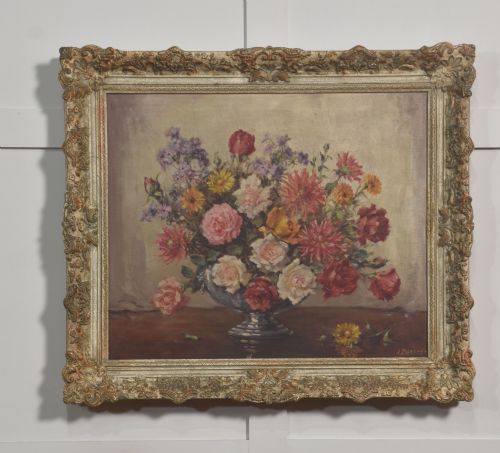
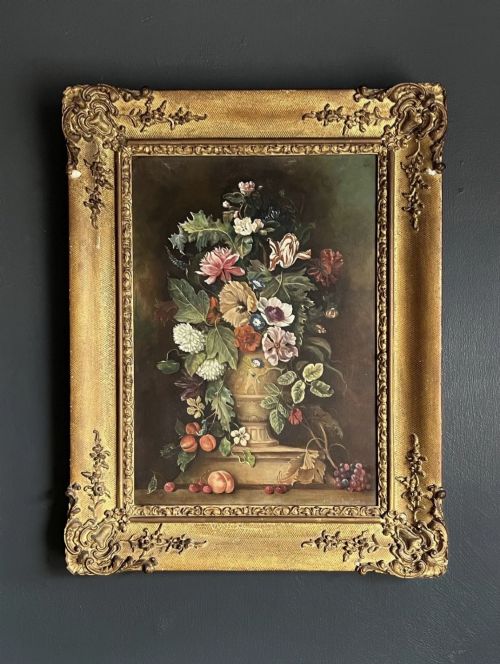
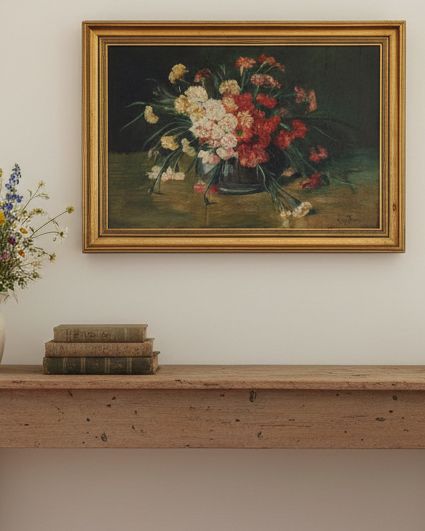
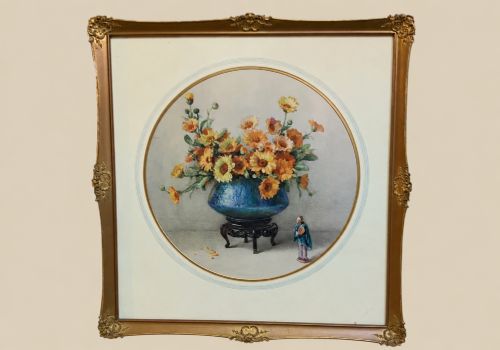
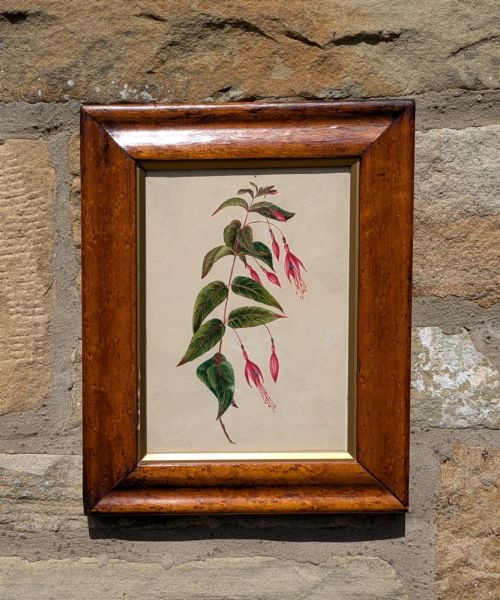
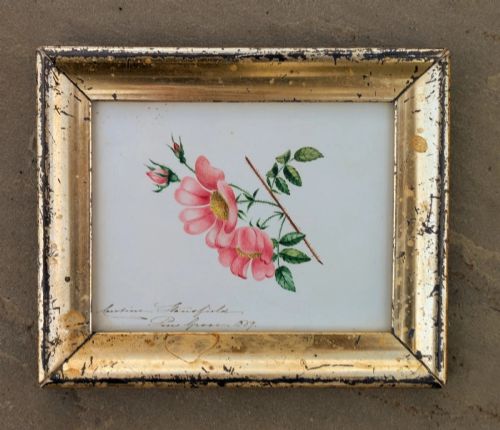
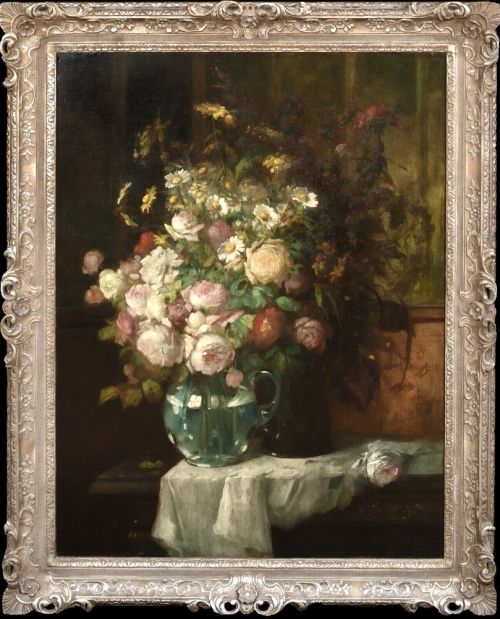
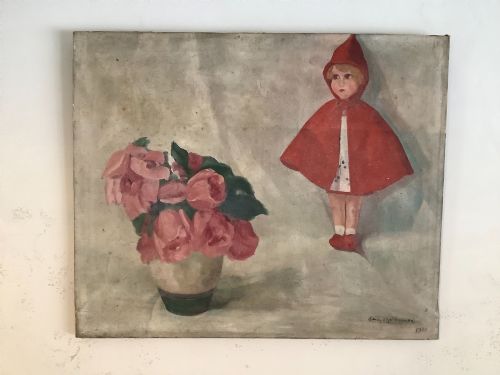
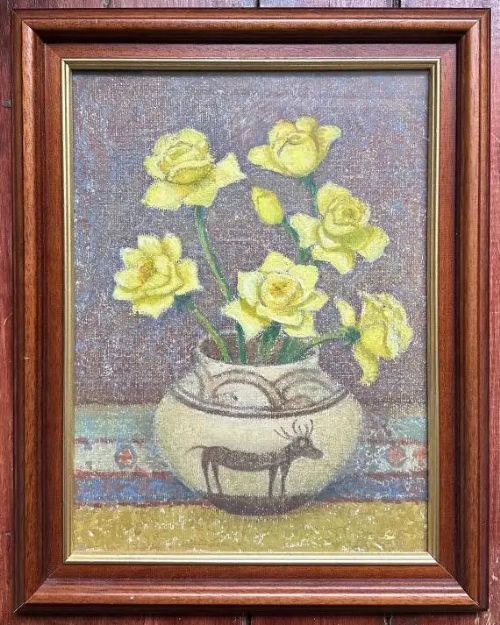
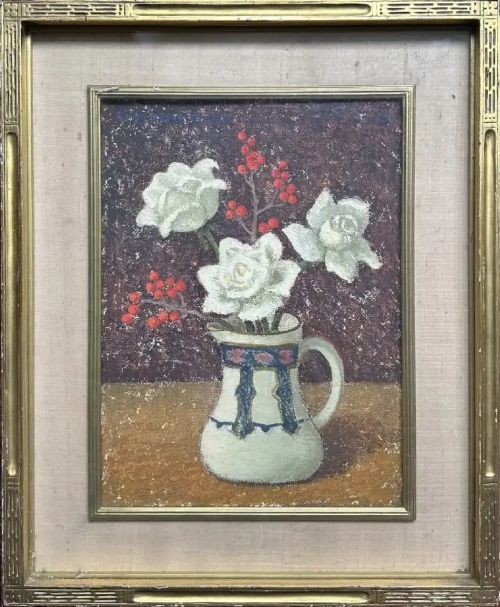
These vintage flower artwork selections range from delicate nineteenth-century watercolours to mid-century oil paintings, bringing botanical subjects and vibrant still lifes into domestic interiors.
Vintage Flower Artwork
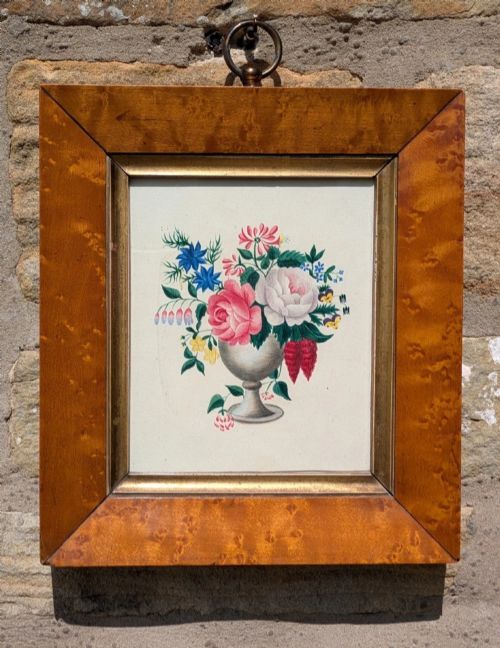
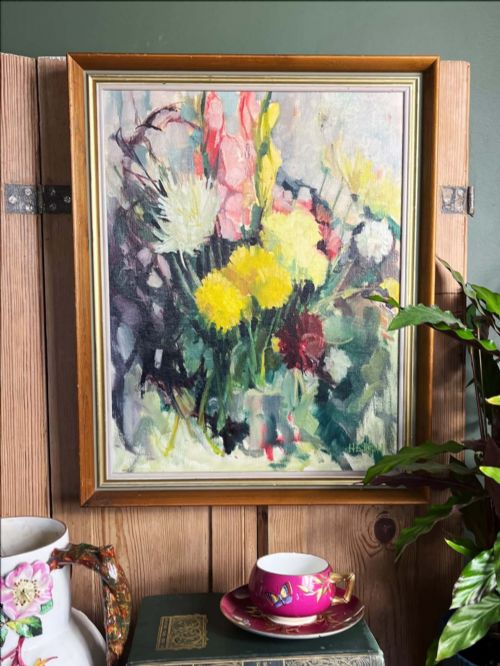
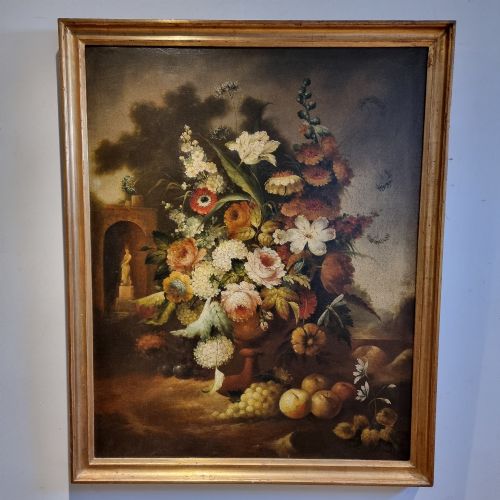
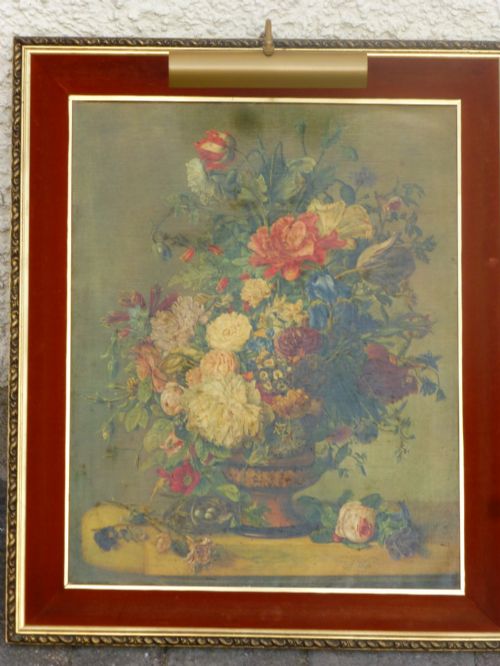
When you search for vintage flower artwork, you encounter a diverse array of pieces spanning from the nineteenth century through the mid-twentieth century. The selection encompasses framed watercolours, oil paintings on canvas or board, and pastels depicting botanical studies and floral still lifes.
You are most likely to meet mid-century oil paintings and early twentieth-century watercolours on this page. These works frequently capture floral arrangements in vases, baskets, or domestic settings, reflecting periods such as the Arts and Crafts movement, Art Deco, and Mid-Century Modernism.
How they were made
Artists utilise traditional painterly methods, applying oil paint onto canvas, wooden panels, or board to build rich textures and deep colour saturation. Watercolours on paper offer a more translucent quality, capturing fine botanical details of specimens like fuschias, roses, and marigolds.
Several artists preferred painting thorny stems over delicate petals, keeping gardeners strictly honest.
What varies in quality
The mastery of brushwork and composition distinguishes exceptional pieces from ordinary decorative items. Superior works demonstrate a confident handling of light, shadow, and spatial depth, bringing vitality and realism to the floral subject.
The preservation of the medium also influences quality, with well-maintained pigments, stable canvas or paper surfaces, and original period framing contributing significantly to the integrity and visual impact of the artwork.
Kenneth Cozens·Emma Fordyce MacRae·James Tower·Owen Bowen·Amile Coppieters
The Vintage Flower Artwork Glossary
- Still life
- A painting or drawing depicting inanimate subject matter, typically commonplace objects such as flowers, fruit, or vessels. These compositions allow artists to explore light, colour, and form.
- Watercolour
- A painting method in which the paints are made of pigments suspended in a water-based solution. Paper serves as the primary support, yielding translucent washes of colour.
- Gesso
- A paint mixture consisting of a binder mixed with chalk, gypsum, or pigment, used to prepare wood panels or frames for painting or gilding. It provides a smooth surface for finishing touches.
- Impressionism
- A style of painting that focuses on the visual impression of the moment, especially the shifting effect of light and colour. Works in this manner emphasise loose brushstrokes over precise detail.
- Oleograph
- A type of chromolithographic print textured to imitate an oil painting, popular in the nineteenth and twentieth centuries. It offers a replica of an original artwork on canvas or paper.
Vintage Flower Artwork: Frequently Asked Questions
How do I date vintage flower artwork?
Dating relies on stylistic clues, framing techniques, and the materials used by the artist. Signatures, inscriptions on the reverse, and labels often provide precise temporal markers.
Examining the backing paper, canvas weave, and pigments helps differentiate nineteenth-century watercolours from mid-century oil paintings.
Where should I hang floral artwork?
These pieces suit living rooms, dining spaces, and hallways, adding warmth and natural colour to domestic interiors. Pairing them with traditional or eclectic decor enhances their visual charm.
Avoid placing watercolours or pastels in direct sunlight to protect the pigments from fading over time.
Are these paintings original works?
The selection includes hand-painted originals in oil and watercolour alongside period print mediums like oleographs. Listings specify the exact medium used for each individual piece.
Reviewing the description confirms whether an artwork is a unique painted creation or a reproduction print.
How do I care for antique watercolours?
Watercolour paintings require protection from moisture, direct sunlight, and extreme temperature fluctuations. Framing behind UV-resistant glass preserves the delicate paper and pigments.
Keep the hanging environment stable to prevent the paper from warping or developing foxing marks.