


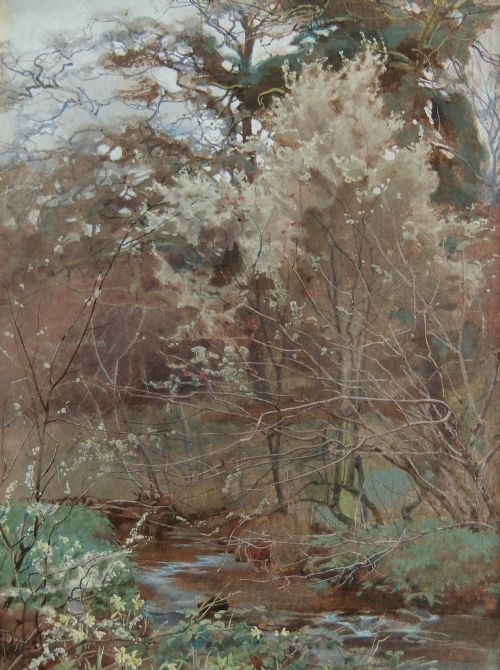


Green Botanical Watercolour
Green botanical watercolour paintings capture flora and garden scenes on paper through delicate washes.
Green Botanical Watercolour
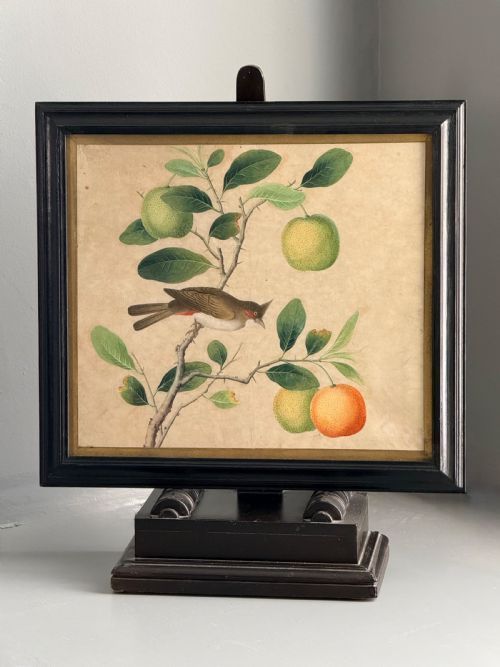
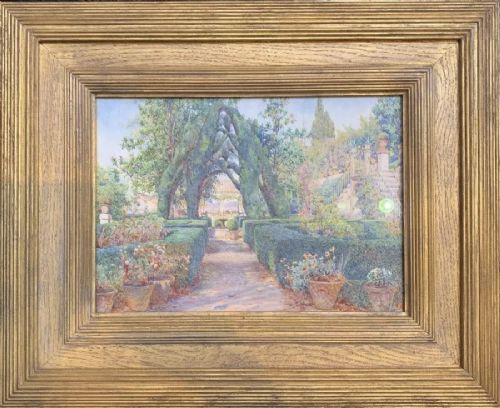
A green botanical watercolour presents plants, flowers, and garden landscapes rendered in fluid pigment upon paper or pith paper.
The pieces on this page span from the eighteenth century through the Victorian and Edwardian periods into the mid-twentieth century.
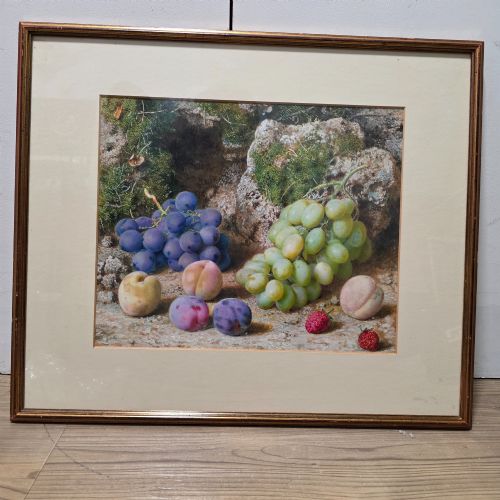
Common forms include framed artwork and wall art depicting floral still lifes, garden views, and natural history illustrations.
How they were made
Artists painted primarily with watercolour and gouache applied directly to paper supports, sometimes incorporating pencil underdrawings.
Some works utilise delicate pith paper as a base, requiring careful preservation behind glass within wooden frames.
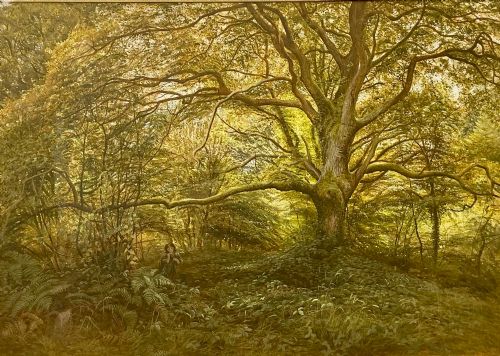
Several artists captured specific garden corners featuring primroses, apples, and meandering woodland ways.
What varies in quality
Quality depends upon the precision of the botanical detail and the handling of the pigment across the paper surface.
The depth of composition in garden landscapes and floral arrangements separates standard decorative watercolours from accomplished fine art paintings.
John Sherrin·Lilian Stannard·William Hough·Alfred W Parsons·Beatrice Parsons
The Green Botanical Watercolour Glossary
- Watercolour paint
- A water-soluble medium consisting of pigment suspended in a water-based binder. It allows for transparent washes of colour.
- Gouache
- An opaque water-based paint that provides heavier coverage and brighter highlights than traditional watercolour.
- Pith paper
- A delicate traditional Asian material formed from the pith of the Tetrapanax papyrifer plant, used as a painting surface.
- Natural history illustration
- A detailed depiction of plants or animals created for scientific accuracy as well as aesthetic appreciation.
Green Botanical Watercolour: Frequently Asked Questions
How should I hang a watercolour?
Keep watercolours away from direct sunlight to prevent the pigments from fading over time.
Ensure they are framed securely behind glass with adequate spacing between the paper and the glazing.
What is pith paper?
Pith paper is a delicate organic material harvested from plant stems and used historically for paintings.
Works on pith paper demand careful preservation and sturdy framing to protect the fragile surface.
How do I identify Victorian watercolours?
Victorian pieces often feature detailed floral still lifes or traditional garden landscapes signed by period artists.
Examine the framing, paper ageing, and recording style to determine the likely nineteenth-century origin.
Are these paintings original?
The listings consist of original hand-painted watercolours and gouache studies created by individual artists.
Each piece shows distinct brushwork and pigment application unique to the creator's hand.