


Victorian Natural History Art
Victorian natural history art brings the studied observation of the nineteenth century straight onto the wall.
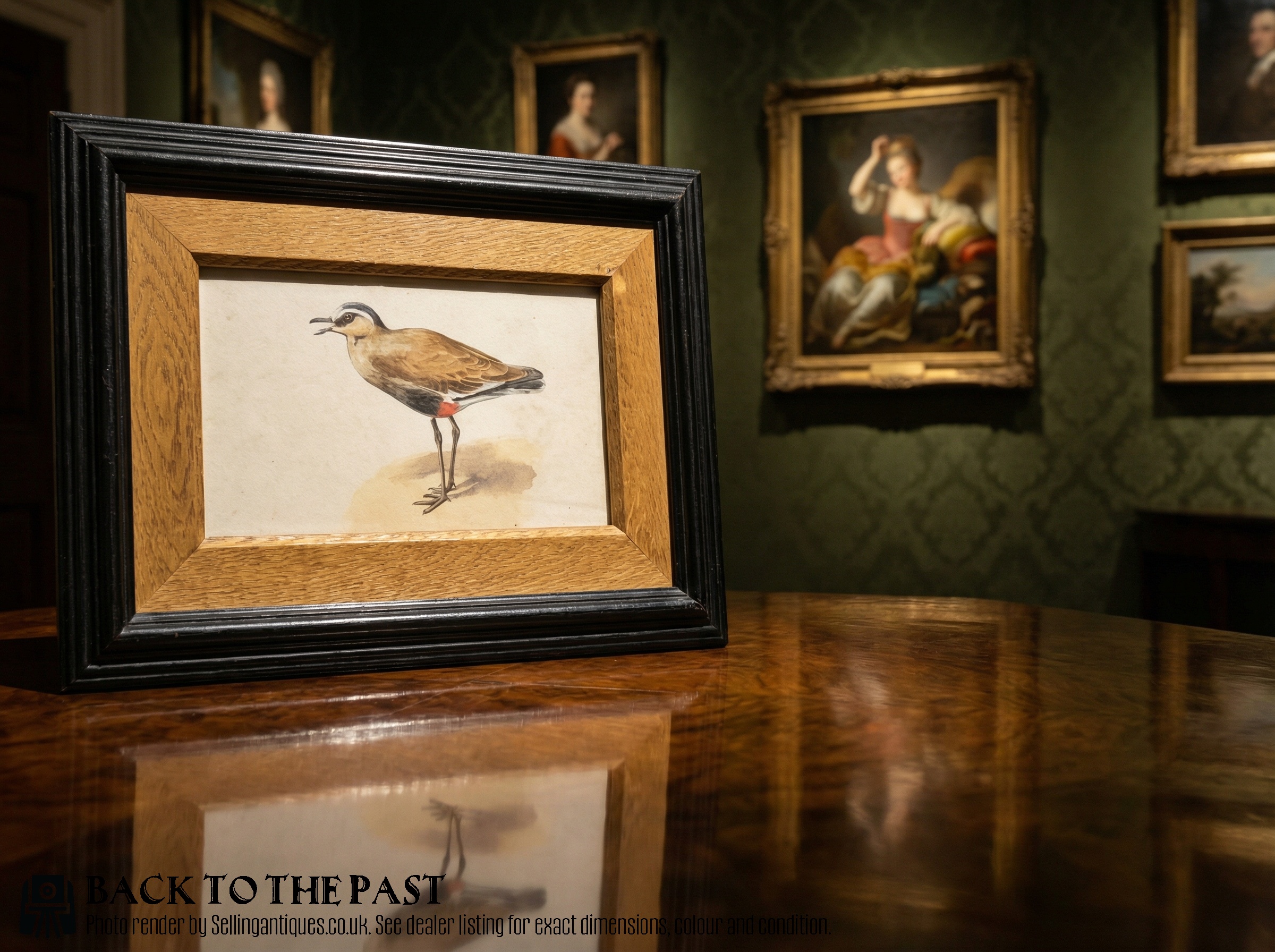
Victorian Natural History Art
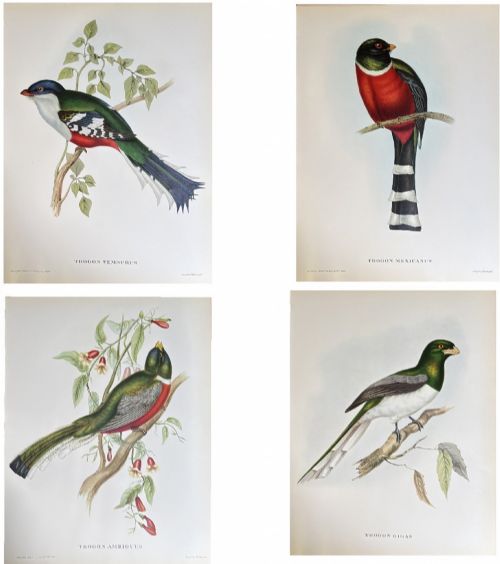
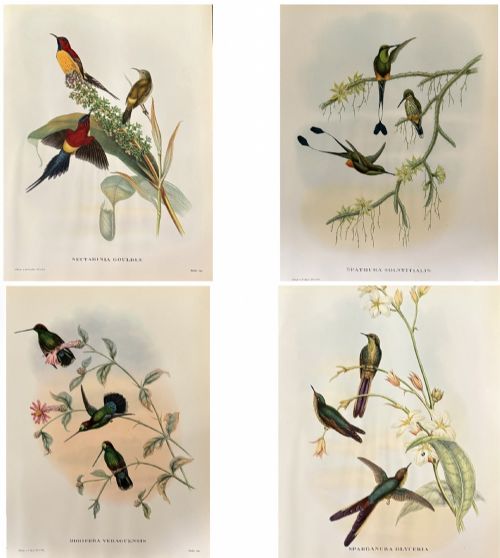
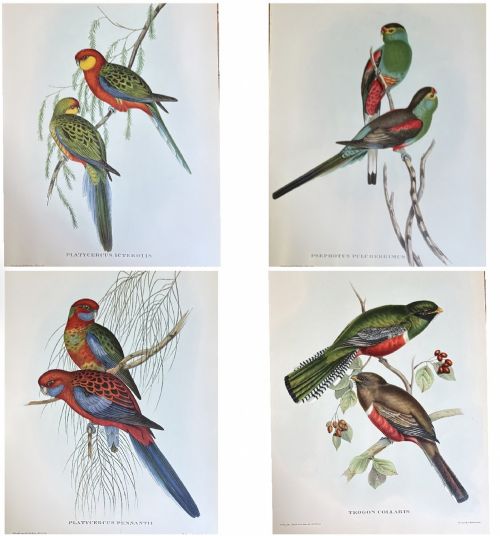
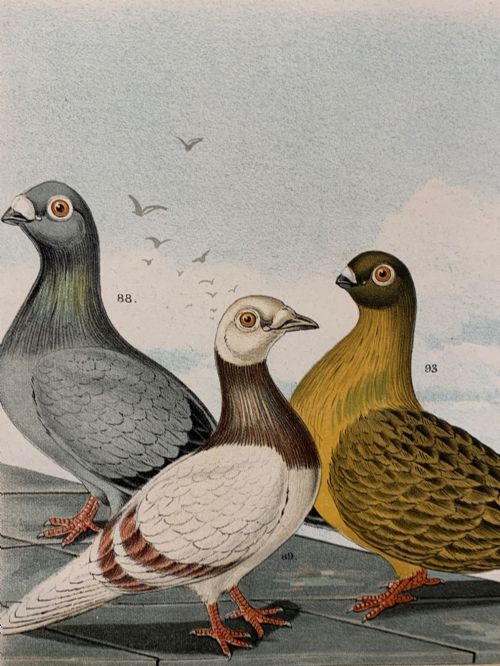
Victorian natural history art comprises framed watercolours, engravings, and prints that capture flora and fauna with scientific precision. These pieces bridge the gap between rigorous botanical study and decorative home display.
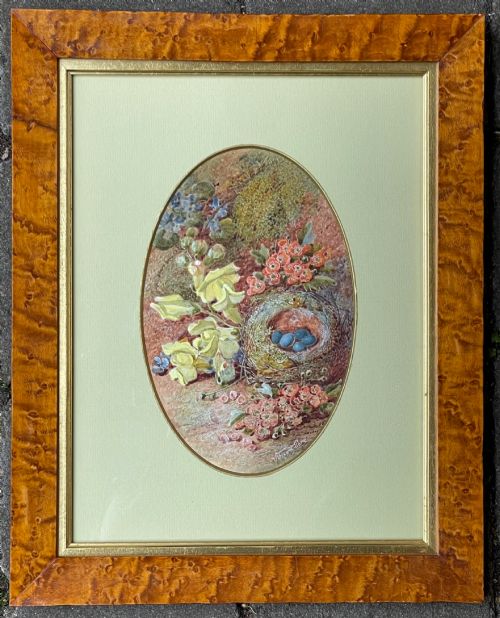
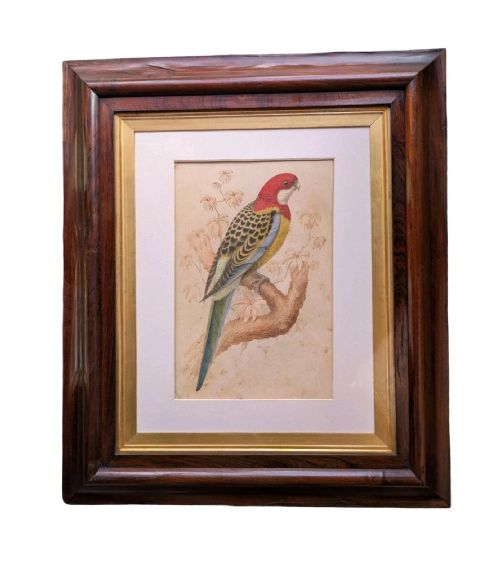
The selections available here range from detailed framed paintings of primroses and birds' nests to sets of tropical bird prints and antique fish engravings. Each object reflects the Victorian fascination with cataloguing and celebrating the natural world.
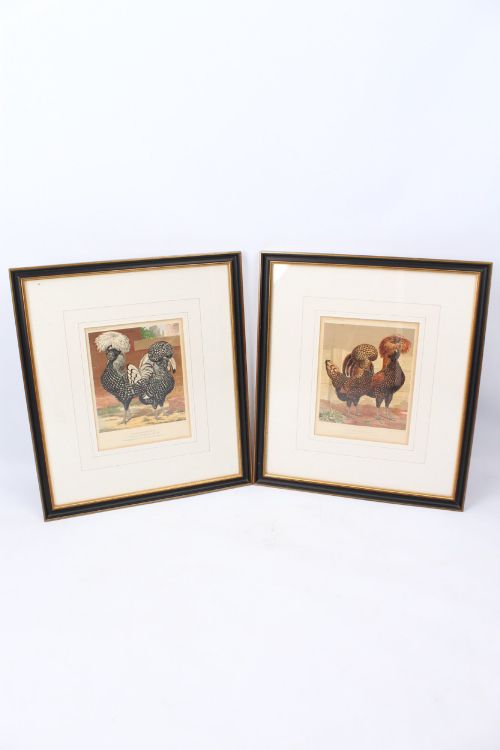
Buyers will encounter both individual works on paper and grouped sets housed in period frames such as burr maple, oak, or ebonised wood with deep giltwood mounts. These pieces anchor a room with both historical weight and botanical charm.
Materials and Technique
These works rely on traditional media including watercolour, ink, and printmaking techniques applied to quality paper. Artists utilised precise brushwork and fine lines to render the exact anatomical details of birds, fish, and flora.
Framing forms an integral part of the construction, utilising timbers like oak and burr maple alongside gold leaf and ebonised finishes. Deep giltwood mounts serve to frame and elevate the artwork within.
Retail Price Guide 2026
Typical UK retail prices for victorian natural history art, calculated from the Sellingantiques database of over a million retail prices indexed since 2003. This retail price guide relies exclusively on Sellingantiques data; no external sources or auction records are used, so the figures do not describe the wider market.
The site listings incorporate works spanning the nineteenth century up to nineteen-fifty, executed in watercolour, ink, and paper.
Assessing Quality
Quality rests upon the precision of the draughtsmanship and the fidelity of the natural rendering. Superior pieces exhibit meticulous detail in feather, scale, and petal, whereas lesser works sacrifice anatomical accuracy for speed.
The integrity of the original framing, particularly the presence of period mounts in ebonised wood or gold leaf, significantly enhances the piece. Preserved colour and minimal fading on paper elevate an example above standard decorative prints.
The Victorian Natural History Art Glossary
- Engraving
- A printmaking technique where an image is incised into a metal plate, holding ink to produce fine, crisp lines. This method allowed naturalists to reproduce botanical and zoological illustrations accurately.
- Watercolour
- A paint medium consisting of pigment suspended in a water-soluble vehicle, applied to paper to achieve translucent colour washes. Victorian artists utilised it extensively for life studies of flora and fauna.
- Giltwood
- Wood that has been covered with a thin layer of gold leaf. It frequently appears on interior frame mouldings to reflect light and add warmth.
- Ebonised
- Wood treated with a finish to imitate ebony, providing a dark, dense, and uniform black appearance. It was a popular framing choice in the nineteenth century for high-status works on paper.
Frequently Asked Questions
How should I hang these artworks?
Keep works on paper away from direct, strong sunlight to prevent the watercolour pigments and inks from fading over time. Maintain stable indoor humidity levels to protect both the historical paper and the wooden frames.
Group sets of prints together on a wall to replicate nineteenth-century display habits. Ensure traditional frames are hung securely using appropriate fixings given their weight.
Are these pieces original antiques?
The selection includes authentic nineteenth-century watercolours, engravings, and prints created during the Victorian era and slightly beyond. Each item reflects the materials, printing techniques, and artistic styles of its specific period.
Examine the paper stock, framing methods, and signatures to understand the age and origin of each piece. Makers and artists documented in the titles provide a clear trail of provenance.
What subjects are most common?
Birds, fish, butterflies, and botanical studies dominate the subject matter of these natural history works. Artists sought to document specific species with scientific accuracy while maintaining artistic appeal.
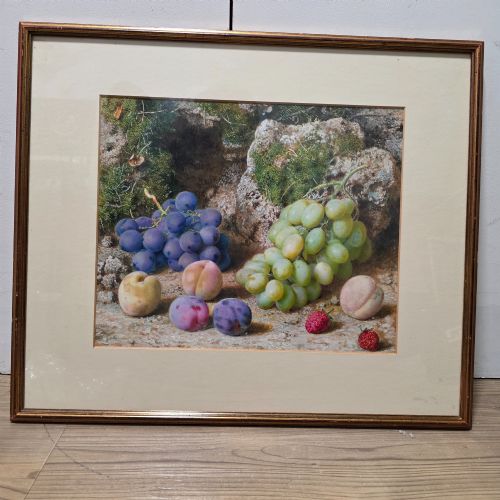
From tropical bird prints to detailed still life paintings of mossy banks and primroses, the focus remains firmly on British and exotic wildlife.
How do I identify different frame types?
Frames vary from simple oak mouldings to burr maple veneers and ebonised finishes paired with deep giltwood mounts. Each style was chosen to complement the tone of the artwork within.
Period framing often shows subtle signs of age in the wood and gilding, which adds to the historic character of the piece.