


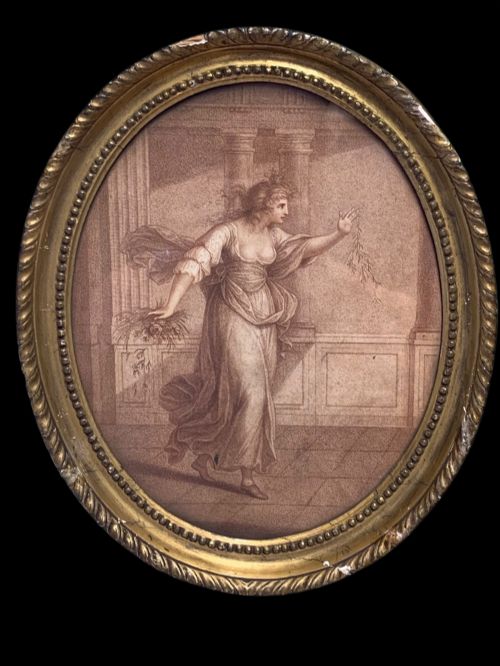
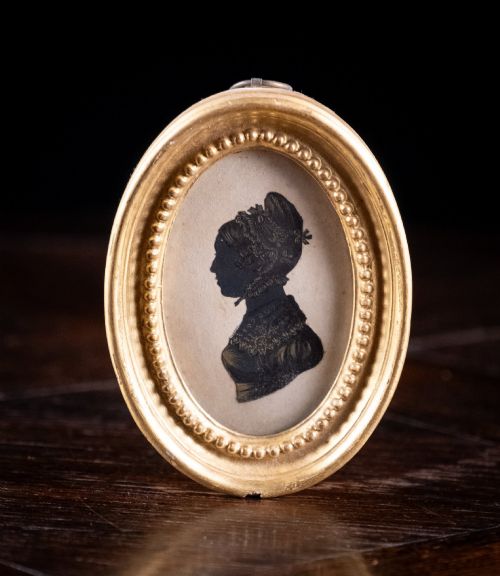
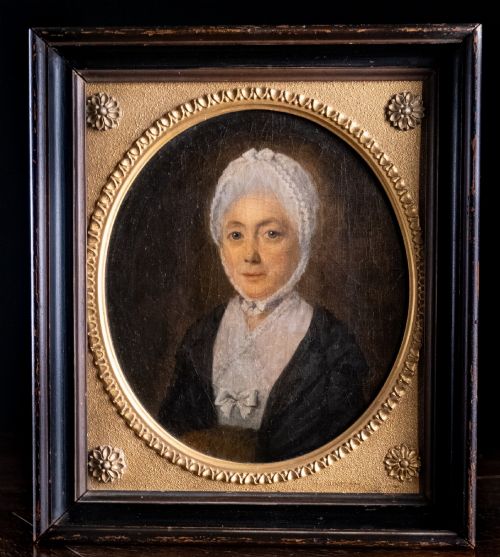
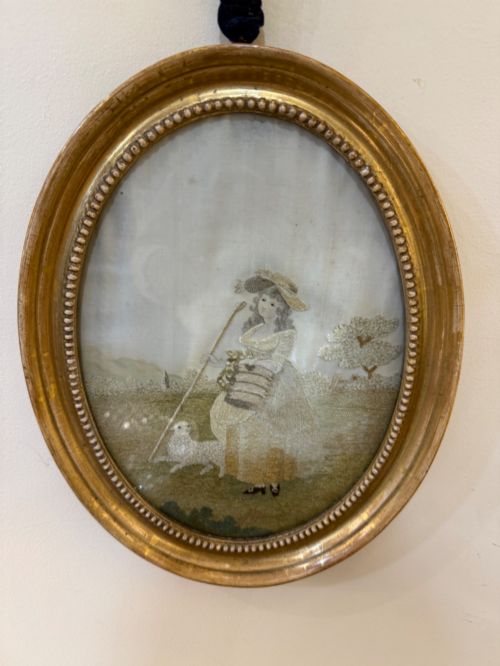
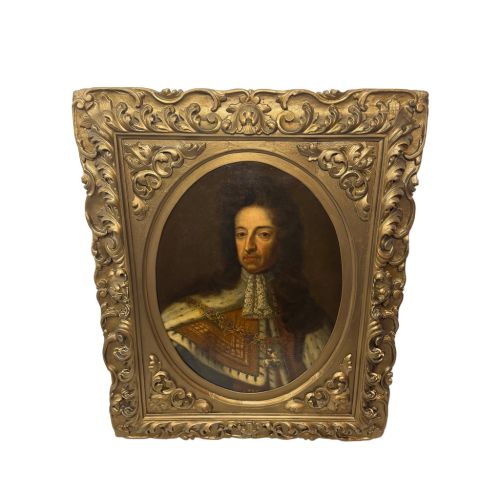
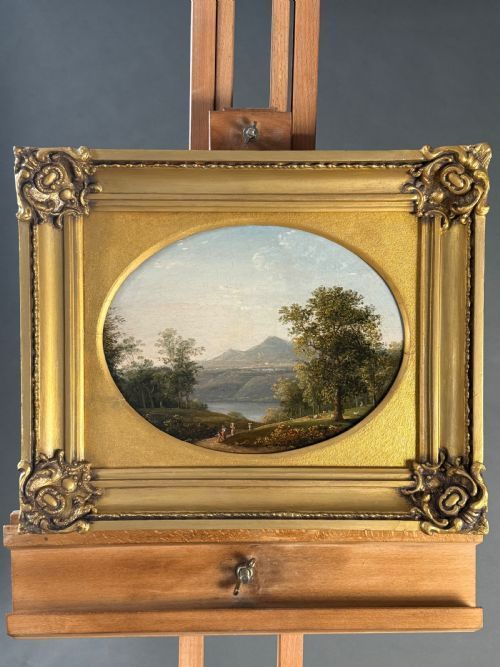
Gold Oval Framed Artwork
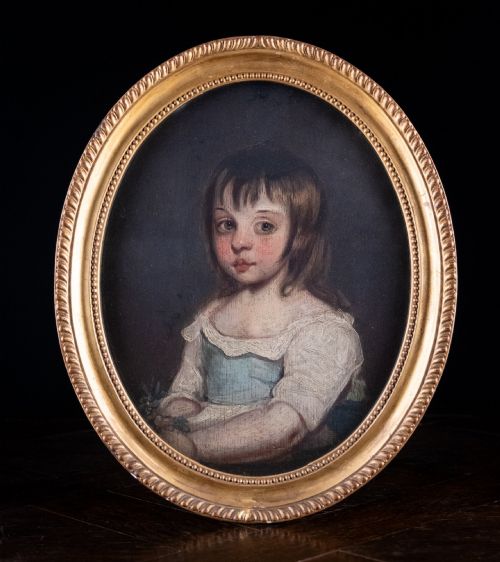
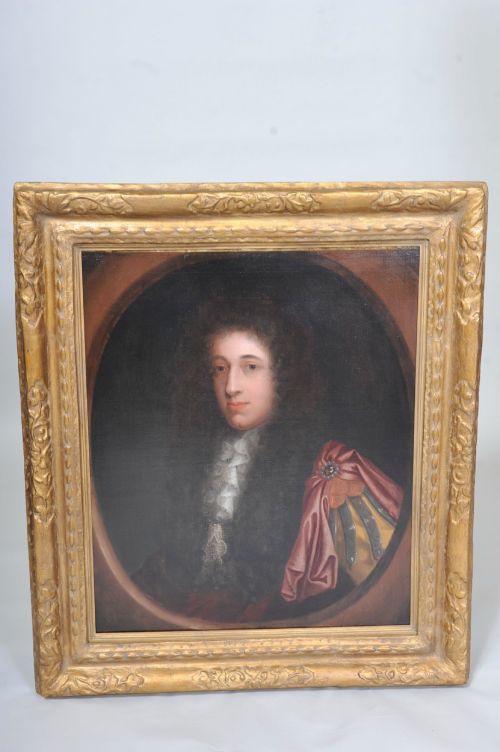
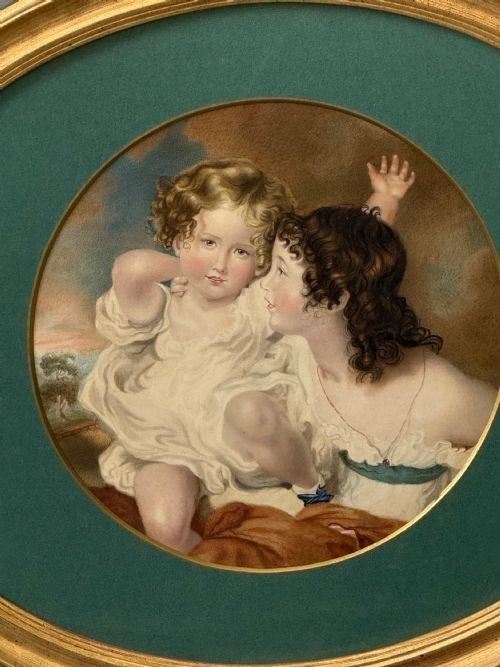
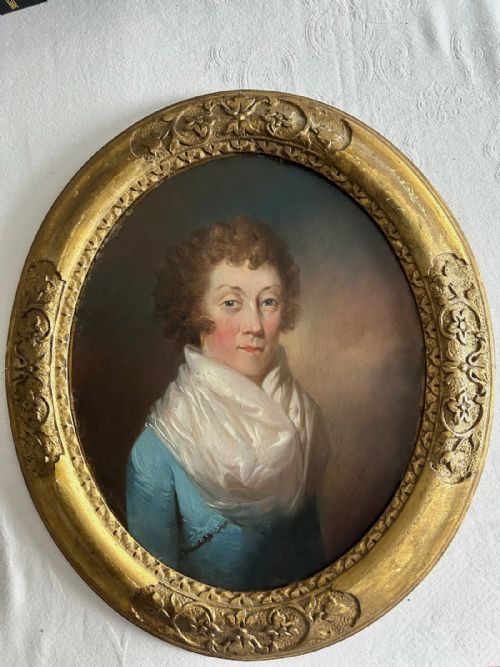
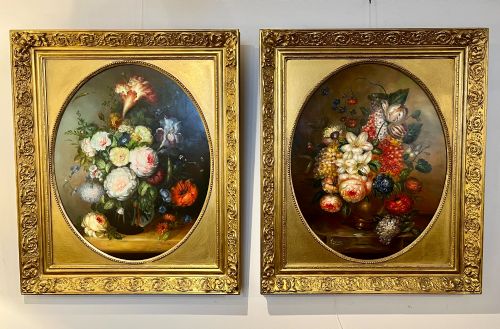
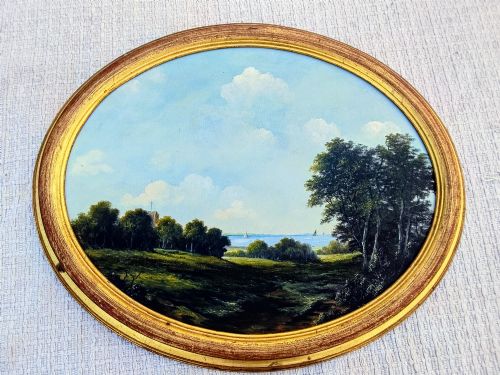
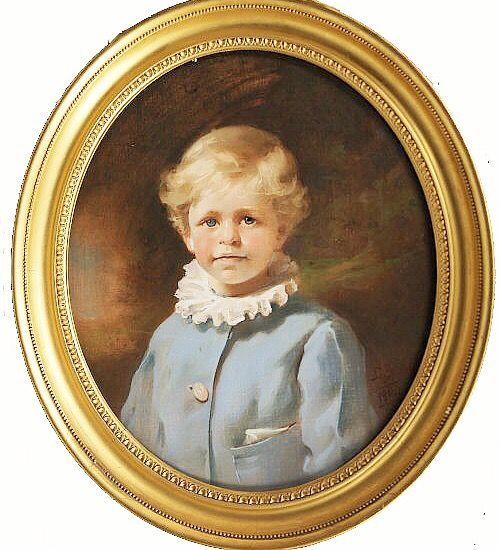
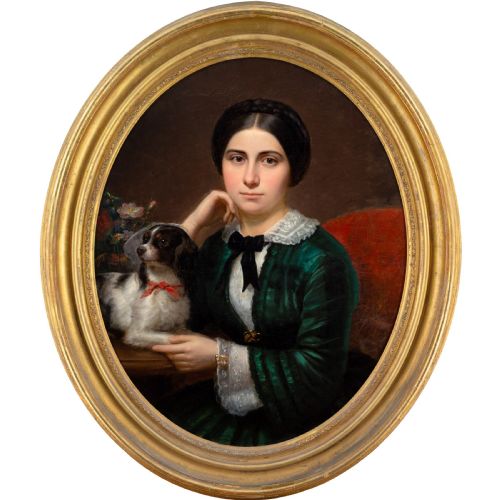
Gold oval framed artwork comprises historical portraits and landscapes enclosed in curved, gilded surrounds, offering collectors intimate glimpses into past centuries.
Gold Oval Framed Artwork
Gold oval framed artwork spans portrait miniatures, oil paintings, watercolours, and prints spanning the seventeenth to the twentieth centuries. These pieces display subjects ranging from nobility and children to landscapes and seascapes.
The version most commonly encountered on this page is the nineteenth-century portrait, often executed in oil on canvas or watercolour on paper. Georgian and Regency examples also appear frequently, alongside Victorian and Edwardian framed prints.
Originating across Britain, Europe, and India, these works reflect diverse regional schools, including seventeenth-century Dutch circles and eighteenth-century English portraiture. The shared characteristic remains the curved profile of the frame enclosing the historic imagery.
Materials and technique
Makers utilised oil on canvas, watercolour, pastel, and silk, applying pigments to paper, card, wood, or glass. The underlying supports often determine whether a piece requires glass protection.
Frames are constructed from wood finished with giltwood, gold leaf, or gilded silhouettes. Artisans carved or moulded the wooden surrounds to achieve the characteristic curved profiles.
Techniques range from detailed miniature painting to stipple engraving and print reproduction. Hand-painted works on canvas and paper sit alongside glazed portrait prints from later periods.
Gold Oval Framed Artwork Retail Price Guide 2026
Typical asking prices for gold oval framed artwork among the pieces listed under this phrase on Sellingantiques today, from the lower quarter to the upper quarter. They describe what is for sale here now, not the wider market.
Listings feature works from the seventeenth, eighteenth, nineteenth, and early twentieth centuries, utilising oil, watercolour, pastel, and print mediums.
Quality variations
The refinement of the handwork distinguishes the upper tier from standard examples. Finely executed brushwork in oil portraits or delicate watercolour detailing demonstrates superior skill.
The integration between the artwork and its surround affects overall cohesion. Original frames matching the period of the painting carry greater authority than later replacements.
The condition of the surface media, whether oil pigment, paper, or silk, influences preservation. Intact gilding on the wooden frame without extensive restoration preserves the historical integrity.
Dumini Leopoldo·Leon Sprinck·Jacob Philipp Hackert·John Russell R.A.·Pieter Borseler·Joseph Vivienne·Jeremiah Davison·Louis Icart·Allan Ramsay·Arthur William Devis·J Bizo
The Gold Oval Framed Artwork Glossary
- Giltwood
- Wood carved and coated with gold leaf or a gold-coloured finish. This material defines the lustrous borders surrounding many historical portraits.
- Portrait miniature
- A small, highly detailed painting on ivory, vellum, card, or copper. These intimate objects often served as portable tokens of affection.
- Stipple engraving
- A printmaking technique using dots to create tonal gradations and subtle shadows. It produces softer transitions than traditional line etching.
- Gilded silhouette
- A profile portrait cut from paper and highlighted with gold leaf. These monochrome likenesses gained popularity during the Georgian and Regency eras.
- Oil on canvas
- Pigments bound in oil applied to a woven fabric support. This medium allows for rich colour depth and lasting durability.
Gold Oval Framed Artwork: Frequently Asked Questions
How do I date an oval portrait?
Clothing styles, hairstyles, and framing materials offer the primary clues for dating historical portraits. Examining the costume details often narrows the creation period down to a specific decade.
The backing materials and stretcher construction provide further evidence. Handwritten notes or signatures on the reverse occasionally confirm the exact year or artist.
Where should I hang these pieces?
These works suit smaller wall spaces, hallways, or grouped arrangements in a gallery style. Their curved shapes create visual contrast against rectangular furniture and architectural mouldings.
Direct sunlight and damp environments should be avoided to protect delicate watercolours, silk, and gilt surfaces. Stable indoor humidity preserves both the canvas and the wooden frame.
Are the frames usually original?
Many pieces retain frames contemporary to the artwork, while others have been paired with suitable surrounds over the centuries. Matching the wood type and wear patterns helps determine if the pairing is period-correct.
Gilded wooden frames often show age-appropriate craquelure and oxidation that align with the era of the painting.
What subjects appear most often?
Portraits of individuals dominate the selection, ranging from named historical figures to anonymous gentlemen and ladies. Children, nobility, and military officers frequently form the central subjects.
Landscapes, pastoral scenes, and religious compositions also appear, particularly in eighteenth-century Grand Tour paintings and nineteenth-century watercolours.