
Blue Dress Portrait Painting
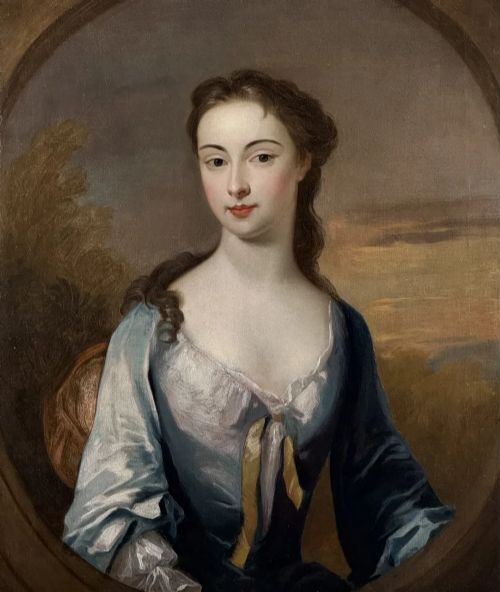
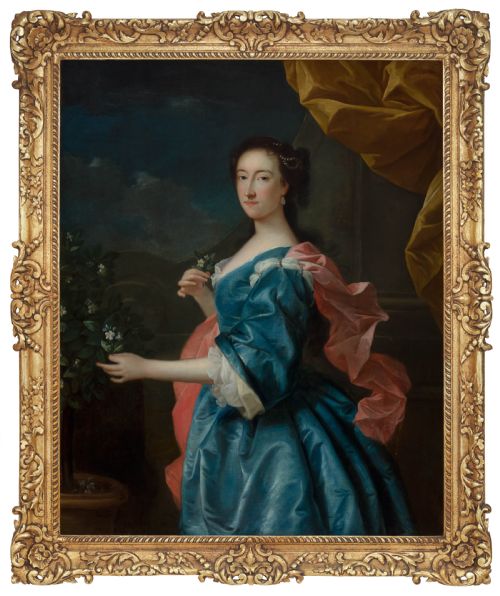
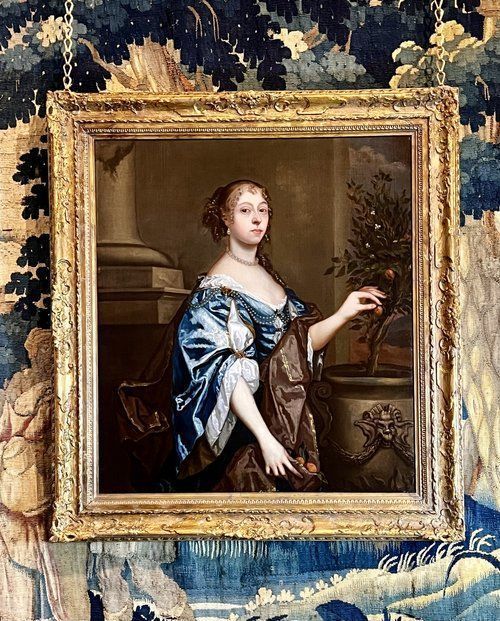
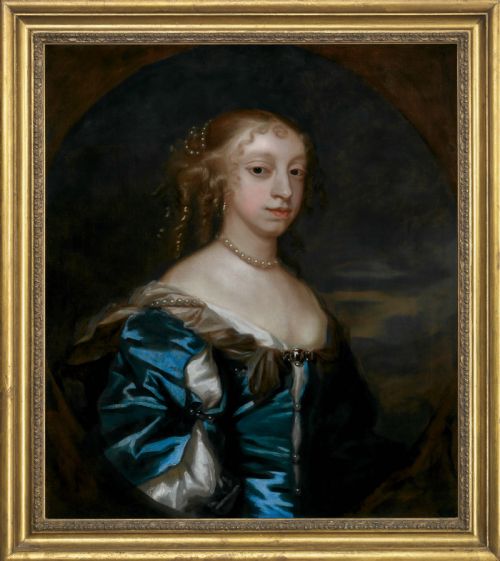
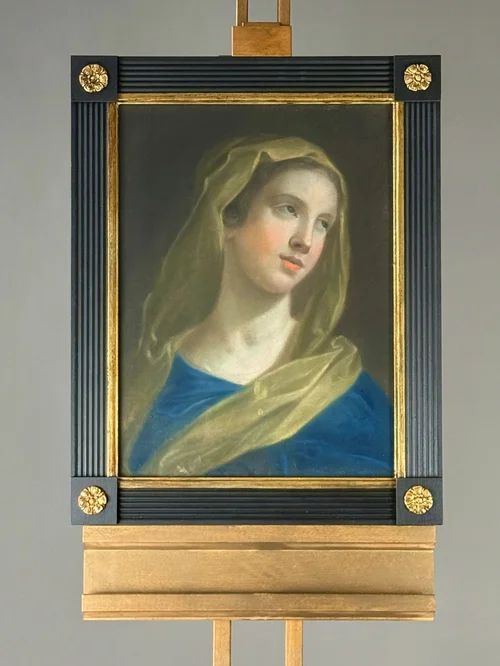
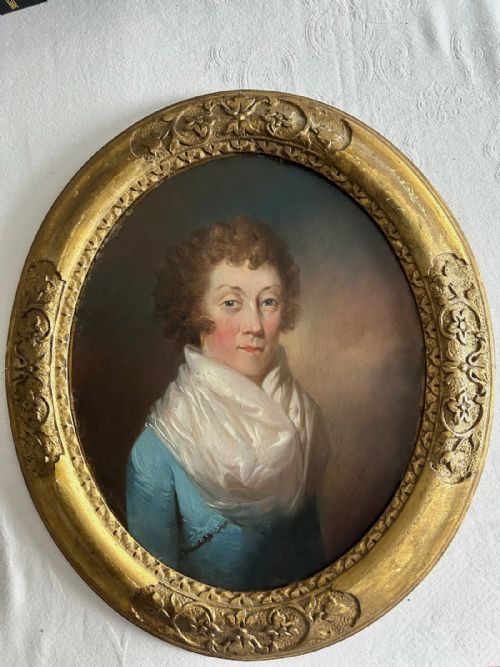
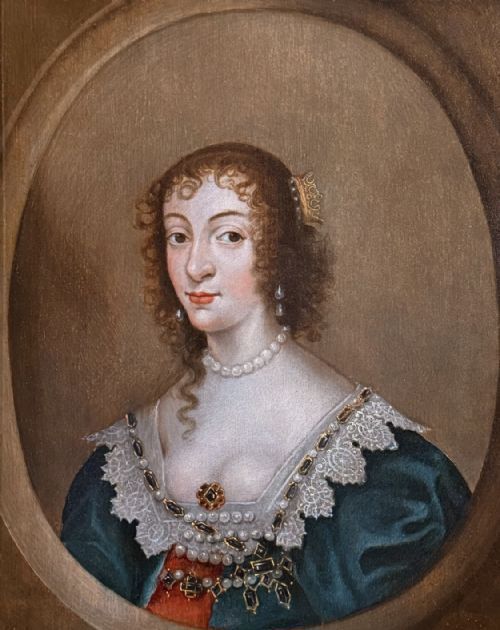
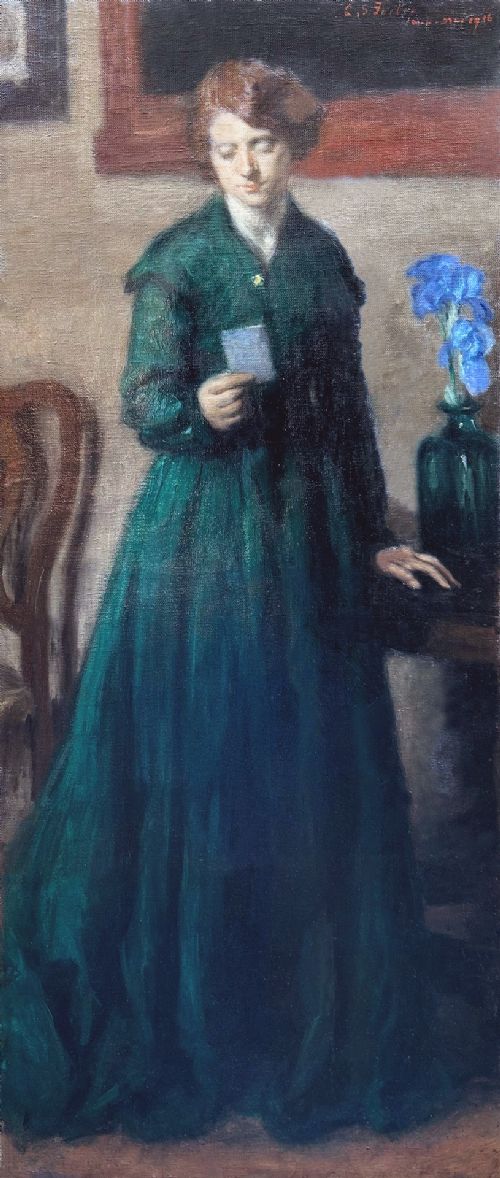
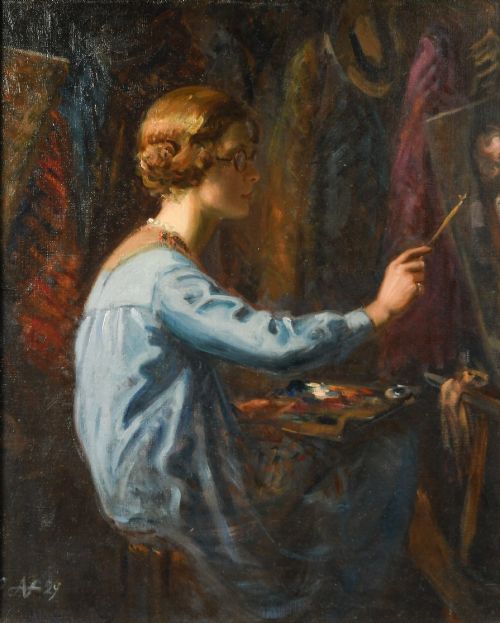
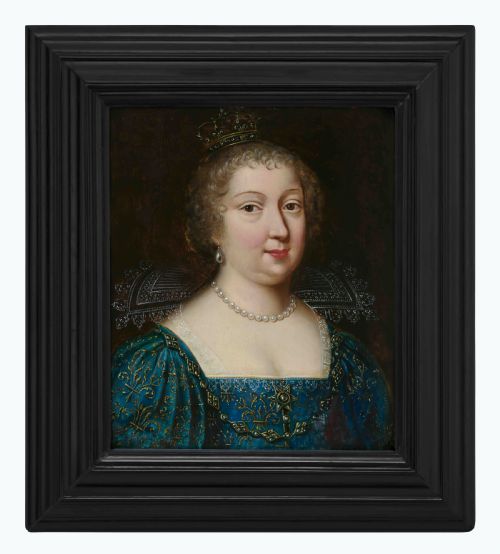
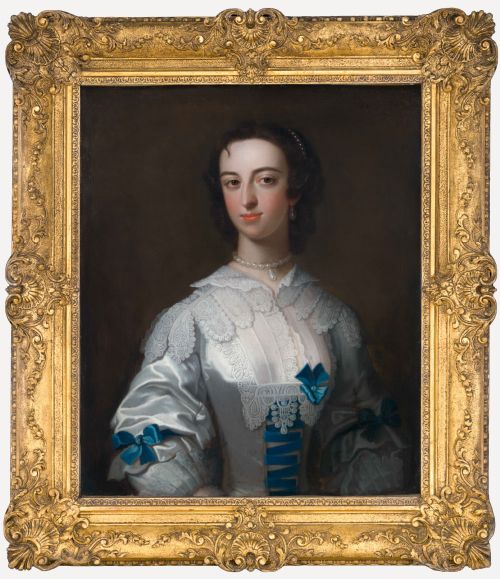
When you search for a blue dress portrait painting, you seek the enduring appeal of historical portraiture rendered with distinctive blue garments.
What They Are
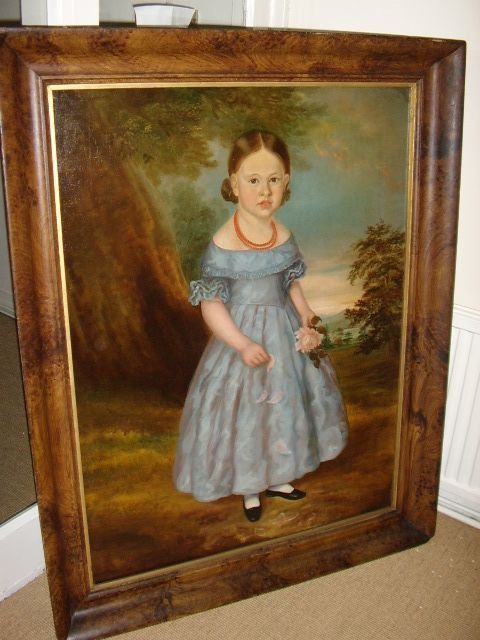
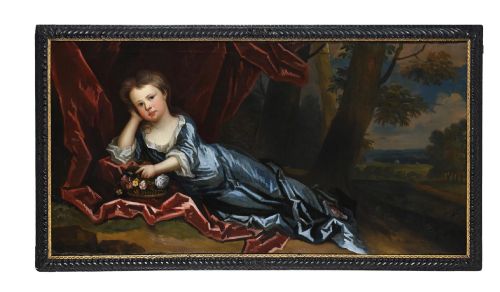
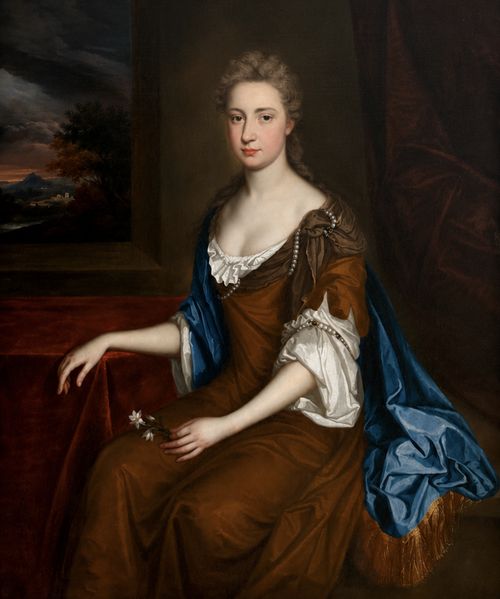
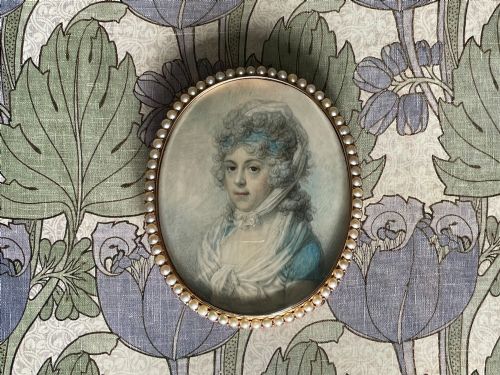
A blue dress portrait painting depicts sitters from periods ranging from the late seventeenth century through the Regency era and into the twentieth century, capturing subjects in formal attire or informal mantles. You will find works originating from the English School, along with pieces influenced by continental traditions.
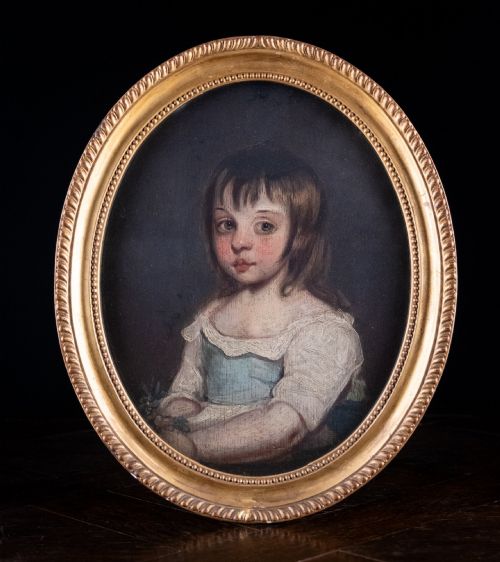
The subjects span from named historical figures and nobility to anonymous sitters, young girls, and gentlemen wearing blue cloaks or drapery. Formats include large oil paintings on canvas, smaller watercolour paintings, and works executed on zinc panels.
Many examples emerge from the Georgian and Victorian periods, reflecting shifting conventions in portraiture from courtly mantle depictions to domestic representations.
How They Were Made
Makers utilised oil paint and watercolour on grounds such as prepared canvas, timber panels, and zinc plates. Canvases were typically stretched over wooden frames and secured with traditional fastenings.
Framing materials include carved giltwood, ebonised surrounds, and stepped oak frames often accompanied by historical presentation plaques. Pigments were applied using layered brushwork to build the depth of fabrics like silk and velvet.
Retail Price Guide 2026
Typical UK retail prices for blue dress portrait painting, calculated from the Sellingantiques database of over a million retail prices indexed since 2003. This retail price guide relies exclusively on Sellingantiques data; no external sources or auction records are used, so the figures do not describe the wider market.
Materials recorded across the archive include oil on canvas, watercolour, zinc panels, timber, oak, and giltwood frames.
What Varies in Quality
The distinction in a blue dress portrait painting lies in the handling of fabric folds, light play on silk and mantle drapery, and the anatomical precision of the sitter's hands and face. Master painters rendered textiles with convincing weight and luminosity, whereas naive or folk art examples demonstrate simpler proportions and direct brushwork.
Conservation history and the original state of the canvas or zinc support influence the overall integrity of the piece. Surviving frames, particularly period giltwood or inscribed oak settings, add contextual value to the artwork.
Kershaw Schofield·Enoch Seeman the Younger·Jonathan Richardson the Elder·Thomas Murray·Michael Dahl·Herman Verelst·Charles Jervas·Henry Pickering·Mary Beale·Vincent Galloway
The Blue Dress Portrait Painting Glossary
- Oil on Canvas
- A traditional painting medium where oil-based paints are applied to a woven fabric support stretched across a wooden frame. This combination allows for rich blending of colours and durable longevity.
- Giltwood
- Timber that has been coated with a thin layer of gold leaf or gold paint. It was commonly utilised for ornate picture frames during the Georgian and Regency periods.
- Mantles and Drapery
- Fabric garments or cloaks arranged around the sitter's shoulders in formal portraiture. Artists employed these elements to introduce colour contrast and classical movement.
- Zinc Panel
- A flat sheet of zinc metal utilised as a rigid support for oil paintings during the nineteenth century. It provided a smooth, stable surface alternative to canvas.
- English School
- A classification applied to works produced by artists trained or working within England during specific historical periods. It encompasses diverse stylistic developments from court portraiture to provincial output.
Frequently Asked Questions
How do I identify the period of a portrait?
Examine the cut of the clothing, the hairstyle of the sitter, and the style of the frame. Portrait conventions changed distinctly from seventeenth-century mantles to nineteenth-century domestic attire.
Material supports also offer clues, as zinc panels and specific canvas preparations align with particular manufacturing eras.
Are all these paintings by named artists?
Many surviving portraits are attributed to the English School or remain anonymous folk art pieces without recorded maker details. When signatures or inscriptions are present, they provide direct attribution to historical painters.
Archival records also link certain works to specific studio circles or followers of prominent portraitists.
How should I care for an oil painting on canvas?
Keep the artwork away from direct sunlight, extreme temperature fluctuations, and high humidity to protect the canvas and paint layers. Dust the surface gently with a soft, dry brush without applying liquid cleaners.
Ensure the hanging environment is stable and consult a professional conservator for any structural repairs to the frame or canvas.