


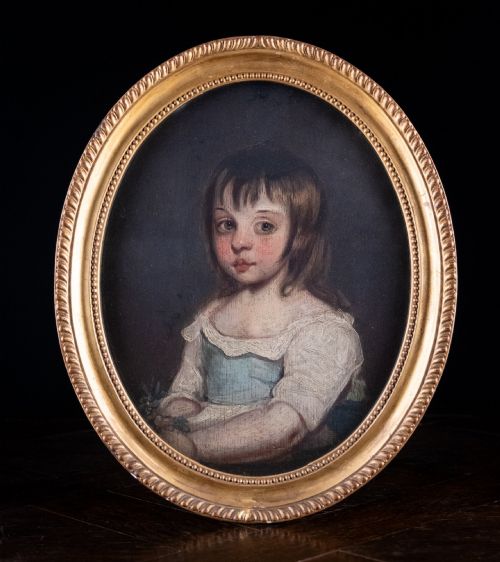
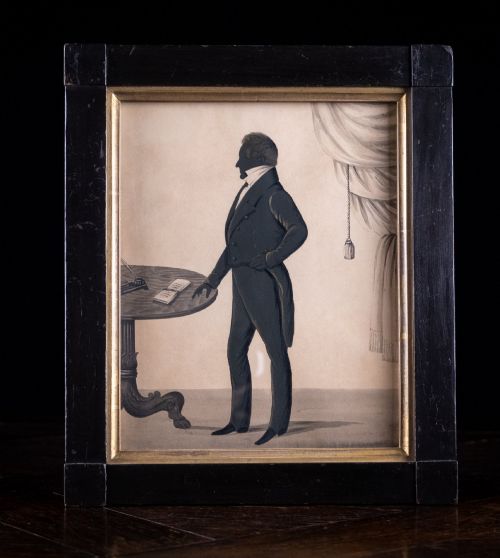
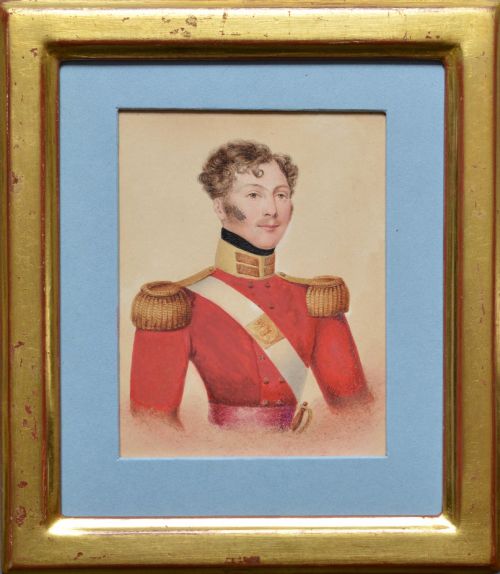
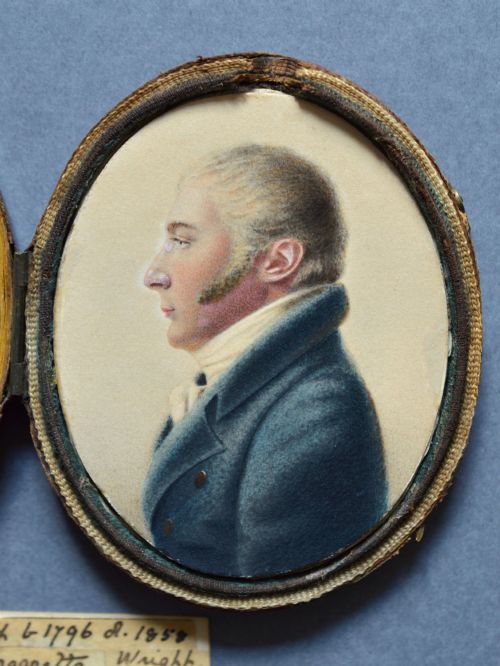
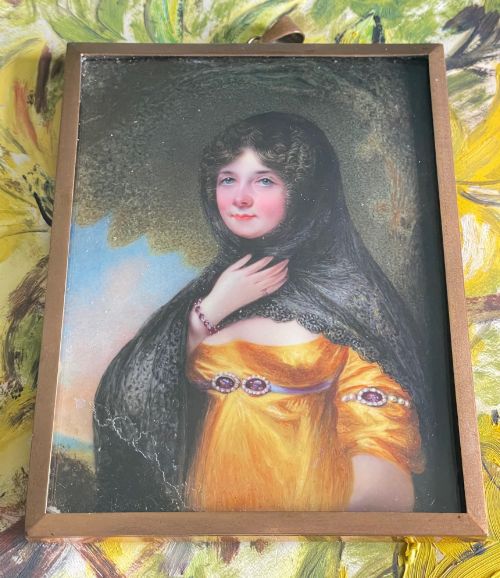
Framed Miniature Portrait
A framed miniature portrait offers an intimate glimpse into past lives, capturing faces on delicate scales within decorative surrounds.
Understanding the Framed Miniature Portrait
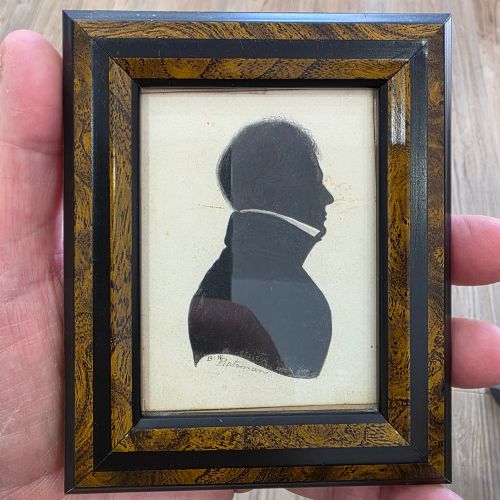
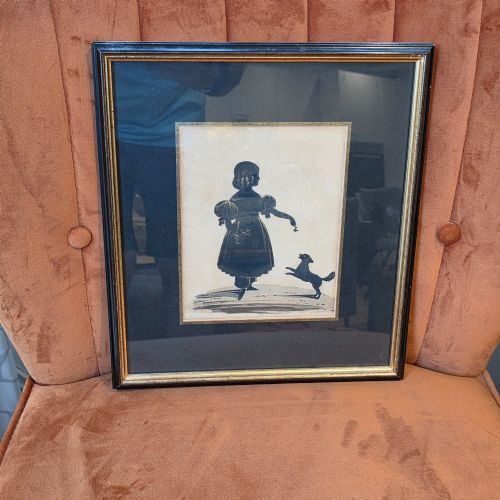
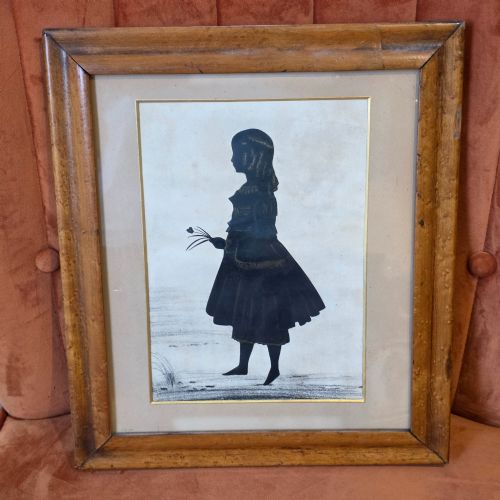
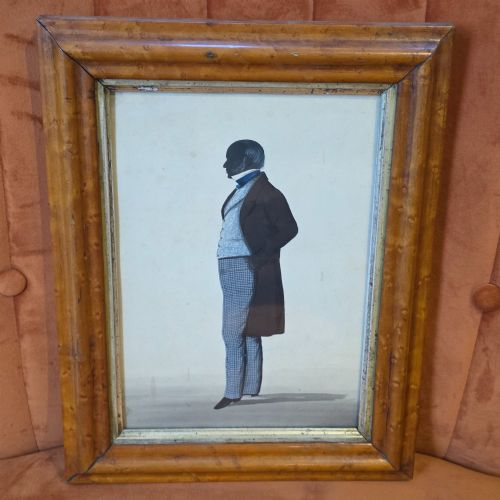
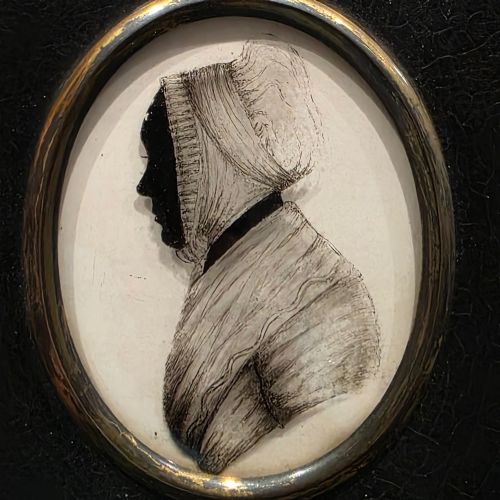
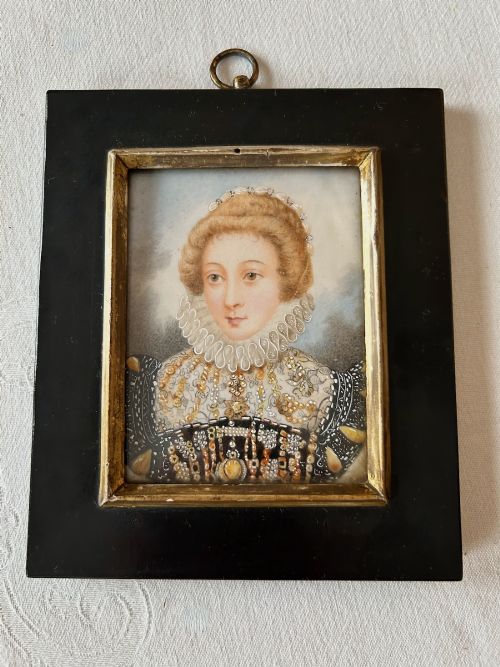
A framed miniature portrait represents small-scale likenesses produced across the Georgian, Regency, and Victorian periods. These pieces include watercolour, gouache, and pastel paintings, alongside gilded silhouettes.
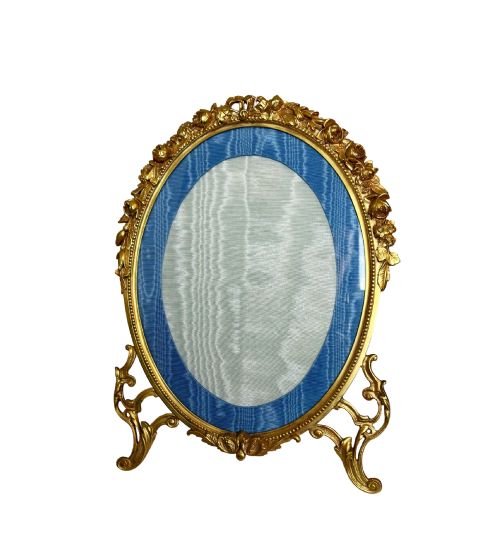
Buyers frequently encounter works executed on paper, ivory, and ivorine, housed within distinct surrounds such as burr wood, birds eye maple, brass, rosewood, and papier-mache frames. Many date from the early nineteenth century onwards.
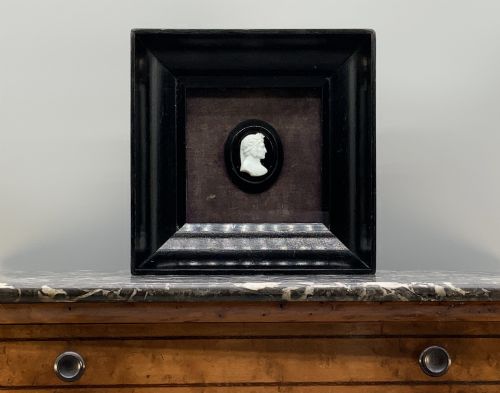
Examples range from single studies of ladies and children to pairs and sets originating from British and French makers. Subjects often reflect neoclassical influences or reproduce larger oil paintings.
Materials and Construction
Artists utilised watercolour, gouache, and pastel pigments applied to paper, ivory, or ivorine surfaces to achieve fine detail. Hand-coloured finishes and signed works demonstrate the precise hand of the painter.
Surrounds incorporate diverse materials including brass, glass, metal, and mother of pearl. Woods such as burr wood, birds eye maple, and rosewood form distinctive protective housings, often complemented by gilded elements.
Retail Price Guide 2026
Typical UK retail prices for framed miniature portrait, calculated from the Sellingantiques database of over a million retail prices indexed since 2003. This retail price guide relies exclusively on Sellingantiques data; no external sources or auction records are used, so the figures do not describe the wider market.
Materials recorded across the inventory include burr wood, birds eye maple, ivory, ivorine, mother of pearl, and brass.
Markers of Quality
Finer examples distinguish themselves through the precision of the brushwork and the psychological depth of the facial expression. Superior portraits capture character and texture with remarkable economy of scale.
The housing contributes substantially to the overall character, with dense burr wood, matched grain birds eye maple, and chased brass surrounds indicating higher original expenditure. Signed works and annotated reverses provide documented context that elevates interest.
J Deacon·Elisabeth Vigee Le Brun
The Framed Miniature Portrait Glossary
- Ivorine
- A synthetic material developed as a substitute for natural ivory to support miniature painting.
- Gouache
- An opaque watercolour paint that dries to a matte finish, allowing for dense colour application.
- Silhouette
- A portrait rendered as a solid shape, usually in profile, often enhanced with gilt highlights.
- Regency
- An English stylistic period spanning the early nineteenth century, noted for classical elegance.
- Gilt
- Covered thinly with gold leaf or gold paint, frequently seen on inner bezels and frames.
Frequently Asked Questions
What periods do these miniature portraits date from?
The pieces span the late eighteenth century through the Georgian, Regency, and Victorian eras.
Most examples encountered date from the nineteenth century, including specific works from the eighteen-teens and eighteen-fifties.
What materials were used for the frames?
Frames utilise a variety of traditional materials, notably burr wood, birds eye maple, rosewood, and papier-mache.
Many incorporate brass bezels, glass covers, and mother of pearl inlay to protect and enhance the artwork.
Are these portraits signed by artists?
Certain pieces bear artist signatures or contemporary annotations to the rear providing dates of purchase.
Other works are after notable oil paintings, such as famous compositions hanging in the Louvre.
How should I display them at home?
Their compact size makes them suitable for grouping together on walls or displaying on small easels.
Position them away from direct sunlight to protect delicate watercolour and pastel pigments from fading.