

Brown Wood Portrait Frame
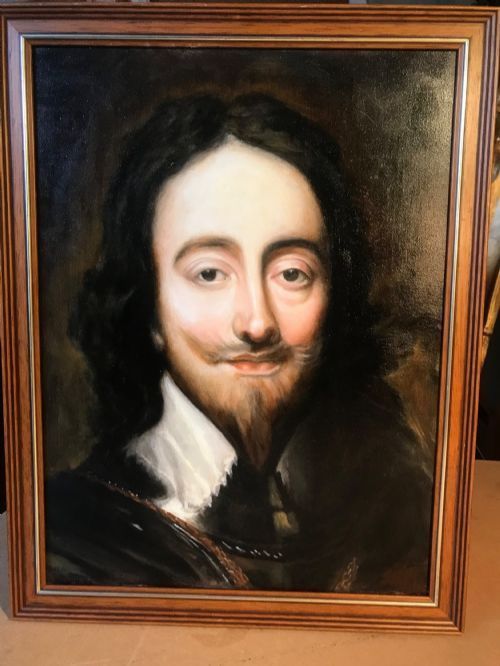
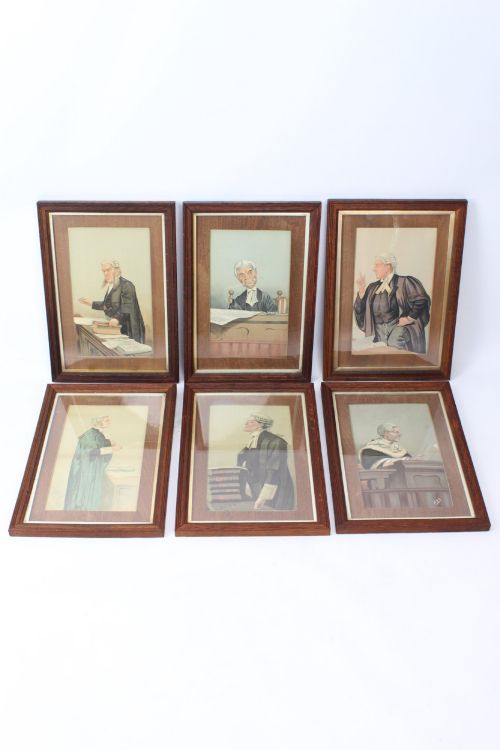
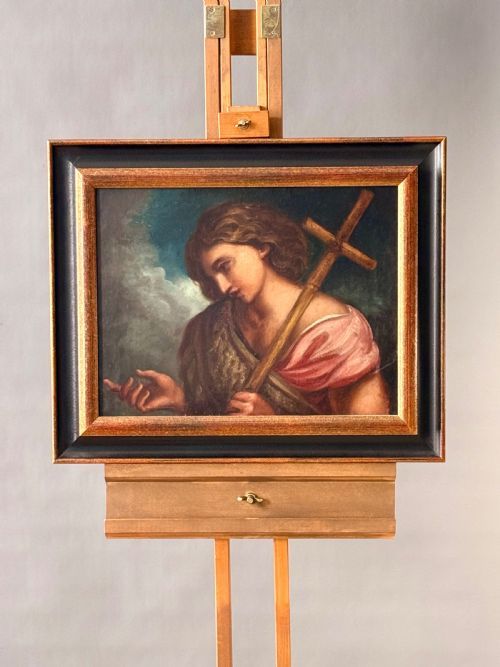
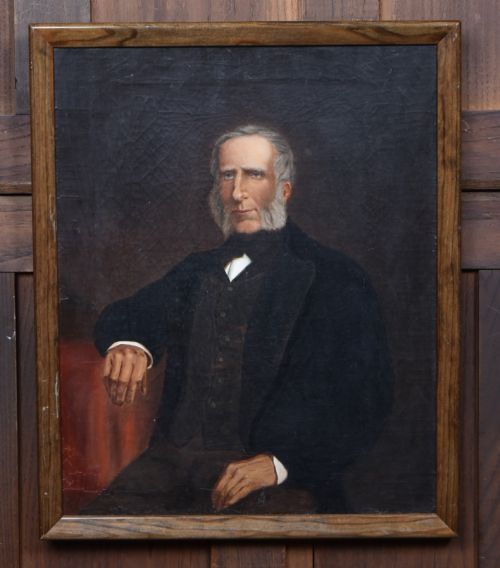
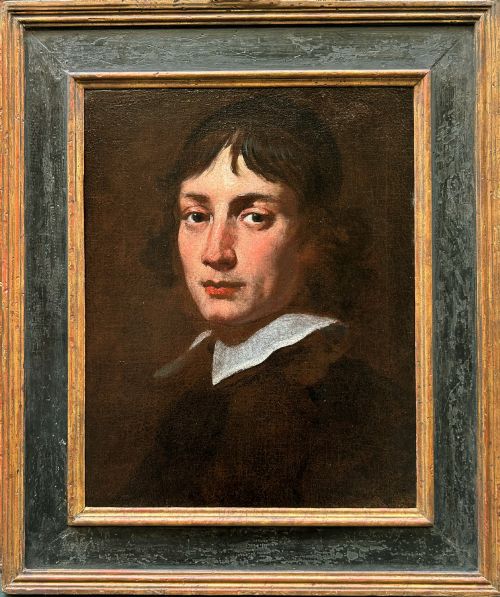
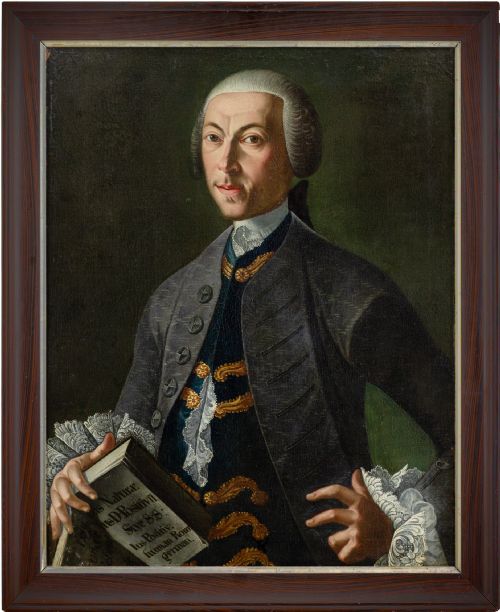
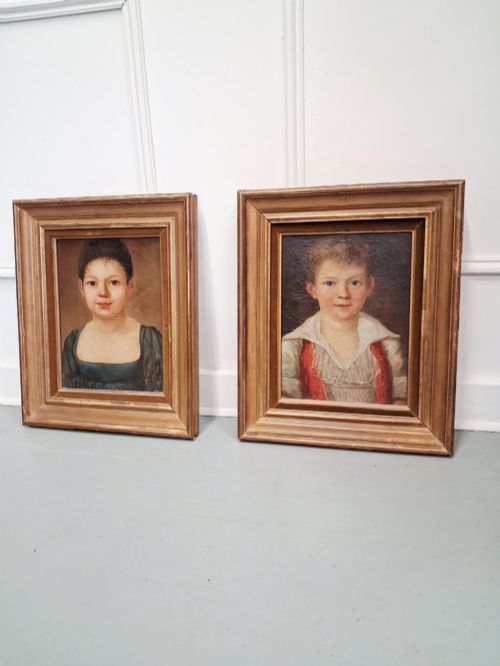
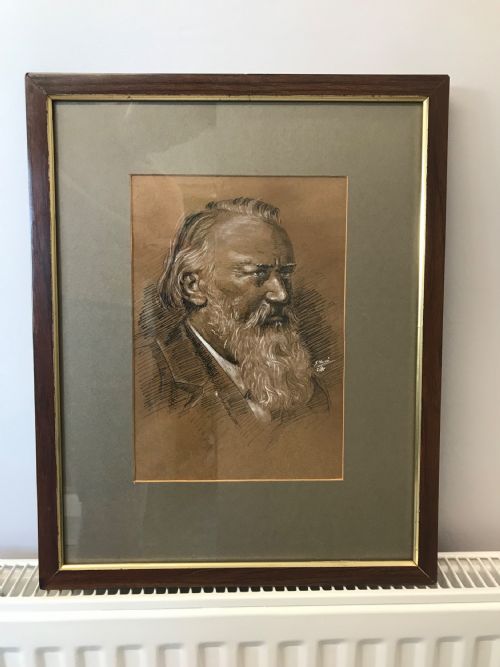
A brown wood portrait frame holds paintings, watercolours, and prints spanning centuries from the seventeenth to the mid-twentieth.
Brown Wood Portrait Frame
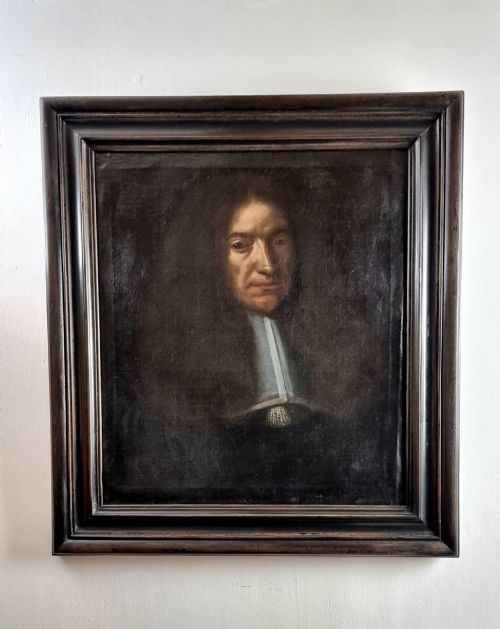
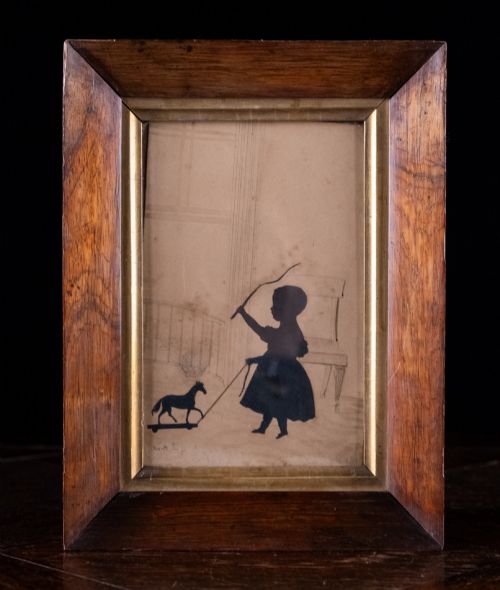
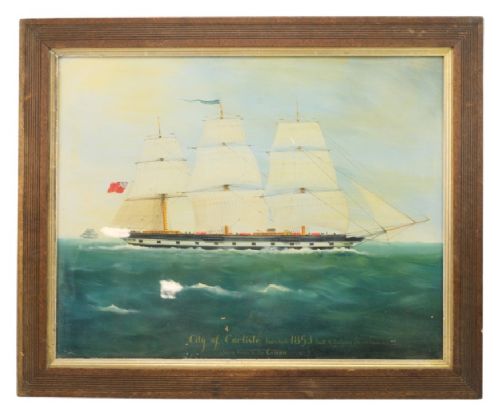
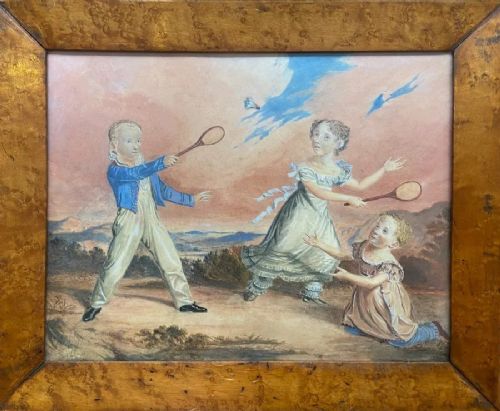
Buyers seeking a brown wood portrait frame encounter a diverse selection of artworks primarily consisting of oil paintings, watercolours, prints, and drawings housed within wooden surrounds. These pieces range from seventeenth-century Dutch and French portraits to Victorian animal studies, Edwardian depictions, and mid-twentieth-century works.
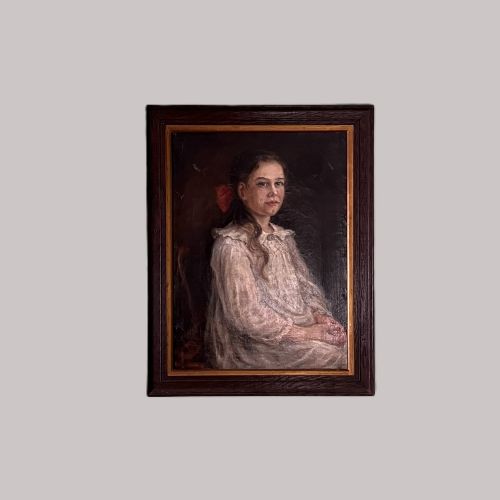
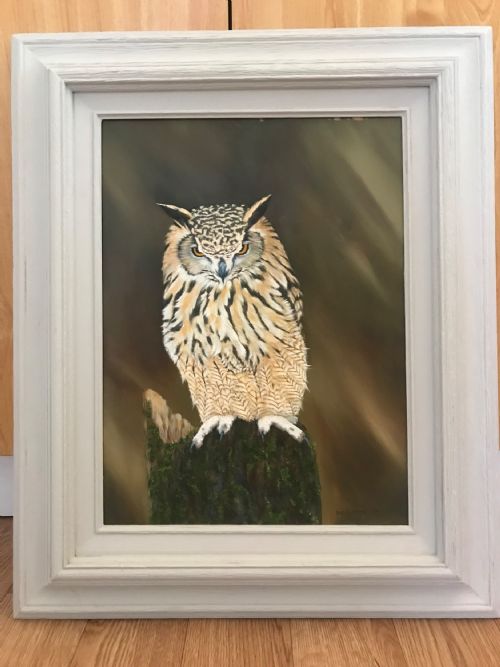
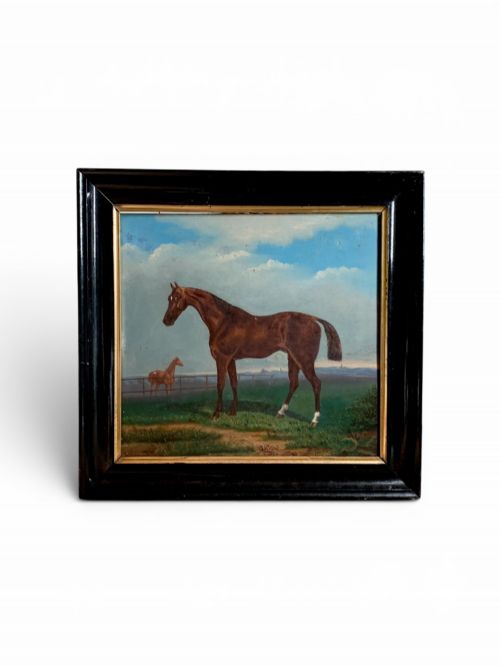
The assortment on this page includes depictions of gentlemen, children, judges, musicians, soldiers, and animals such as dogs and birds, reflecting portraiture across multiple eras. The wooden elements serve to enclose these historic visual representations, which span Georgian, Regency, Baroque, and nineteenth-century styles.
Most items combine timber surrounds with canvas, paper, or panel supports, often accompanied by glass or gold leaf details. The historical scope covers specific dates and broader periods including the 17th Century, 18th Century, 19th Century, Edwardian, and 1930.
Materials and construction methods
The physical objects rely on wood as the primary structural material for the enclosing surrounds, paired with canvas, wood panel, and paper as supports for the visual art. Artisans applied oil paint, watercolour, pen, ink, wash, gouache, and gold leaf to create the portraits and scenes contained within.
Techniques range from oil painting on canvas and panel to watercolour on paper, hand-coloured portrait miniatures, embroidered tapestry, and framed prints. Many pieces utilise traditional framing methods associated with periods from the seventeenth century through to the twentieth century.
Listings feature wood, glass, paper, oil on canvas, gold leaf, and oil paint across periods from the 17th Century to 1960.
Distinctions in quality
Quality varies according to the execution of the artwork itself, the skill evident in the painting or drawing, and the harmony between the image and its wooden surround. Works attributed to specific schools or known artists often display greater refinement in draughtsmanship and material preservation.
The integrity of the wood, the condition of the canvas or panel, and the retention of original media such as oil paint, gold leaf, or watercolour dictate the standing of each piece within its period.
The Brown Wood Portrait Frame Glossary
- Oil painting
- A work created using pigments bound in a drying oil, commonly applied to canvas or wood panel. This technique allows for rich colour depth and blending.
- Watercolour
- A painting method where water-soluble pigments are used on paper, producing transparent layers of colour. It appears frequently in nineteenth-century portraiture.
- Panel
- A flat piece of wood used as a rigid support for paintings, prevalent in earlier centuries before canvas became dominant.
- Gold leaf
- Gold beaten into extremely thin sheets, applied to frames and artworks for decorative enhancement. It provides a reflective metallic finish.
- Miniature
- A small-scale portrait or painting executed with fine detail, often housed in a compact frame.
Brown Wood Portrait Frame: Frequently Asked Questions
What periods do these brown wood portrait frame pieces cover?
The items span multiple centuries, incorporating pieces from the seventeenth, eighteenth, and nineteenth centuries alongside Edwardian, 1930, and 1960 examples.
This broad chronological range reflects various stylistic traditions from Dutch Golden Age influences to Victorian and later artistic practices.
What materials are used in these artworks?
The physical items combine wooden surrounds with supports such as canvas, wood panels, and paper.
Artists utilised oil paint, watercolour, pen and ink, gouache, and gold leaf to render the portraits and scenes.
How can I tell different periods apart?
Periods are identified through the clothing and hairstyles depicted in the portraits, the painting techniques employed, and the framing styles.
Evolving artistic conventions from Baroque and Georgian eras through to Victorian and twentieth-century schools provide distinct visual markers.
What subjects are depicted in these pieces?
The artworks feature human subjects including gentlemen, children, soldiers, musicians, and historical figures, as well as animal studies.
Representations range from formal commissioned portraits to narrative scenes, sporting art, and natural studies.