
Victorian Miniature Portrait
These Victorian miniature portrait works are intimate hand-painted likenesses framed for pocket, desk or wall display.
Victorian Miniature Portrait
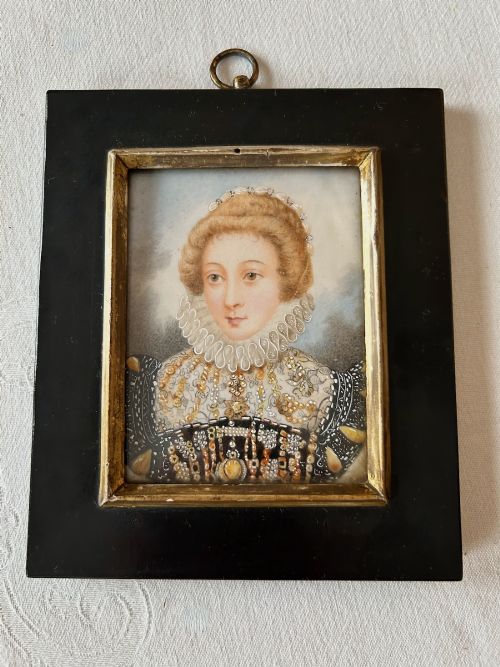
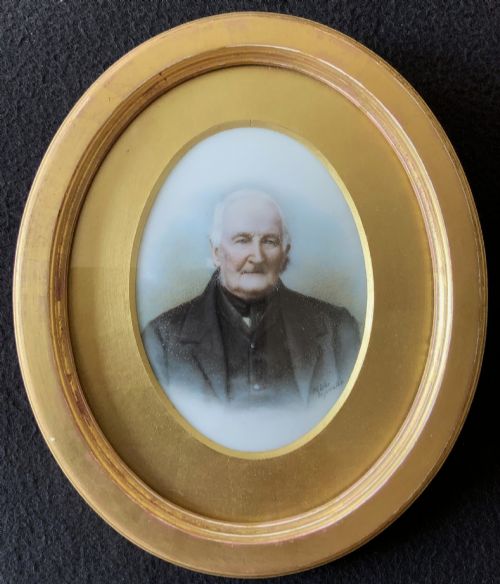
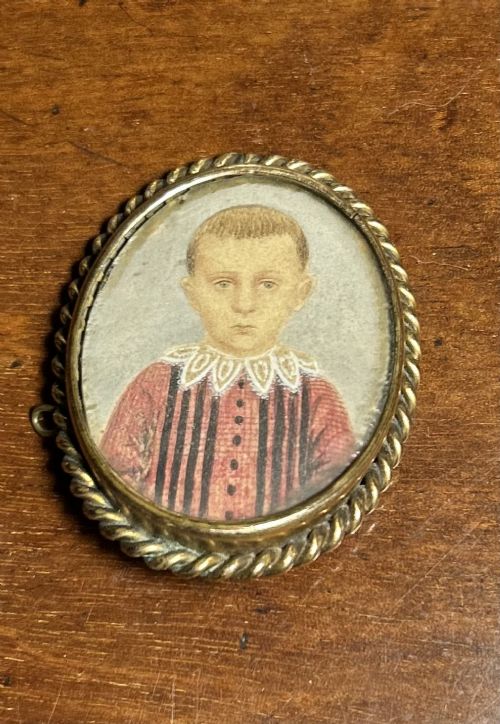
A Victorian miniature portrait captures the likeness of an individual on a very small scale, typically executed during the nineteenth century. These pieces appear as framed works for hanging, housed in protective carrying cases, or mounted as brooches and lockets to be worn close.
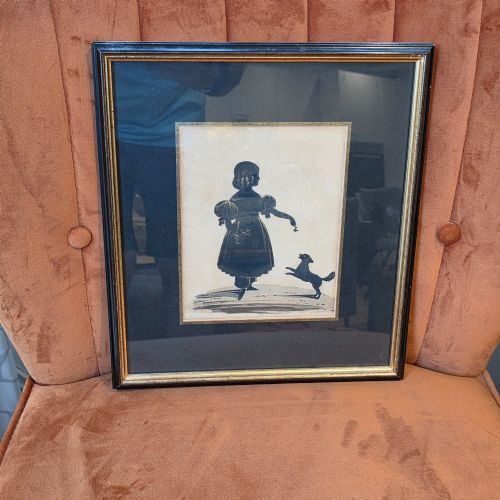
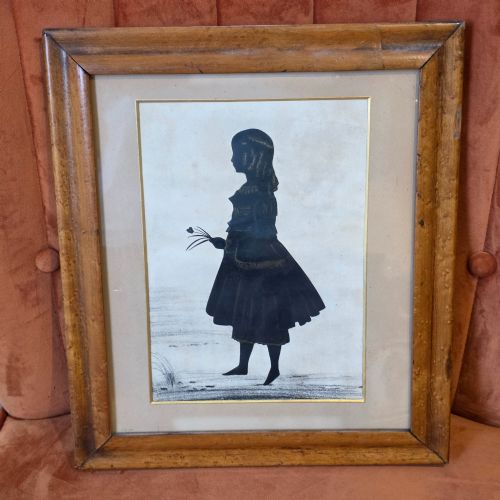
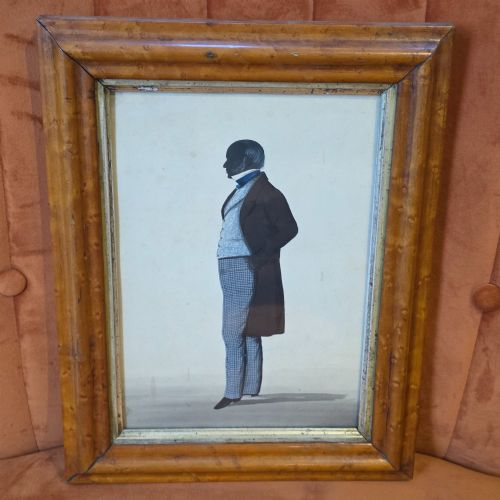
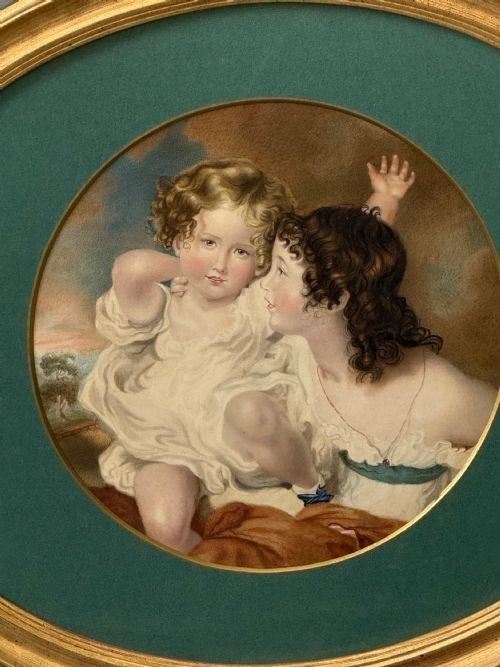
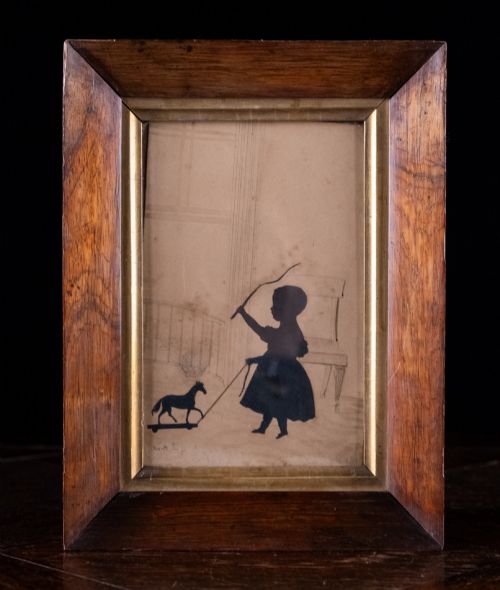
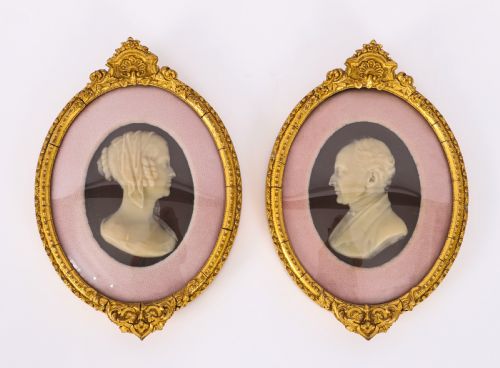
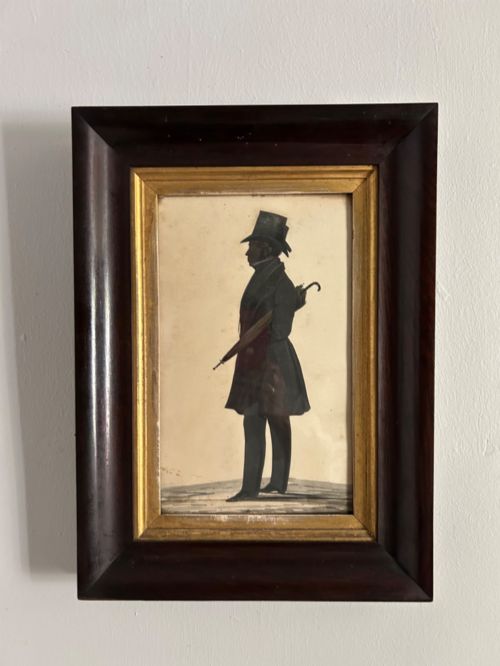
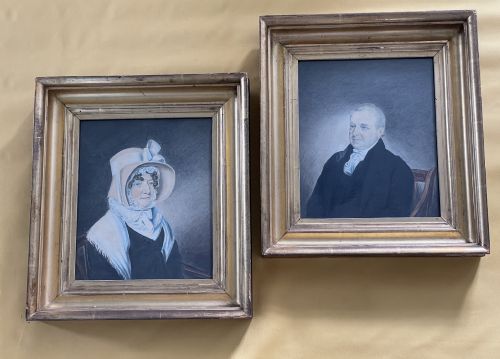
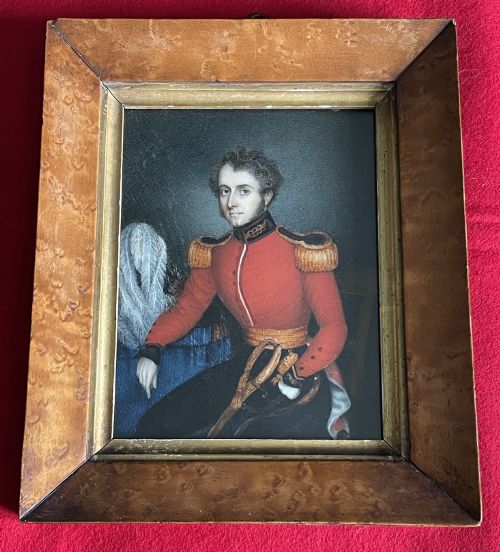
The subjects include young girls, gentlemen, ladies in lace caps, and historical figures such as Lord Byron. Formats range from single head and shoulder profile studies to paired likenesses and sets.
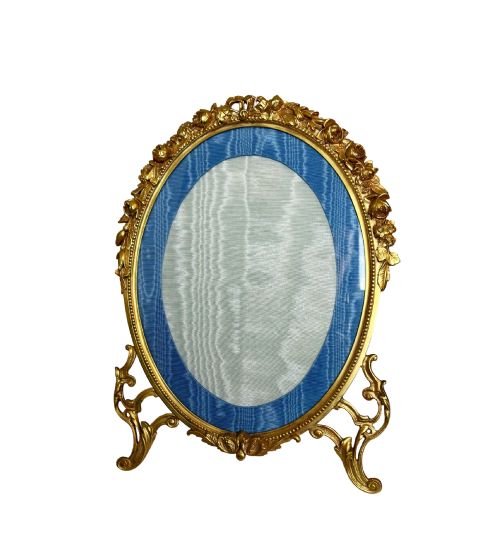
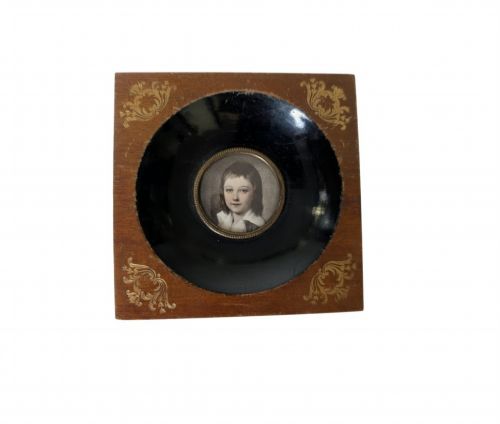
Makers utilised paper, cow bone, and glass as surfaces for watercolours, gouache, oils, pastels, and black silhouettes. Frames and mountings incorporate ebonised wood, birds eye maple, rosewood, brass, silver, ormolu, and paper mache.
Materials and Techniques
Artists applied watercolour, oil, gouache, or pastel pigments onto paper, cow bone, or glass surfaces with fine brushes to achieve minute detail. Black silhouettes were hand painted directly onto glass.
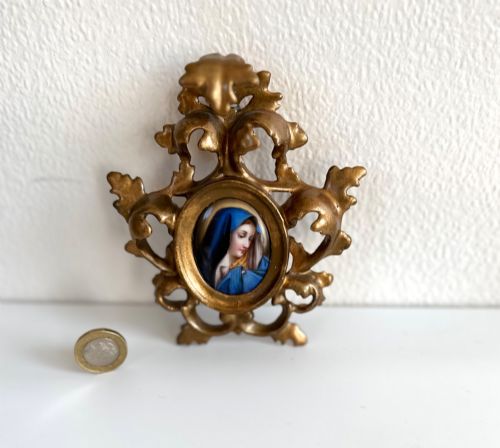
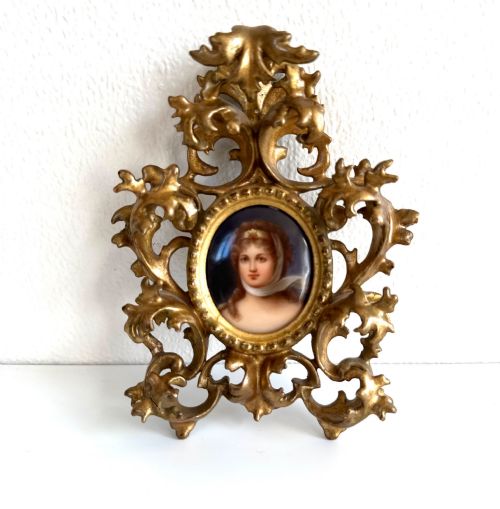
Works received protective housings of glass paired with metal or wooden bezels. Enclosures included ebonised wood frames, birds eye maple, rosewood, paper mache, red leather carrying cases lined with velvet, and silver or ormolu brooch and locket mounts.
Retail Price Guide 2026
Typical UK retail prices for victorian miniature portrait, calculated from the Sellingantiques database of over a million retail prices indexed since 2003. This retail price guide relies exclusively on Sellingantiques data; no external sources or auction records are used, so the figures do not describe the wider market.
One gentleman travels permanently inside a red leather and velvet-lined carrying case secured by two tiny brass hooks.
Factors of Quality
The integrity of the original housing, whether a velvet-lined carrying case, a fitted brass-hooked leather case, or a precious metal brooch mount, contributes to the desirability of the piece.
George Hamilton Barrable·G. Marshall Mather
The Victorian Miniature Portrait Glossary
- Miniature painting
- A small-scale artwork executed with fine detail. These works require magnification to appreciate the delicate brushwork.
- Ebonised wood
- Timber treated to resemble ebony. This dark finish provides a strong contrasting border for nineteenth-century watercolours.
- Brooch mount
- A metal setting fitted with a pin on the reverse. Portrait miniatures mounted this way served as wearable jewellery.
- Mourning portrait
- A commemorative piece often featuring dark attire or associated with remembrance. These items frequently double as swivel brooches or lockets.
- Birds eye maple
- Timber figured with small circular patterns resembling bird's eyes. It was selected for decorative framing.
Frequently Asked Questions
How were these miniatures displayed?
Miniature portraits were designed to be hung on walls in small wooden frames, placed on desks inside leather carrying cases, or worn upon the person as brooches and lockets.
Portable examples allowed owners to keep likenesses of family members or notable figures nearby during travel.
What materials are the paintings on?
Artists painted on various delicate surfaces suited to small-scale work, including fine paper, prepared cow bone, and glass.
Watercolour, oil, gouache, pastel, and dark silhouette pigments were applied to these grounds to build the portrait.
How do I care for a miniature?
Keep these works away from direct sunlight to prevent the watercolour or oil pigments from fading over time. Protect the delicate glass covers and original wooden or metal frames from moisture and physical impact.
Are these portraits signed by artists?
Some pieces bear signature inscriptions or are attributed to documented artists and painters working during the nineteenth century. Many surviving miniatures remain unsigned by their creators.