
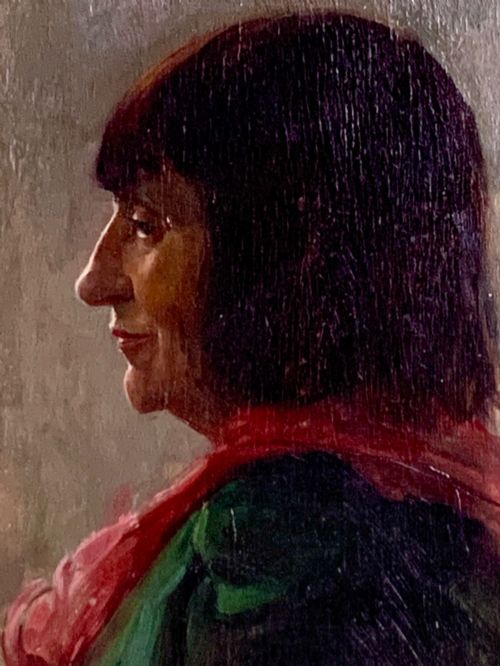
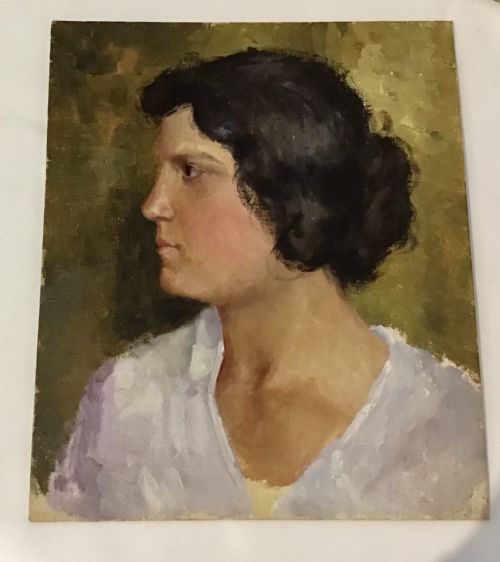


Antique Female Profile Painting
An antique female profile painting captures the quiet dignity of a sitter turned sideways, offering an intimate glimpse into past lives through delicate brushwork or silhouette.
Antique Female Profile Painting
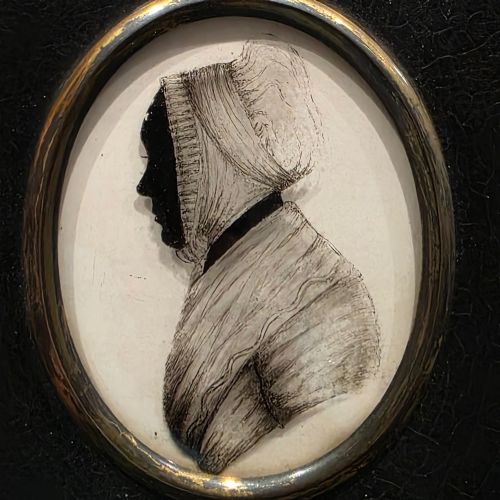
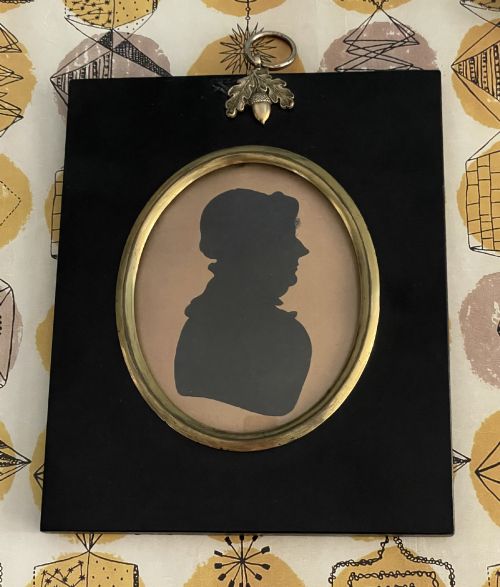
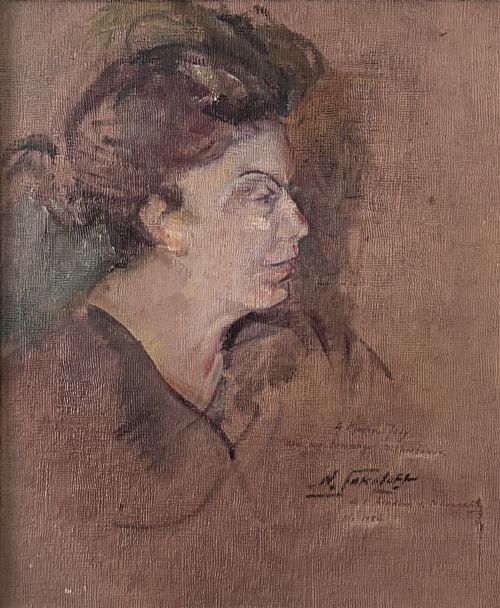
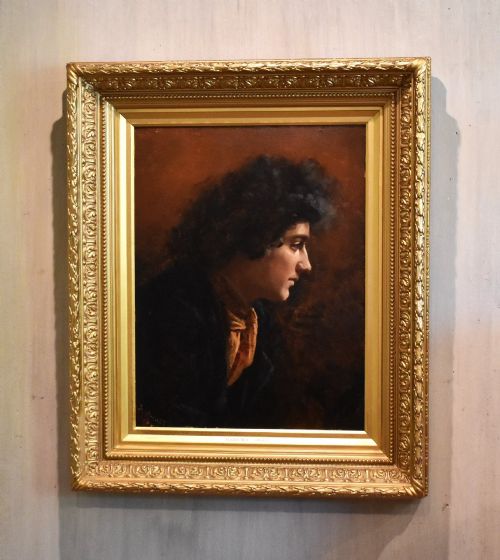
When you search for an antique female profile painting, you enter a diverse field spanning Georgian silhouettes, Victorian watercolours, and early twentieth-century oils. The works range from miniature portraits housed in rosewood frames to larger canvas studies, capturing individual likenesses with varying degrees of formality.
The profile format itself draws the eye along the contours of the jawline and brow, a traditional artistic choice that emphasises silhouette and character over direct eye contact. You are most likely to meet small-scale watercolours, painted silhouettes on glass, and oil portraits originating from the nineteenth and early twentieth centuries.
How they were made
Makers utilised traditional supports including canvas, prepared board, heavy paper, and fine glass panels for reverse-painted silhouettes. Pigments applied included oil paints, watercolours, pastel, and pencil, often sealed behind protective glazing in the case of miniatures.
Frames played an integral part in the construction, frequently fashioned from rosewood or fitted with brass mounts to protect the delicate paint layers and paper surfaces from environmental damage.
Several ladies gaze steadfastly past the viewer, occasionally accompanied by a remarkably poised hummingbird.
What varies in quality
Condition and originality of the mounting also separate standard works from superior items. Intact period frames and clean, unbleached paper or stable canvas support elevate the overall standing of the piece.
James Gillespie·Florence Small·Susie Lassam·George Atkinson·Jeremiah Steele·Leo Klin
The Antique Female Profile Painting Glossary
- Silhouette
- A likeness depicted as a solid shape, usually in profile and coloured black or filled with colour and fine detail. These were popular before the widespread adoption of photography.
- Reverse painted glass
- A technique where the artist paints directly onto the back of a glass panel, viewed from the front to create a glossy, preserved finish.
- Miniature portrait
- A small-scale painting executed with immense precision, often designed to be held in the hand or worn as a pendant.
- Pastel
- A medium consisting of powdered pigment and a binder, producing dry, velvety marks on paper that require glass protection.
- Provenance
- The documented history of ownership of an artwork, establishing its authenticity and past journey through collections.
Antique Female Profile Painting: Frequently Asked Questions
How should I hang these portraits?
Keep these works away from direct sunlight to prevent delicate watercolours and pastels from fading over time. Stable indoor humidity protects the wooden frames and canvas supports.
Group smaller silhouettes together on a neutral wall to create a striking focal point without overwhelming the individual pieces.
Are silhouettes and oil paintings dated the same way?
Silhouettes often rely on costume details, hair styling, and framing methods to narrow down the decade of creation. Written inscriptions on the reverse frequently provide the sitter's name and exact year.
Oil paintings on canvas or board generally offer more visible brushwork and signatures, helping align the piece with a specific artist's active period.
Why are so many portraits shown in profile?
The profile view has a long history in portraiture, prized for its clarity and ability to define bone structure and personal silhouette. This format was particularly favoured in silhouette cutting and early miniature painting.
Choosing a side angle allowed artists to capture a recognizable likeness with intense economy of line before photography altered portrait conventions.
How do I care for antique paper works?
Paper and watercolour pieces require acid-free backing and professional framing to prevent yellowing and degradation. Ensure the glass does not touch the painted surface directly.
Display them in rooms with minimal temperature fluctuations to stop the paper from warping within its original frame.