


Miniature Silhouette Painting
These miniature silhouette painting examples capture likenesses in paper, glass and brass from the Georgian and Victorian eras, offering intimate historical portraits for collectors.
Miniature Silhouette Painting
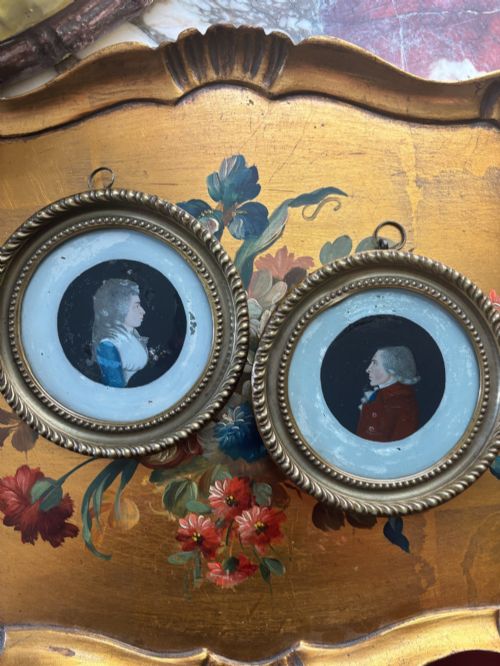
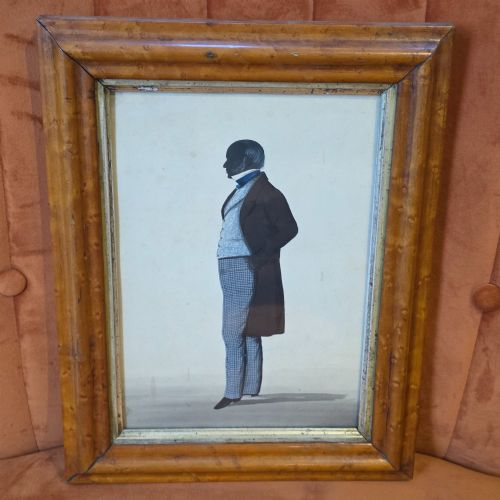
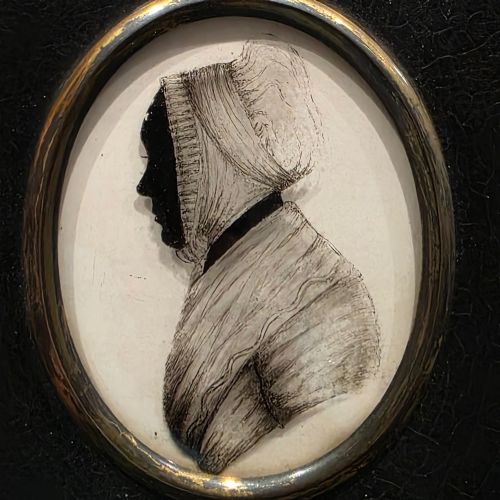
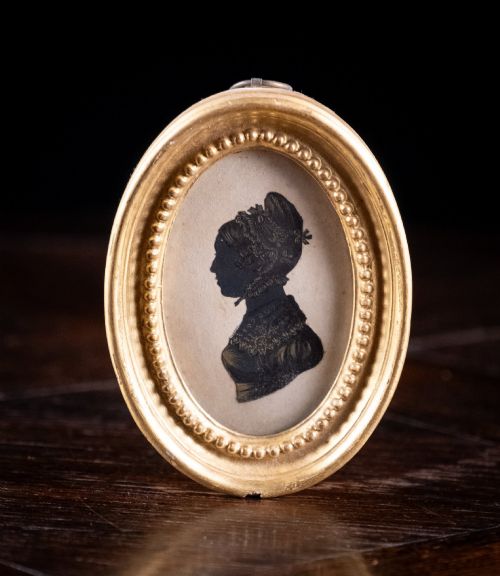
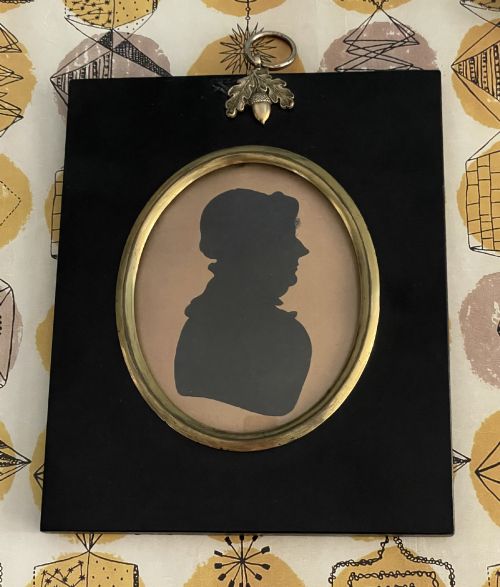
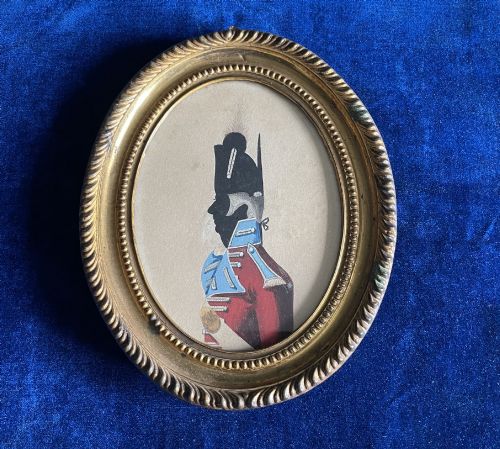
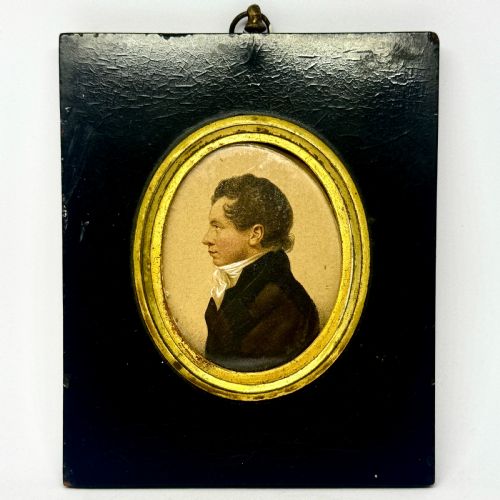
When you search for miniature silhouette painting, you encounter intimate portraiture executed across the Georgian, Regency and Victorian periods. These small works record the profiles of gentlemen, ladies and children in media ranging from cut paper to ink.
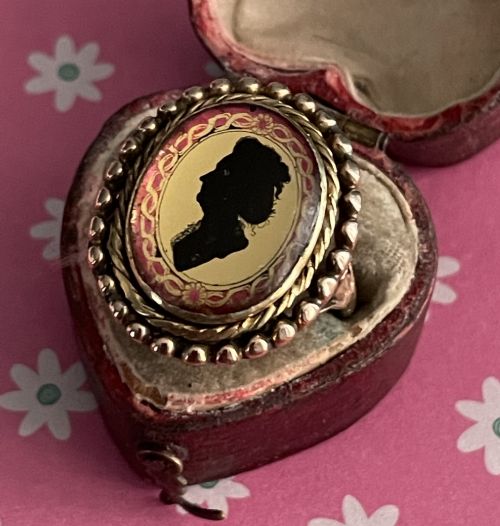
The pieces on this page most commonly take the form of framed wall art, small portrait miniatures and occasionally jewellery items such as rings. Subjects span named sitters like Mrs Grace Williams alongside unidentified sitters from the eighteenth and nineteenth centuries.
How they were made
Makers produced these works using paper, glass, brass and wood, frequently combining ink and paint with gold leaf accents. Artists hand-cut paper profiles or painted directly onto glass and plaster surfaces to achieve fine detail.
Many examples employ verre églomisé techniques on glass, mounting the delicate portraits within rosewood frames or brass pendant settings. The precision of the brushwork and the clarity of the reverse glass painting dictate the physical structure of each piece.
Object types documented in the archive range from wall art and framed portrait miniatures to rings and pendant jewellery.
What varies in quality
Quality in these portraits rests upon the crispness of the cutting or the fineness of the paint application, distinguishing mass output from skilled hand execution. The presence of delicate gilded highlights and well-preserved glass plates elevates a piece significantly.
The housing also dictates distinction, as original rosewood frames and signed brass mountings preserve the historical integrity of the artwork. Documentation of provenance or a known hand adds further distinction to individual pieces.
John Miers·J. Deacon·John Smith of Edinburgh
The Miniature Silhouette Painting Glossary
- Verre Eglomise
- A cold decoration technique where a design is painted or gilded onto the reverse side of a glass panel. This method protects the metallic leaf and pigment from environmental wear.
- Regency
- A British historical period spanning the early nineteenth century, characterised by distinct neoclassical aesthetics in decorative arts and portraiture. Pieces from this era often incorporate refined gilded highlights.
- Plaster
- A fine casting material utilised as a firm backing ground for profile portraits during the late eighteenth century. It accepted black pigment cleanly to create a matte contrast.
Miniature Silhouette Painting: Frequently Asked Questions
How do I date a miniature silhouette painting?
Dating relies primarily on the framing materials, clothing styles of the sitter, and any accompanying signature or biographical inscription on the reverse. Georgian examples often feature simpler papier-mâché or rosewood surrounds, whilst Victorian pieces display broader decorative mountings.
Examining the substrate, whether glass, plaster or paper, further clarifies the period of manufacture. Contemporary handwritten labels on the back also provide reliable chronological anchors.
What is verre eglomise in silhouettes?
Verre églomisé describes the process of applying paint and gold leaf to the reverse side of a glass sheet. When viewed from the front, the glass protects the delicate pigment and provides a glossy finish.
This technique creates a luminous background that contrasts sharply with the dark profile of the sitter. It requires steady brushwork since any error is visible directly through the glass.
How should I display these fragile pieces?
Display requires stable indoor environments away from direct sunlight, which can fade historic paper and discolour pigments. Wall-hung framed pieces benefit from hanging on interior partitions where temperature fluctuations remain minimal.
Those set into jewellery or held in small wooden cases should rest flat within secure cabinets. Avoiding excessive handling preserves the delicate glass and metal components.