
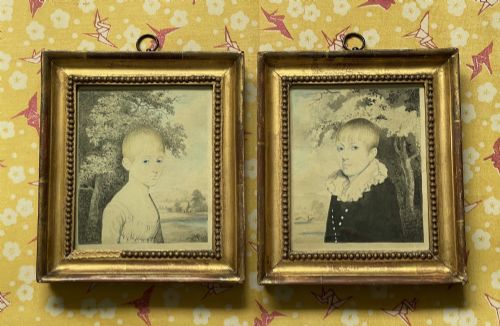


Paper Watercolour Portrait Miniature
These paper watercolour portrait miniature pieces capture likenesses in delicate paint and ink, offering an intimate window into past lives that collectors prize for their precision.
Paper Watercolour Portrait Miniature
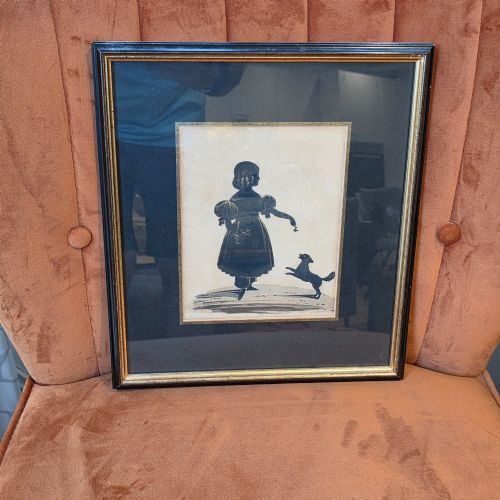
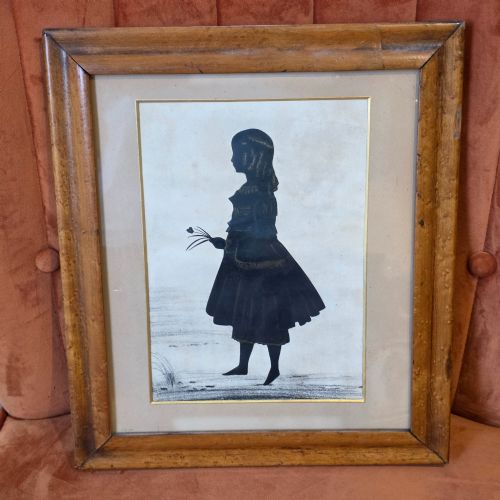
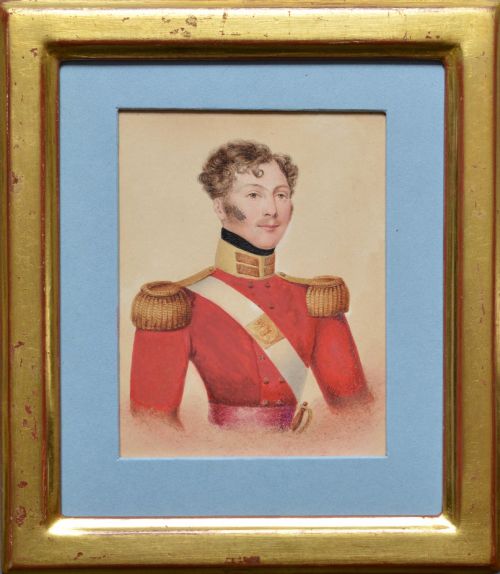
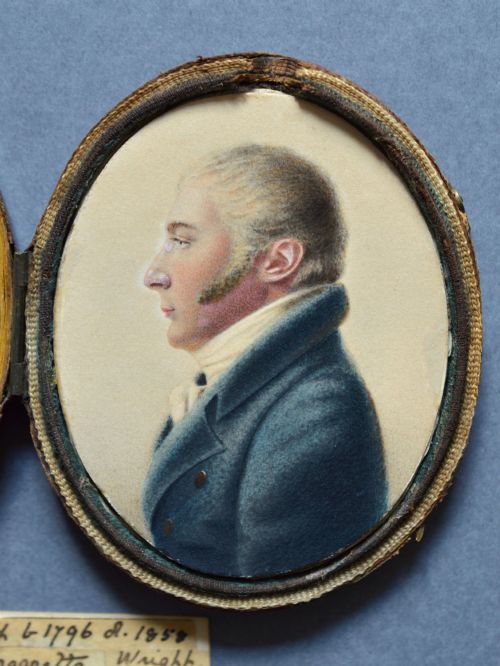
A paper watercolour portrait miniature represents small-scale likenesses painted or drawn during the Georgian, Regency, and Victorian periods. These intimate works depict subjects ranging from military officers and children to countesses and everyday citizens.
You are most likely to meet examples housed in wood, maple, or giltwood frames, sometimes accompanied by glass protection. The forms span individual studies, pairs, and works incorporating cut paper silhouettes.
The origins stretch from the late eighteenth century through the nineteenth century, capturing sitters through the hands of named artists and the British School. Such pieces document historical dress, such as costume overlays and military uniforms.
Materials and methods
Artists executed these works primarily using watercolour and pencil or ink upon paper supports. Gold leaf and giltwood frequently accent the frames enclosing the delicate painted surfaces.
Cut paper techniques appear alongside pure pigment, combining silhouette profiles with watercolour details. Frames constructed from wood, maple, and glass protect the fragile paper works from environmental damage.
Materials documented in the collection include watercolour, pencil, ink, paper, gold leaf, and maple wood.
Judging the work
The preservation of the paper support and the vibrancy of the original watercolour pigments influence the standing of a piece. Original frames, particularly period maple or giltwood housings, contribute to the integrity of the object.
William James Hubard·Thomas John Horsley·Albin R Burt·Thomas Woolnoth·George Perfect Harding·Richard Cosway·Henry Edridge·Alexander Melville
The Paper Watercolour Portrait Miniature Glossary
- Miniature
- A small-scale portrait painting designed to be held or hung in tight spaces. These works demand exceptional precision from the artist due to their restricted dimensions.
- Silhouette
- A portrait profile filled in with a solid colour, usually black, or cut from paper. They frequently appear combined with watercolour highlights in nineteenth-century works.
- Giltwood
- Wood carved and covered with a thin layer of gold leaf or gilt. This material commonly frames Georgian and Victorian portrait works.
- Regency
- The period in British history from 1811 to 1820, characterised by distinct fashions and portrait styles. Many paper watercolours date from or reflect this aesthetic.
Paper Watercolour Portrait Miniature: Frequently Asked Questions
What is a paper watercolour portrait miniature?
These small-scale artworks depict individual sitters using watercolour, pencil, and ink on paper supports. Artists painted them across the Georgian, Regency, and Victorian eras to capture family members or notable figures.
Most examples are framed behind glass, often in wood or giltwood housings. They serve as portable records of historical fashion and appearance.
How should I display these miniatures at home?
Hang these delicate works away from direct sunlight to prevent the watercolour pigments and paper supports from fading over time. Stable indoor humidity protects both the antique frames and the paper within.
Grouping pairs or small collections together creates a traditional gallery effect on a wall. Ensure the glass remains intact to shield the surface from dust and moisture.
How can I tell the period of a portrait?
Examine the clothing, hairstyles, and any accompanying documentation or signatures on the piece. Regency portraits often feature high-waisted dresses or specific military uniforms, while Victorian examples show distinct mid-century attire.
Framing materials and backing papers also offer clues to the age of the object. Comparing the style to dated works by the same British School helps narrow down the decade.
Did these portraits serve as jewellery or wall art?
While some miniature portraits were set into lockets or brooches for personal wear, the pieces on paper are typically framed for wall hanging. Artists produced them to be displayed in domestic interiors rather than worn.
Framed artworks allowed families to commemorate children, military officers, and ancestors in their living spaces. Their compact size made them suitable for smaller parlours and studies.