







Historical Profile Portrait
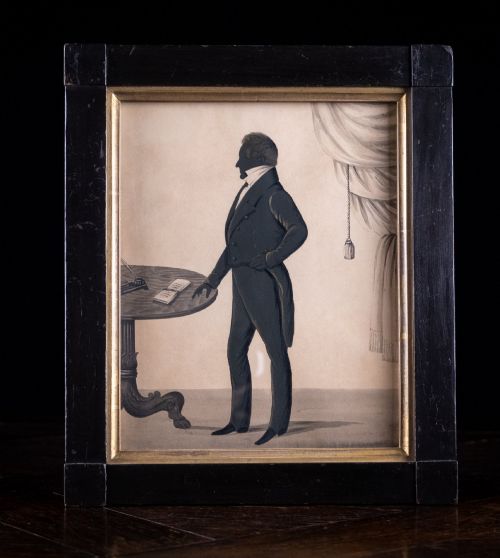
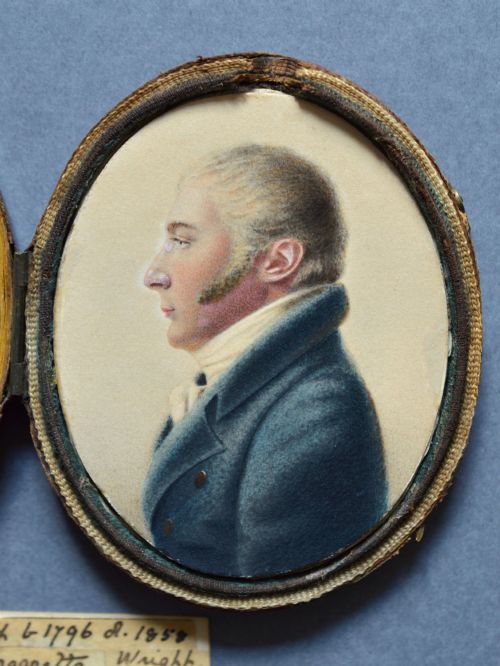
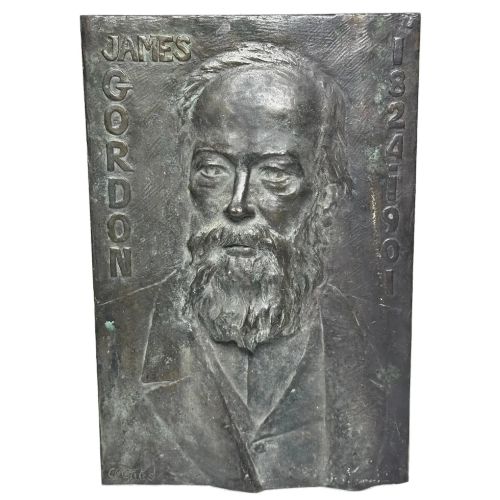
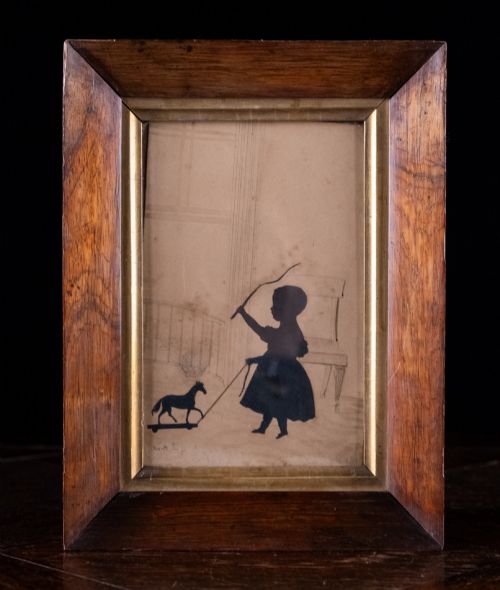
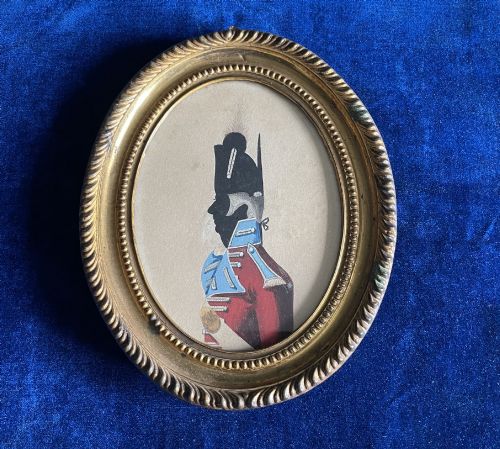
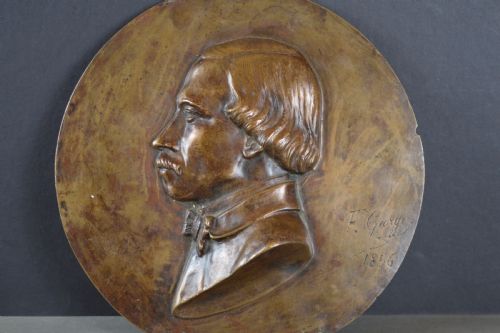
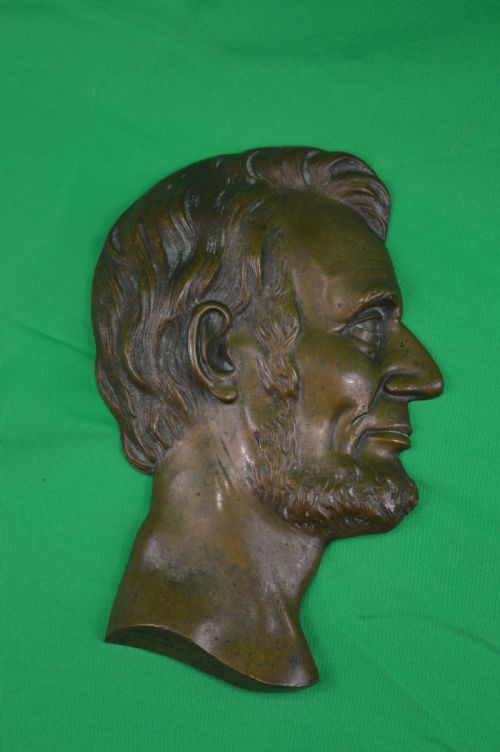
A historical profile portrait captures a likeness in silhouette, bronze, or watercolour, offering an immediate connection to figures of past centuries.
Historical Profile Portrait
A historical profile portrait presents a sharp silhouette or finely painted likeness, focusing entirely on the contours of the subject's face. Buyers searching for a historical profile portrait encounter works spanning the eighteenth century through to the Edwardian era.
The selections range from delicate silhouette portraits on plaster and paper to cast bronze wall plaques and hand-painted portrait miniatures. Regency silhouettists and eighteenth-century painters dominate the early works, whilst later pieces include commemorative plaques.
Framed artwork and portrait miniatures form the core of these offerings, often depicting identifiable historical figures, literary icons, or notable gentlemen. Each piece preserves the distinct profile of its subject through contemporary artistic mediums.
Materials and Techniques
Makers utilised paper and card for ink profiles, frequently mounting silhouettes against contrasting light backgrounds or within giltwood frames. Plaster served as a specialised base for detailed shadow likenesses during the Georgian period.
Metalworkers cast heavy bronze and brass into commemorative wall plaques and portrait medallions, employing gold leaf for highlights. Painters applied watercolour and ink on paper or vellum for miniature portraits.
Frames incorporated glass to protect delicate paper works, whilst cast iron provided a robust medium for monumental relief plaques depicting literary and theatrical subjects.
Charles Dickens makes an appearance in heavy cast iron, watching over your room from a permanent scowl.
Factors of Quality
The precision of the cutting or brushwork dictates the artistic merit of a profile, separating hurried studio work from master executions. Contemporary signatures and attribution to known practitioners elevate the standing of a piece.
The preservation of the original medium, whether unblemished watercolour pigment or patinated bronze, determines the visual impact. Original period framing also contributes significantly to the integrity of the object.
James Sharples·Thomas John Horsley·Augustin Edouart·John Miers·Susie Lassam
The Historical Profile Portrait Glossary
- Silhouette
- A portrait rendered as a solid shape, usually black, showing the profile of the subject. This technique gained immense popularity in the eighteenth and nineteenth centuries before photography.
- Portrait Miniature
- A small, highly detailed painting executed on ivory, vellum, or paper. These works required exceptional skill and magnifying lenses to achieve their precision.
- Giltwood
- Wood that has been coated with a thin layer of gold leaf or gilt. It frames many historical paper and watercolour portraits.
- Medallion
- A circular or oval plaque, typically cast in bronze or brass, featuring a raised profile design. They often commemorated significant historical personages or events.
Historical Profile Portrait: Frequently Asked Questions
What is a historical profile portrait?
A historical profile portrait is an artwork depicting a person from the side, rendered in mediums such as watercolour, bronze, or cut paper. These pieces document real historical figures and everyday sitters from past centuries.
Collectors prize them for their graphic simplicity and the direct window they provide into historical physiognomy and costume.
How do I date a silhouette portrait?
Dating relies on the costume of the sitter, the framing materials, and the paper or plaster backing used by the artist. Eighteenth-century examples often feature distinct Georgian hairstyles and attire.
Signatures, tax stamps on paper, and handwritten inscriptions on the reverse also offer reliable chronological clues.
Where were bronze portrait plaques displayed?
Bronze portrait medallions and wall plaques were typically mounted in private studies, libraries, or public halls. They served to honour statesmen, writers, and historical heroes.
Their heavy construction allowed them to be hung securely on wood-panelled or plastered walls.
How should I care for watercolour profiles?
Watercolour profiles on paper require protection from direct sunlight to prevent the fading of pigments and paper yellowing. Framing them behind UV-filtering glass ensures their longevity.
Keeping them in stable, moderate humidity environments prevents the paper from warping or developing foxing.