


Blue Coat Portrait Miniature
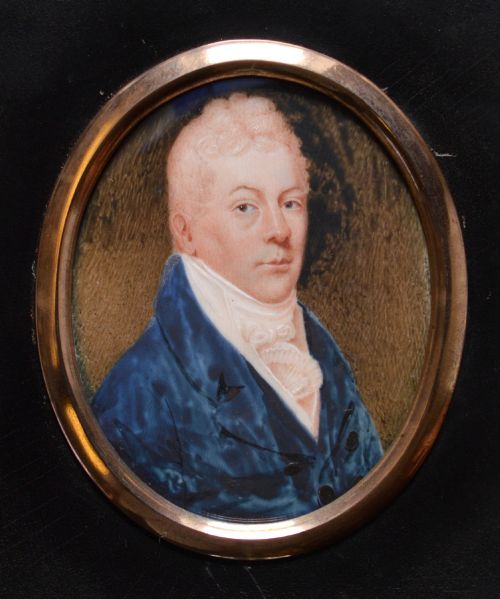
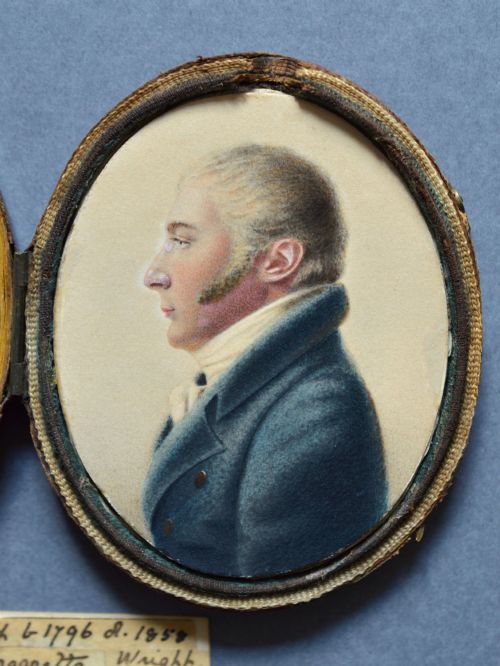
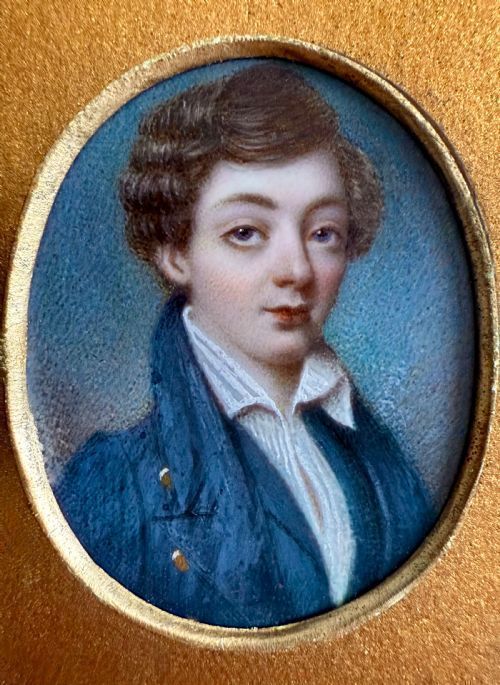
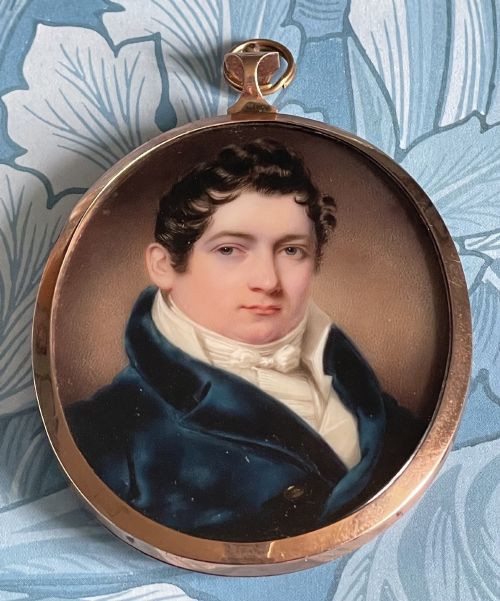
A blue coat portrait miniature captures the distinct sartorial elegance of past centuries through delicate painting on ivory, paper, or agate panel.
Blue Coat Portrait Miniature
The objects take the form of miniature paintings and framed artwork, often incorporating precious mountings of gold leaf or gilt metal. Subjects range from British naval officers and country gentlemen to historical figures like Napoleon Bonaparte. Surviving pieces demonstrate the enduring appeal of intimate portraiture executed on a small, portable scale.
Materials and methods of construction
Makers utilised watercolour on ivory as a primary medium for capturing luminous skin tones and the rich pigments of a blue coat. Alternative supports include paper, leather, fabric, and agate panels, each offering a distinct texture for the painted surface. Artists also employed pastel and cut-out profile techniques to achieve depth and definition.
Protection and display required specialised framing utilising glass, gilt metal, and gold leaf. These housings shielded the delicate pigments from dust and light while enhancing the miniature's status as a portable luxury object. The combination of secure bezels and delicate backing materials ensured the survival of these fragile works across centuries.
Blue Coat Portrait Miniature Retail Price Guide 2026
Typical asking prices for blue coat portrait miniature among the pieces listed under this phrase on Sellingantiques today, from the lower quarter to the upper quarter. They describe what is for sale here now, not the wider market.
Listings feature portrait miniatures executed in watercolour on ivory, oil, and pastel, housed in gilt metal and gold leaf frames.
Distinctions in craftsmanship and execution
Superior execution is evident in the finesse of the brushwork, particularly in the rendering of facial expression and the texture of the blue coat fabric. Master painters achieved remarkable lifelike quality within a constrained physical space, whereas lesser examples display stiffness in posture and heavy-handed pigment application. The subtlety of shading determines the visual depth of the subject.
The quality of the housing similarly distinguishes the piece, with substantial metalwork and clean glass panels framing the artwork effectively. Original mounts and well-preserved backing materials indicate a higher tier of production. Works associated with documented hands or notable circles generally reflect a more accomplished standard of portraiture.
Thomas John Horsley·Richard Cosway·John C D Engleheart·Samuel Cotes·Diana Hill·Nathaniel Bermingham·AE Chalon
The Blue Coat Portrait Miniature Glossary
- Agate panel
- A polished slice of mineral stone utilised as an alternative ground for painting miniatures. This dense material provided a smooth, durable surface for detailed portraiture.
- Gilt metal
- Base metal treated with a thin layer of gold to simulate solid gold mountings. It offered a decorative and protective border for framed artwork.
- Regency
- An architectural and artistic period spanning the early nineteenth century defined by classical restraint and elegance. Works from this time often feature distinct costume details like tailored blue coats.
- Cut-out profile
- A silhouette created by snipping paper rather than applying paint. This technique produced sharp, graphic likenesses popular in the eighteenth century.
Blue Coat Portrait Miniature: Frequently Asked Questions
What periods do these miniatures date from?
The available selection spans the eighteenth century, the Georgian era, and the Regency period. Specific examples reach into the nineteenth century up to eighteen sixty.
This broad chronological spread encompasses diverse stylistic approaches to miniature painting and portraiture.
What materials were used to create them?
Artists painted primarily in watercolour on ivory, alongside oil, pastel, and paper supports. Some works were even executed directly upon agate panels.
Frames incorporate glass, gilt metal, leather, fabric, and gold leaf to protect and display the delicate artwork.
How were these miniature portraits displayed?
Owners typically kept these small artworks in domestic settings or carried them as personal mementoes. Their compact scale allowed for intimate viewing and portable display.
Secure framing with glass and metal housings ensured the fragile painted surfaces remained protected during handling.
How can I identify the subject of a portrait?
Inscribed names on the reverse or accompanying documentation often reveal the identity of the sitter. Clues such as naval uniforms or specific civilian attire also help contextualise the subject.
Artists occasionally recorded details about the sitter directly onto the backing materials or frame components.