



Brass Framed Portrait Miniature
A brass framed portrait miniature brings intimate historical faces into domestic spaces within protective metal surrounds.
Brass Framed Portrait Miniature
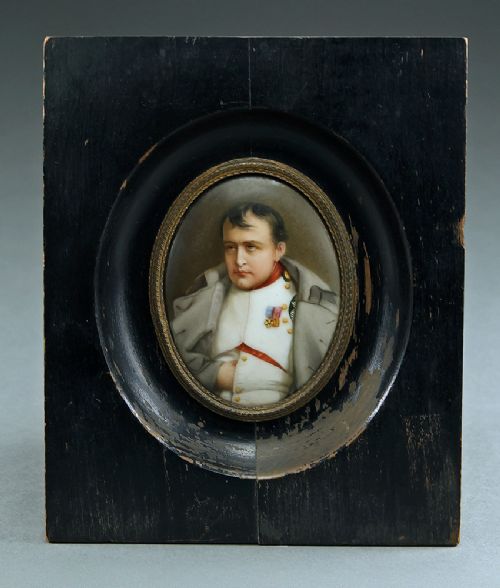
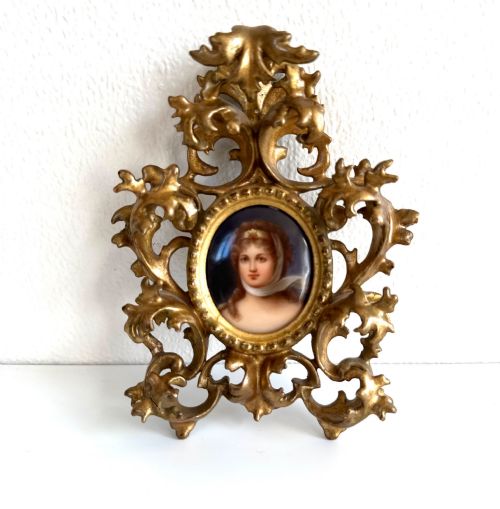
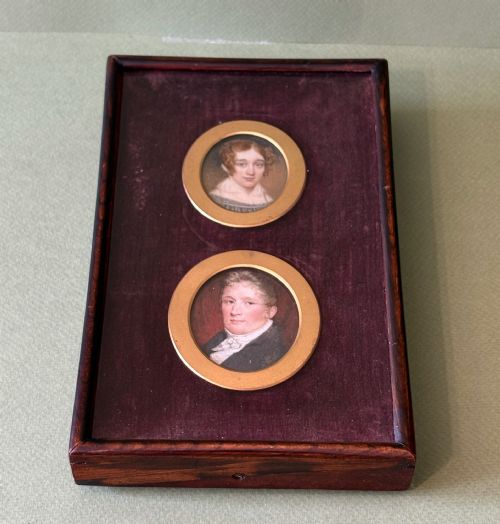
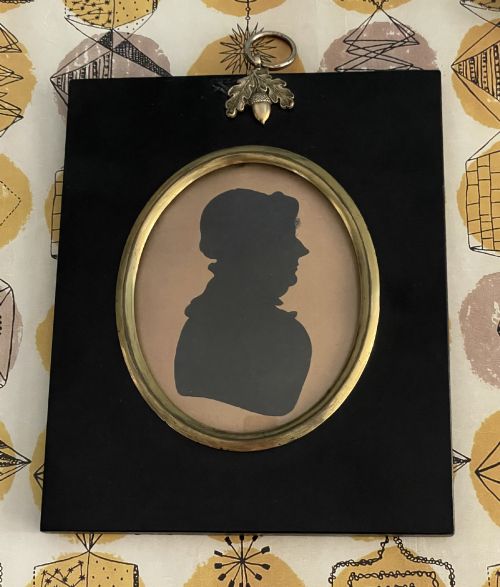
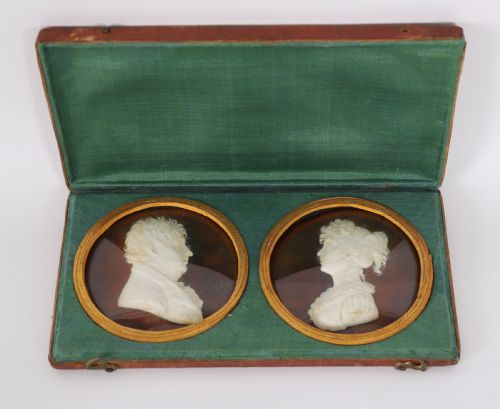
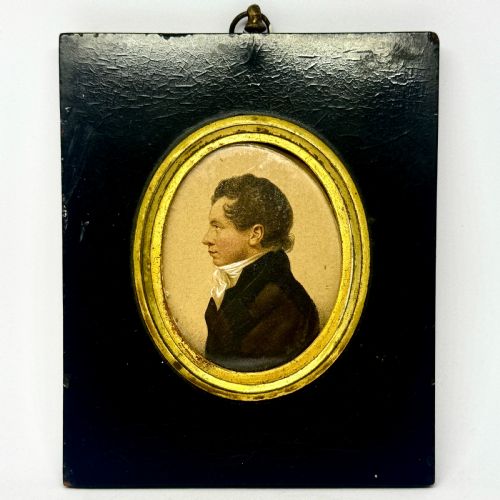
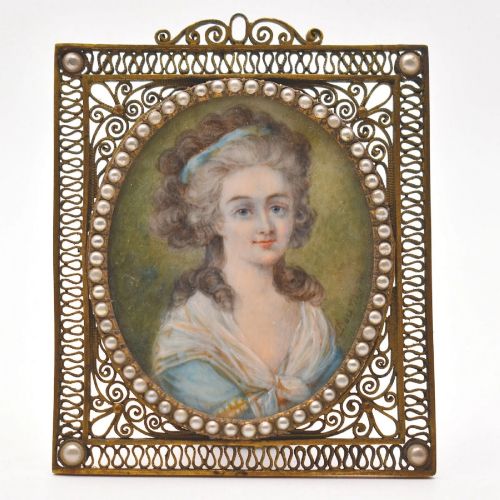
A brass framed portrait miniature represents small-scale likenesses produced across several historical periods, most commonly meeting buyers in nineteenth-century interpretations. These works capture specific individuals through painted watercolours, silhouettes, and wax reliefs preserved inside metal housings.
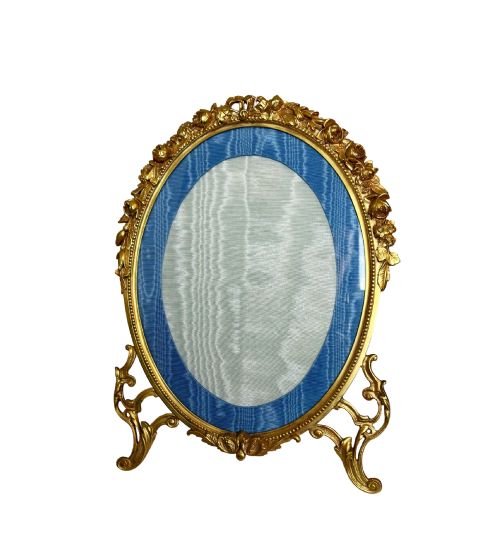
Makers utilised various formats, including oval frames, wall plaques, and desk stands, allowing these objects to be displayed on surfaces or hung individually. The prevailing forms span Georgian, Regency, and Victorian aesthetics, often combining brass surrounds with glass protection.
The scale demands close inspection, revealing fine brushwork or precise cutting techniques applied to paper, ivory, or plaster. Each piece documents personal history through the lens of portraiture popularised during the eighteenth and nineteenth centuries.
Materials and Construction
Artists painted watercolours on paper or ivorine, while silhouette makers utilised card, plaster, and glass surfaces. These delicate mediums required protective glazing held securely within cast or stamped brass frames, sometimes backed by ebonised wood or gilt metal.
Frames incorporated brass loops and stands for hanging or tabletop display, constructed to shield fragile painted surfaces from dust and atmospheric damage. Seed pearls, gilt metal, and enamel details frequently complemented the primary brass housing.
Brass Framed Portrait Miniature Retail Price Guide 2026
Typical asking prices for brass framed portrait miniature among the pieces listed under this phrase on Sellingantiques today, from the lower quarter to the upper quarter. They describe what is for sale here now, not the wider market.
Materials recorded across the inventory include brass, glass, enamel, ivorine, and ebonised wood.
Distinctions in Quality
Quality rests upon the precision of the portrait work, whether defined by the sharp cutting of a silhouette or the meticulous brush detail of a watercolour face. Superior examples display anatomical accuracy and expressive depth within a restricted scale.
The integrity of the frame and glass housing contributes significantly to the overall standard, alongside documented attributions to known profile artists or painters. Original backing and untampered mountings preserve the historical authenticity of the piece.
George Atkinson·James Gillespie·Thomas London·J. Deacon·Susie Lassam·Emma Kendrick·John Miers
The Brass Framed Portrait Miniature Glossary
- Silhouette
- A profile likeness cut from black paper or painted onto card, plaster, or glass. This technique gained immense popularity during the Georgian and Regency periods.
- Ivorine
- A synthetic material manufactured to imitate natural ivory as a painting surface for miniature portraits. Artists utilised it widely during the nineteenth and twentieth centuries.
- Plumbago
- A drawing executed in graphite, producing a distinctive grey-black monochromatic portrait. The medium appeared frequently in eighteenth-century miniature works.
- Gilt metal
- Base metal treated with a thin layer of gold wash or leaf to simulate solid precious metal. It frequently forms the surrounds of miniature portraits alongside brass.
Brass Framed Portrait Miniature: Frequently Asked Questions
What materials are used in these frames?
The surrounds combine brass, gilt metal, and ebonised wood to house the delicate portraits securely. Glass covers the front surface to protect the paper, watercolour, or ivory beneath.
Additional decorative elements such as seed pearls or enamel sometimes appear on eighteenth and nineteenth-century examples. The backing materials typically consist of wood or card fitted with hanging loops.
How were portrait miniatures displayed historically?
Owners hung these small works on walls in clusters or placed them individually on desks using attached stands. Their portable scale allowed people to carry them while travelling or keep them in private rooms.
Display methods evolved from pocket-sized carrying cases to domestic wall arrangements during the Georgian and Victorian eras. Brass loops on the frames facilitated wall mounting.
How do you date a portrait miniature?
Clothing styles, hairstyles, and framing techniques provide the primary clues for determining the period of a piece. Regency fashions differ distinctly from Victorian attire, helping to narrow the decade of production.
Signatures, inscriptions on the reverse, and known working dates of silhouette artists or painters further refine the chronology. Material composition also indicates whether a piece originates from the eighteenth or nineteenth century.