




Antique Portrait Locket Painting
An antique portrait locket painting preserves a personal likeness in miniature, offering a tangible link to past lives through delicate hand-painted detail.
Antique Portrait Locket Painting
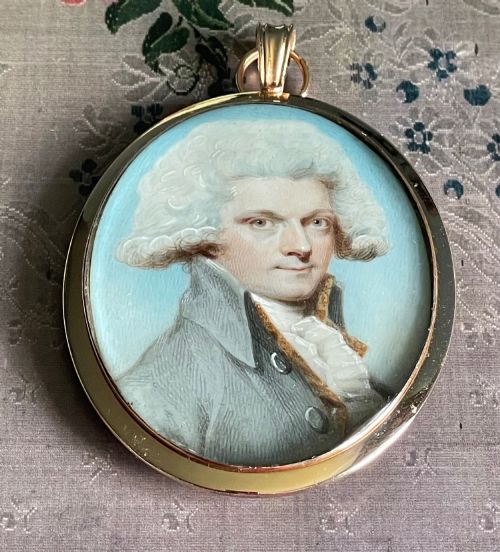
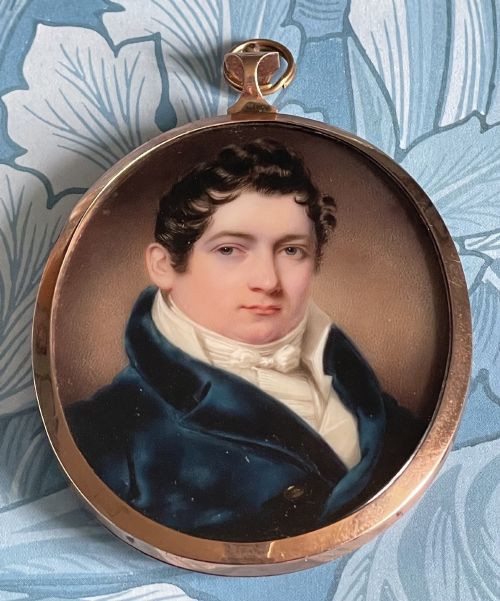
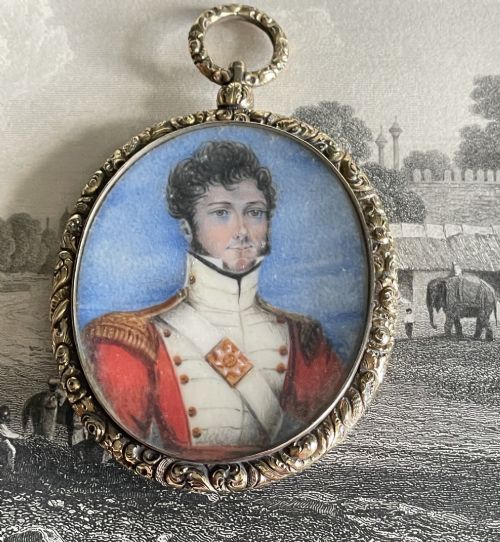
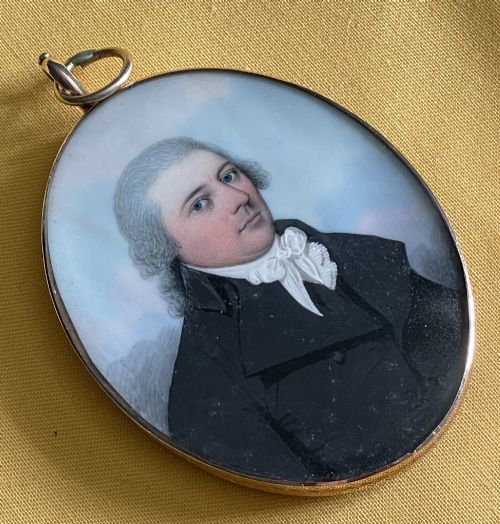
An antique portrait locket painting combines portable fine art with personal jewellery, designed to hold a likeness close to the body. These pieces range from pendant lockets to framed miniature paintings set in precious metals.
The selections span several eras, with eighteenth-century and Georgian pieces appearing frequently alongside Regency, Victorian, and Edwardian examples. Subjects include named gentlemen, ladies, naval officers, and family members.
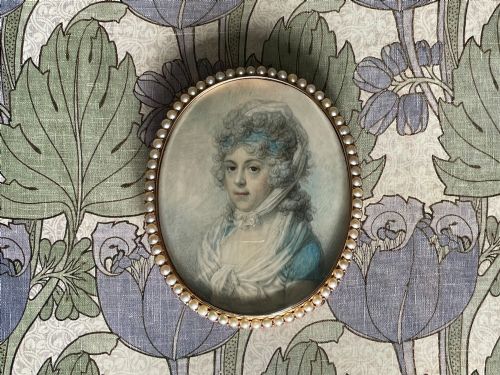
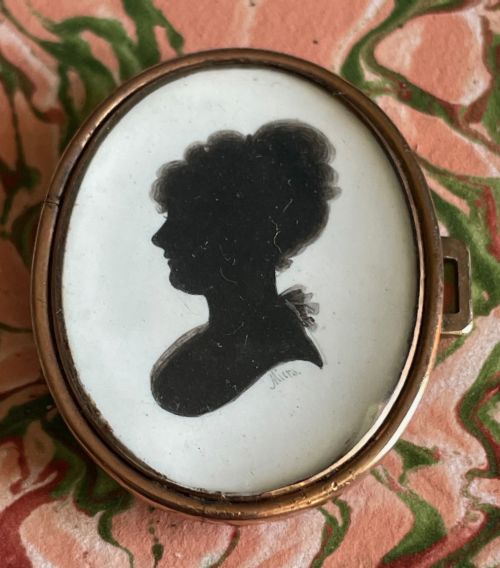
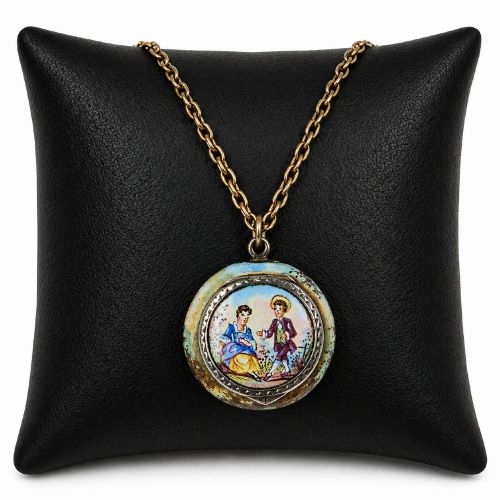
Forms vary from simple gilt metal frames to elaborate gold pendants set with pearls and enamel. Many works function as double-sided lockets or incorporate silhouette profiles on glass alongside watercolour works.
Materials and construction
Frames and pendants utilised gold, gilt metal, and enamel work, frequently incorporating pearls for decorative borders. Construction techniques combined miniature painting traditions with goldsmithing to create secure housings for the portraits.
Listings feature works spanning the eighteenth century through the Edwardian era, utilising gold, ivory, enamel, and glass.
Assessing quality in miniature portraits
Quality rests primarily on the skill of the brushwork and the psychological depth captured in the sitter's face. Superior pieces display precise control over light, shadow, and expression within a restricted compass.
The mounting materials also dictate worth, distinguishing simple gilt frames from heavy gold pendants enriched with enamel and pearls. Signed works by documented artists command particular attention for their demonstrated authorship.
Henry Bone ARA·Charles Shirreff·Richard Cosway·John Miers·John C D Engleheart·Frederick Buck·William Wood·Charles Hayter·Christian Friedrich Zincke·Nicolas Freese·Elizabeth Hudson·George Engleheart·James Ferguson·Emma Kendrick·William Grimaldi·Henry Jacob Burch·John Inigo Wright·Edward Pugh·Samuel Cotes·Isaac Wane Slater·AE Chalon·John Barry
The Antique Portrait Locket Painting Glossary
- Portrait miniature
- A small, highly detailed painting of a person, usually executed in watercolour on ivory, vellum, or card. These works were often housed in lockets or pendants for personal wear.
- Silhouette
- A profile portrait filled in with a solid dark colour, typically black, often painted on glass or cut from paper. John Miers was a notable practitioner of this form.
- Enamel
- A glassy substance fused to a metal surface through firing, used here to create durable, glossy painted portraits. Viennese workshops were particularly known for this technique.
- Vellum
- A fine parchment made from prepared calfskin, providing a smooth surface for early miniature paintings. It predates the widespread use of ivory for these portraits.
Antique Portrait Locket Painting: Frequently Asked Questions
How were antique portrait lockets worn?
These pieces functioned primarily as personal jewellery, suspended from ribbons or chains around the neck to keep loved ones close.
Their dual nature as art and ornament allowed sitters to be carried discreetly during travel or daily life.
What materials are typical for these miniatures?
Painters utilised watercolours and pigments on delicate surfaces such as ivory, vellum, and glass panels.
Enamel on metal also appeared frequently, offering vibrant colour that resisted fading over time.
How do I identify a Georgian miniature?
Georgian examples often feature distinctive costume details, powdered wigs, and understated gold frames suited to the eighteenth century.
Artists from this era frequently employed fine watercolour on ivory techniques to achieve lifelike skin tones.
Are these paintings signed by the artists?
Some pieces bear signatures, initials, or old attributions on the reverse or along the margin of the painting.
Unsigned works remain common, requiring stylistic comparison with documented pieces from the same period to determine authorship.