

19th Century Miniature Art
These intimate works of 19th century miniature art capture likenesses and scenes on a small scale, offering a glimpse into historical portraiture and craft.
19th Century Miniature Art
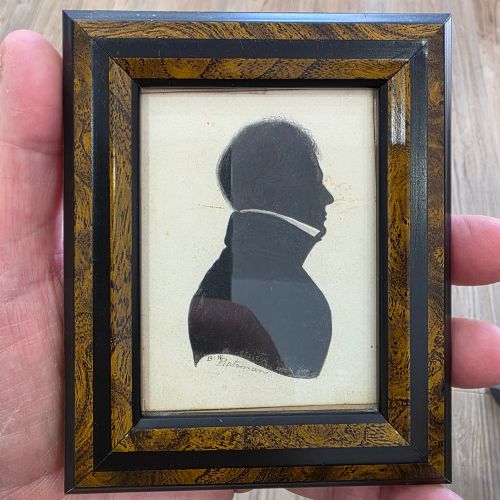
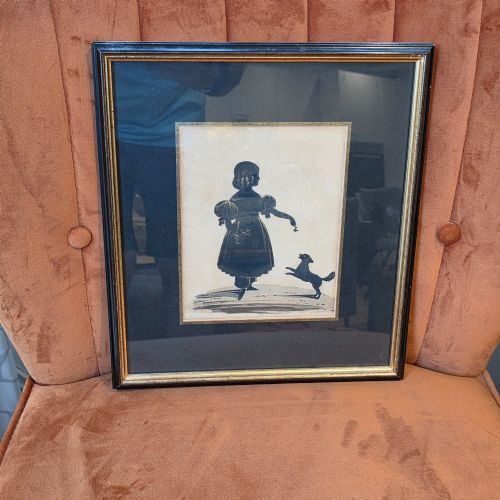
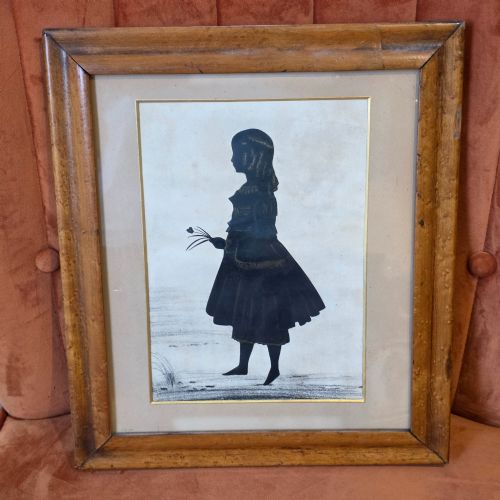
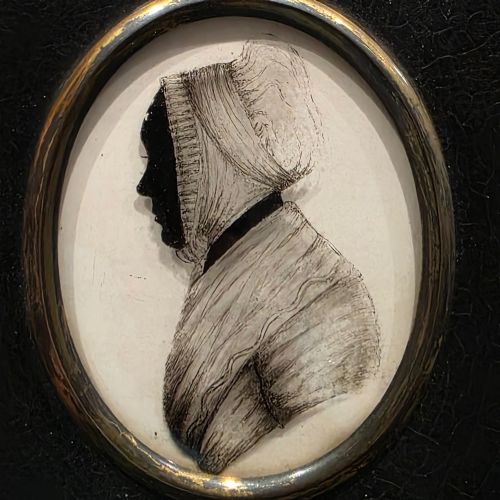
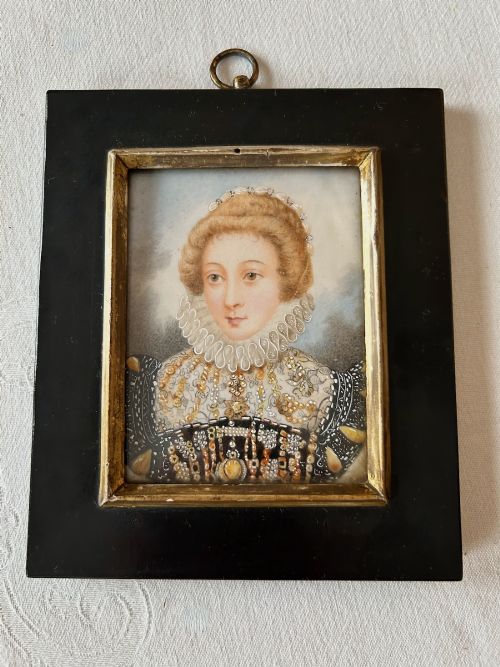
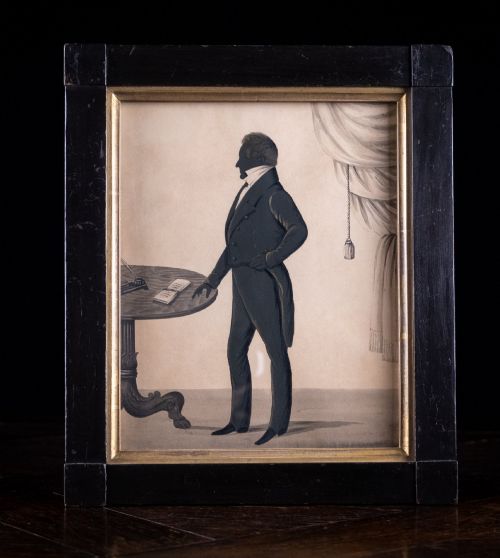
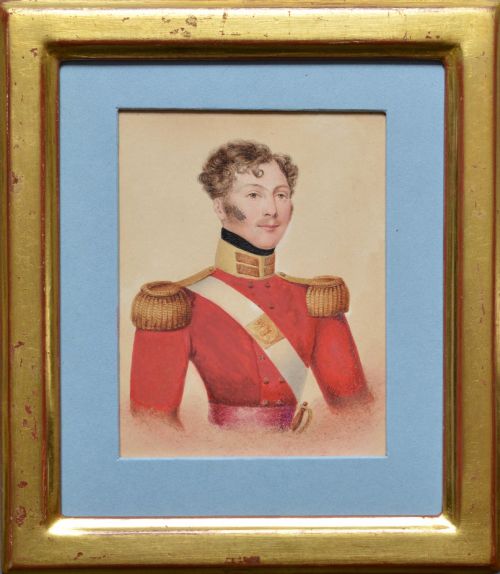
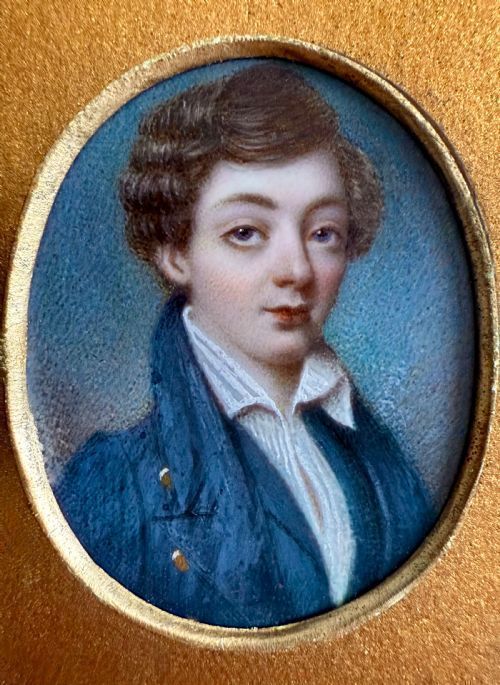
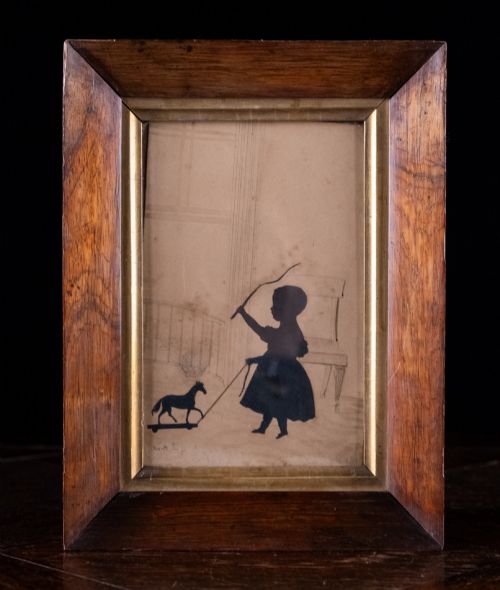
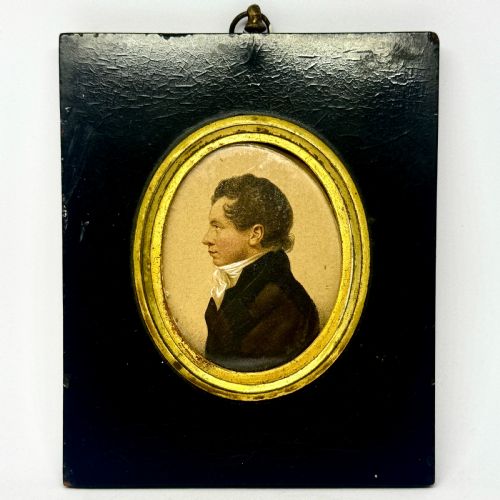
When searching for 19th century miniature art, collectors encounter a diverse array of small-scale creations ranging from delicate portrait miniatures to intricate silhouettes and painted plaques. The most frequent examples on this page are silhouette portraits and watercolour paintings depicting individuals from the Georgian, Regency, and Victorian eras.
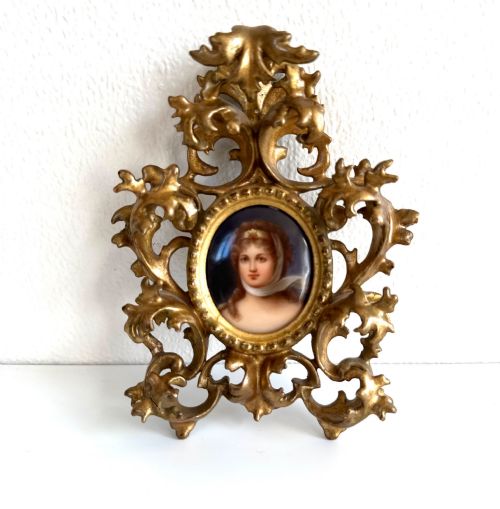
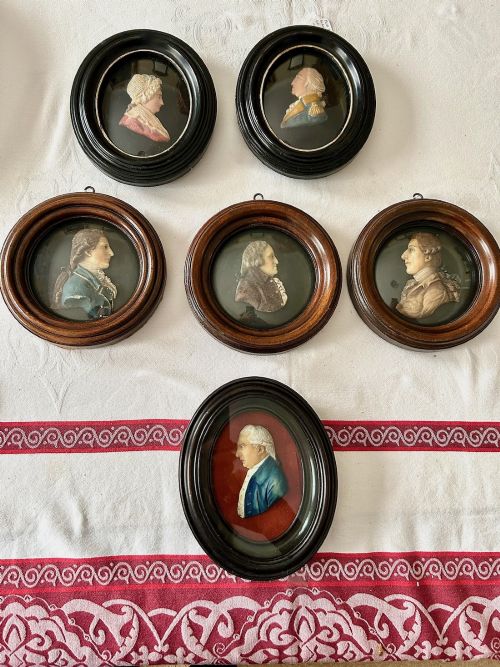
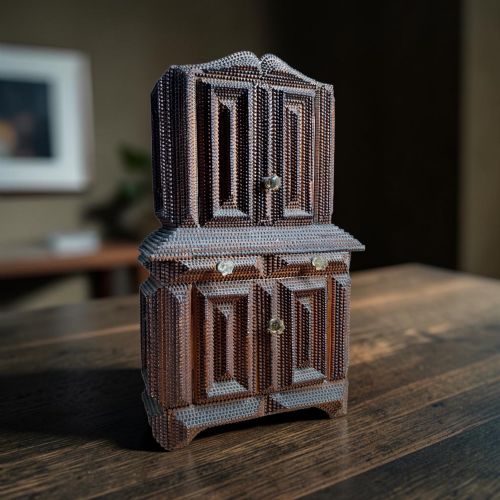
The materials and formats vary widely across these small works, including cut paper heightened with watercolour, reverse painted glass, and hand-painted porcelain. Alongside framed portraits, the selection encompasses small folk art sculptures, wax profiles, and decorative objects housed in period frames.
Originating from British, European, and American makers, these pieces reflect the aesthetic shifts of the nineteenth century. While portrait miniatures dominate the selection, items such as painted snuff bottles and miniature bronze figures also appear within the category.
Materials and Techniques
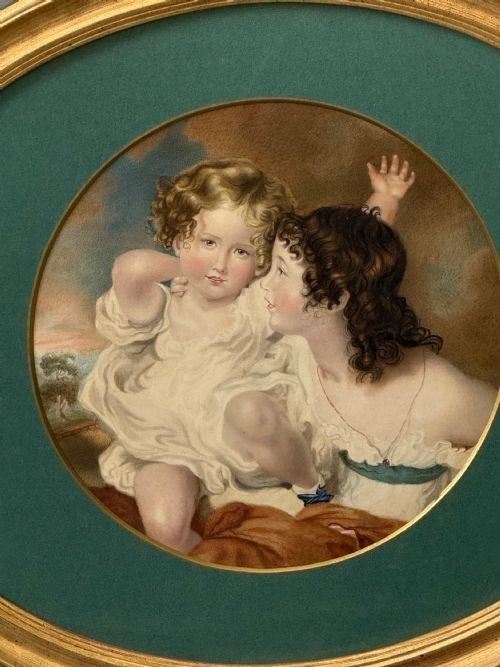
Porcelain plaques and papier-mâché items required careful hand-painting and lacquer work, often reproducing larger academic masterpieces on a reduced scale. Frames were constructed from wood, brass, and giltwood, sometimes incorporating velvet mounts to complement the delicate artworks within.
Listings feature paper, glass, wood, brass, and porcelain as primary materials for nineteenth-century miniature art.
Quality Variations
The finesse of the brushwork and the precision of the cutting separate accomplished portrait miniatures from standard examples. Hand-mixed pigments, delicate facial detailing, and original contemporary framing indicate a higher standard of craftsmanship.
Signed works and those attributed to documented makers or galleries display greater artistic control and individuality. The condition of the delicate paper, glass, or paint surface heavily influences the integrity of the piece.
William James Hubard·Augustin Edouart·Henri Fradelle·Richard Cosway·Edoardo De Martino·Jean Antoine Houdon
The 19th Century Miniature Art Glossary
- Silhouette
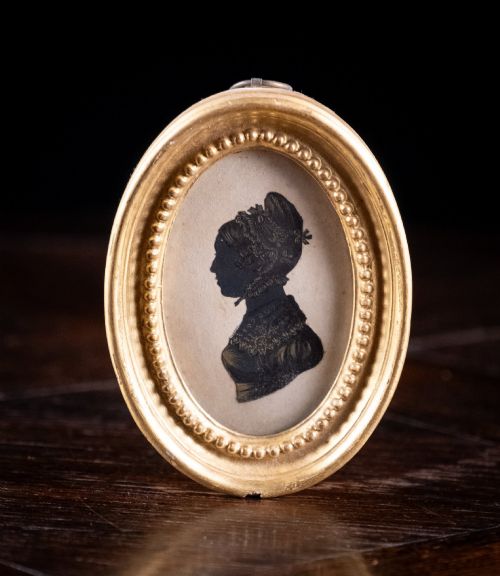
- A portrait cut from black paper or painted in solid dark profile against a pale background. This technique gained immense popularity during the Regency period before photographic methods emerged.
- Portrait Miniature
- A small-scale painting executed on ivory, vellum, card, or copper. These intimate portraits were often carried on the person or displayed in small frames.
- Reverse Painted Glass
- An artwork painted on the underside of a glass panel so that the image is viewed through the clear front. This method protects the pigment from dust and environmental wear.
- Giltwood
- Wood that has been treated with a thin layer of gold leaf or gold paint. It frequently surrounds miniature artworks to enhance their visual depth.
- Wax Portrait
- A three-dimensional profile or relief moulded in tinted wax. These delicate works were often mounted against velvet or dark backgrounds within small frames.
19th Century Miniature Art: Frequently Asked Questions
What is a Hubard Gallery silhouette?
The Hubard Gallery was a prominent establishment operating in London and America during the nineteenth century. Silhouettes associated with this gallery often feature distinctive cut paper work combined with watercolour details.
Pieces bearing this provenance reflect the commercial production of profile portraits prior to the invention of photography.
How do I care for antique watercolours and paper miniatures?
Paper and watercolour miniatures require protection from direct sunlight to prevent the fading of delicate pigments. Maintaining stable humidity levels prevents warping of the paper and damage to the mounting materials.
Displaying these works away from bright windows ensures their long-term preservation.
How can I distinguish a Regency silhouette from a Victorian one?
Regency silhouettes often feature clean, hollow-cut or solid black paper profiles enhanced with delicate touches of gold leaf for jewellery or costume details. They tend to focus strictly on the head and shoulders in sharp profile.
Victorian examples frequently incorporate broader painting styles, full-length figures, or varied framing materials such as papier-mâché and ornate gilt brass.