

Gilt Framed Portrait Miniature
A gilt framed portrait miniature brings intimate likenesses of Georgian and 19th-century subjects into focus through delicate hand-painted detail.
What these portrait miniatures are
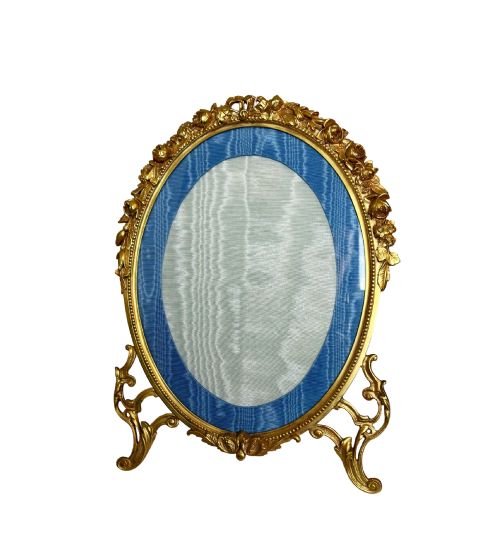
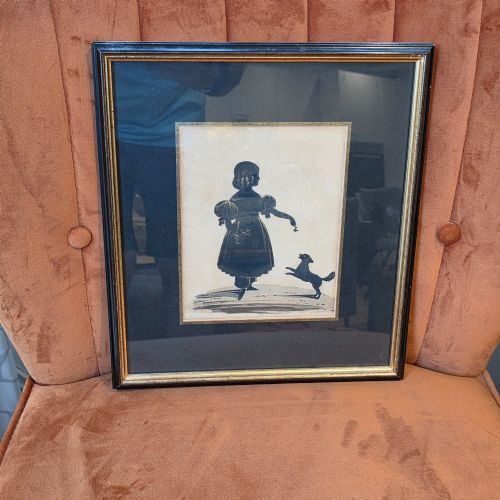
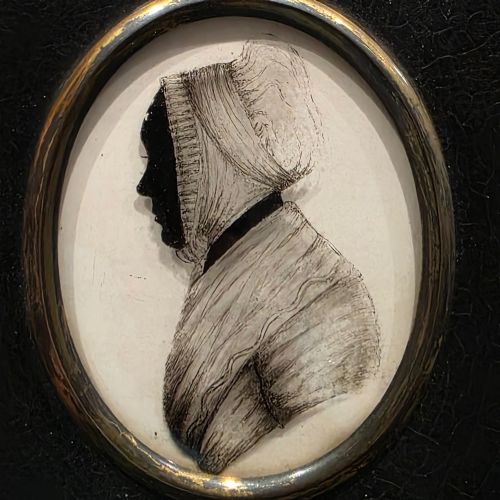
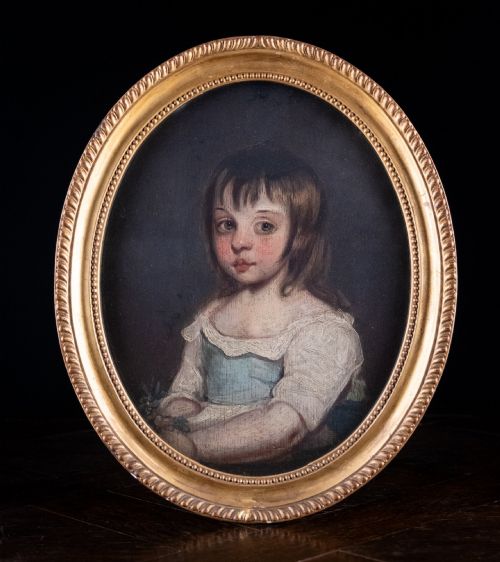
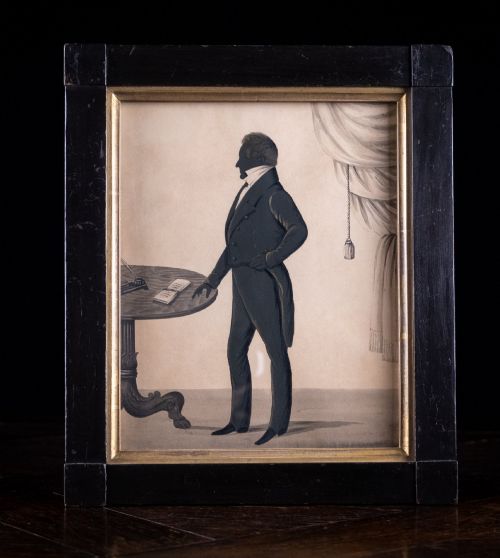
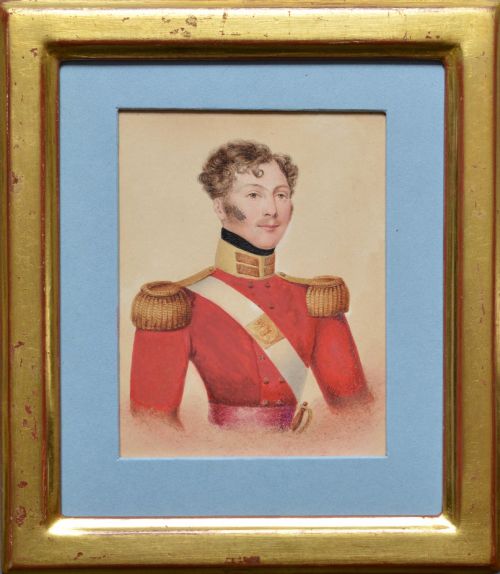
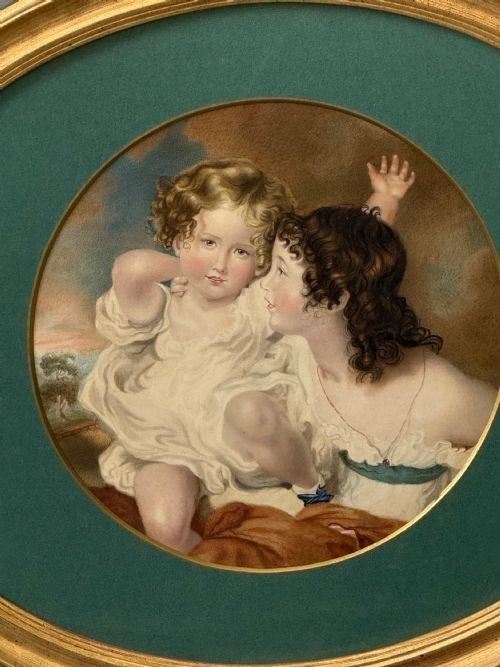
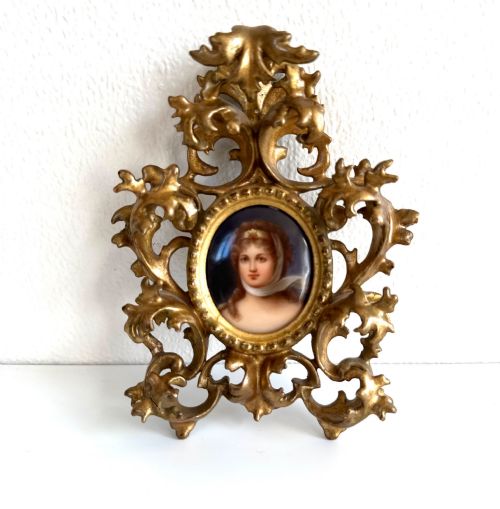
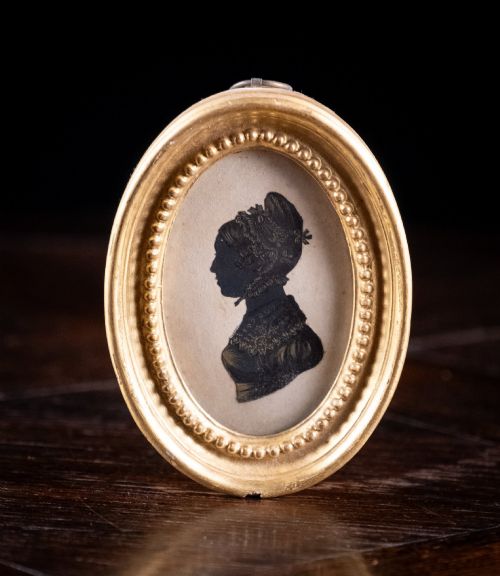
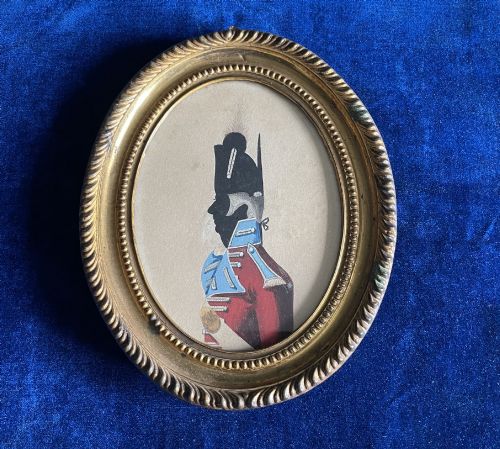
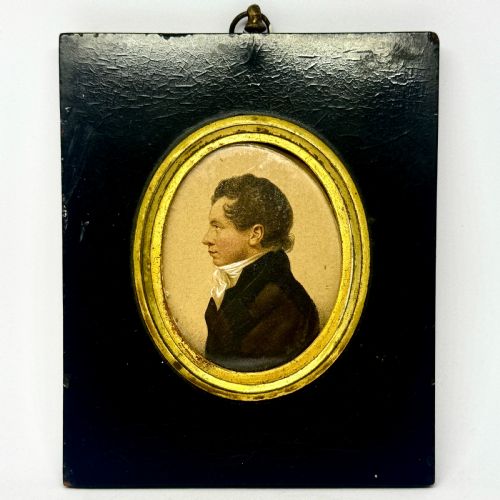
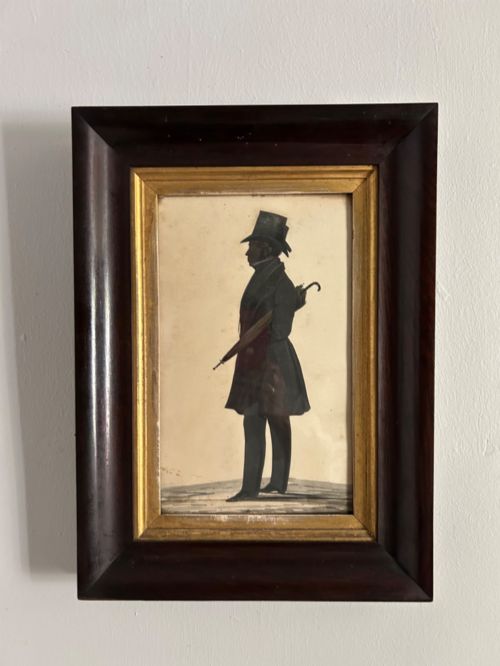
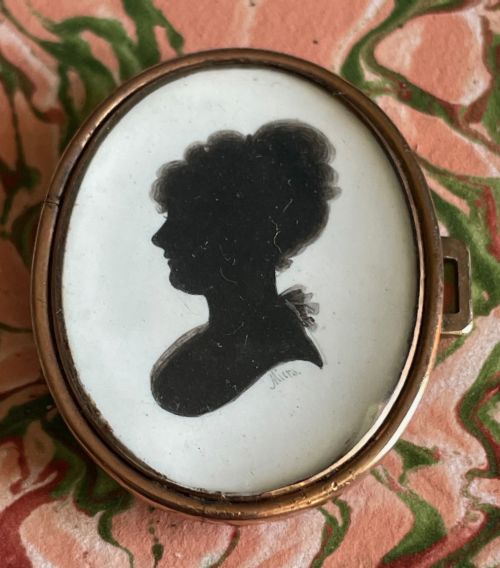
A gilt framed portrait miniature presents a small-scale likeness of an individual, usually executed during the Georgian, Regency, or 19th-century periods. These portable works capture subjects ranging from anonymous children and leading comic actresses to named historical figures like HRH Prince Charlotte.
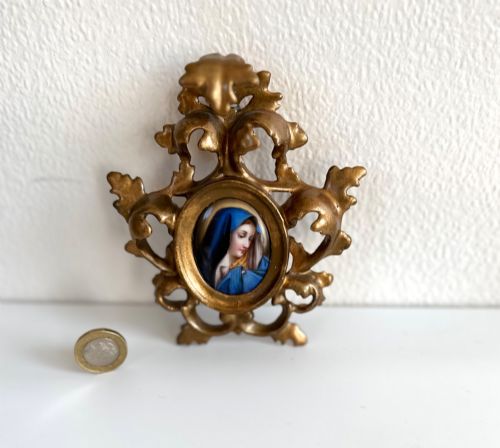
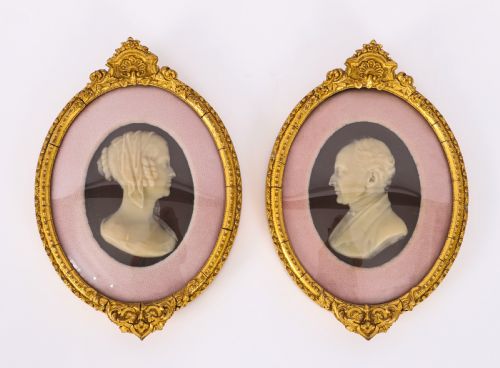
The objects take the form of miniature paintings and wall art housed within ornate metal or wooden surrounds. Buyers frequently encounter oval formats and companion pairs depicting ladies and gentlemen from the late 18th century onward.
Originating as intimate tokens of affection or status, these pieces rely on careful hand-painted execution rather than mechanical reproduction. Their survival depends on the protective housing of glass, gilt metal, and giltwood frames.
How they were made
The resulting painted surfaces were then secured beneath protective glass to prevent dust and moisture damage. Surrounding structures utilised gilt metal and giltwood to provide a gleaming decorative border suitable for wall display or personal carriage.
Retail Price Guide 2026
Typical UK retail prices for gilt framed portrait miniature, calculated from the Sellingantiques database of over a million retail prices indexed since 2003. This retail price guide relies exclusively on Sellingantiques data; no external sources or auction records are used, so the figures do not describe the wider market.
A leading comic actress shares space with royalty among the painted faces.
What varies in quality
The finesse of the brushwork largely defines the distinction between standard examples and exceptional works by recorded artists. Precision in rendering lace collars, facial expressions, and hair marks the hand of a skilled miniaturist.
The craftsmanship of the housing also influences the overall standard, distinguishing simple mounts from substantial giltwood and gilt metal frames. The preservation of the original pigments without fading or flaking maintains the visual impact of the piece.
William Naish·George Hargreaves·Emma Kendrick·Henry Pierce Bone
The Gilt Framed Portrait Miniature Glossary
- Miniature painting
- A small-scale artwork executed with fine brushes, designed to capture likenesses in great detail.
- Gilt metal
- A base metal treated with a thin layer of gold or gold-coloured wash to provide a bright metallic finish.
- Gouache
- An opaque watercolour medium that allows artists to build solid highlights and rich areas of colour.
- Enamel
- A durable glassy substance fused to a metal backing through firing, offering lasting brilliance of tone.
Frequently Asked Questions
How were portrait miniatures displayed?
These small artworks were designed either to hang on walls within decorative gilt frames or to be carried personally as keepsakes.
Their compact size allowed owners to keep likenesses of family members close at hand during travel or within private domestic spaces.
What materials make up the frames?
Frames typically incorporate gilt metal or carved giltwood to provide a bright border that complements the delicate artwork inside.
Glass fronts protect the fragile painted surfaces from environmental damage over the centuries.
How can I tell the period of a miniature?
Stylistic clues in the subject's clothing, hairstyle, and lace details often point toward the Georgian, Regency, or later 19th-century eras.
Documentation of known artists working within specific date ranges also helps anchor the piece in time.
Are all miniatures painted on paper?
While watercolour and gouache appear on paper, artists also utilised prepared ivory surfaces and enamel fused to metal.
Each medium required distinct painting techniques to achieve the desired level of realism and permanence.