





Antique Enamel Plaque
An antique enamel plaque brings together metallic lustre and fused glass durability, offering rich colour and miniature detail that endures across the centuries.

Antique Enamel Plaque
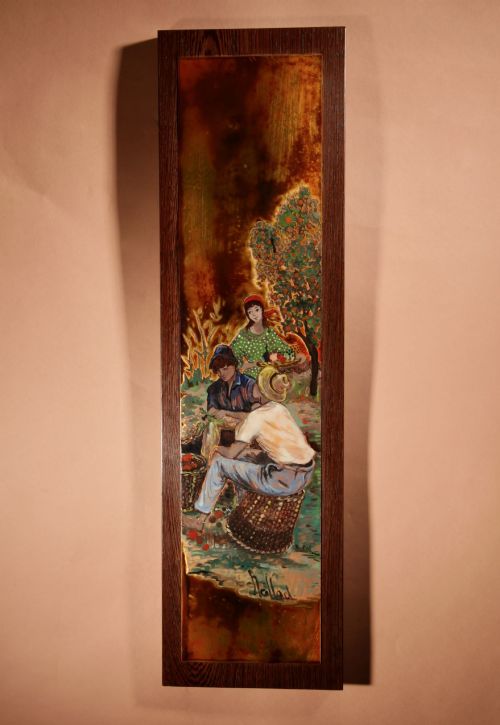
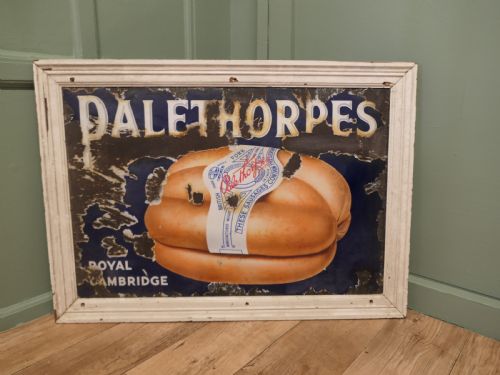
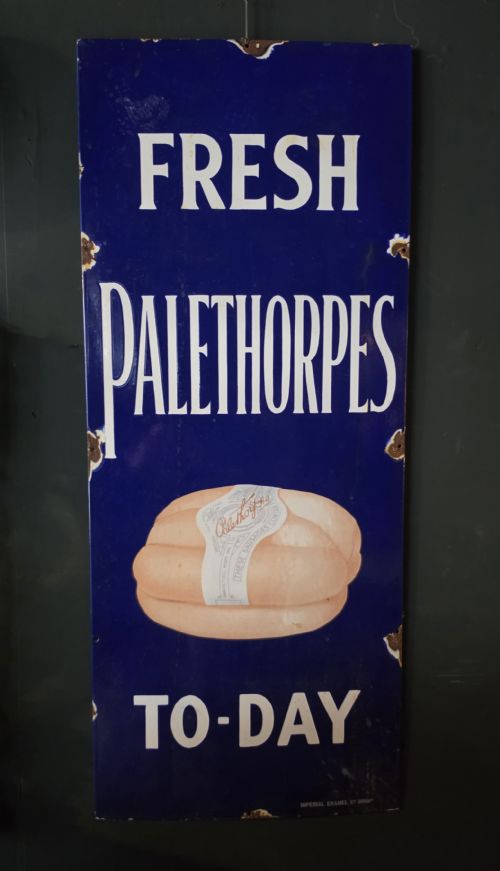
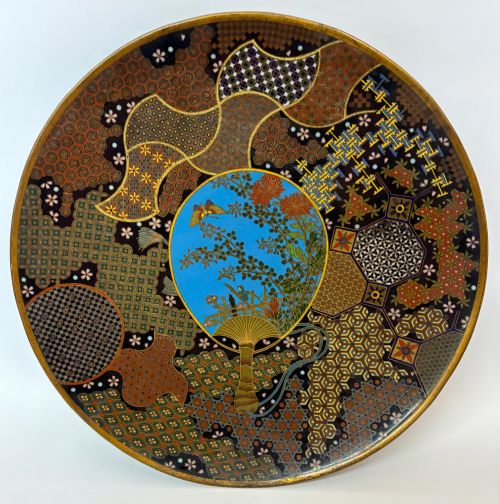
When searching for an antique enamel plaque, collectors encounter a diverse group of objects spanning delicate 18th-century cabinet pieces to robust 20th-century advertising signs. The selection on this page frequently includes Japanese Meiji period cloisonné chargers, French Limoges painted compositions, and British utility signs from the Victorian and Edwardian eras.
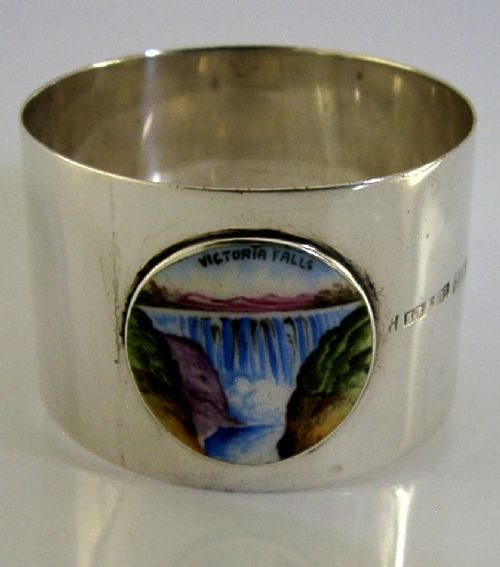
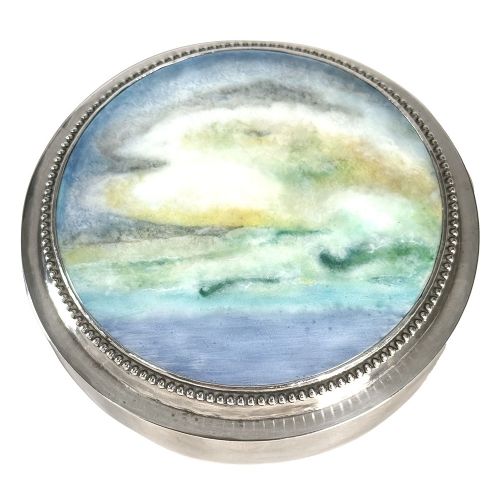
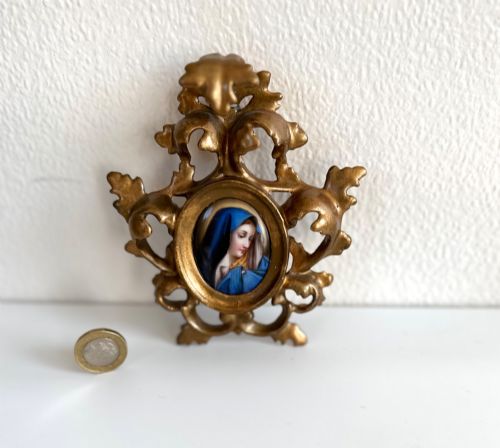
Early examples tend toward small pictorial plaques, snuff box lids, and devotional miniatures framed in precious metals or mounted on wood. Later manifestations scale up into heavy street signage, railway notices, and large decorative chargers depicting birds, flora, and narrative scenes.
The physical format shifts considerably between periods, moving from hand-painted copper grounds designed for close inspection to industrial vitreous enamel fused onto iron plates for public display. Buyers find that older European works focus on portraiture and mythology, while Japanese imports showcase intricate wirework depicting dragons, samurai, and koi.
Materials and technique
Makers fused powdered glass onto metal bases - primarily copper, iron, and brass - at high temperatures to create a vitrified surface impervious to fading. In Japanese cloisonné production, artisans soldered thin metal wires to form intricate cells, filling each compartment with coloured enamels before firing and polishing.
Limoges and South Staffordshire works relied on painting finely ground coloured oxides directly onto a white enamel ground, building up layers through repeated kiln firings. Industrial signs utilised stencils and screen methods to apply vitreous enamel onto iron sheet blanks, creating durable surfaces designed to withstand weather.
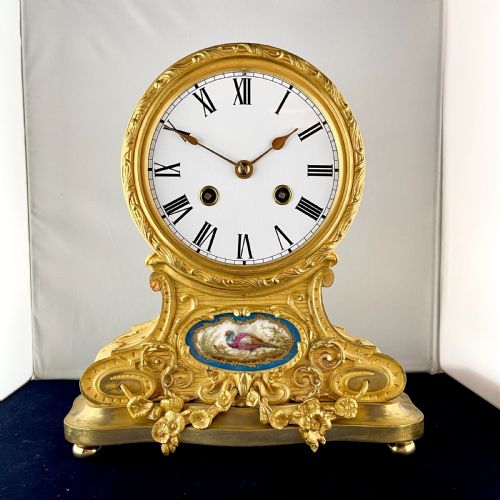
Substrates varied according to the intended function, ranging from soft gold and silver alloys for jewellery inserts to heavy cast iron and copper for architectural plaques and signage. Gilt bronze mounts and wooden frames frequently finished the pieces, providing structural support to brittle enamel surfaces.
Antique Enamel Plaque Retail Price Guide 2026
Typical asking prices for enamel plaque among the pieces listed under this phrase on Sellingantiques today, from the lower quarter to the upper quarter. They describe what is for sale here now, not the wider market.
Dogs, frogs, and cheetahs frequently share surface space with human subjects on Japanese chargers and European advertising signs alike.
Markers of distinction
Quality rests upon the precision of the firing process and the fineness of the hand-painted or wire-laid detail. Superior pieces display smooth, unblemished surfaces with minimal pitting, distortion, or stress cracking in the glass layer.
Artistic execution dictates value, separating mechanically produced advertising from masterwork pictorial plaques attributed to skilled workshops. The complexity of the palette, the crispness of the cloisonné wire boundaries, and the depth of the translucent enamel layers all contribute to a higher tier of craftsmanship.
Samson·Royal Worcester
The Antique Enamel Plaque Glossary
- Cloisonné
- A decorative technique where metal wires form small compartments on a metal base to hold coloured glass paste before firing. This method produced intricate linear designs seen on Japanese chargers.
- Vitreous enamel
- A material made by fusing powdered glass to a substrate by firing, usually between 750 and 850 degrees Celsius. The resulting compound is durable and retains its colour indefinitely.
- Limoges
- A French city renowned for its enamel production, particularly finely painted Renaissance-style portrait plaques on copper. Artisans there mastered the technique of grisaille to create tonal depth.
- Grisaille
- A painting method executed almost entirely in shades of grey or neutral monochrome to give the illusion of a three-dimensional sculpture. Limoges makers utilised this technique for dramatic pictorial panels.
Antique Enamel Plaque: Frequently Asked Questions
How do I clean an antique enamel plaque?
Dust the surface gently with a soft, dry cloth to remove accumulated particles without scratching the vitrified glass.
Avoid liquid cleaners, chemical solvents, or abrasive cloths, as these can damage exposed metal mounts and weaken fragile enamel edges.
Were these plaques meant for indoor or outdoor use?
Cabinet plaques, miniatures, and cloisonné chargers were strictly intended for interior display on walls, in display cabinets, or upon mantelpieces.
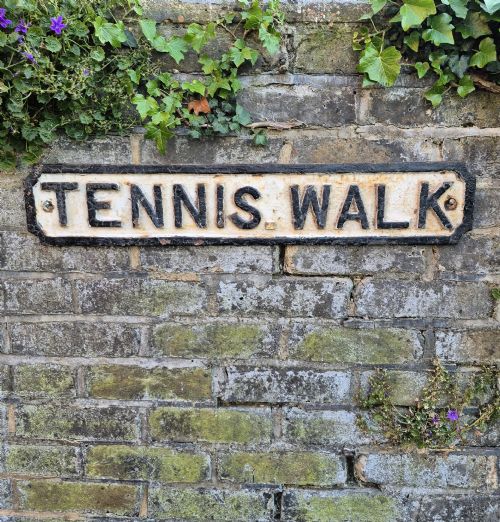
Industrial signs and vitriolite panels were manufactured for exterior architectural placement, designed to endure harsh weather conditions on streets and railway stations.
How can I tell an 18th-century plaque from a 19th-century copy?
Examine the composition of the metal base and the characteristics of the enamel ground, which older pieces show through hand-hammered irregularities and natural material variation.
Twentieth-century reproductions often display machine-rolled uniformity and lack the subtle tonal gradations achieved by earlier artist-painters.
What is the difference between cloisonné and painted enamel?
Cloisonné relies on soldered metal wires to create physical barriers that separate different coloured glass pastes before the firing process.
Painted enamel involves applying fine mineral pigments directly onto a flat prepared metal surface with a brush, resembling traditional canvas painting.