


Regency Female Portrait Miniature
These regency female portrait miniature works capture intimate likenesses in small formats, prized for their delicate detail and personal history.
Regency Female Portrait Miniature
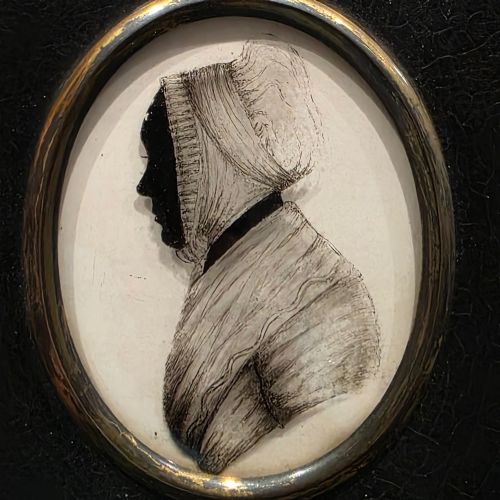
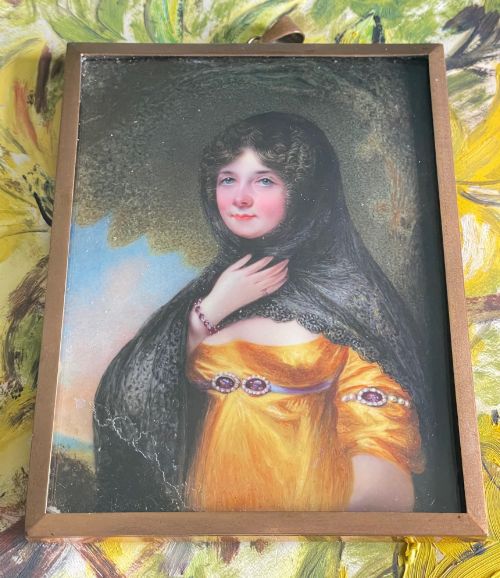
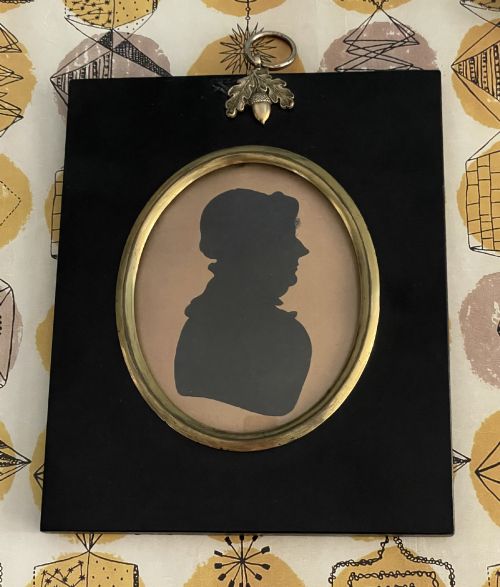
The pieces on this page appear as framed wall art, delicate paintings, and silhouette miniatures. Most examples date from the early nineteenth century, around eighteen hundred to the eighteen thirties, reflecting the prevailing styles of British portraiture.
Makers utilised paper, ivory, glass, and card as supports for these delicate images. The resulting objects range from simple silhouettes to highly finished watercolours and enamels.
How they were made
Artists applied watercolour, gouache, pastel, and enamel directly onto surfaces such as ivory, paper, and glass to achieve fine detail. Enamel works involved fusing powdered glass to a metal backing through high heat, while watercolours relied on delicate pigment layering on paper or prepared ivory leaves.
Silhouettes were painted directly onto glass or paper, sometimes enhanced with gold highlights or colour wash. These techniques required steady hands and miniature brushes to capture facial expressions and period attire on a tiny scale.
Finished portraits were housed in protective surrounds of gilt metal, brass, ebonised wood, and rosewood frames. Some pieces retained original tooled leather carrying cases designed for safe transport.
Listings feature works executed in watercolour, gouache, enamel, and pencil on paper, ivory, and glass.
What varies in quality
The preservation of the delicate media also dictates standing, as watercolours and ivories are prone to fading or surface cracking over time. Intact original glazing and housings in materials like rosewood or gilt metal enhance the integrity of the piece.
Horace Hone·Nicolas Freese·Albin R Burt·Emma Kendrick·Edward Smyth·Henry Pierce Bone·Isaac Wane Slater·Jeremiah Steele·George Perfect Harding·George Clint
The Regency Female Portrait Miniature Glossary
- Miniature portrait
- A small-scale painting executed with fine detail, typically depicting a specific person. These objects were often worn as jewellery or kept in protective cases.
- Gouache
- An opaque watercolour paint that provides solid, flat areas of colour and allows for highlights. Artists used it alongside transparent watercolour to build depth in clothing and skin tones.
- Ebonised wood
- Timber treated to resemble ebony, frequently used for dark, contrasting frames during the Georgian and Regency eras. It provides a stark border that draws the eye inward to the painted subject.
- Reverse painted silhouette
- An image painted on the underside of a piece of glass, often backed with silk or paper. This technique protected the pigment from dust and damage.
- Enamel portrait
- A painting created using vitrified glass pastes fired onto a metal plate. This medium yielded durable surfaces with lasting brilliance and resistance to fading.
Regency Female Portrait Miniature: Frequently Asked Questions
How were portrait miniatures worn or displayed?
Many early portable likenesses were housed in small leather cases or worn as lockets close to the heart. Others featured suspension loops for chains or were simply hung on parlour walls in small groups.
Over time, framing styles shifted toward dedicated wall display using rosewood or ebonised wood surrounds fitted with brass hangers.
What materials appear most often?
Watercolour and pencil on paper or ivory form the basis of the majority of these small works. Artists also employed gouache, enamel, and glass for specialised silhouette and painted effects.
Protective housings incorporate brass, gilt metal, wood, and leather cases lined with silk or velvet.
How do you date an antique miniature?
Clothing styles, particularly bonnets, gowns, and hairstyles such as ringlets, offer the clearest initial clues for dating. The materials of the frame and the mounting techniques provide supporting evidence for the period of production.
Signatures, inscriptions on the reverse, and documented artist working dates help narrow the timeline further.
Are silhouettes considered portrait miniatures?
Profile likenesses cut from paper or painted on glass belong firmly within the miniature tradition. They offered a swift and affordable alternative to detailed watercolour or oil paintings during the Regency era.
Makers frequently added delicate gold highlights and watercolour washes to enhance the profile's appearance.