



Ebonised Frame Wall Plaque
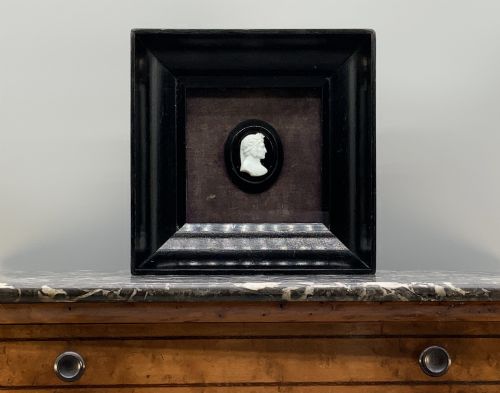
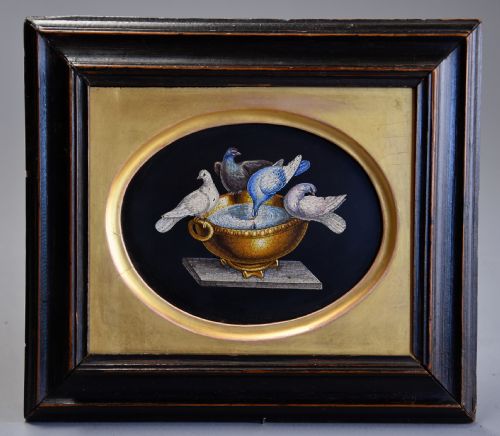
An ebonised frame wall plaque brings dark, contrasting elegance to a room, framing miniature portraits, micromosaics, and classical reliefs with stark severity.
Ebonised Frame Wall Plaque
When you search for an ebonised frame wall plaque, you are looking at decorative wall art enclosed within dark, blackened timber mouldings. These pieces range from nineteenth-century Italian micromosaics and carved ivory classical portraits to enamel plaques and bronze reliefs.
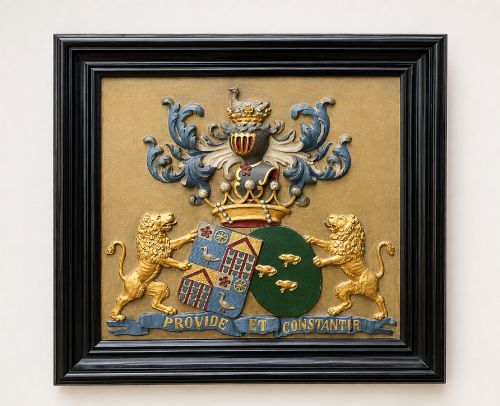
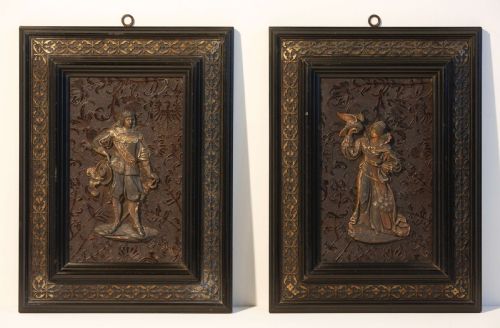
The selections on this page span several periods, including the eighteenth century, the Regency era, and the late nineteenth century. Forms vary from oval miniature portraits and heraldic marriage plaques to rectangular architectural panels and relief tableaux.
Origin and style often dictate the character of the piece, drawing upon Neoclassical, Baroque, Renaissance Revival, and Grand Tour influences. The ebonised wood setting serves to isolate and elevate the finely detailed artistry contained within.
Materials and construction
The central artworks themselves utilise diverse media recorded across the listings, including carved ivory, painted porcelain from Limoges, enamel, and glass. Micromosaics and white metal relief panels further demonstrate the intricate handwork involved in producing these decorative wall objects.
The pieces span the eighteenth century, the Regency era, and the late nineteenth century.
Judging quality in ebonised frames and plaques
Quality rests upon the crispness of the central relief or the precision of the miniature work, whether in the fine tesserae of a micromosaic or the delicate brushwork of a painted porcelain panel. The skill of the artisan defines the depth and expression found in portraiture and narrative scenes.
The joinery and finish of the ebonised wood frame contribute significantly to the overall merit of the piece. A superior frame maintains a deep, consistent dark surface without obscuring the underlying grain or moulding profile, providing a stable and harmonious border for the artwork.
The Ebonised Frame Wall Plaque Glossary
- Ebonised wood
- Timber treated with stain, dye, or polish to achieve the dense black appearance of ebony. It became popular in various periods to imitate exotic hardwoods and create high contrast.
- Micromosaic
- A detailed picture assembled from tiny pieces of opaque coloured glass called tesserae. These were frequently acquired as souvenirs during the Grand Tour in Italy.
- Relief
- Sculptural technique where figures or ornamentation project from a flat background. Reliefs on these plaques are cast in bronze, carved in ivory, or fashioned in metal.
- Grand Tour
- A cultural journey through Europe undertaken by upper-class young men in the eighteenth and nineteenth centuries. Travellers collected art objects such as portrait plaques and micromosaics as mementos.
- Neoclassical
- A style inspired by the classical art and architecture of ancient Greece and Rome. This aesthetic heavily influences the subject matter of many nineteenth-century portrait and relief plaques.
Ebonised Frame Wall Plaque: Frequently Asked Questions
How do I hang an ebonised frame wall plaque safely?
Most of these pieces utilise integrated hanging loops or rings affixed to the reverse of the wooden frame. Ensure your wall fixing matches the weight of the timber and glass components.
Position the plaque at eye level where direct sunlight will not fade delicate painted enamel or ivory surfaces over time.
What periods do these wall plaques come from?
The listings encompass items spanning the eighteenth and nineteenth centuries, including Regency and Victorian eras. Stylistic indicators like Grand Tour motifs and Baroque revival elements help contextualise the production date.
Makers often drew upon earlier historical subjects, such as seventeenth-century figures rendered in nineteenth-century metalwork.
How should I clean an ebonised frame?
Dust the blackened wooden frame gently with a dry, soft cloth to prevent the accumulation of grit in the mouldings. Avoid liquid cleaners or polishes that might strip the ebonised finish or seep into the central plaque.
If the plaque contains glass, clean the glazing sparingly with a mild glass cleaner applied to a cloth rather than sprayed directly onto the frame.
Are micromosaic plaques fragile?
Micromosaics consist of thousands of tiny glass tesserae held in place by a bedding material. While durable under normal indoor conditions, they require careful handling to prevent impact damage that could dislodge the microscopic elements.
Keep them away from extreme temperature fluctuations and high humidity to preserve the structural integrity of the mosaic composition.