

Georgian Miniature Portrait Art
Georgian miniature portrait art brings faces from the eighteenth and nineteenth centuries into your room in astonishingly intimate scale.
Georgian Miniature Portrait Art
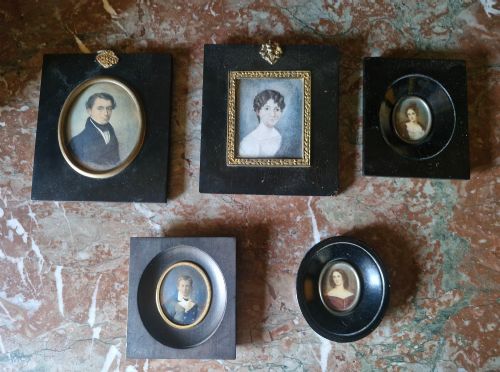
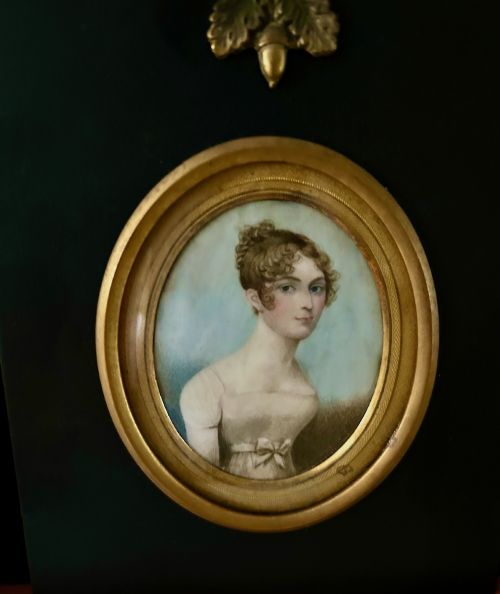
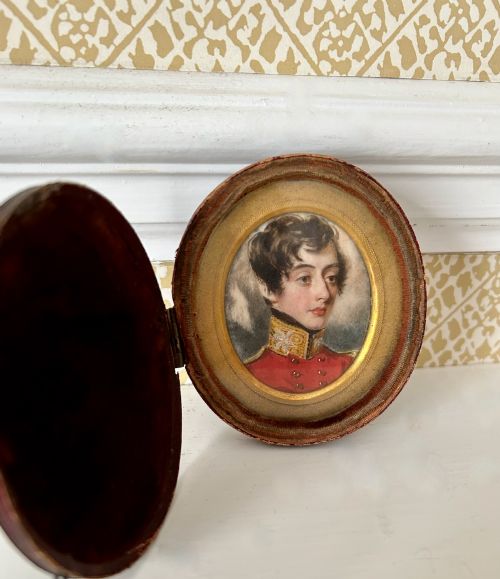
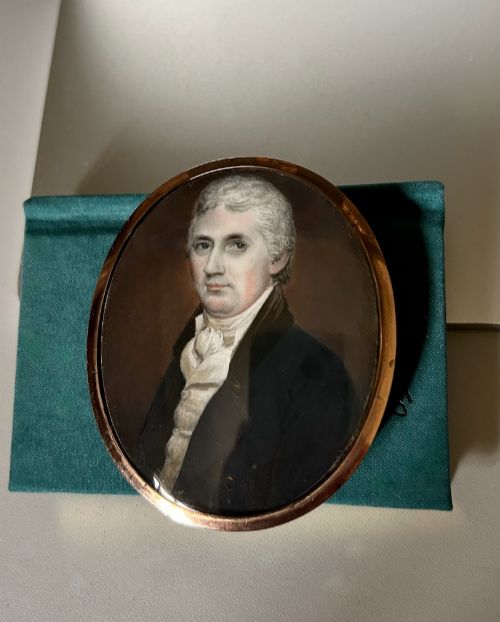
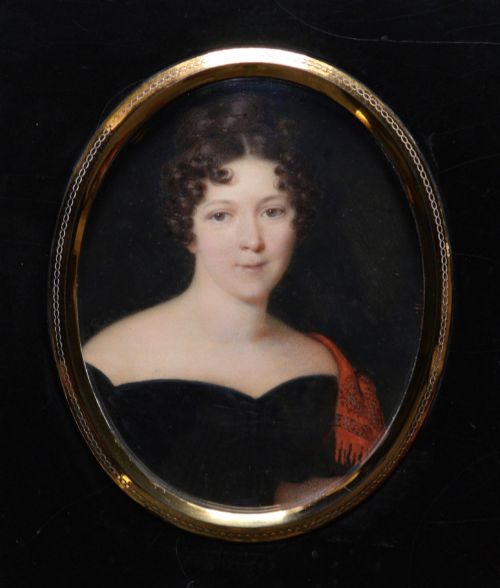
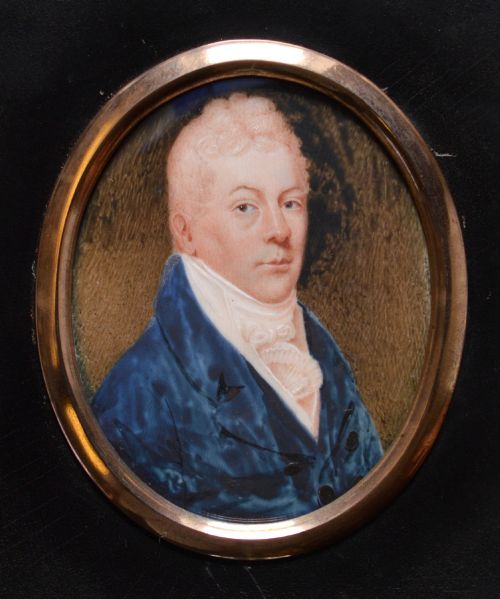
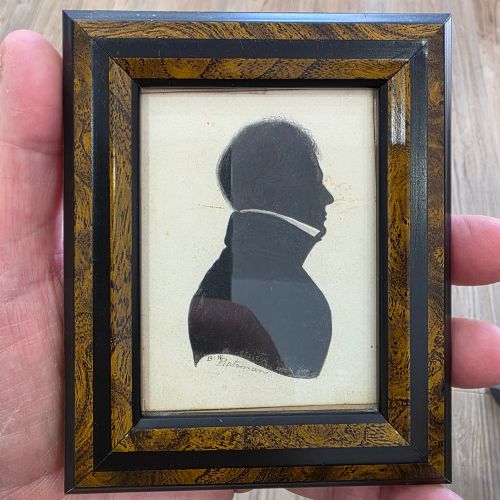
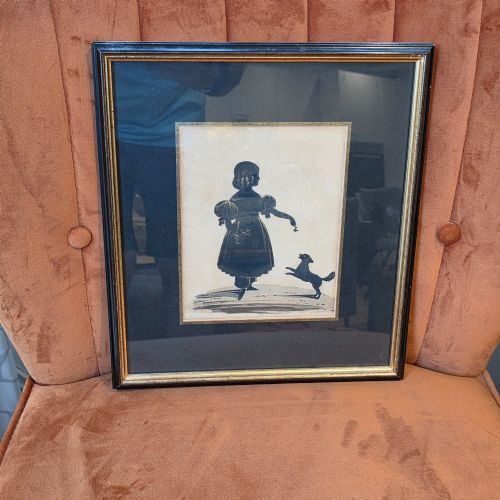
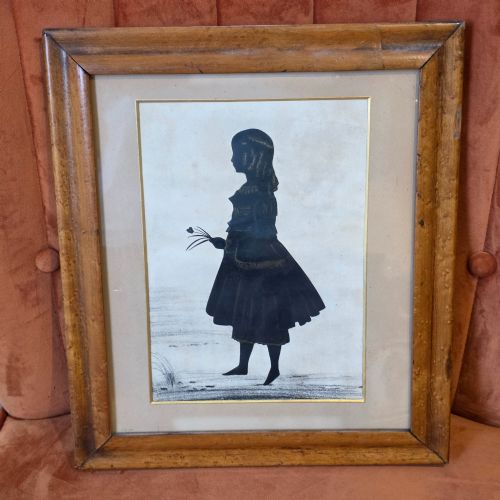
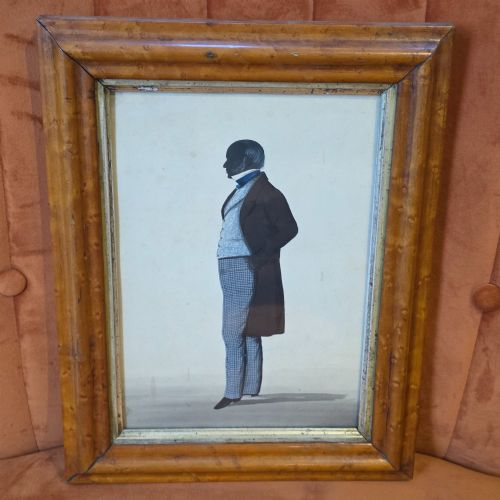
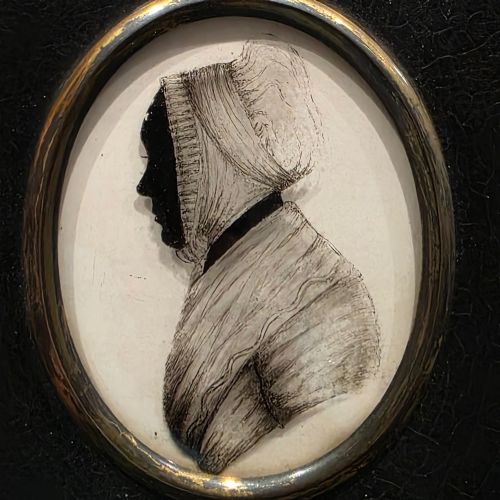
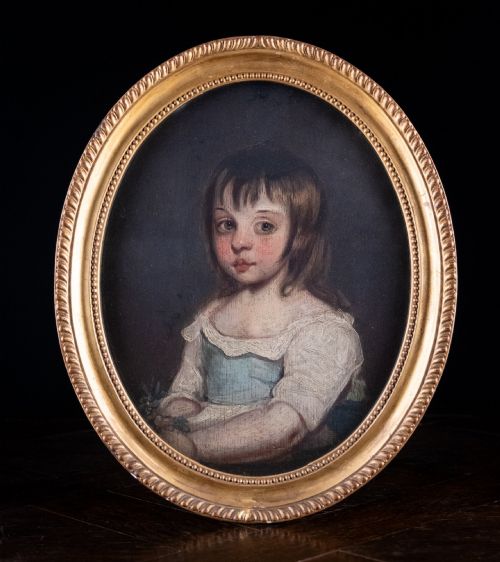
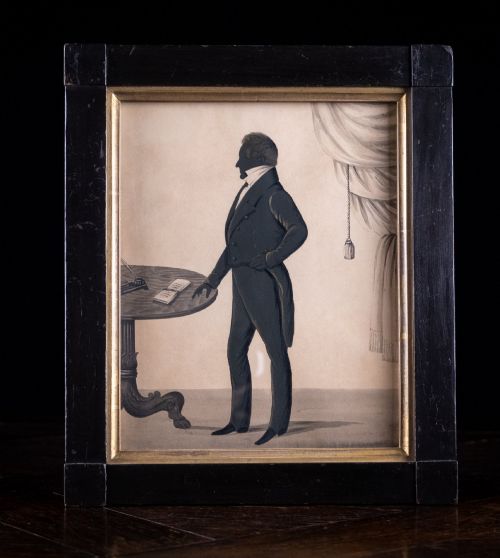
Georgian miniature portrait art encompasses small-scale paintings, silhouettes, and profiles created during the Georgian and Regency periods. You will encounter framed likenesses of officers, children, and ladies rendered with striking precision.
The pieces on this page range from hand-cut silhouettes on paper to detailed watercolours and enamels set within wooden or gilt metal frames. Many bear the distinct stylistic marks of the British School and European makers working in the eighteenth and nineteenth centuries.
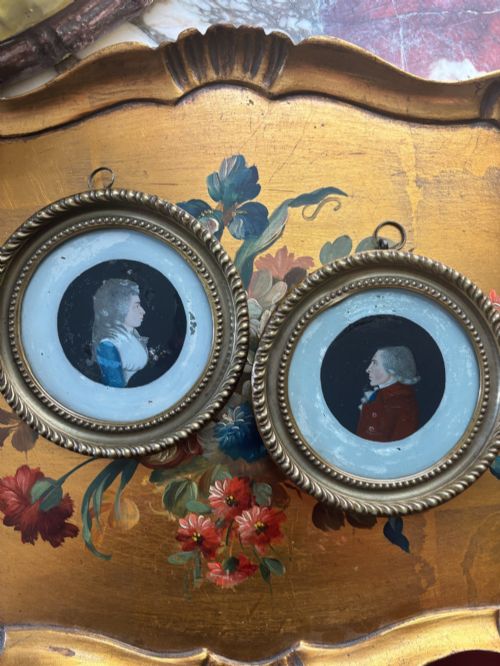
Subjects appear either as profile shades or fully rendered watercolour and enamel studies, often preserved behind glass in oval ebonised or brass surrounds. These works served as personal tokens of affection or family record long before the advent of photography.
Materials and technique
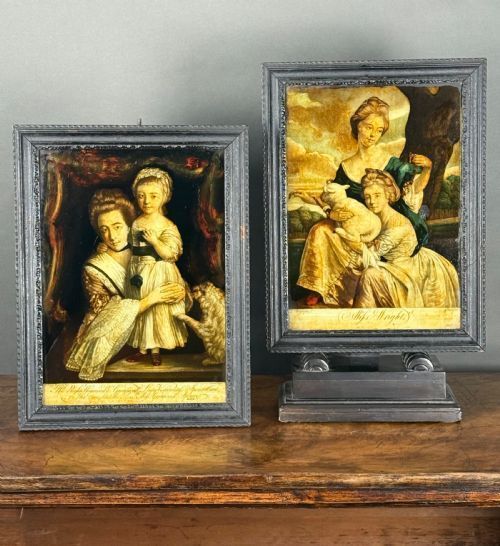
Artists worked on paper, vellum, glass, and prepared panels using watercolour, ink, plumbago, and enamel. Pigments were applied with microscopic precision, sometimes combined with reverse glass painting or cut-paper silhouette techniques.
Frames play a crucial role in construction, utilising brass, gilt metal, wood, and ebony to protect the fragile art within. Miniature pendants often incorporate 14K gold or seed pearls, enclosing the portrait securely behind convex glass.
Several silhouettes capture beloved household pets alongside their owners, proving that Georgian portraiture was just as devoted to dogs.
What separates the finest pieces
Quality rests entirely in the surety of the hand and the psychological depth captured in miniature. A superior artist commands fine brushwork or scissors to convey texture, character, and costume detail without hesitation.
The preservation of the original surface and mounting dictates distinction. Works retaining their untouched ebonised frames, reverse glass integrity, and legible contemporary inscriptions outshine pieces altered or re-framed later.
William James Hubard·Henry Bone·James Sharples·Horace Hone·Charles Shirreff·Richard Cosway·John C D Engleheart·John Taylor
The Georgian Miniature Portrait Art Glossary
- Plumbago
- A drawing executed in graphite, taking its name from the Latin word for lead ore. These monochrome works rely on delicate hatching to build form.
- Enamel
- A powdered glass fused to a metal backing through intense heat. This technique creates a glossy, permanent portrait surface resistant to fading.
- Silhouette
- A portrait profile filled in with a solid dark colour, usually cut from paper or painted. The form derives its name from Étienne de Silhouette.
- Reverse glass painting
- An image applied directly to the rear side of a glass sheet and viewed from the front. This method gives the work a luminous depth.
Georgian Miniature Portrait Art: Frequently Asked Questions
How were miniature portraits displayed?
These small works hung on walls in tight clusters or sat upon desks and dressing tables. Many were also worn as pendants close to the heart.
Their intimate scale allowed owners to carry likenesses of family members during travel or keep them privately in specialised cases.
Are silhouettes considered miniatures?
Profiles cut from paper or painted in black ink fall squarely within the miniature tradition. They offered a swift and accurate likeness before photography.
Artists often highlighted these shadow portraits with touches of gold watercolour or white highlights to define costume details.
How do I date a portrait miniature?
Costume, hair styling, and framing materials provide the clearest clues to age. High collars, powdered wigs, and specific bonnet shapes tie directly to Georgian and Regency fashions.
Backpaper inscriptions and maker signatures, when present, further anchor the piece to a specific decade.
How should I care for these portraits?
Keep miniatures away from direct sunlight to prevent watercolour and paper pigments from fading. Enamels and glass paintings are similarly sensitive to thermal shock and strong light.
Maintain stable room humidity to protect the organic materials and historic wooden frames from warping.