


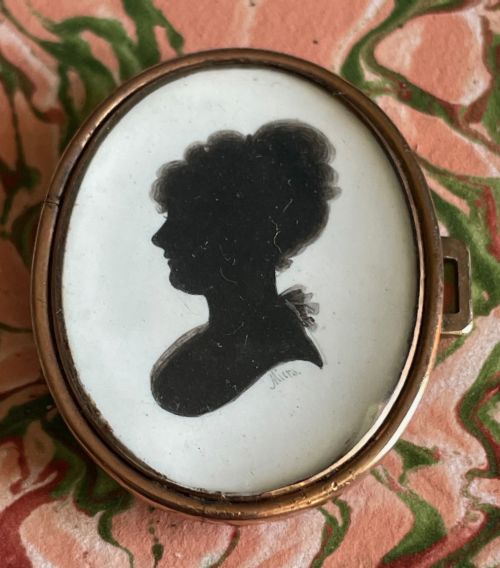

Black Framed Miniature Portrait
A black framed miniature portrait offers an intimate glimpse into past lives through delicate silhouettes and paintings preserved in dark surrounds.
Black Framed Miniature Portrait
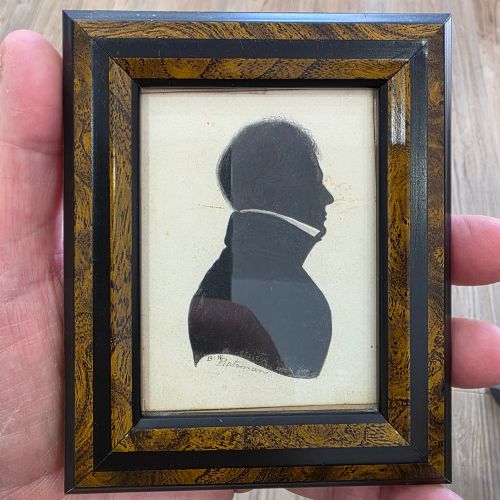
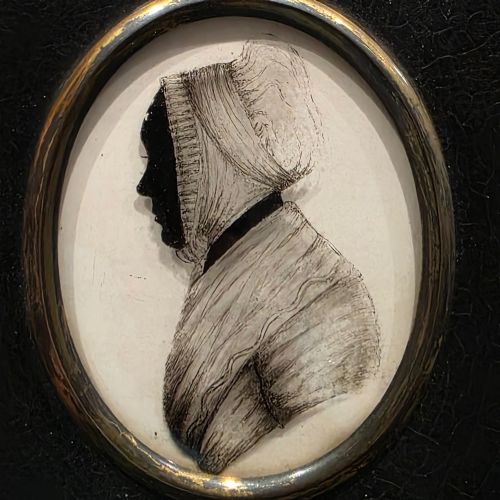
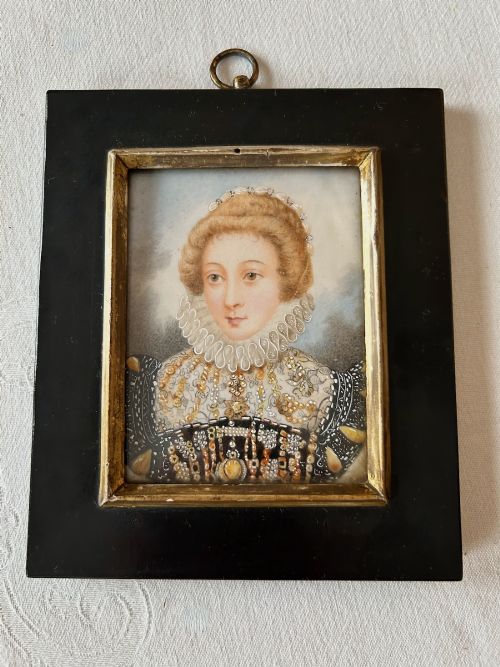
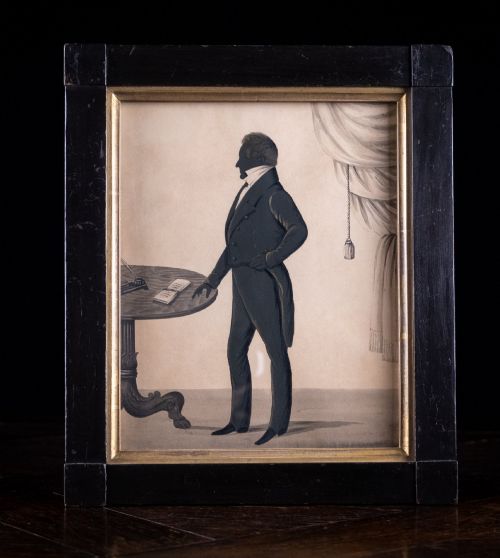
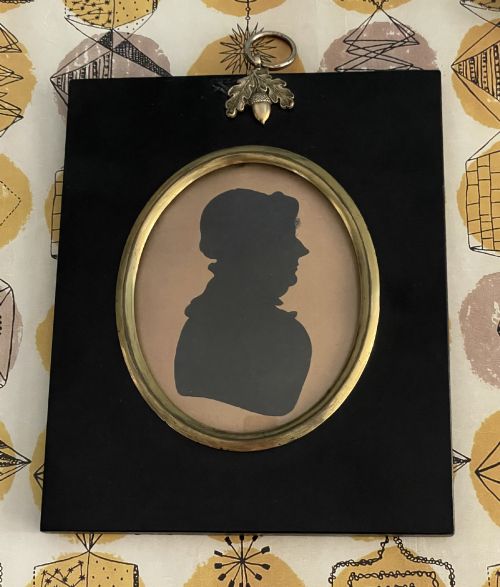
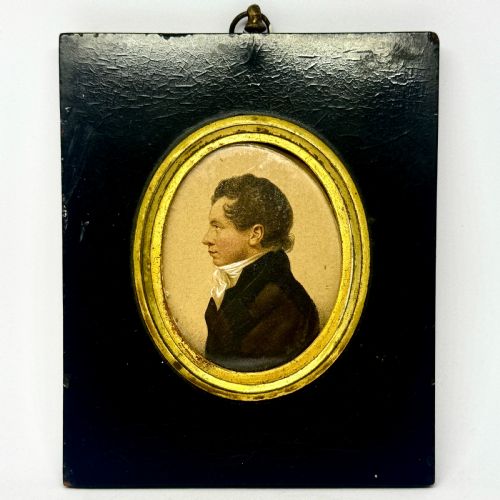
A black framed miniature portrait represents a small-scale likeness created during the Georgian, Regency, and Victorian periods. Buyers encounter cut-paper silhouettes, watercolour paintings, and plumbago drawings housed within ebonised wood or dark timber surrounds.
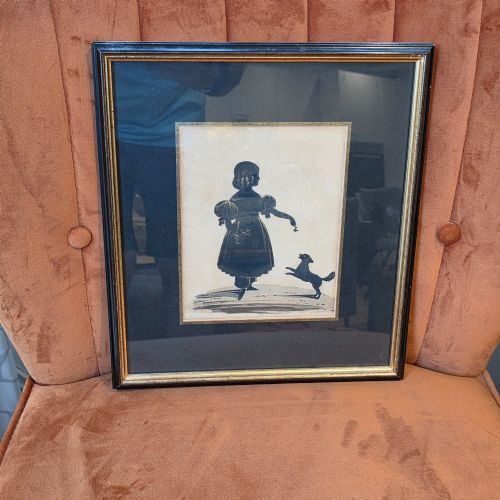
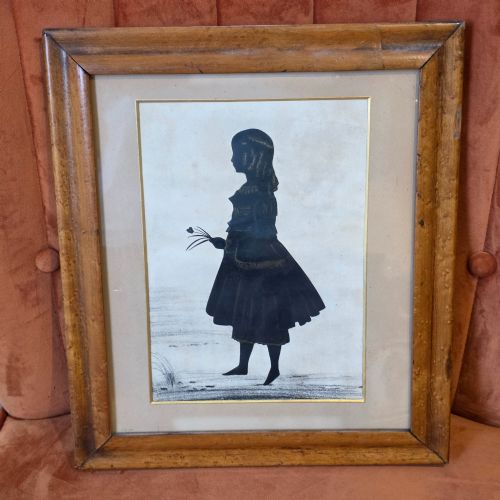
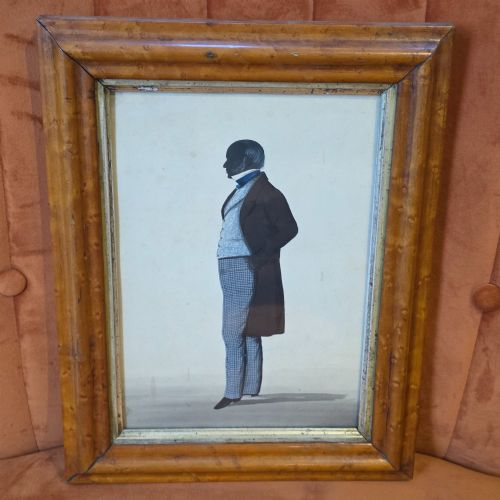
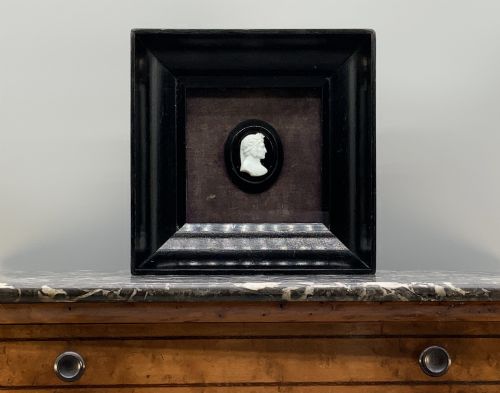
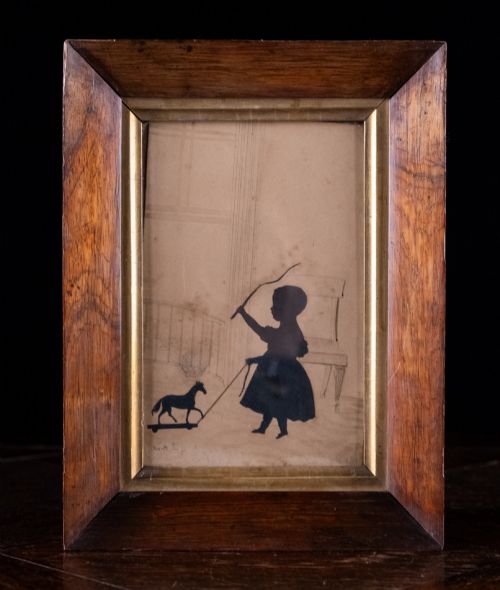
The subjects range from profile silhouettes of gentlemen and children to finely painted oval portraits of ladies. These works capture personal likenesses through media such as ink, glass, and carved ivory.
Examples span the eighteenth and nineteenth centuries, including works by notable profile artists and anonymous folk art pieces. The dark framing provides a stark contrast that draws the eye directly to the painted or cut subject.
How They Were Made
Artists utilised watercolour, ink, and plumbago on paper, card, or plaster to render fine facial details at a reduced scale. Silhouette artists cut paper by hand or painted directly onto glass and plaster surfaces.
Frames typically consist of ebonised wood, rosewood, or Hogarth mouldings, protecting the fragile interior with glass and often incorporating brass slip mounts. Gold leaf highlights frequently accent the cut paper and silhouette profiles.
Several profiles capture beloved household pets alongside their owners, including cut silhouettes of dogs and children with horses.
What Varies in Quality
The original framing contributes significantly to the overall integrity of the piece, particularly where period ebonised wood and brass elements remain intact. Provenance and legible signatures or attributions elevate specific works within the category.
William James Hubard·Henri Fradelle·George Atkinson·Henry Bone·Augustin Edouart·John Miers·Thomas London·James Ferguson
The Black Framed Miniature Portrait Glossary
- Silhouette
- A profile portrait filled in with a solid colour, usually black, created from cut paper, painted card, or plaster. These works gained immense popularity during the Georgian and Regency eras.
- Plumbago
- A drawing executed in graphite, taking its name from the Latin word for lead ore. Artists used this technique for highly detailed monochrome miniature portraits in the eighteenth century.
- Ebonised
- Wood treated to resemble dense, black ebony. This finish is frequently found on the frames enclosing Georgian and Victorian miniature portraits.
- Reverse painted
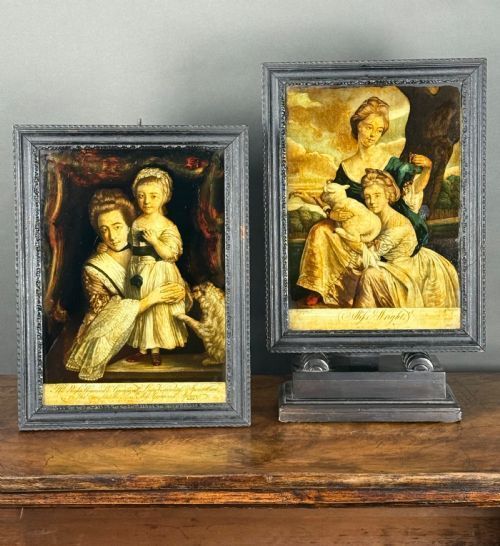
- A technique where an artist paints directly on the reverse side of a glass sheet so the image is viewed through the clear front. This method protects the pigment from dust and damage.
- Cameo
- A method of carving or moulding an object to create a raised relief image against a contrasting background. Pressed white glass paste examples appear in Georgian frames.
Black Framed Miniature Portrait: Frequently Asked Questions
What is a plumbago portrait?
A plumbago portrait is a finely detailed drawing executed in graphite on paper or vellum. These monochrome works capture remarkable facial likenesses through subtle shading and fine lines.
Craftsmen working in the eighteenth century utilised this medium to produce miniature likenesses that predated the widespread popularity of photographic portraits.
How were silhouettes created?
Silhouettes were produced by cutting profile shapes from black paper with small scissors or by painting directly onto plaster, card, or glass. Artists often added bronze or gold leaf highlights to enhance clothing and hair details.
Many examples bear signatures or stamps indicating the artist or studio where the likeness was captured during the Regency or Georgian periods.
Are these portraits original antiques?
The listings comprise genuine works originating from the eighteenth, nineteenth, and early twentieth centuries. Materials such as ebonised wood, hand-cut paper, and aged glass reflect the manufacturing techniques of those eras.
Stylistic indicators, including clothing styles and framing methods, help distinguish these period pieces from later reproductions.
How should I display them?
Miniature portraits require placement away from direct sunlight to prevent the fading of watercolours, inks, and paper supports. Grouping several framed pieces together on a wall creates a striking display inspired by historical domestic arrangements.
Stable indoor humidity levels help preserve the wooden frames, glass covers, and delicate interior media.