


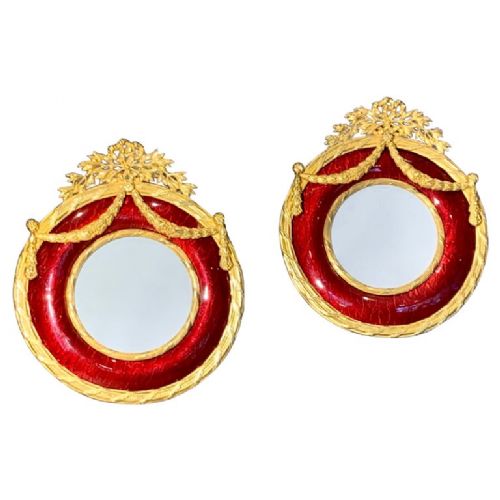
Gilt Bronze Framed Miniature
A gilt bronze framed miniature combines delicate portraiture with cast metalwork, offering a glimpse of past sitters in a decorative setting.
Gilt Bronze Framed Miniature
When you search for a gilt bronze framed miniature, you encounter small works of art housed in metal surrounds that range from simple ovals to elaborate French Rococo Revival designs. The pieces on this page span the 18th century, the Regency era, the Victorian period, and the later 19th century, reflecting diverse European tastes.
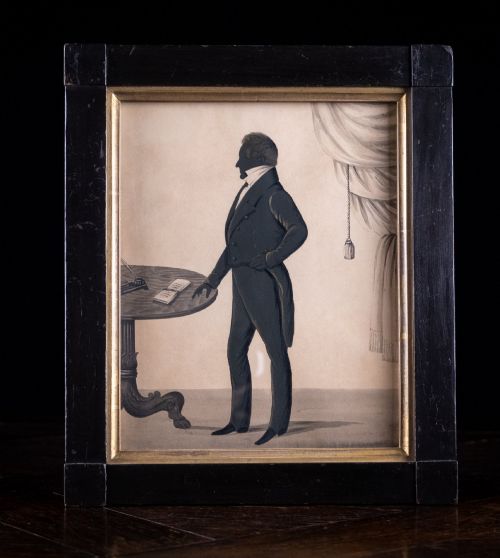
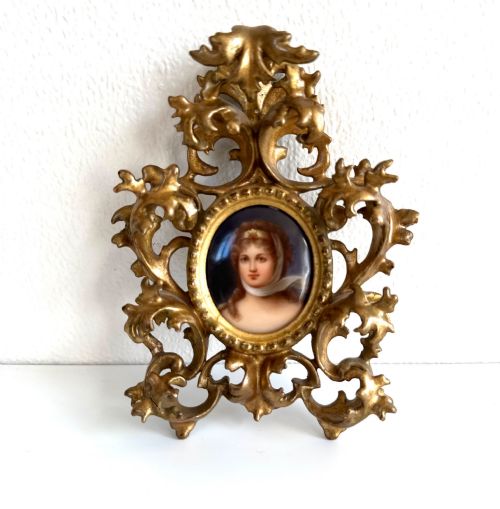
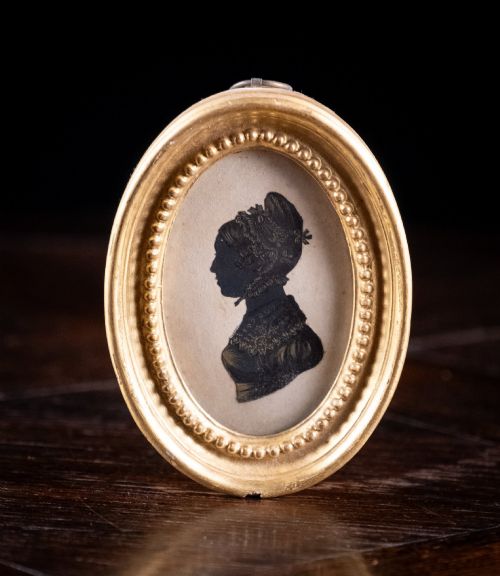
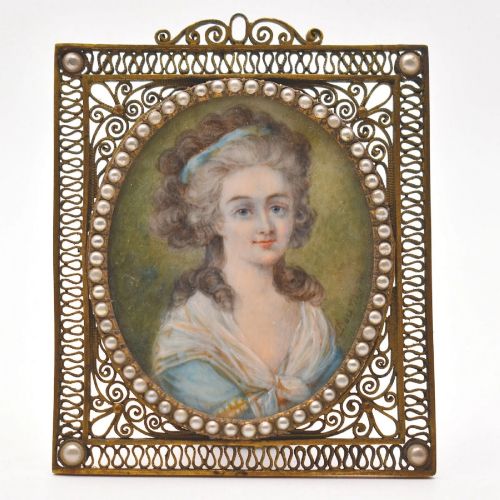
The objects take several forms, including portrait miniatures on paper or enamel, silhouettes of gentlemen and ladies, miniature paintings after Boucher, and even small table mirrors or caskets. Many items feature glazed fronts to protect the delicate painted surfaces within their cast metal housing.
Origins vary from English Georgian works to French Napoleon III pieces and Austro-Hungarian decorative objects. You will frequently find subjects depicted with meticulous detail, sometimes signed by artists or associated with specific makers.
How they were made
The frames are constructed using cast metals such as gilt bronze, ormolu, gilt metal, and brass, occasionally enhanced with gold leaf. These metal mounts are shaped into intricate scrollwork, floral motifs, or classical borders.
The interior works involve paper, ink, glass, and Limoges enamel, with portraits painted by hand or silhouettes carefully applied. Seed pearls and agate are also utilised in certain pieces to add texture and ornamental richness to the design.
Listings feature items from the 18th century, Georgian period, Regency era, and Victorian times, constructed in gilt bronze, brass, glass, and paper.
What varies in quality
The refinement of the metal casting dictates the visual impact of the frame, with chased gilt bronze and ormolu showing sharper relief than simpler brass or gilt metal mounts. Superior pieces exhibit crisp details in the scrollwork and secure fitting of the glass and backing.
The artistic execution of the interior miniature separates standard decorative items from superior works. Finer portrait miniatures demonstrate precise brushwork and facial expression, whereas lesser examples rely on simpler silhouettes or mass-produced printed elements.
Dumont·N Millett·F.Bienvue
The Gilt Bronze Framed Miniature Glossary
- Gilt bronze
- Metal cast into decorative shapes and coated with a thin layer of gold or gold-coloured alloy. This material provides a durable and lustrous finish for small frames and decorative objects.
- Ormolu
- Finely chased gilt bronze used extensively in French decorative arts during the 18th and 19th centuries. The surface is often mercury-gilded to achieve a rich golden sheen.
- Portrait miniature
- A small, highly detailed painting on paper, vellum, or enamel, popular from the 16th through the 19th centuries. These works were often intended to be worn, carried, or displayed in private rooms.
- Silhouette
- A portrait represented as a solid shape of a single colour, usually black, set against a pale background. Early examples were cut from paper or painted directly onto card.
- Limoges enamel
- Enamelwork produced in the French city of Limoges, known for vibrant colours and intricate pictorial scenes. It frequently appears on small plaques set into metal frames and mirrors.
Gilt Bronze Framed Miniature: Frequently Asked Questions
What is a gilt bronze framed miniature?
A gilt bronze framed miniature is a small portrait, painting, or silhouette enclosed in a decorative cast metal frame. These items were produced across various European periods as personal tokens or tabletop ornaments.
The metal surrounds provide both structural support and artistic ornamentation, often following styles like French Rococo Revival or Regency design. Inside, the works utilise materials such as glass, paper, ink, and enamel to depict historical sitters.
How were these miniatures displayed?
These pieces were designed to sit on tables, desks, or dressing surfaces, while others functioned as wall art or small portable items. Some elaborate examples double as table mirrors or decorative caskets.
Their compact size allowed owners to place them in private rooms or intimate spaces within the home. The inclusion of stands or hanging loops dictated whether they rested on a surface or hung upon a wall.
How do I identify the period?
Dating relies on stylistic clues found in both the frame and the interior artwork. Georgian and Regency pieces often feature restrained classical lines, whereas Victorian and Napoleon III items tend towards heavier Rococo Revival ornamentation.
Material choices also assist with chronology, as specific casting techniques and enamel types align with particular decades of the 18th and 19th centuries. Signatures or inscriptions on the miniatures can further narrow down the date of creation.
Are these pieces signed by artists?
Certain miniatures and frames bear signatures, inscriptions, or maker marks that identify the creator or painter. Examples on this page include works signed by artists like Dumont and N Millett.
Signed pieces provide a direct link to the maker or painter, offering greater historical context for the object. Unsigned items remain common, reflecting standard workshop production of the period.