

Ebonised Portrait Miniatures
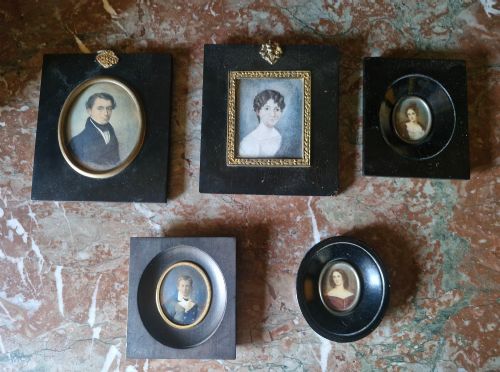
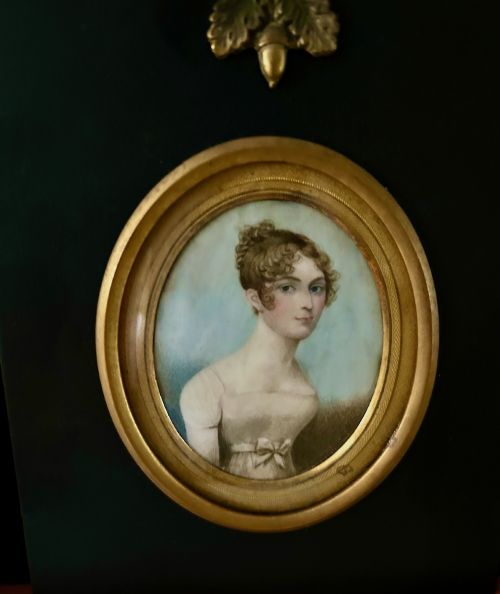
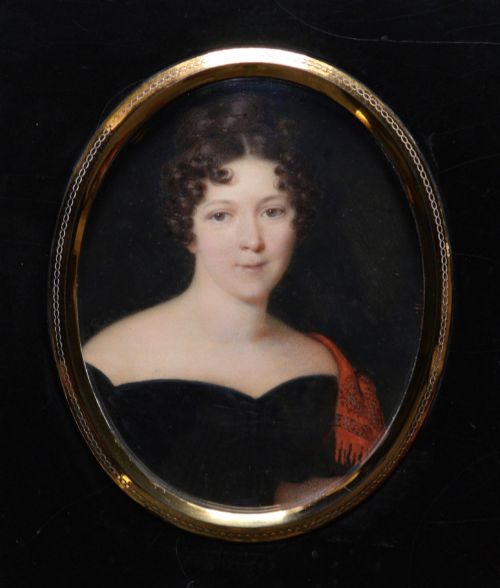
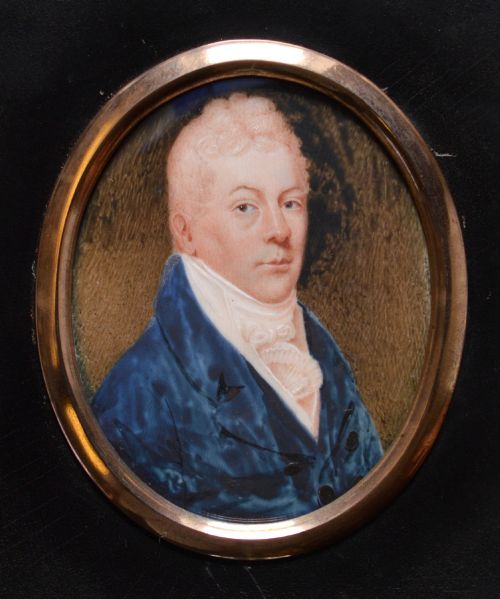
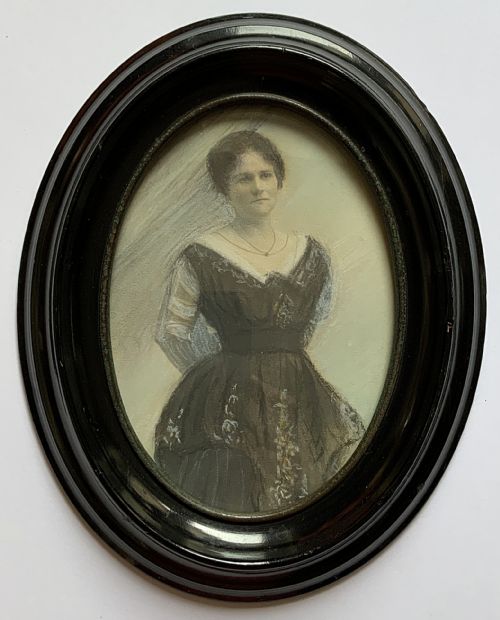
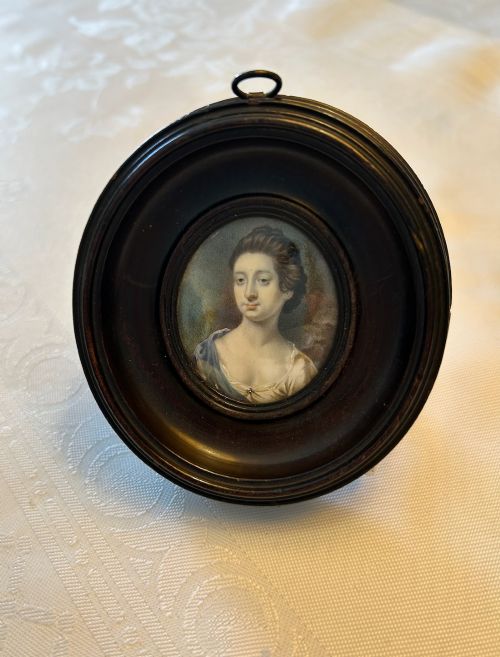
Ebonised portrait miniatures are small, intimate likenesses framed in dark timber that capture the distinct profiles and faces of past centuries.
Ebonised Portrait Miniatures
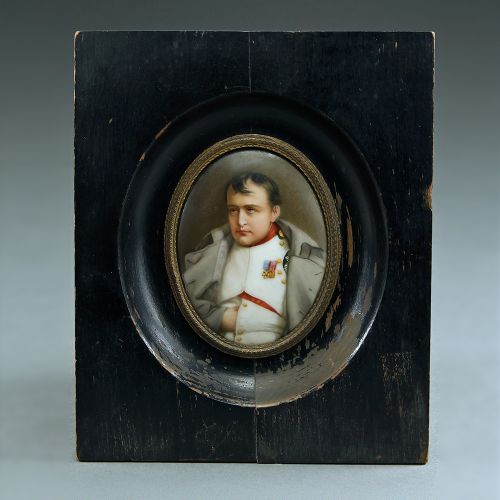
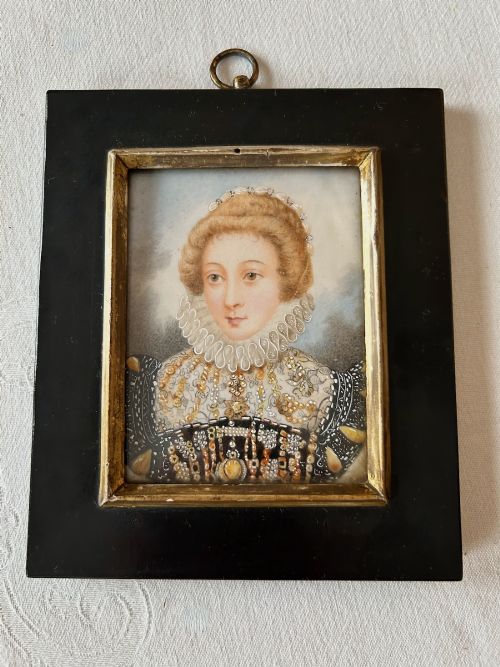
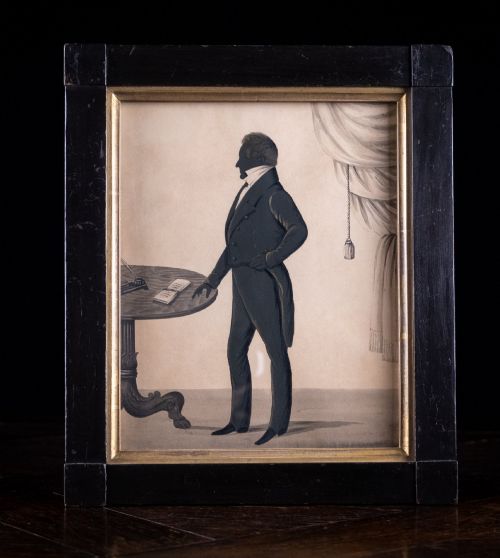
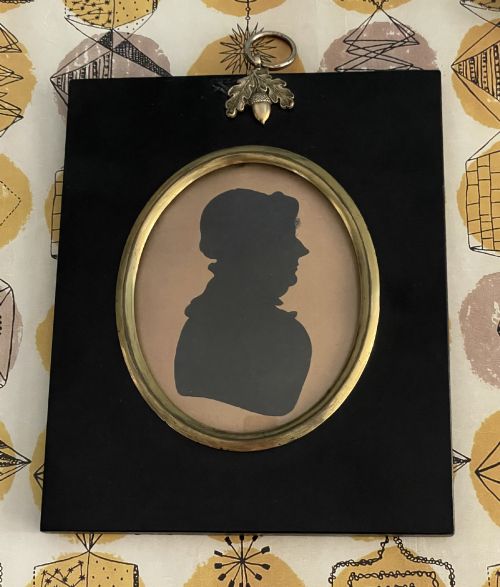
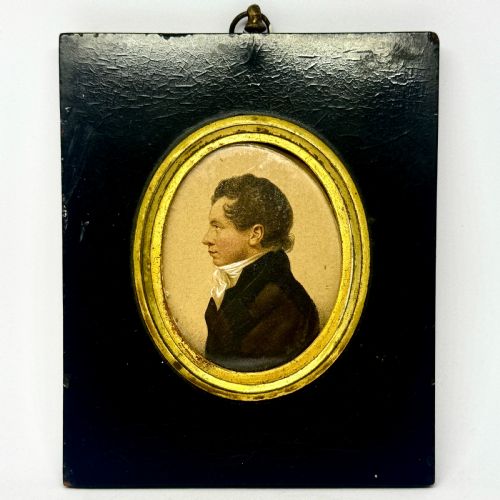
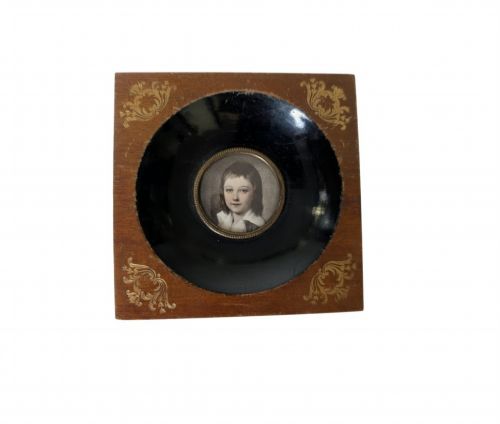
When you search for ebonised portrait miniatures, you look at small, framed likenesses spanning the seventeenth to the nineteenth centuries. These works include silhouettes, watercolours, and reverse painted glass pieces housed within dark wooden surrounds. Georgian and Regency examples appear frequently, often presenting detailed profiles or painted studies of sitters.
The collection ranges from American folk art portraits to finely rendered British school miniatures. Makers such as John Miers and George Atkinson produced silhouettes, whilst others worked in watercolour, pastel, and enamel on ivory or card. Frames vary from simple dark timber profiles to Hogarth styles, often retaining their original brass hangers or glass.
How They Were Made
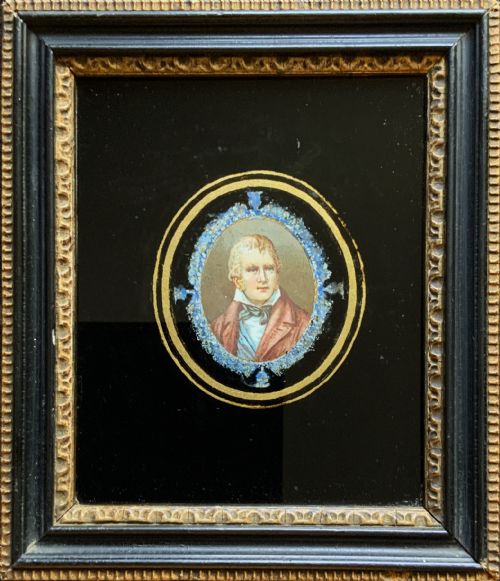
Artists utilised watercolour, enamel, and carved wax to build up the likeness of the sitter on paper, ivory, card, or glass. Reverse painted glass and plumbago techniques required precise hand control to achieve sharp lines and tonal depth in monochrome or colour.
Casings combine ebonised wood with brass fittings, gold leaf accents, and protective glass plates. The timber was stained or polished to a dark finish, creating a stark contrast against the gilded highlights and the pale tones of the portraits within.
Listings feature works across the seventeenth, eighteenth, and nineteenth centuries, utilising watercolour, ivory, glass, and ebonised wood.
What Varies in Quality
Quality rests upon the precision of the draughtsmanship and the crispness of the sitter's profile. Finer examples show meticulous brushwork in the hair and clothing, whereas simpler pieces rely on basic cut paper or standard painted outlines.
The preservation of the original ebonised frame and glass influences the desirability of the piece. Intricate gilt detailing, clear provenance, and signed work by established profile artists elevate the status of the miniature.
Henri Fradelle·George Atkinson·James Gillespie·John Taylor·John Miers·Jeremiah Steele
The Ebonised Portrait Miniatures Glossary
- Ebonised wood
- Timber treated to resemble ebony, providing a dark, uniform surround for miniature artworks. This finish became popular for framing silhouettes and small watercolours during the Georgian and Regency periods.
- Silhouette
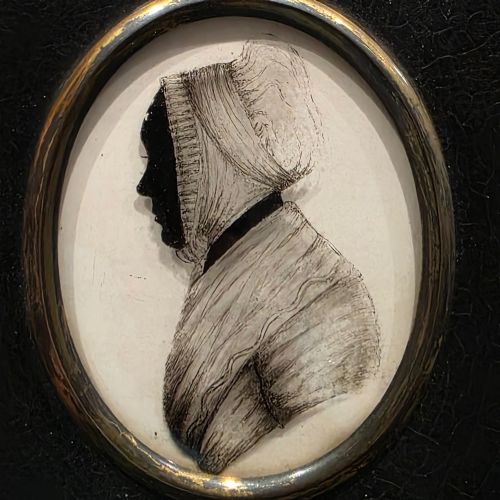
- A portrait profile filled in with a solid dark colour, typically black, against a lighter background. Artists cut these from paper or painted them directly onto card, glass, or plaster.
- Reverse glass painting
- An artistic technique where the image is applied to the reverse side of a glass plate and viewed from the front. This method protects the paint layer and creates a glossy surface finish.
- Cameo
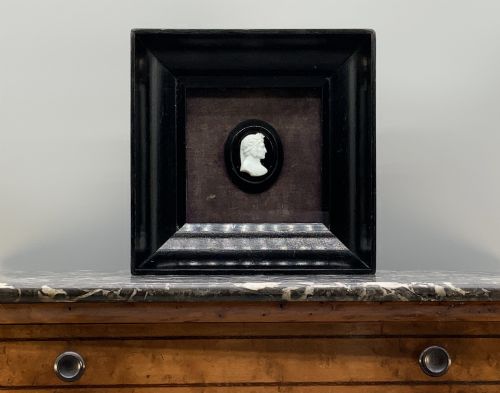
- A method of carving or moulding a portrait so that the subject is raised in relief against a contrasting background. Pressed white glass paste examples were common during the Georgian era.
Ebonised Portrait Miniatures: Frequently Asked Questions
What periods do ebonised portrait miniatures span?
The pieces on this page originate primarily from the seventeenth, eighteenth, and nineteenth centuries. Georgian and Regency examples appear alongside Victorian and Edwardian works.
Craftsmen across these periods utilised materials such as glass, brass, paper, and watercolour within dark wooden surrounds. Each era brought distinct framing styles and painting techniques to the miniatures.
How were silhouettes created?
Makers produced silhouettes by cutting profiles from black paper or by painting directly onto card, glass, or plaster. Artists like John Miers specialised in these precise likenesses.
Many examples feature gilded highlights added to the clothing or hair of the sitter. These details stand out sharply against the dark ebonised frames.
Are the frames original?
Many pieces retain their original ebonised wood frames, often accompanied by brass bezels or hangers. Regency and Georgian examples frequently feature simple, dark rectangular or oval surrounds.
Some items include Hogarth frames or gilt picture mounts. The combination of the dark timber and internal gold leaf accents was a popular choice for framing small portraits.
What materials appear in these portraits?
Artists worked with watercolour, pastel, enamel, and wax to depict their subjects. Surfaces include ivory, card, paper, and glass.
Cases and surrounds incorporate ebonised wood, brass, and gold leaf. These materials protected the delicate artwork whilst enhancing the visual contrast of the portrait.