

Georgian Portrait of Lady
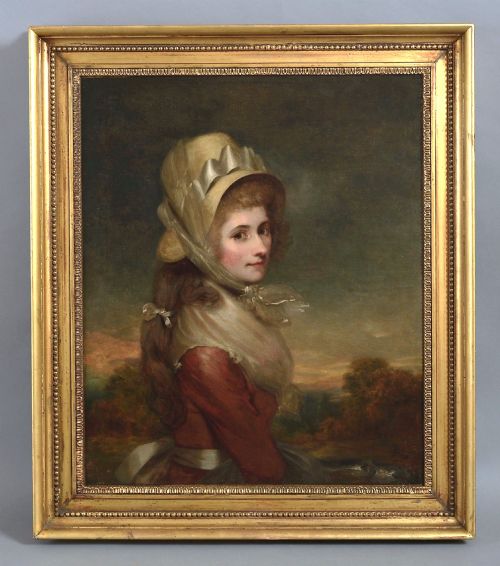
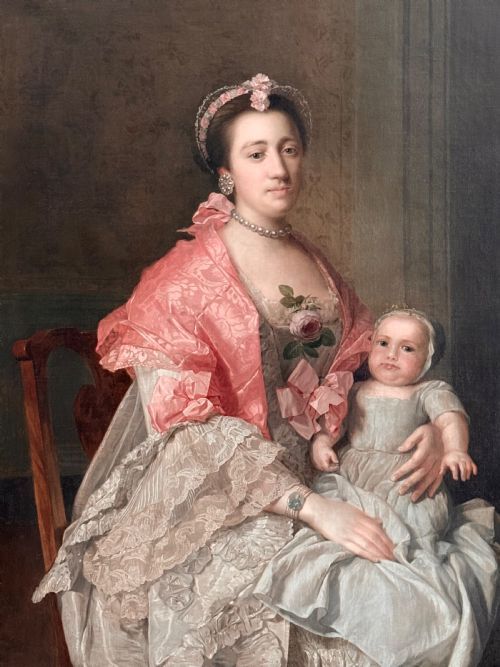
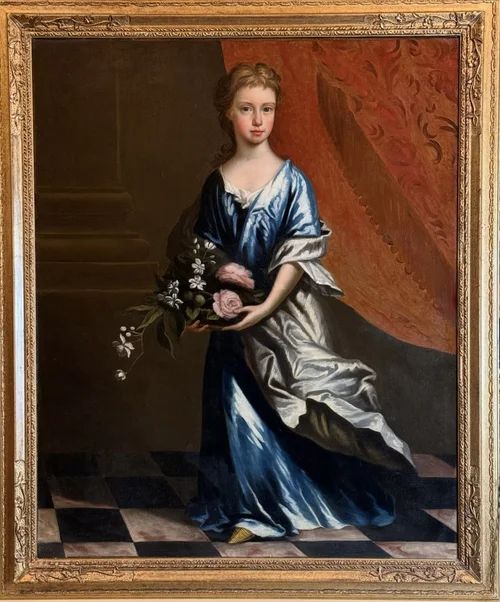
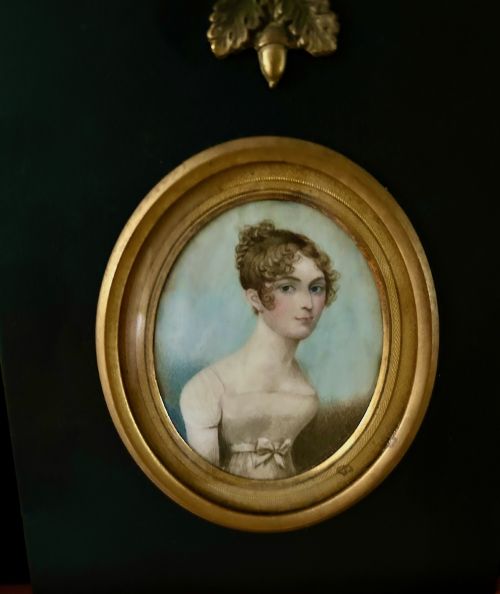
A georgian portrait of lady captures elite and fashionable figures in oil, watercolour, pastel, and mezzotint print.
Georgian Portrait of Lady
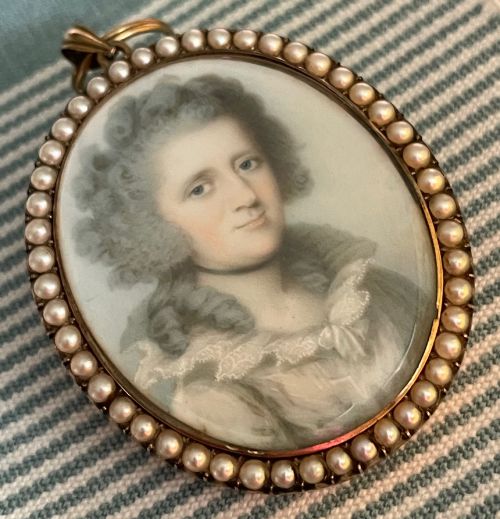
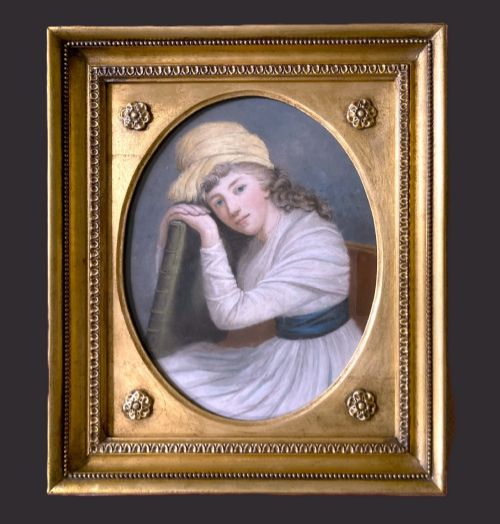
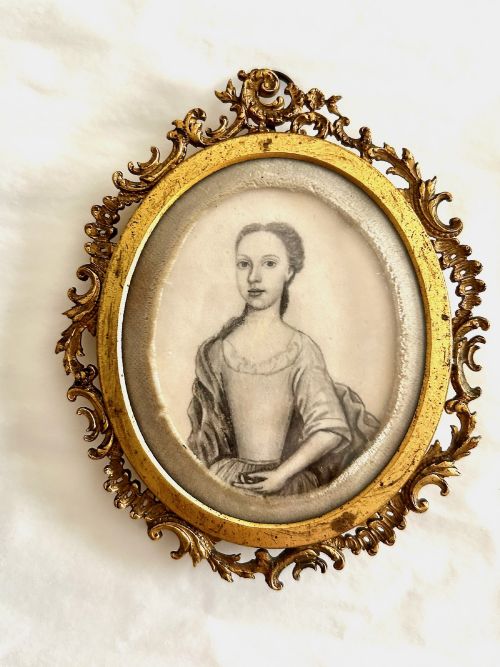
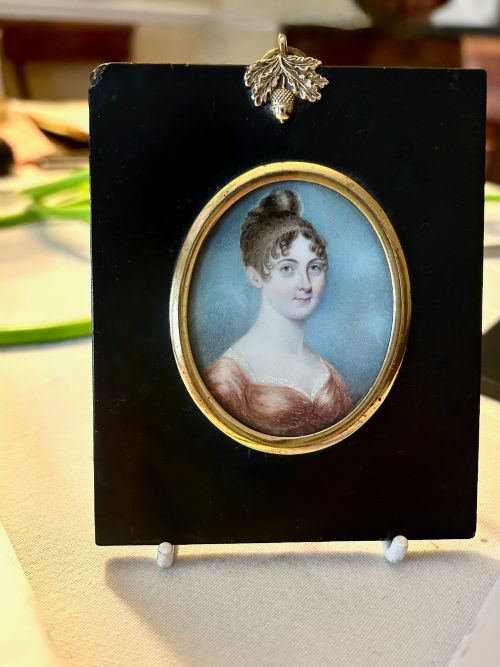
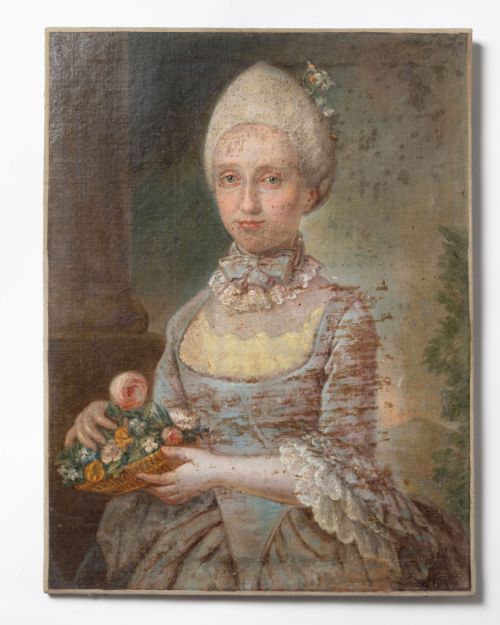
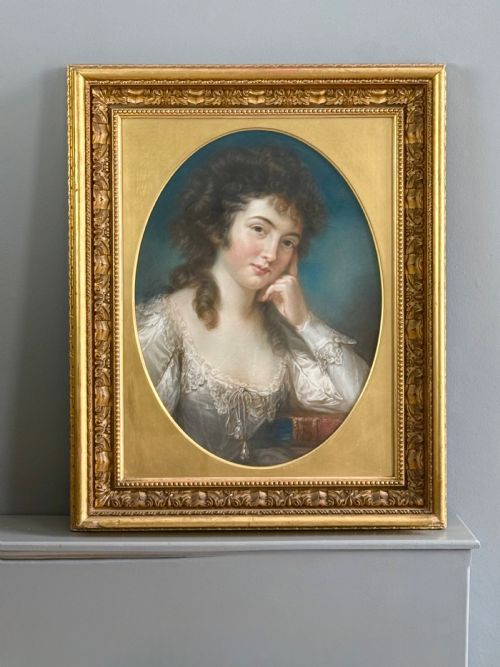
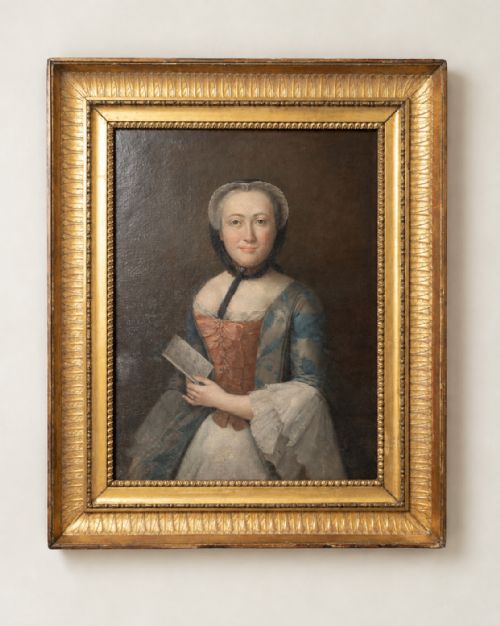
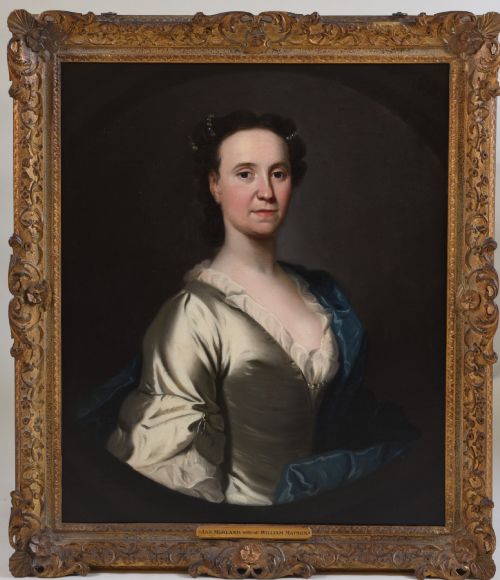
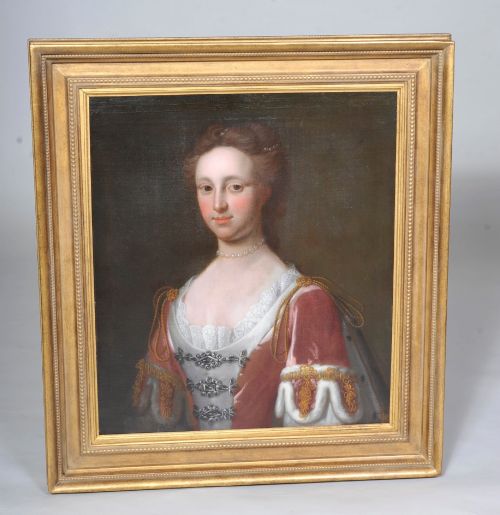
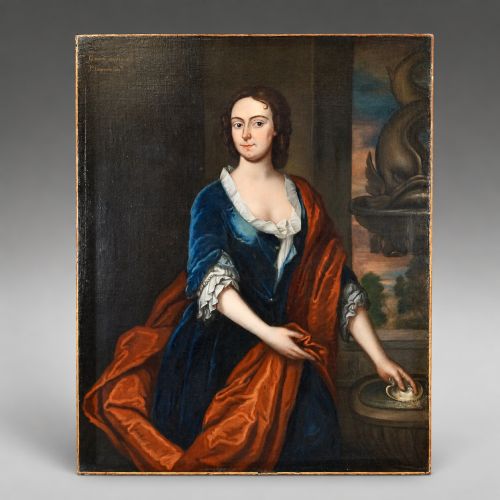
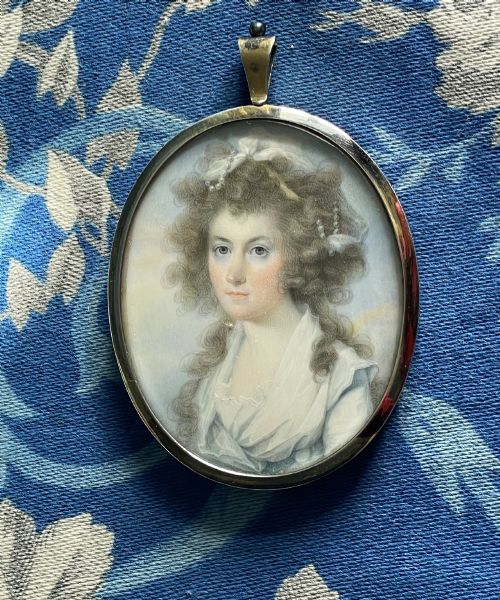
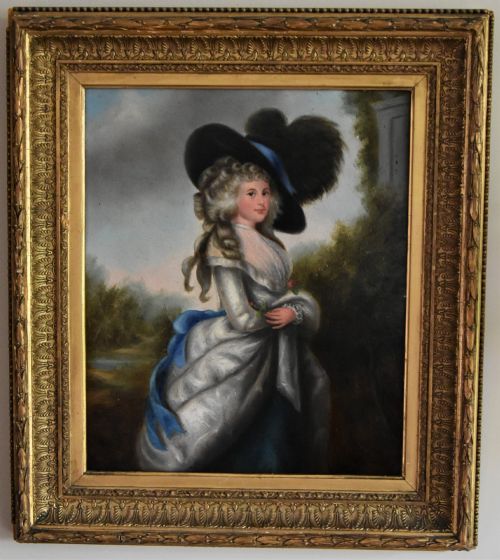
A georgian portrait of lady brings together canvas paintings, miniatures, watercolours, and printed mezzotints spanning the eighteenth and early nineteenth centuries. These works record sitters in formal dress, silk gowns, and bonnets, often framed in wood, giltwood, or ebonised surrounds.
The selections found here lean heavily towards original oil on canvas compositions and delicate portrait miniatures from the Georgian and Regency periods. Pieces range from large formal oils attributed to named portraitists down to intimate pastel studies and reverse glass prints.
Materials and construction
Painters built oil compositions on woven canvas or wood panels using ground pigments bound in oil, applying glazes to render silk ribbons, lace collars, and skin tones. Works on paper relied on watercolour, gouache, graphite, or pastel chalks applied by hand.
Prints and multiples utilised the mezzotint technique on paper, transferring engraved tonal gradations often finished with glass protection. Frames combined carved wood with gold leaf application, giltwood moulding, or polished ebonised finishes.
Georgian Portrait of Lady Retail Price Guide 2026
Typical asking prices for georgian portrait of lady among the pieces listed under this phrase on Sellingantiques today, from the lower quarter to the upper quarter. They describe what is for sale here now, not the wider market.
Several ladies gaze outward holding fresh fruit, orange blossoms, or feathered hats.
Distinctions in quality and execution
The preservation of the original surface, stability of the canvas or paper support, and survival of the authentic period frame influence the standing of any given example.
Sir Godfrey Kneller·Sir Joshua Reynolds·Sir Martin Archer Shee·George Willison·Jeremiah Davison·Michael Dahl·Thomas Murray·Valentine Green·John Russell·John Vanderbank·Thomas Beach·Henry Pickering·Allan Ramsay·Francis Cotes·James Maubert·William Shuter
The Georgian Portrait of Lady Glossary
- Mezzotint
- A printmaking process where the copper plate is roughened to produce dark tones and scraped back to create light areas, allowing rich tonal gradations.
- Portrait Miniature
- A small, highly detailed painting executed on vellum, card, or ivory, designed to be held or worn.
- Giltwood
- Wood carved and coated with gold leaf or metallic powder, commonly used for period picture frames.
- Reverse Glass Painting
- An artwork applied directly to the rear side of a glass panel so the image is viewed through the transparent front.
- Pastel
- A dry drawing medium consisting of powdered pigment and a binder, producing a velvety surface requiring glass protection.
Georgian Portrait of Lady: Frequently Asked Questions
How do I date a Georgian portrait?
Dating relies on costume styles, hair styling, sitters' documented ages, and stretcher or frame construction. Written inscriptions on the reverse often supply specific years or sitters' names.
stylistic clues such as lace collars or ribbon bows align closely with recorded portraiture trends from the eighteenth and nineteenth centuries.
What is a mezzotint portrait?
A mezzotint is an engraved print technique that creates soft shadows and rich gradients without relying on harsh lines. Master engravers reproduced celebrated oil paintings for wider circulation.
These printed works carry historical importance alongside unique hand-painted canvases.
Are portrait miniatures original paintings?
Miniatures are hand-painted works executed in watercolour, gouache, or enamel on small supports like paper or ivory. Artists rendered fine details using specialised brushes under magnification.
Each piece stands as a unique primary artwork rather than a mass-produced reproduction.
How should I frame these works?
Original period frames match the era of the painting and use giltwood, carved wood, or ebonised finishes. Retaining the historic frame preserves the physical integrity of the piece.
Modern framing is sometimes introduced later to protect vulnerable watercolours or fragile paper.