
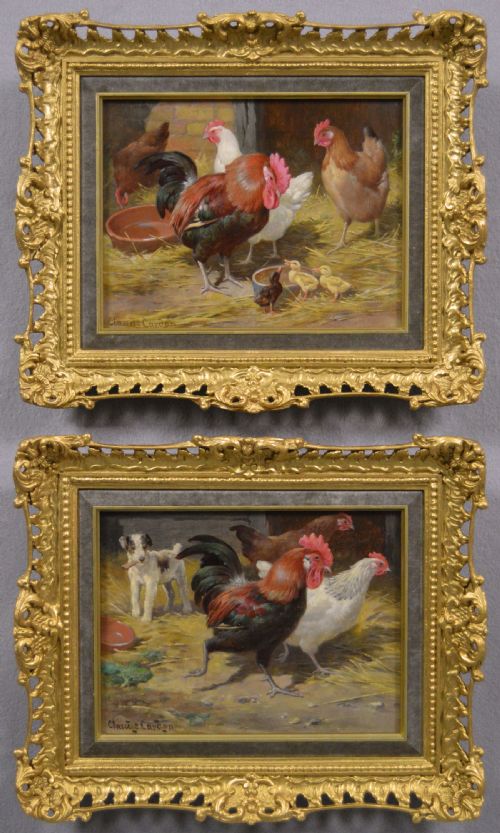


Traditional Oil Painting Pair
A traditional oil painting pair offers matching compositions on canvas, wood panel or board, prized for symmetrical display and balanced wall decoration.
Traditional Oil Painting Pair
A traditional oil painting pair brings together two related canvases, panels or boards designed to hang in harmony. These works span the eighteenth, nineteenth and early twentieth centuries, encompassing Victorian, Edwardian and revival aesthetics.
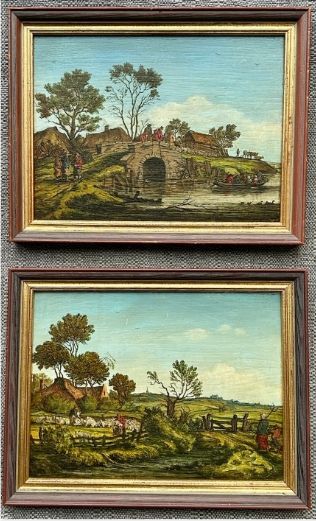
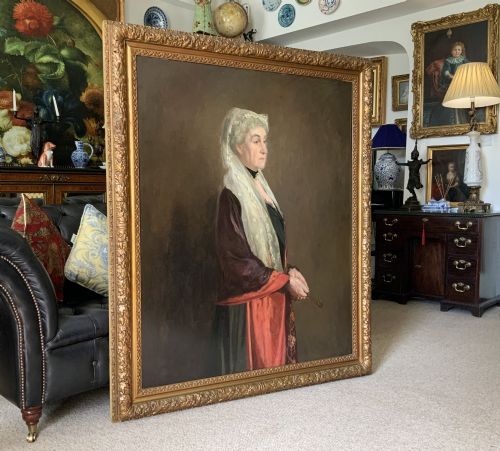
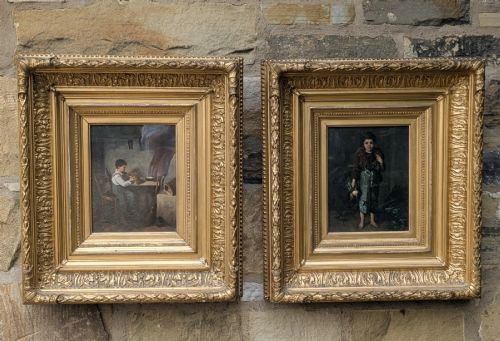
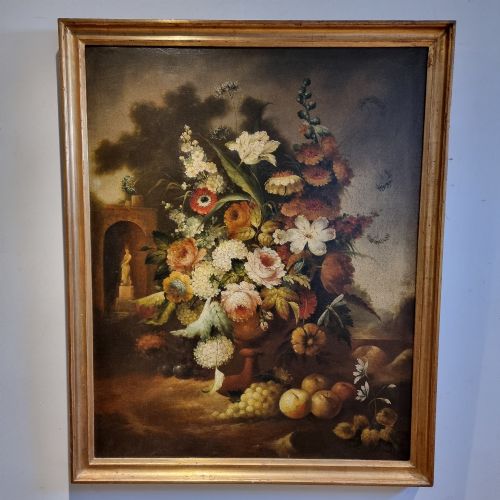
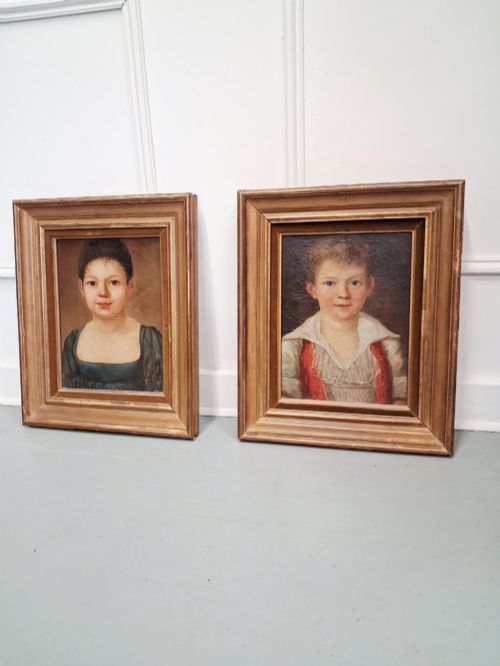
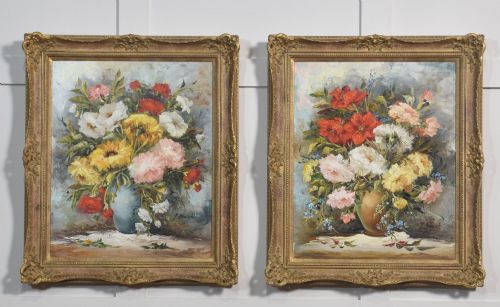
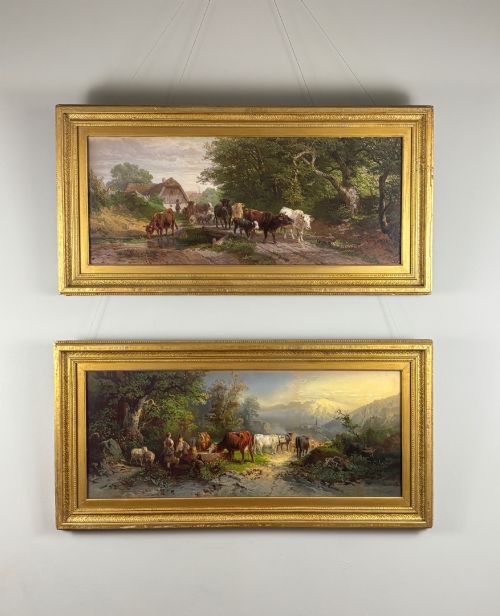
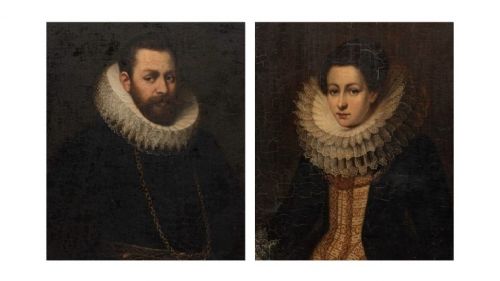
The subjects on this page range from portraits of noblemen and children to floral still lifes, farmyard scenes, landscapes and marine views. Most examples present matching dimensions and framing, intended from the outset for balanced placement on either side of a fireplace or architectural feature.
How they were made
Painters applied oil pigments to woven canvas stretched over wooden frames, or directly onto rigid wood panels and prepared boards. Artists utilised traditional brushes to build up layers of colour and fine detail, capturing texture in subjects from ruff collars to rustic feathers.
Finished works were frequently housed in ornate giltwood frames embellished with gold leaf, designed to complement the palette and period of the art within.
Subjects on this page include farmyard animals, floral still lifes, sporting scenes and portraits.
What varies in quality
Quality rests upon the confidence of the brushwork and the clarity of the composition, distinguishing academic execution from workshop repetition. The handling of light, shadow and perspective determines the visual weight of each piece in the pair.
The preservation of the original paint surface and the integrity of the support matter greatly. Matching frames that retain their original gilding enhance the cohesion and standing of the pair.
Johann Friedrich Voltz·John Frederick Herring Jnr·Philip Henry Rideout·Frank Hider·Henry Schouten·Samuel Sidley·Alfred Vickers Senior·John James Wilson·Pieter Cornelis Dommersen·Godfrey Douglas Giles
The Traditional Oil Painting Pair Glossary
- Oil on canvas
- Pigments bound in drying oil applied to a woven fabric support. This remains the most common medium found across historical fine art.
- Giltwood
- Wood carved and coated with gold leaf or metallic powder. It provides a reflective, decorative border that unifies matching pictures.
- Panel
- A flat piece of wood used as a rigid painting support instead of fabric. Panels were favoured for smaller works and detailed studies.
- Genre painting
- Artwork depicting scenes from everyday life, such as domestic interiors or farmyard activities. These pieces offer insight into historical social habits.
- Still life
- An arrangement of inanimate objects, typically including fruit, flowers or household items. Such compositions test an artist's ability to render light and texture.
Traditional Oil Painting Pair: Frequently Asked Questions
How do I hang a pair?
Display the two pictures at eye level, spaced evenly to maintain visual balance on the wall. They are traditionally positioned flanking a central architectural element like a fireplace or doorway.
Ensure both frames align along their top or centre edges to preserve the symmetry intended by the matched compositions.
Why were pairs painted?
Artists and patrons favoured dual compositions to tell a connected story, such as morning and evening scenes or portraits of a husband and wife. Matching works created a sense of order and proportion in domestic interiors.
Commissioning or purchasing two complementary paintings ensured uniform style and framing for formal display spaces.
How do I identify the period?
Examine the materials of the stretcher frames, the composition style, and the clothing or subjects depicted. Nineteenth-century works often feature distinct canvas weaves and stretcher wedge types.
Signatures, framing styles and old exhibition labels on the reverse also provide reliable clues to the date of creation.
Are both pieces always by the same hand?
Most paired works originate from a single artist working on commission or creating a matched set for the market. Occasionally, historical pairs bring together two separate canvases of identical size and complementary subject matter.
Reviewing the brushwork, palette and signature on each piece helps confirm whether they were conceived together.