


Continental Panel Art
Continental panel art brings together centuries of European paintings, carvings, and textiles set into wood, copper, and board to anchor a room.
Continental Panel Art
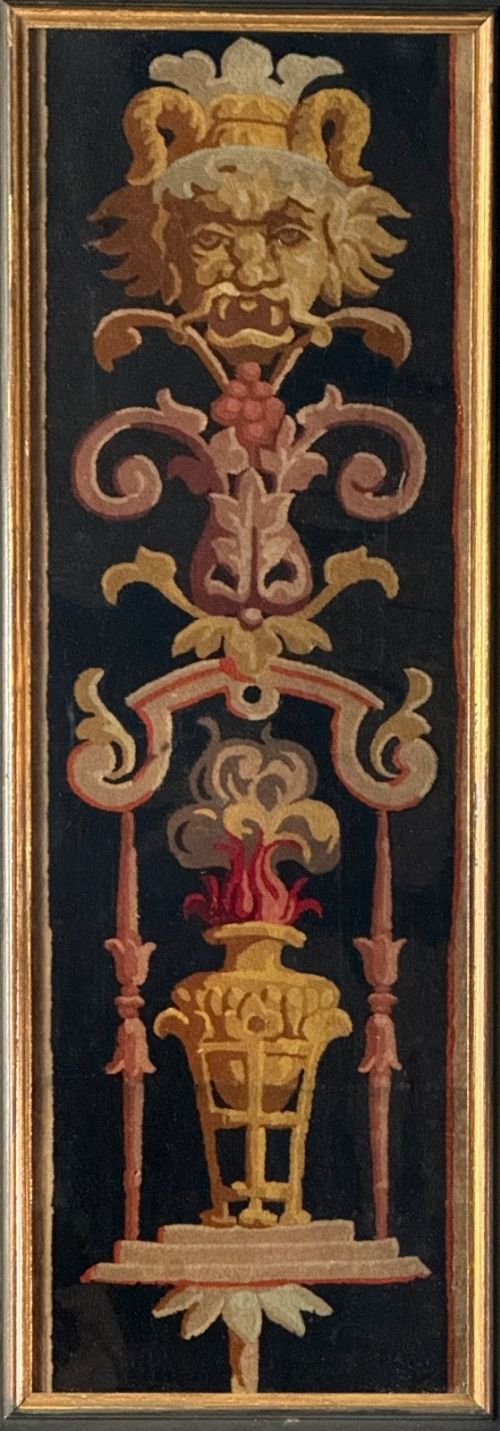
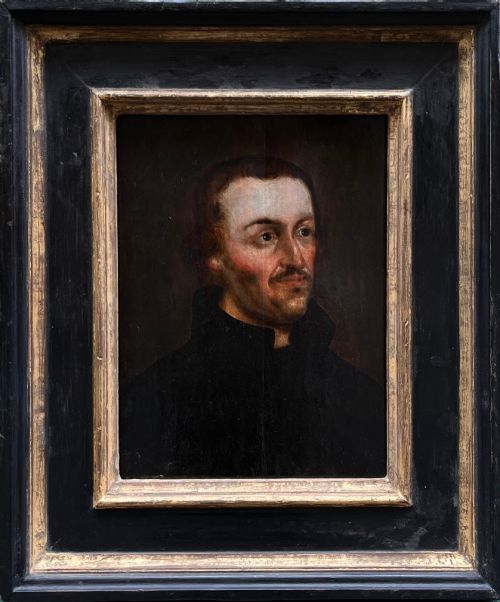
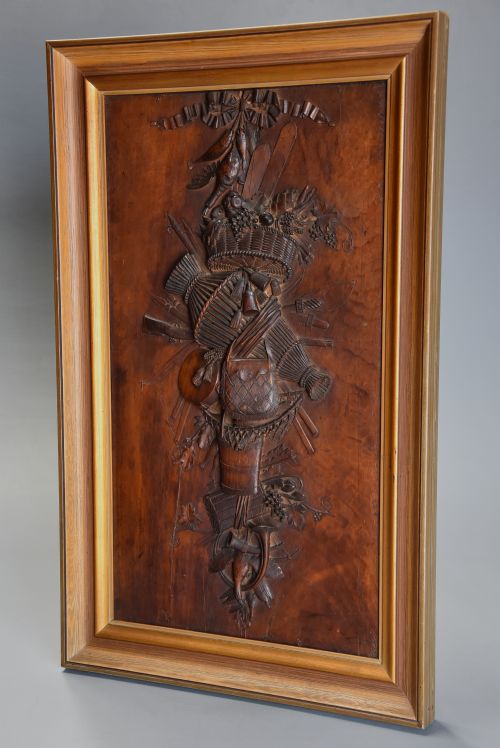
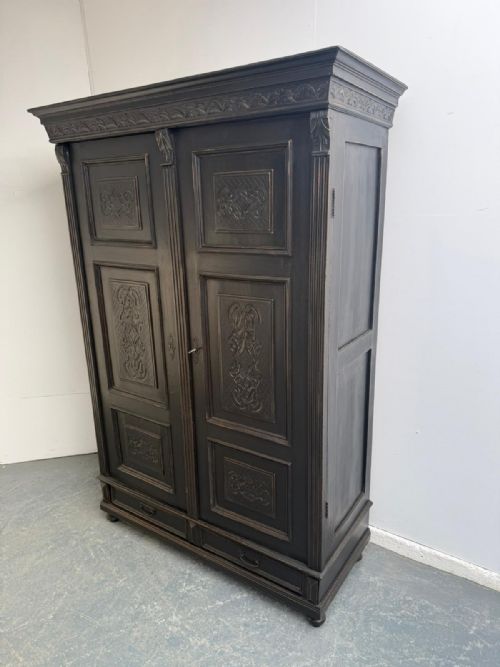
Continental panel art covers a diverse group of works ranging from seventeenth-century classical embroidered panels and carved saints to eighteenth-century oil paintings on copper and oak panel. Buyers encounter everything from Italian still life studies on board and harbour scenes to nineteenth-century fruitwood trophy carvings and painted pine wardrobes.
The objects span multiple periods, including the seventeenth and eighteenth centuries alongside nineteenth-century and early twentieth-century examples. Formats vary from wall art and fine oil paintings to larger architectural furniture such as armoires and hall wardrobes featuring integrated panels.
Origins stretch across Europe, taking in German oil paintings, Italian school compositions, Hungarian painted wood, and Northern European needlepoint. This broad category suits collectors seeking distinct historical surfaces, whether through framed textiles, carved wood, or oils on board.
Materials and construction methods
Makers utilised traditional rigid supports including oak panels, copper sheets, and timber boards for oil paintings and still life works. Fruitwood serves as the medium for intricate relief carvings, while pine and oak form the structural carcasses of larger painted wardrobes.
Textile works rely on wool and silk threads worked into needlepoint and tapestry formats, often housed within giltwood frames. Giltwood provides ornate borders for seventeenth-century framed saints and embroidered panels, combining carved timber with metallic leaf finishes.
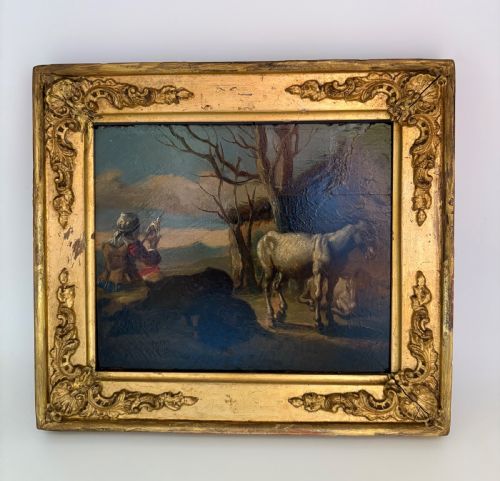
Philipp Peter Roos, also known as Rosa di Tivoli, inspired followers to paint energetic shepherds and animals on oak panels.
Indicators of quality and execution
Quality reveals itself in the fineness of the carving and the precision of the brushwork across panels and boards. Exhibition quality fruitwood trophy carvings display deep, crisp relief work, whereas paintings on copper or oak show careful handling of light and detail by the artist.
The integration of the panel within its frame or furniture housing influences the overall success of the piece. Well-preserved surfaces on oil paintings, textiles, and carved wood maintain their original character without heavy intervention.
The Continental Panel Art Glossary
- Oil on panel
- A painting executed on a rigid wooden support rather than canvas. Oak is frequently utilised for these early works.
- Giltwood
- Wood that has been coated with gold leaf or a gold-coloured finish. This material is common in antique frames.
- Needlepoint
- A type of canvas work embroidery executed with wool or silk threads. It often appears in historic decorative panels and framed tapestries.
- Fruitwood
- Dense, close-grained timber harvested from fruit-bearing trees. It is favoured for detailed relief carvings and decorative mounts.
- Armoire
- A large upright cupboard or wardrobe used for storage. Continental examples frequently incorporate painted decoration or carved panels.
Continental Panel Art: Frequently Asked Questions
What is continental panel art?
Continental panel art refers to artworks and decorative elements created across Europe on rigid supports, textiles, or carved wood. The category includes oil paintings on oak and copper, needlepoint tapestries, and carved architectural reliefs.
These pieces reflect diverse regional traditions from Italy, Germany, Hungary, and Northern Europe. They offer buyers historic imagery and decorative surfaces suited to traditional and eclectic interiors.
How were oil paintings on copper made?
Artists prepared a smooth copper sheet with a ground layer before applying oil paint in fine layers. This metal support provided an exceptionally stable surface that prevented cracking.
Paintings on copper often retain remarkable clarity of detail and vibrant colour over the centuries. They were produced across various European schools during the early modern period.
How do I care for antique panel art?
Keep wooden panels, framed textiles, and oil paintings away from direct sunlight and severe temperature fluctuations. Stable indoor humidity prevents wood from warping and protects delicate painted or embroidered surfaces.
Dust carved wood and gilt frames gently with a soft, dry brush. Avoid using liquid cleaners or chemical polishes on historic surfaces.
What styles appear in continental panel art?
The category encompasses Baroque and Rococo works, alongside nineteenth-century European pieces and regional folk art traditions. Highland hunting lodge styles and Italian school compositions also feature prominently.
These varied aesthetic movements demonstrate how different European regions adapted classical and decorative motifs over time. Each style brings distinct visual characteristics to panel paintings and carvings.
Where were these painted wardrobes made?
Painted wardrobes and armoires originate from regions such as Hungary and Northern Europe. Local workshops utilised accessible timbers like pine and oak for the main structure.
Craftsmen decorated the exterior surfaces with painted motifs or incorporated carved panels. These large pieces served as functional storage while adding decorative presence to domestic interiors.