

Gilt Framed Panel Art
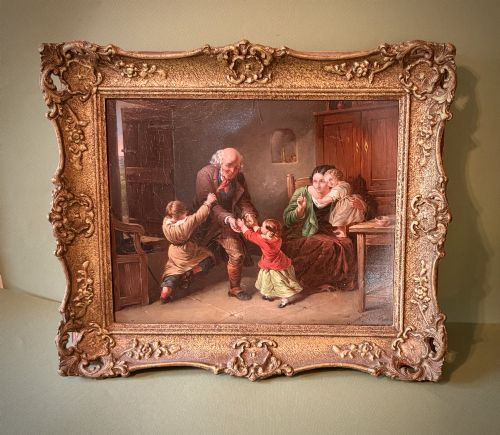
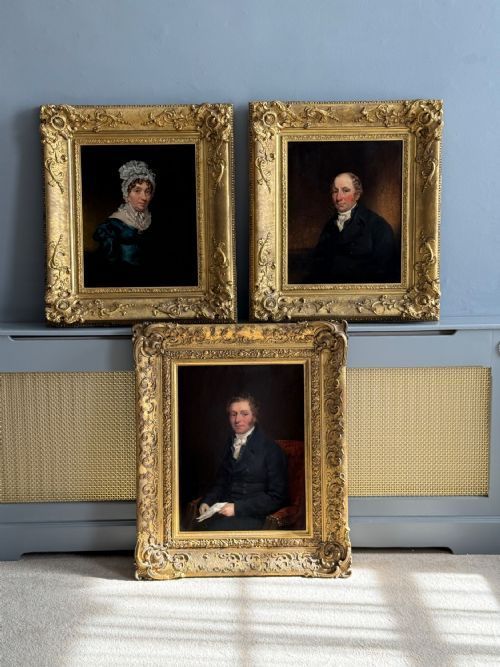
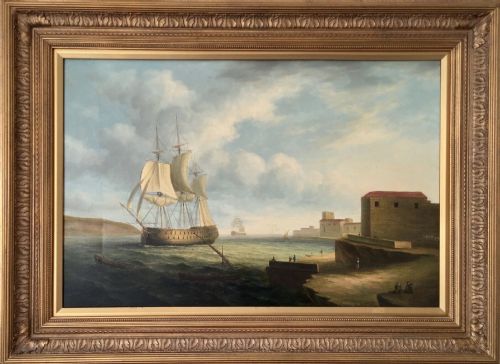
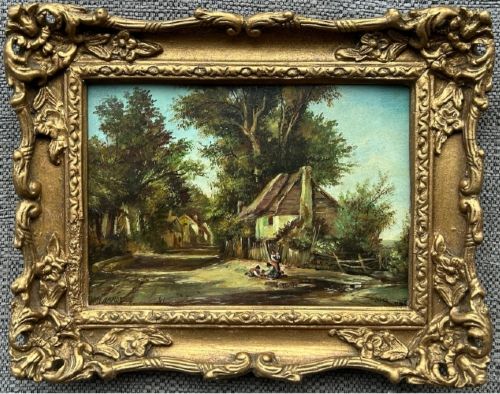
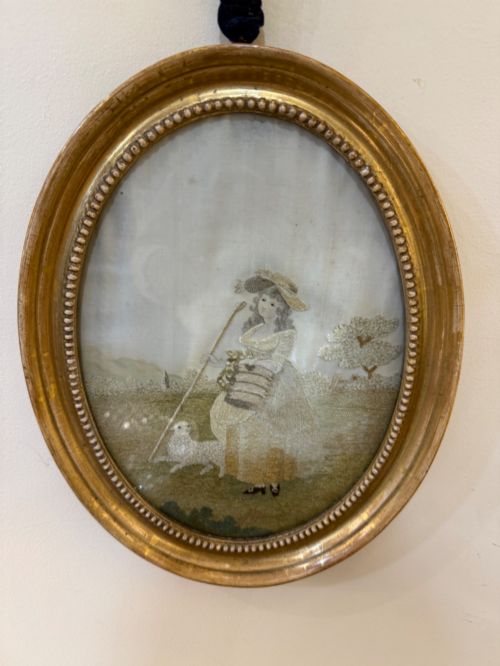
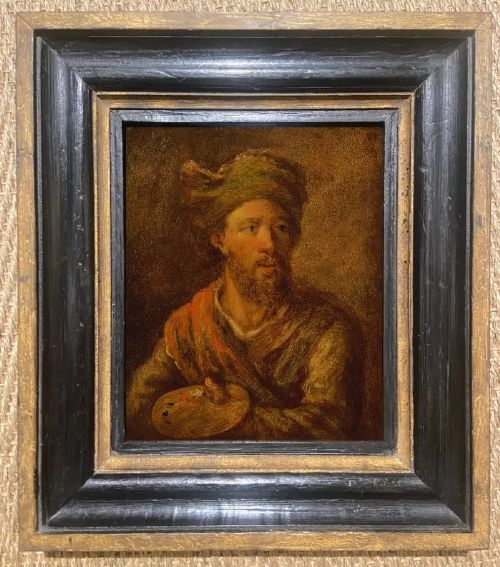
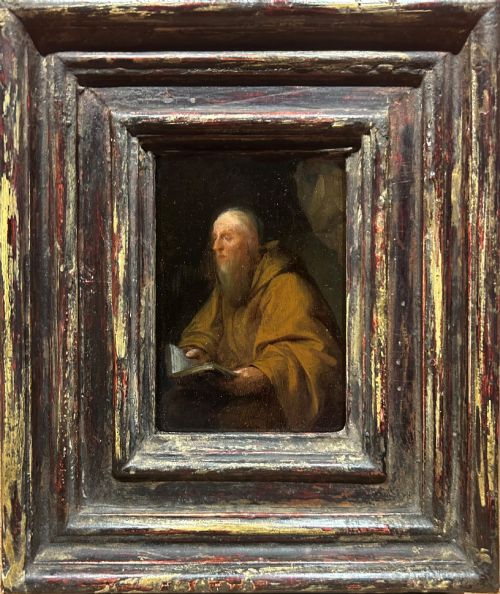
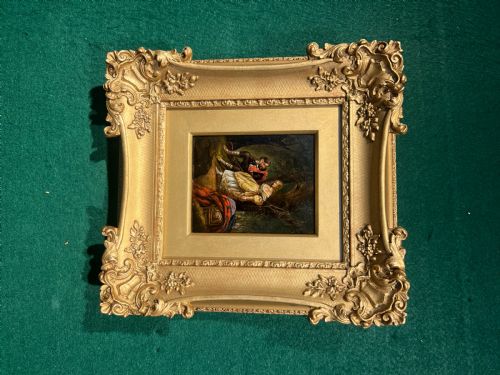
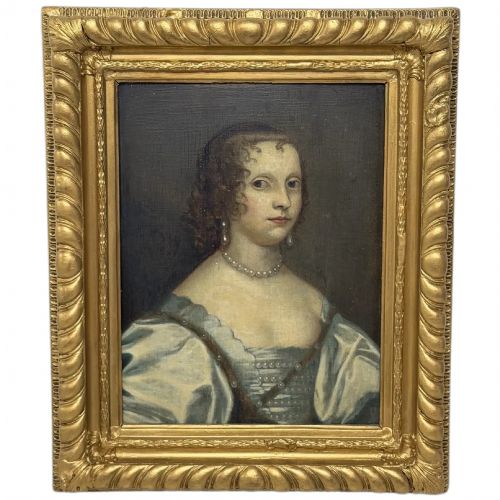
Gilt framed panel art brings together centuries of painted oil portraits, embroidered silk, and carved plaques enclosed in gilded wood.
Gilt Framed Panel Art
When you search for gilt framed panel art, you are looking at rigid supports and mounted textiles housed within decorative gilded surrounds. These objects span portraits on wood panels, painted porcelain plaques, and intricate needlework pictures.
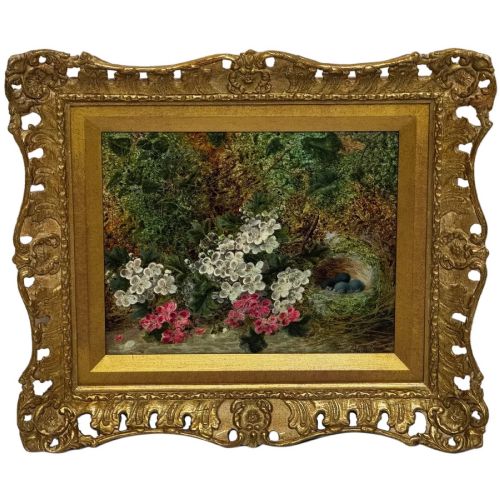
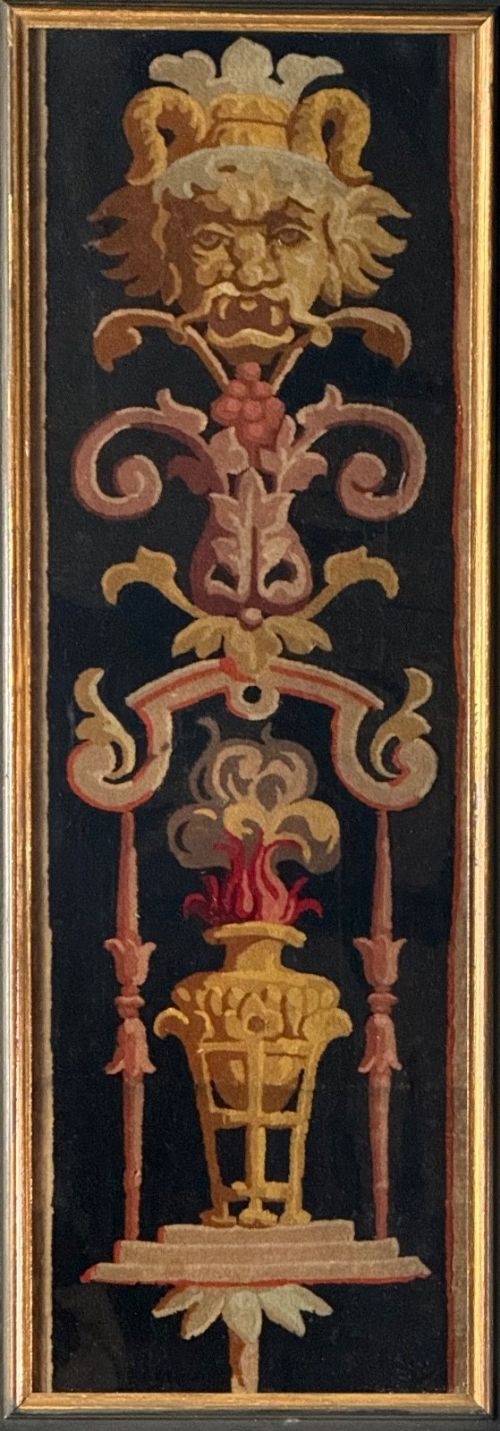
The pieces on this page draw from centuries of European craftsmanship, moving from seventeenth-century classical embroidery and Dutch golden age oils to nineteenth-century academic landscapes and floral still lifes.
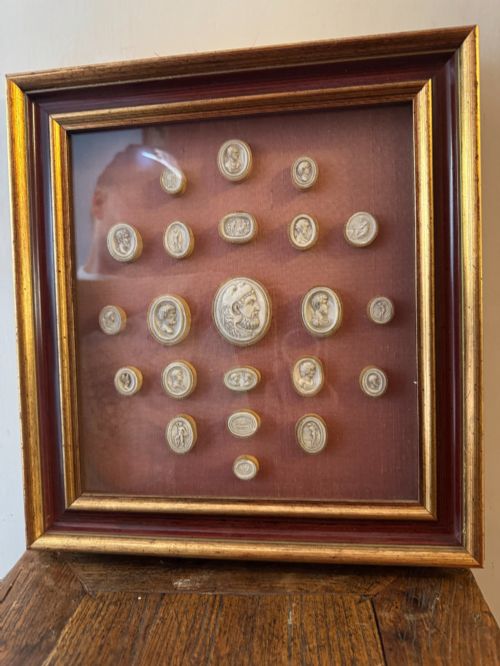
Wooden panels and textiles form the core of the selection, accompanied by occasional ceramic plaques, gypsum intaglios, and silk embroidery under glass. Each piece relies on the weight of its frame to complete the visual presentation.
Materials and construction methods
Makers constructed these works using solid wood panels, copper, or canvas as a foundation for oil paint, tempera, and gold leaf. Painters applied pigments directly to oak or prepared wooden boards, while needleworkers stitched wool, silk, and metal threads onto fabric grounds.
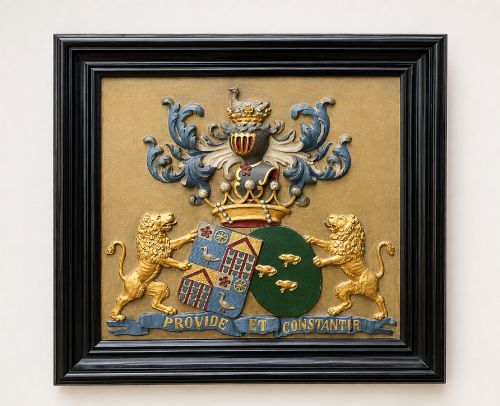
Artisans enclosed these varied surfaces in timber mouldings finished with gold leaf or giltwood, sometimes pairing them with burr maple or solid period frames. Textile works frequently utilised glass protection to shield fragile silk and beadwork elements from environmental wear.
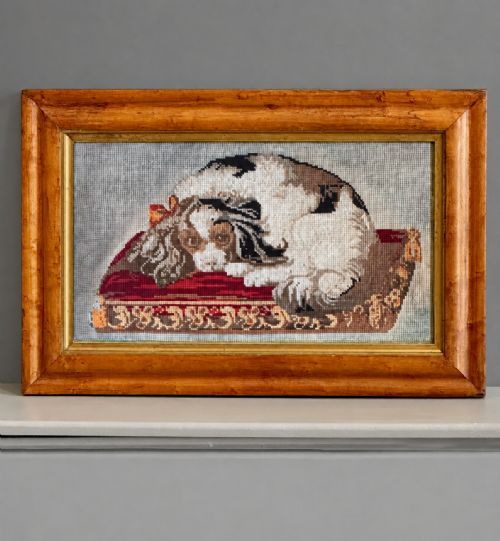
King Charles spaniels stare out from nineteenth-century needlework frames, keeping eternal watch over domestic interiors.
Assessing quality in framed panels
Quality rests in the precision of the brushwork, the depth of the carving within the gilded frame, and the condition of the underlying panel or textile. Superior oil paintings demonstrate refined control over light and shadow, while finer needlework displays tight, complex stitching.
The harmony between the artwork and its enclosure dictates much of the visual success. Original frames that match the period and scale of the panel elevate the piece far above later or mismatched replacements.
Joseph Clover RA·Pieter Cornelis Dommersen·Royal Worcester·Benjamin Eugene Fichel
The Gilt Framed Panel Art Glossary
- Panel painting
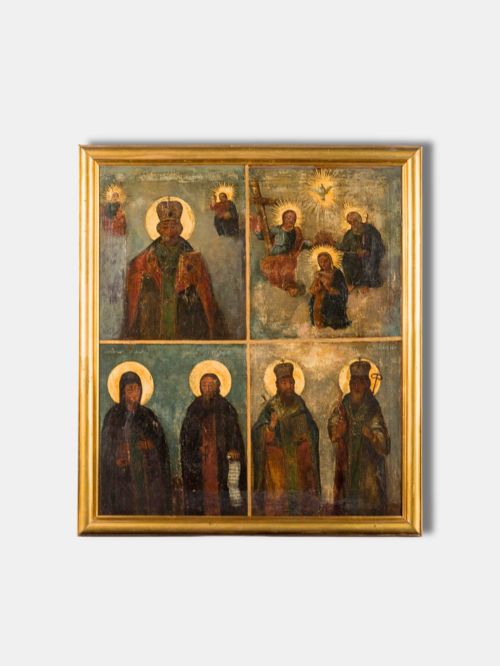
- A painting executed on a flat panel of wood, copper, or other rigid support rather than canvas. This solid backing was standard for many earlier European works before canvas gained dominance.
- Giltwood
- Wood that has been carved and coated with a thin layer of gold leaf or powder. It forms the primary decorative border for much of the framed art on this page.
- Berlin work
- A style of counted-thread embroidery popular in the nineteenth century using brightly coloured wool. It allowed makers to create intricate pictorial scenes and domestic animals.
- Intaglio
- A design carved into the surface of a material such as gypsum or stone so that the impression sits below the plane. These panels were often collected during European grand tours.
- Tempera
- A permanent, fast-drying painting medium consisting of coloured pigment mixed with a water-binder agent, commonly egg yolk. It produces a flat, matte surface frequently seen in religious icons.
Gilt Framed Panel Art: Frequently Asked Questions
What is gilt framed panel art?
Gilt framed panel art covers historical paintings on rigid wood bases, embroidered textiles, and decorative plaques housed inside gilded wooden borders. These items range from small domestic portraits to classical religious scenes.
Such pieces reflect the decorative tastes of periods spanning the seventeenth century through to the mid-twentieth century, utilising materials like oil paint, gold leaf, and silk.
How do I date a panel painting?
Dating relies on examining the preparation of the wood support, the pigments used in the paint layer, and the style of the frame. Earlier works typically utilise oak panels with hand-bevelled edges.
Clothing styles, hair design, and signature formats of the artists further narrow down the decade of creation. Comparing the construction methods to known historical examples provides the firmest timeline.
Are textile panels protected under glass?
Many needlework and silk embroidery panels feature glass fronts to shield delicate threads from dust, moisture, and handling. This glazing preserves the original colours of the wool and silk elements.
Some textile works and oil paintings on panel remain unglazed to allow direct appreciation of the surface texture. Conservation standards vary depending on the fragility of the specific medium.
How should I hang heavy panel art?
Heavy wood panels and solid gilt frames require secure wall fixings anchored directly into masonry or wall studs. The weight of the timber support demands robust picture wire and sturdy D-rings.
Positioning the art away from direct sunlight and steady heat sources protects both the painted surface and the wooden frame from warping or cracking over time.