

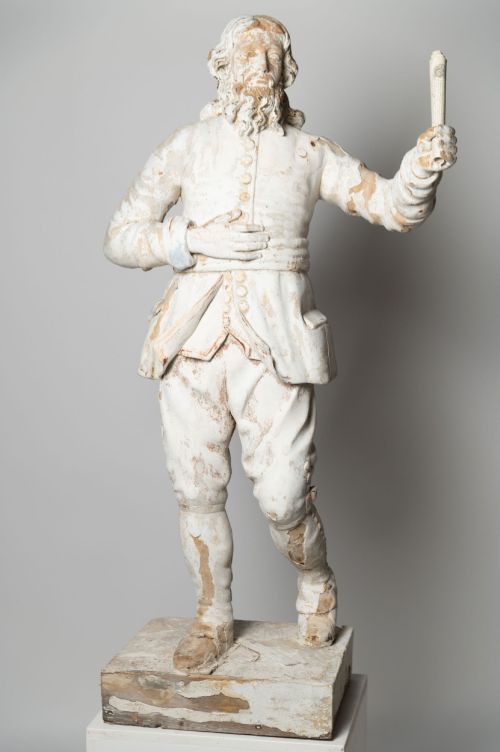
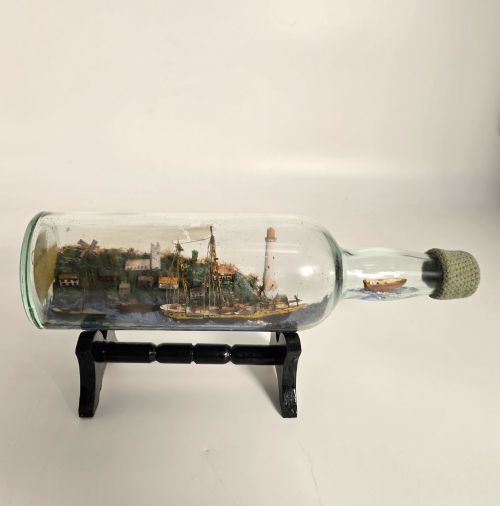
Antique Folk Art Painting
An antique folk art painting brings home untutored observation, direct brushwork and regional character from past centuries.
Antique Folk Art Painting
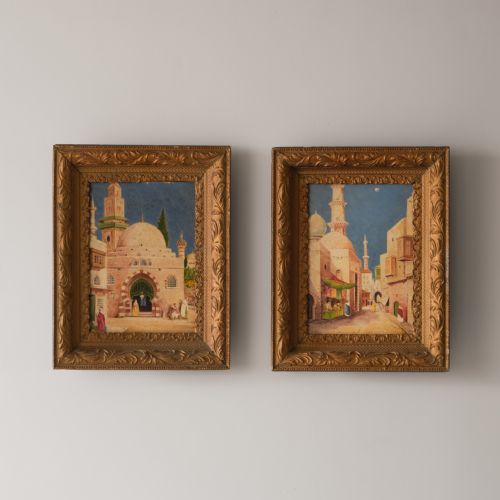
An antique folk art painting captures the unvarnished perspective of non-academic artists, ranging from 18th century pine panels and naive portraits to 19th century oil paintings on canvas and wood. These works record local life, animal studies, and regional scenes without the strict conventions of formal academies.
The pieces encountered most frequently on this page date from the 19th century and the early decades of the 20th century. Buyers will discover portraits of individuals and pets, rural landscapes, and maritime subjects executed by self-taught hands across Britain, Europe, and America.
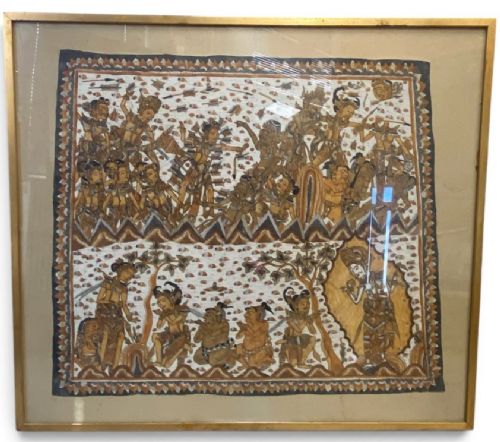
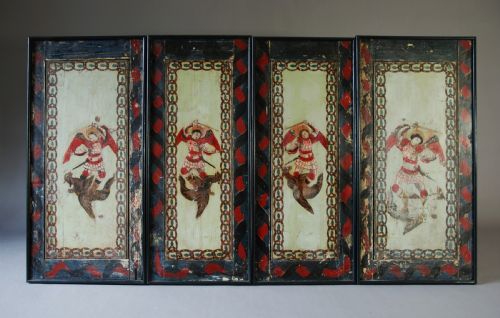
Beyond traditional canvases, the category extends to painted wood panels, textiles, and board. Each item reflects the vernacular traditions of its origin, offering a direct window into domestic and provincial life.
Materials and methods
Makers utilised readily available local materials, applying oil paint or traditional pigments directly onto stretched canvas, prepared wood panels, pine boards, or glass. The ground layer often consisted of simple gesso or direct priming on untreated wood.
Brushes were basic instruments, sometimes improvised, resulting in visible brushstrokes and earnest application rather than blended perfection. Pigments mixed with oils or resins provided durable surfaces that survived agricultural and domestic use.
Antique Folk Art Painting Retail Price Guide 2026
Typical asking prices for folk art painting among the pieces listed under this phrase on Sellingantiques today, from the lower quarter to the upper quarter. They describe what is for sale here now, not the wider market.
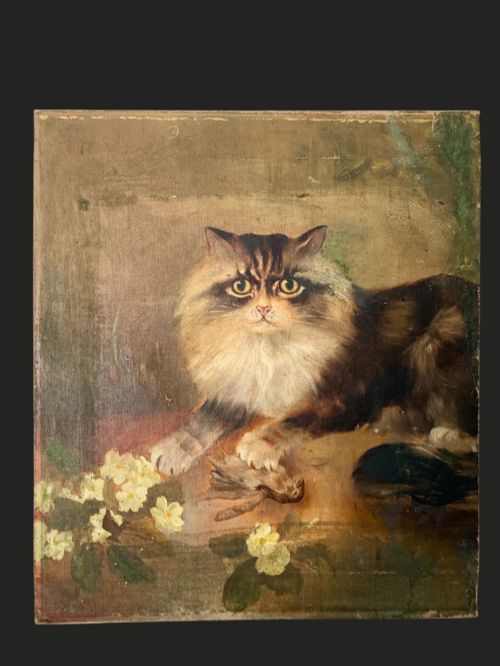
Several naive portraits stubbornly refuse to use proper perspective, making every domestic cat look like a majestic lion.
Distinctions in quality
Quality rests upon the strength of the composition and the confidence of the line. A successful work possesses an arresting immediacy and proportional harmony, even when rendered without formal perspective.
The survival of original surface pigment dictates much of the appeal. Pieces retaining untouched historic paint layers without modern overpainting command greater regard from collectors seeking authentic domestic history.
R.D. Roberts·J Brown·Vishnyakov Workshop
The Antique Folk Art Painting Glossary
- Naive art
- Visual expression created without formal academic training, characterised by flattened perspective and direct interpretation. It prioritises emotional honesty over strict anatomical correctness.
- Primitive
- A descriptive term for early or provincial works executed with basic techniques. It denotes an unpretentious approach to form and subject matter.
- Oil paint
- Pigment suspended in a drying oil, commonly linseed, used extensively across canvas and wood panels. It allows for rich colour saturation and gradual blending.
- Provenance
- The documented history of ownership of an object. It establishes authenticity and traces the path of a piece from its creation to the present day.
- Stretcher
- A wooden framework upon which canvas is mounted and secured before painting. It maintains tension across the fabric surface.
Antique Folk Art Painting: Frequently Asked Questions
How do I spot a fake antique painting?
Examine the ground materials, canvas age, and pigment composition under magnification for signs of modern synthetic binders. Natural crackle patterns should appear consistent with the stated age rather than artificially induced.
Check the stretcher construction and nails for period-appropriate manufacture. Genuine works exhibit wear patterns that match their purported utilitarian history.
Where should I hang these paintings?
Display these works away from direct sunlight and fluctuating radiator heat to protect historic canvas and wood panels. Stable interior environments prevent warping and pigment flaking.
Pair them with modest wooden frames or hang them directly against neutral walls to let the direct brushwork stand out.
What defines regional folk art?
Regional folk art incorporates local iconography, distinct colour palettes, and materials native to a specific geographic area. These pieces reflect the isolated traditions and community values of their makers.
Subjects often focus on local trades, familiar animals, and regional architecture rather than grand historical narratives.