




Naive Style Oil Painting
A naive style oil painting brings genuine character to a room, offering unpretentious scenes painted with charming directness.
Naive Style Oil Painting
When you search for a naive style oil painting, you are looking at figurative works, portraits and landscapes created outside formal academic traditions. These pieces often capture everyday subjects, animals, townscapes and domestic interiors with a direct, unpretentious perspective.
The versions you are most likely to meet on this page span from the nineteenth century through the mid-twentieth century, including British and English naive school examples alongside continental works. They appear in forms such as oil paintings, wall art and framed paintings.
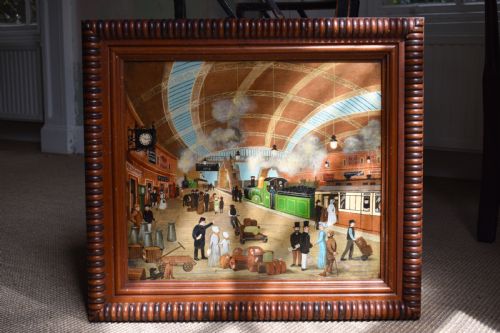
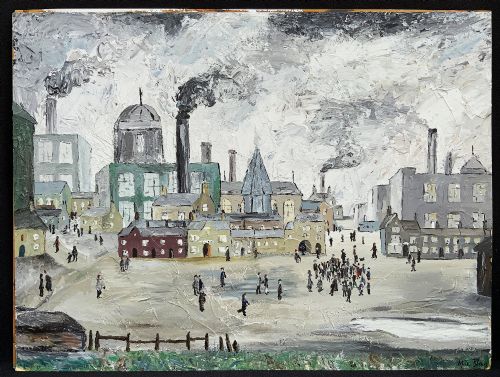
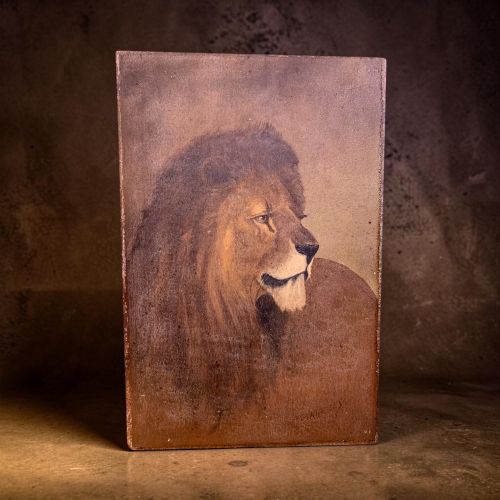
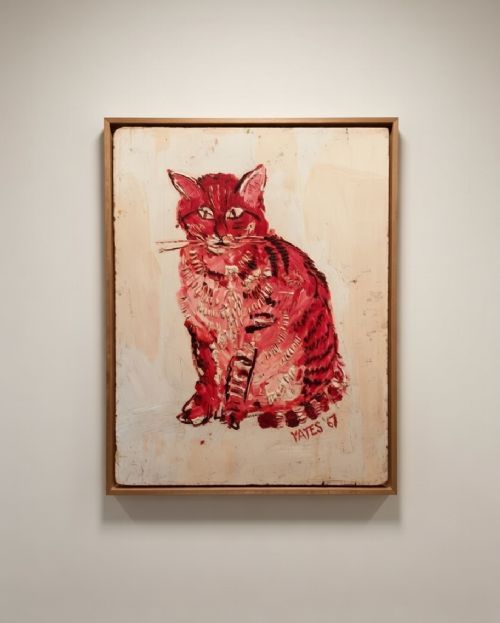
The subjects range from railway station scenes and northern townscapes to animal portraits and surrealist musician landscapes. Many date from the nineteenth century, with others carrying mid-century dates or associated styles like folk art and northern school.
How they were made
These works are executed in oil paint using canvas, wood, board or wood board as a support. The choice of ground often reflects the practical materials available to the maker at the time, ranging from stretched canvas to simple wooden boards.
Application techniques vary from flat, unblended colour blocks to textured handling of oil paint. Artists utilised these straightforward methods to render forms without the rules of academic perspective.
Supports recorded across the items include canvas, wood, board and turned wood.
What varies in quality
Quality in a naive style oil painting rests on the strength of the composition and the confidence of the brushwork. The most successful examples possess a compelling visual rhythm and directness that outweigh conventional draughtsmanship.
The character of the subject matter and the personality captured in portraits or townscapes elevate certain works above others. Strong colour harmony and an engaging narrative within the scene distinguish the top of the range.
Fred Yates·Gertrude Halsband
The Naive Style Oil Painting Glossary
- Naive Art
- Art created by self-taught artists who work outside traditional academic rules and perspective. This style is valued for its direct observation and unstudied charm.
- Oil Paint
- A slow-drying paint made by mixing pigments with a drying oil, typically linseed oil. It allows for rich colour depth and varied surface textures.
- Folk Art
- Utilitarian and decorative items created by rural or traditional communities. In painting, it often reflects local customs and everyday life.
- Wood Board
- A rigid wooden support used instead of stretched canvas for painting. It provides a solid ground that survives decades of domestic display.
- Northern School
- A regional British artistic tradition focused on industrial towns and working-class life. The paintings often feature muted palettes and strong narrative elements.
Naive Style Oil Painting: Frequently Asked Questions
What is a naive style oil painting?
A naive style oil painting is a work created by an artist without formal academic training, often resulting in charmingly unconventional perspective and direct storytelling.
These pieces capture everyday subjects, animals, landscapes and portraits with a distinct personal vision rather than strict adherence to classical proportions.
How old are these oil paintings?
The pieces seen here span multiple periods, with examples dating from the nineteenth century through to the mid-twentieth century.
Earlier works often reflect Victorian folk art traditions, while mid-century examples incorporate surrealist or regional British influences.
What surfaces were used for painting?
Makers utilised various supports depending on the period and availability of materials, including stretched canvas, wooden panels and simple board.
Oil paint was applied directly to these grounds, sometimes retaining the texture of the wood or the weave of the canvas underneath.
How do I live with naive art?
Naive art suits informal interiors, country houses and modern spaces alike, bringing warmth and character to a wall.
Pair these framed paintings with simple lighting and neutral backgrounds to let the colours and direct brushwork stand out in the room.