





Folk Art Portrait
A folk art portrait captures the unvarnished character of people, children and animals through the direct hand of untrained or provincial painters and makers.
Folk Art Portrait
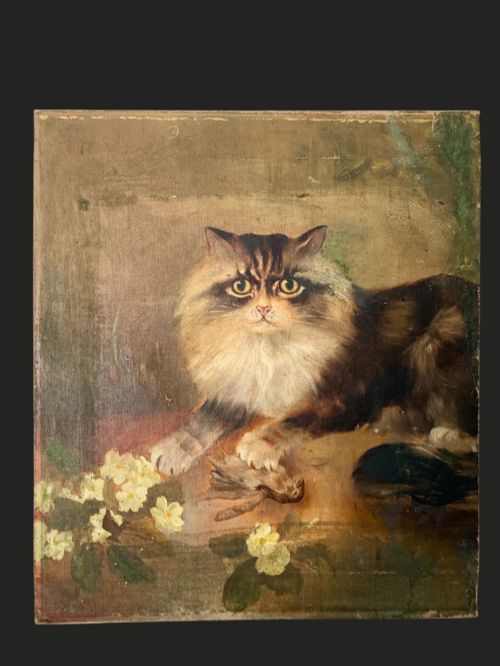
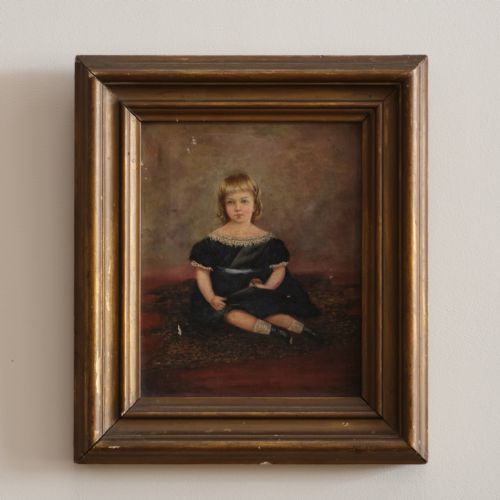
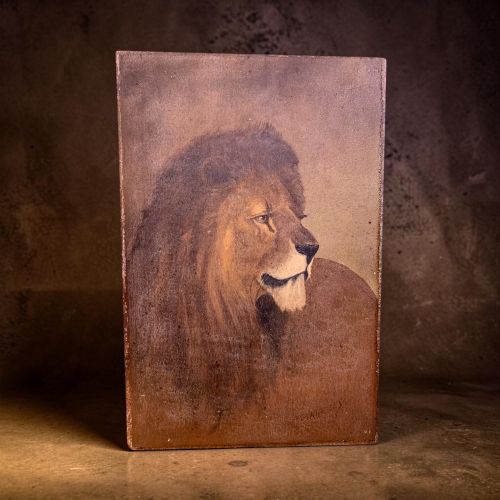
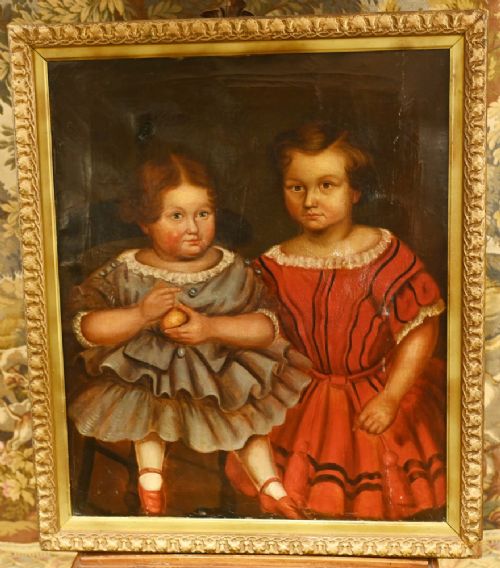
A folk art portrait brings together centuries of provincial and naive depiction, focusing heavily on nineteenth-century canvases, panels and watercolours. You encounter depictions of children, gentlemen, ladies and domestic animals rendered outside the strict conventions of academy training.
The most common examples on this page are nineteenth-century oil paintings on canvas or board, often rooted in the English naive school or American primitive traditions. These works prioritize distinct personality and direct gaze over academic perspective and proportion.
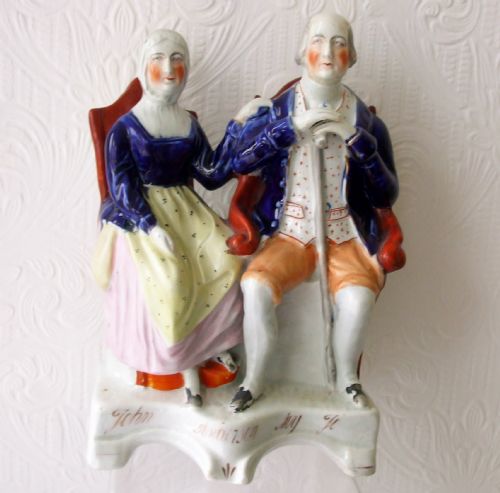
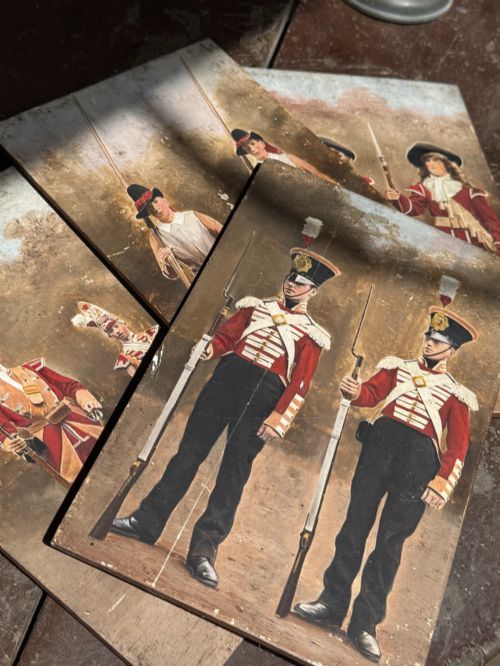
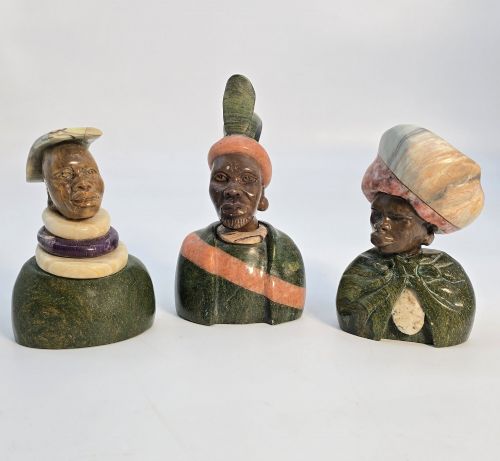
Beyond flat paintings, the category broadens to include carved wood figures, pottery portrait busts and painted panels from fairgrounds. Each piece relies on regional vernacular expression rather than academic polish to tell its story.
How They Were Made
Makers utilised oil paint applied to canvas, wood panels and boards, alongside watercolour and ink on paper. Pigments were brushed with straightforward, unpretentious strokes that prioritized bold silhouettes and flat planes of colour.
Three-dimensional pieces relied on hand-carved wood and moulded pottery, subsequently painted by hand with basic earth pigments and oil colours. The physical construction emphasises durability and local materials rather than delicate, refined joinery.
Folk Art Portrait Retail Price Guide 2026
Typical asking prices for folk art portrait among the pieces listed under this phrase on Sellingantiques today, from the lower quarter to the upper quarter. They describe what is for sale here now, not the wider market.
Listings feature oil on canvas, watercolour on paper, carved wood and Staffordshire pottery spanning the eighteenth to twentieth centuries.
What Varies in Quality
Quality rests upon the strength of the subject's presence and the confidence of the brushwork or carving. A successful piece achieves an arresting, direct character despite its maker's lack of formal anatomical training.
The handling of surface texture and the preservation of original pigment distinguish superior examples. Pieces that retain their uncleaned, untouched patination carry greater visual integrity than those subjected to heavy restoration.
Holley Bros·Ferruccio Vitale
The Folk Art Portrait Glossary
- Naive school
- Art produced by painters lacking formal academic training, characterised by flat perspective and simplified forms. This approach produces honest character studies without classical proportions.
- Primitive
- An early or provincial style of making that precedes academic refinement. These works favour stark outlines and direct emotional impact over technical polish.
- Provenance
- The documented history of ownership attached to a piece. Tracing this record confirms the authenticity and geographic origins of provincial portraits.
- Patina
- The surface sheen and ageing acquired by materials over decades of exposure and handling. Original patination signals an untouched, authentic state.
Folk Art Portrait: Frequently Asked Questions
What is a folk art portrait?
A folk art portrait is a painting, drawing or sculpture created by an untrained or provincial artist. These works depict people, children and animals with directness and charm.
Unlike formal academy portraits, they focus on individual character and bold composition rather than strict anatomical accuracy or classical rules.
How do I date a naive portrait?
Dating relies heavily on clothing styles, hairstyles and the physical materials used by the maker. Nineteenth-century pieces often display specific Victorian or Regency dress codes.
Examining the stretcher frames, canvas type and backing boards also helps narrow down the production era.
Where were these portraits made?
These pieces originate from local workshops, regional studios and rural communities across Britain, Europe and America. Provincial makers worked far from metropolitan centres.
Their isolated environments allowed distinct regional visual traditions to flourish independently of national art trends.
How should I display them?
Display these works away from direct sunlight to protect vulnerable watercolours and oil pigments from fading. Simple wooden or rosewood frames complement their rustic aesthetic.
Grouping smaller painted panels or watercolours together creates a strong visual impact on a wall.