



Carved Timber Framed Art
These carved timber framed art pieces bring warmth and rich craftsmanship to an interior, offering character built from solid wood and historic design.
Carved Timber Framed Art
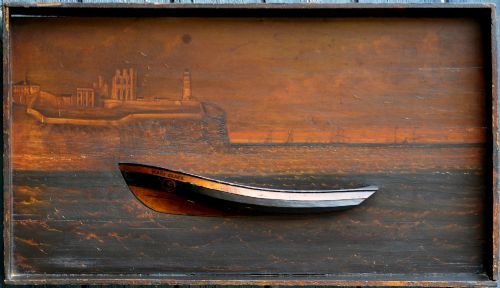
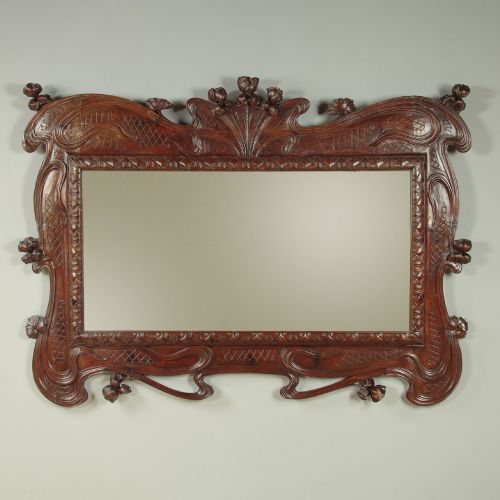
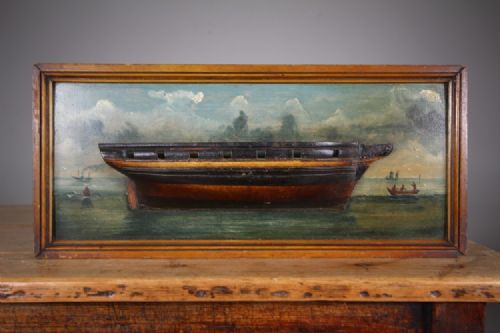
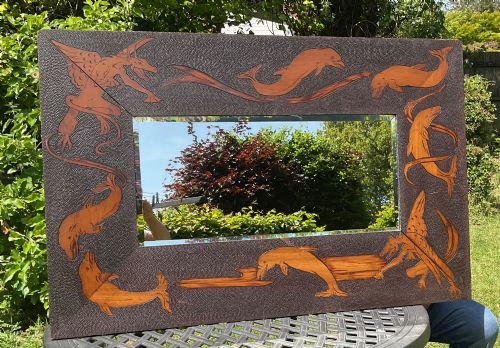
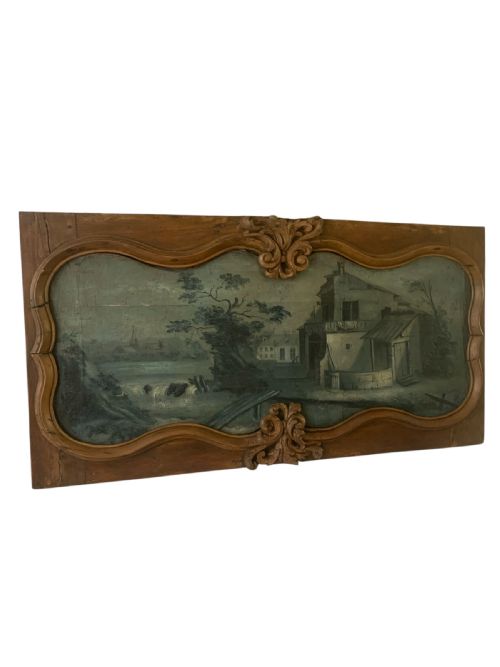
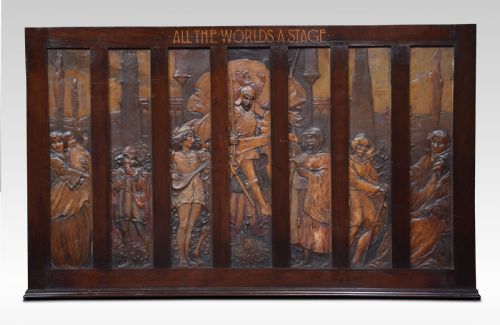
When you search for carved timber framed art, you encounter a diverse collection of wooden wall mirrors, picture frames, painted panels, and architectural reliefs. These objects span from the eighteenth century through to the Art Nouveau and Arts and Crafts periods, reflecting a long tradition of decorative woodworking.
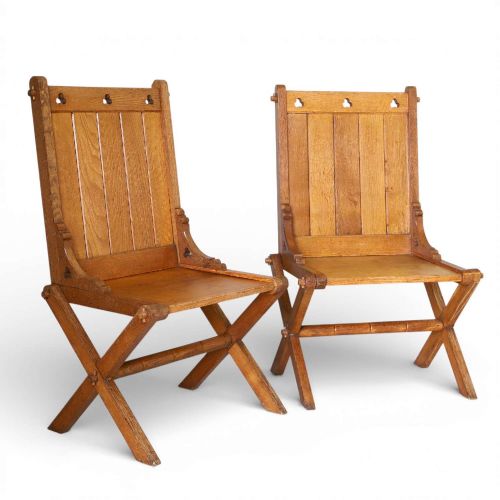
You are most likely to meet wall mirrors and framed panels fashioned from oak, walnut, fruitwood, and other hardwoods. Many incorporate deep relief carving or stylistic elements drawn from Gothic Revival and folk traditions.
The selection also includes figurative oil paintings and diorama displays encased in elaborate timber surrounds. Each piece functions simultaneously as structural joinery and decorative wall art.
Materials and construction methods
Carpenters and artisans utilised solid timbers such as oak, walnut, fruitwood, and exotic hardwoods to construct these frames and panels. Wood was selected for its grain and durability, then shaped using hand chisels and gouges to achieve deep relief ornamentation.
Surfaces were frequently finished with natural wax, oil paint, or gilding to enhance the carved details. Joinery techniques varied from traditional mortise and tenon joints in structural frames to delicate mitres on picture surrounds.
Distinctions in quality
Quality rests primarily in the depth, crispness, and control of the hand carving. Pieces featuring fluid organic lines, undercut foliage, or well-defined figural motifs demonstrate superior artisan skill compared to mechanical or shallow execution.
The integrity of the timber and the preservation of original surface treatments also dictate distinction. Items retaining their original paint, gilding, or patinated beeswax finish hold greater aesthetic coherence than those stripped or heavily altered over time.
Oliver Morel·Christoffel Bisschop
The Carved Timber Framed Art Glossary
- Relief carving
- A sculptural technique where figures or patterns project from a flat background. Deep relief creates strong shadow lines and spatial depth.
- Arts and Crafts
- A design movement valuing traditional craftsmanship, natural materials, and simple forms. It rejected mass production in favour of visible hand skill.
- Gothic Revival
- An architectural and decorative style drawing on medieval forms. It frequently employs pointed arches, trefoils, and heavy structural timber.
- Art Nouveau
- A style characterised by flowing, organic lines inspired by natural forms. Frames from this period often display sinuous plant motifs.
- Gilt wood
- Timber coated with a thin layer of gold leaf or powder. This finish was commonly applied to mirrors and fine picture frames to reflect light.
Carved Timber Framed Art: Frequently Asked Questions
How do I date a carved wooden frame?
Dating relies on examining the tool marks left by the artisan, the timber species utilised, and the prevailing stylistic traits of the period. Georgian, Victorian, and Arts and Crafts pieces each display distinct joinery methods and decorative vocabularies.
Secondary indicators include the composition of the backing boards, the type of fixings, and the natural patina accumulated on the wood over centuries.
Are these pieces suitable for damp rooms?
Solid timber frames and panels react strongly to fluctuations in moisture and temperature. Kitchens and bathrooms risk causing the wood to warp, crack, or split.
Displaying them in dry, climate-stable living spaces or hallways preserves the structural integrity of the frame and protects any original paint or gilding.
How should I hang a heavy carved mirror?
Heavy timber frames require secure wall fixings suited to the specific wall construction, such as solid masonry or stud partitioning. Using appropriate mirror plates or heavy-duty brackets distributes the weight safely.
Consulting a professional installer ensures the piece remains secure without straining the antique joints of the frame.
Can I restore missing pieces of wood carving?
Conservation specialists can replicate missing decorative elements using matching period timber and traditional hand tools. The goal remains stabilization and aesthetic continuity rather than a complete overhaul.
Leaving minor losses untouched often preserves the historic character and authenticity of the object.