

Classic Oil Painting Artwork
Classic oil painting artwork brings centuries of portraiture and landscape to your walls, rooted in canvas, wood and giltwood.
Classic Oil Painting Artwork
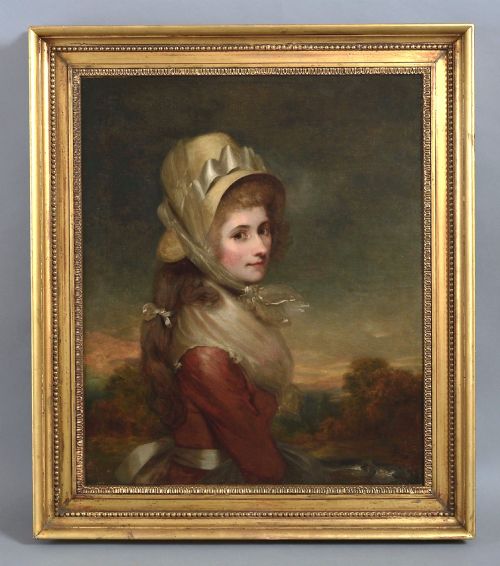
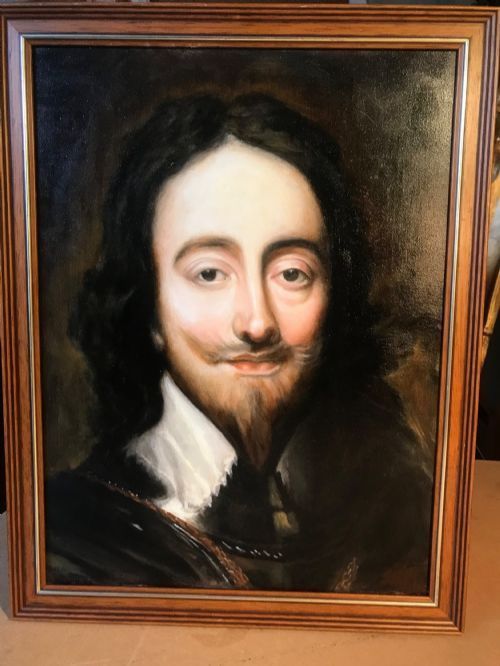
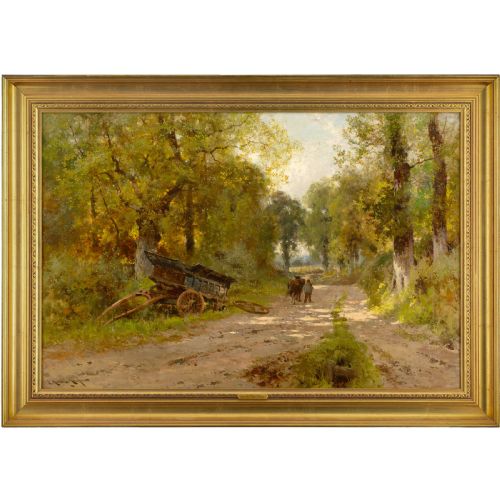
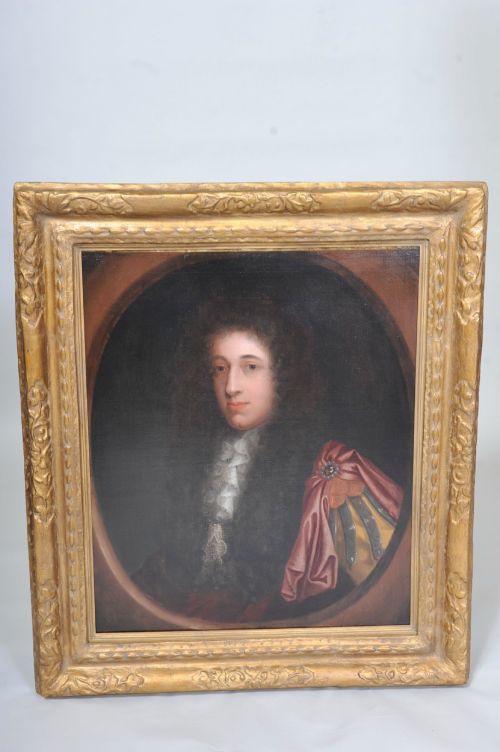
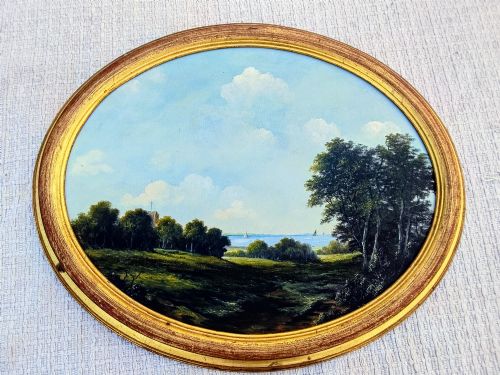
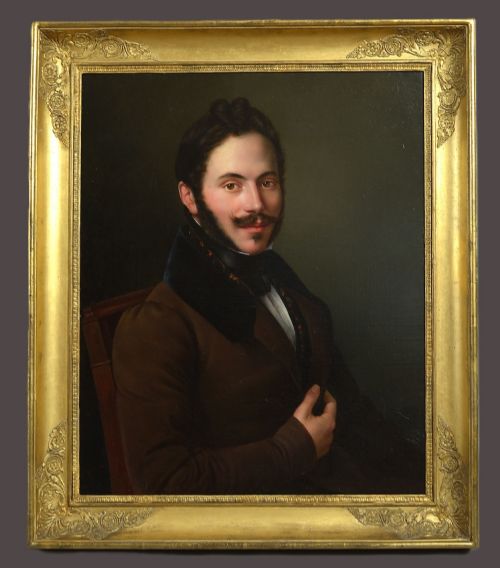
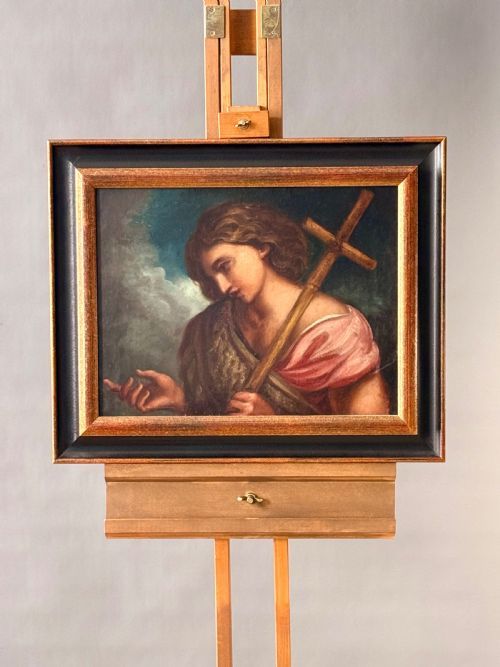
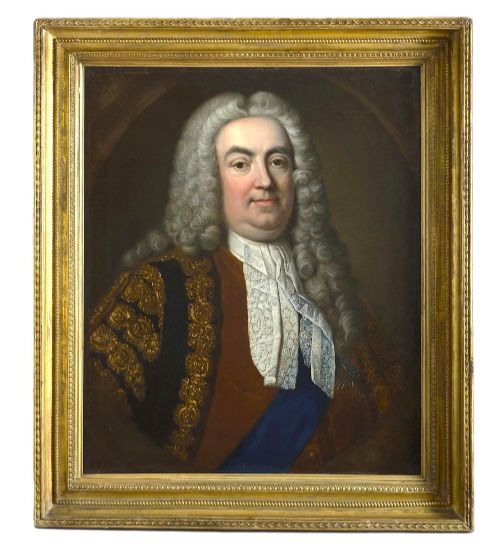
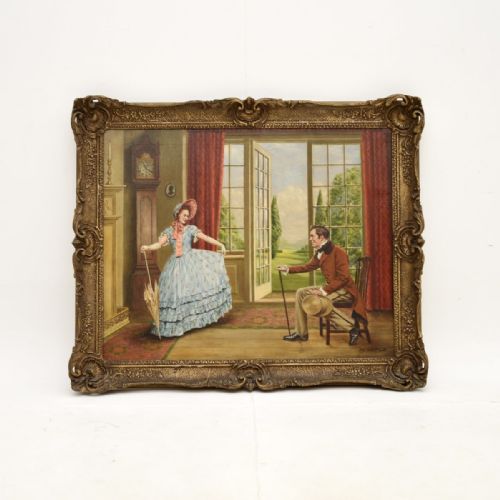
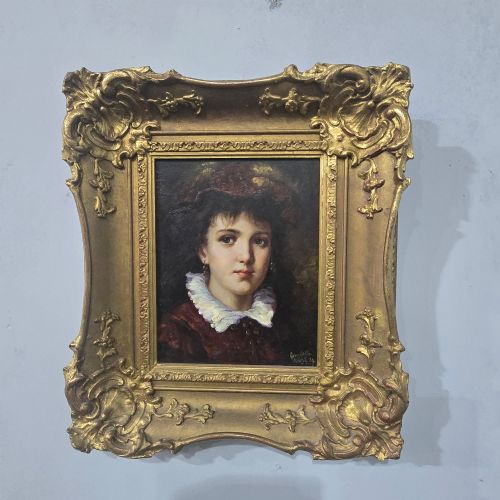
Classic oil painting artwork encompasses centuries of visual culture, ranging from formal portraiture and serene landscapes to detailed still lifes. When searching this phrase, a buyer encounters works spanning the seventeenth century through to the early decades of the twentieth century. These pieces record historical figures, rural scenes and intimate domestic moments captured by various European schools.
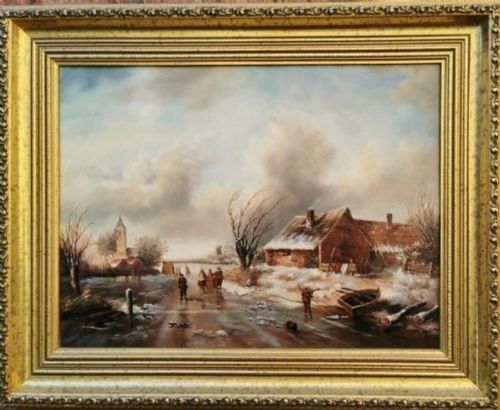
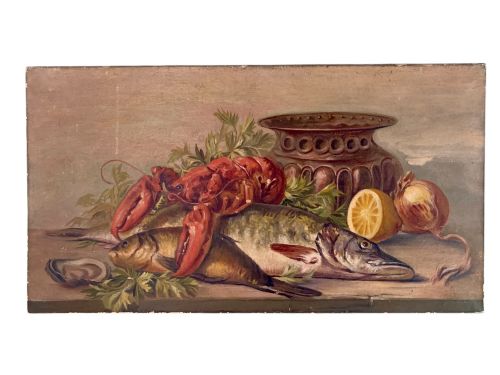
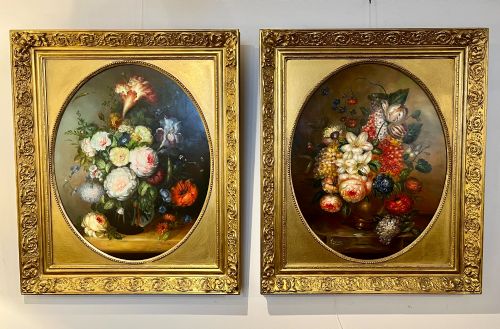
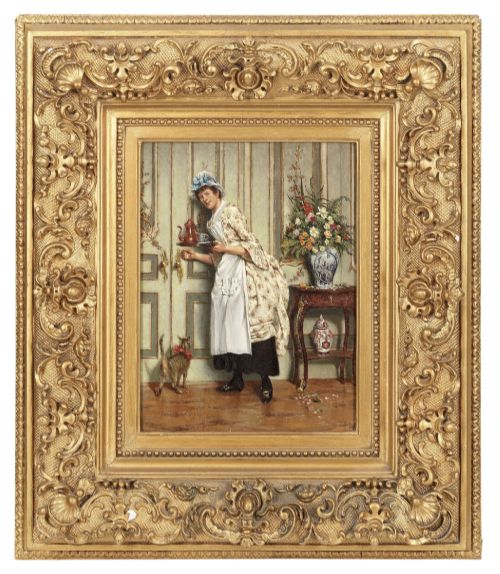
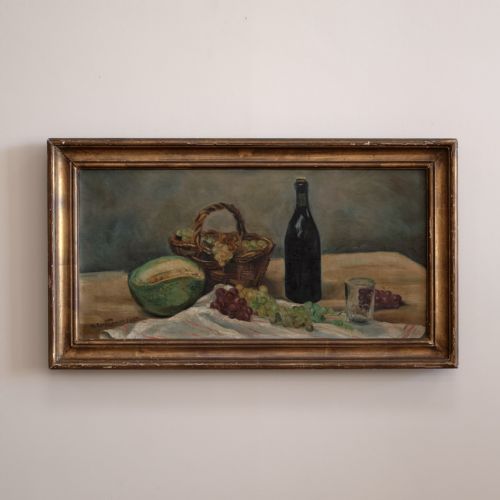
The most common formats on this page are oil paintings executed on canvas or board, often housed in period frames of giltwood. Portraits of gentlemen and ladies frequently appear alongside winter landscapes, marine views and still lifes featuring fruit and flowers. Works range from unsigned pieces by regional British and continental schools to signed compositions by named nineteenth-century artists.
How they were made
These works rely primarily on oil paint applied to prepared canvas or wood panels, utilising traditional layering techniques developed across the centuries. Pigments suspended in drying oils allowed artists to build rich textures, subtle tonal gradations and deep shadows that endure across generations.
Many of these paintings are preserved within their original or period-appropriate gilt wood frames, which were carved and gilded to complement the visual weight of the artwork. The physical support, whether stretched canvas or rigid board, dictates the specific surface craquelure and conservation history of each individual piece.
Classic Oil Painting Artwork Retail Price Guide 2026
Typical asking prices for classic oil painting artwork among the pieces listed under this phrase on Sellingantiques today, from the lower quarter to the upper quarter. They describe what is for sale here now, not the wider market.
Subcategories among these works include detailed still lifes, maritime views, equestrian studies and formal historical portraits.
What varies in quality
The distinction between standard decorative works and masterworks lies in the surety of the brushwork, the anatomical precision of figures and the atmospheric depth of landscapes. Studio pieces and works by follower schools often display competent execution, whereas signed paintings by established artists demonstrate superior draughtsmanship and compositional confidence.
Sir Martin Archer Shee·Anthony Van Dyck·John Horace Hooper·Sir Godfrey Kneller·Edouard Pingret·Jean Baptiste Van Loo·Alfred Lyndon Grace·Francis Moltino·Margaret Sarah Carpenter·Edward Ladell·Louis Charles Verwee·Winifred Rymer·Else Preußner·William Oliver·Thomas Spinks·Albert Rieger·Valdemar Magaard·Robert Watson·William Watt Milne·T C Hofland
The Classic Oil Painting Artwork Glossary
- Canvas
- A heavy woven fabric stretched across a wooden frame to serve as a sturdy support for oil paint. It provides a slightly textured surface that interacts with the viscosity of applied pigments.
- Giltwood
- Wood that has been coated with a thin layer of gold leaf or gold paint, frequently used for ornate period picture frames. This finish adds a reflective border that isolates and enhances the artwork within.
- Craquelure
- The fine network of microscopic cracks that forms across the surface of aged oil paint and varnish layers. It serves as a natural indicator of age and material shrinkage over decades.
- Studio of
- A term used to describe a painting produced by assistants or pupils working under the direct supervision of a master artist. Such works often replicate known compositions or utilise the master's established stylistic methods.
- Still life
- An artwork depicting inanimate subject matter, typically commonplace objects such as fruit, flowers, tableware or game. These compositions allow artists to showcase meticulous control over light, shadow and texture.
Classic Oil Painting Artwork: Frequently Asked Questions
How do I care for an antique oil painting?
Keep the artwork away from direct sunlight and sources of extreme heat to prevent the canvas from warping and the oil paint from fading or drying out further.
Dust the surface gently with a soft, dry brush on a regular basis, and avoid using liquid cleaners or chemical solvents on the paint layer.
Are these paintings supplied with frames?
Many of these pieces are housed in their original or period-appropriate giltwood frames, which contribute significantly to the historical presentation of the artwork.
Listing descriptions specify whether a particular frame is included with the painting or if the canvas is sold unframed.
What is the difference between canvas and board?
Canvas is a woven textile stretched over a wooden stretcher frame, offering a flexible surface that responds to environmental humidity changes.
Board provides a rigid flat support made from wood or compressed material, which prevents the flexing and associated cracking sometimes seen in older canvases.
How can I tell who painted an unsigned work?
Unsigned pieces are often attributed to a specific period, region or school based on stylistic conventions, brushwork techniques and comparable documented works.
Expertise relies on examining the preparation of the canvas, the pigment palette used and historical records matching the subject matter.