

Vintage Portrait Picture Frame
A vintage portrait picture frame holds personal imagery within metal, wood, or glass borders shaped by past centuries.
Vintage Portrait Picture Frame
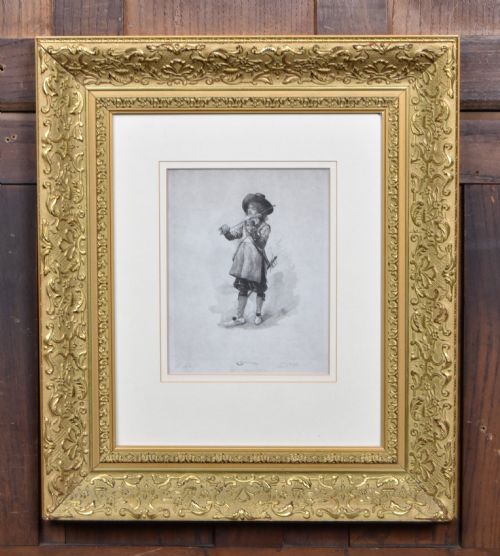
A vintage portrait picture frame houses historical likenesses, watercolours, oils, and photographs created across the nineteenth and twentieth centuries. These housings present themselves in diverse formats, from small desk-standing shields to substantial wall-hanging enclosures.
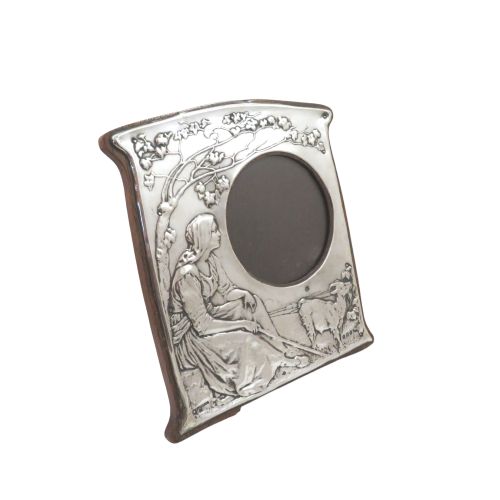
The selections encountered here span periods from the Georgian era through Edwardian and Art Nouveau designs up to mid-century creations. Materials range from polished sterling silver and cast ormolu to carved giltwood and rosewood.
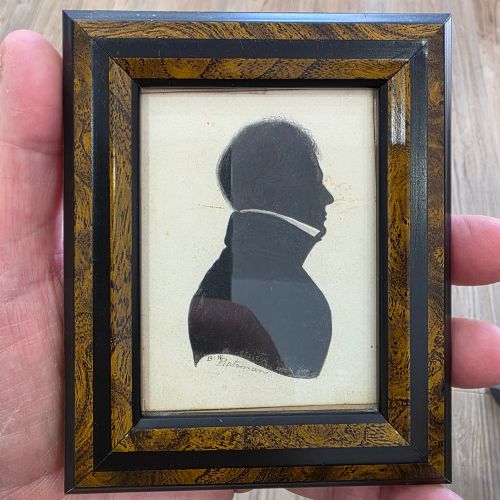
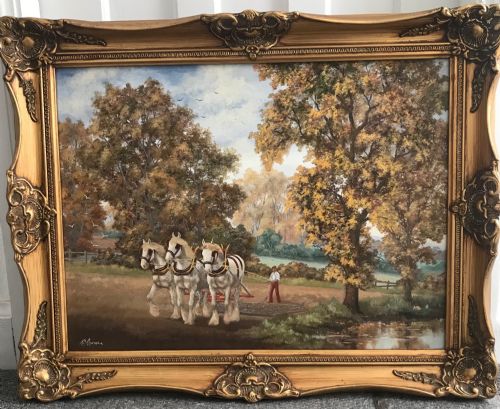
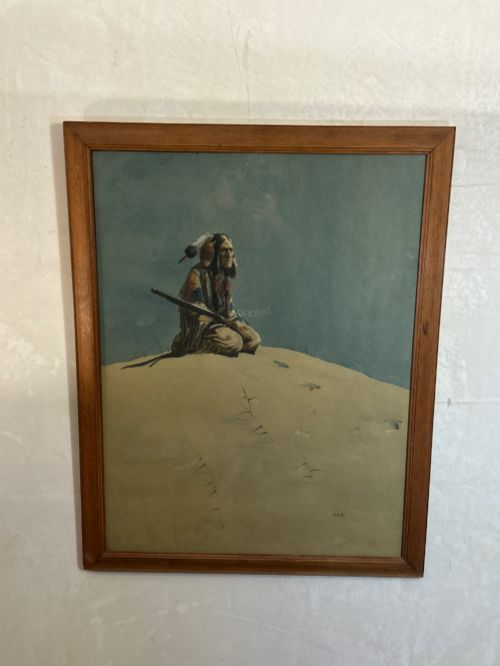
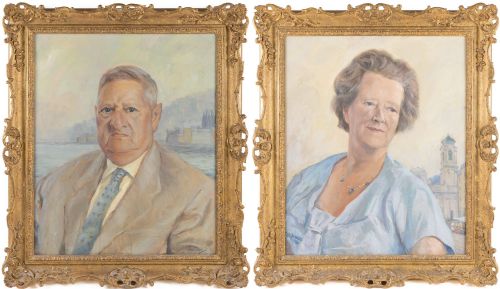
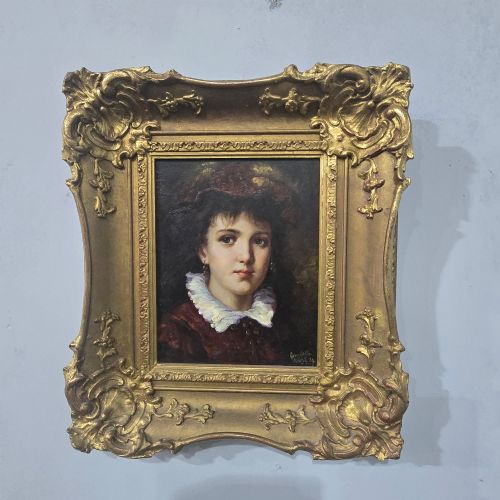
Buyers seeking a vintage portrait picture frame frequently encounter works framed closely with their original artistic contents, such as silhouette cuttings, pastel drawings, and oil paintings. The enclosing structure and the portrait inside often share a unified period origin.
Materials and construction methods
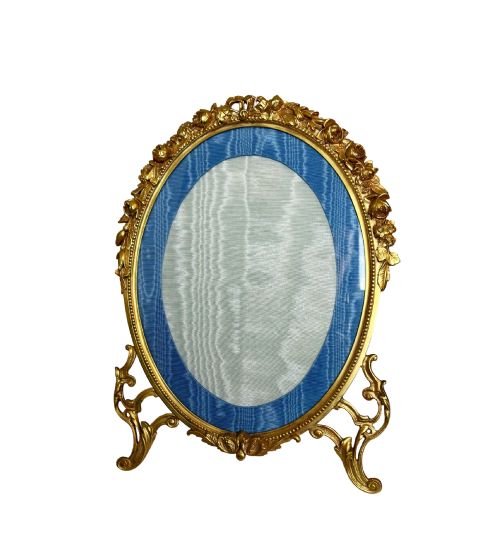
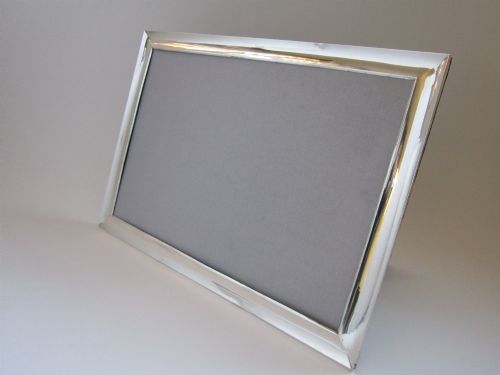
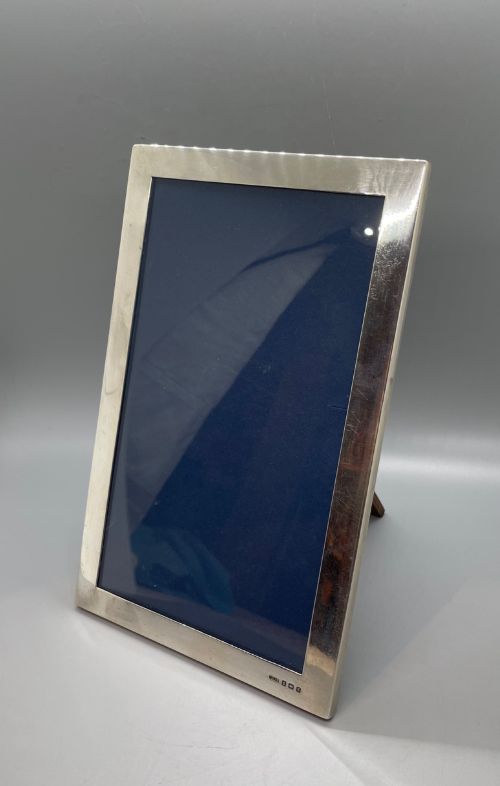
Silversmiths utilised sterling silver punched with town hallmarks to construct intricate surrounds featuring embossed floral motifs or smooth polished borders backed with wood and easel supports. Other workshops employed gilt bronze, ormolu, and cast metals styled with Rococo Revival curves or linear Art Nouveau plant forms.
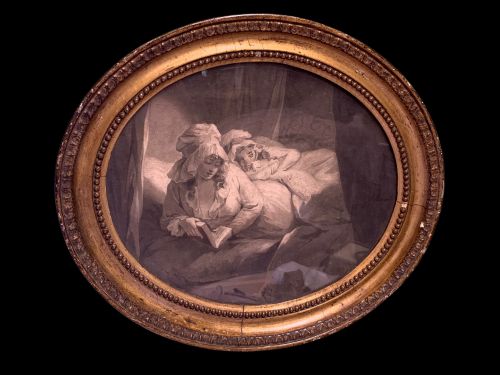
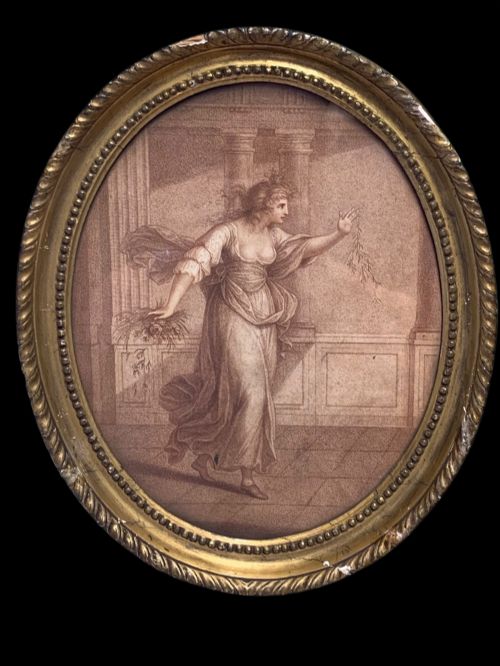
Wooden frames relied on carved giltwood, rosewood, and simple stained timbers, frequently enclosing canvases, paper drawings, or glass panels. Makers secured these components using traditional joinery and fitted them with aged glass to protect delicate pastels, watercolours, and paper engravings.
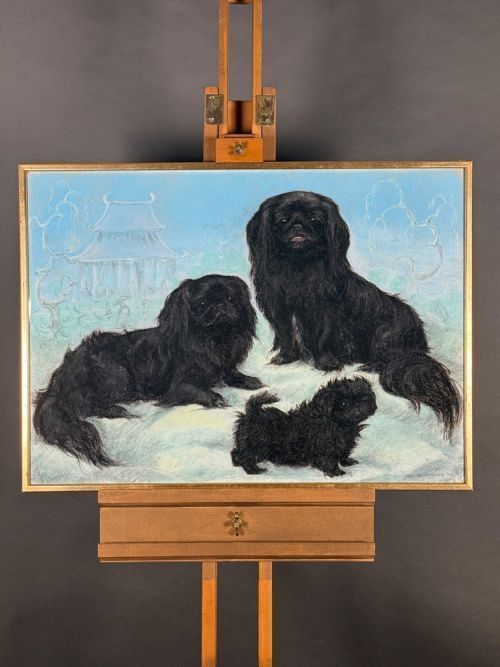
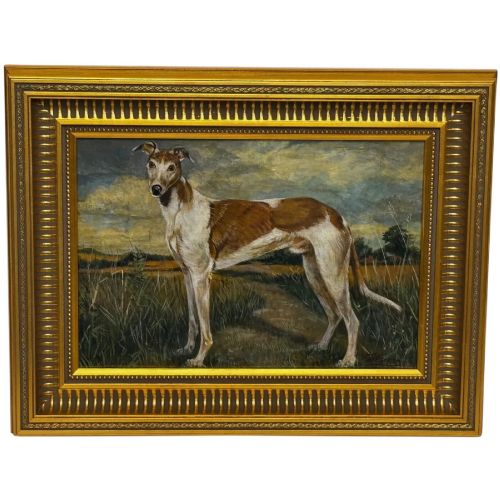
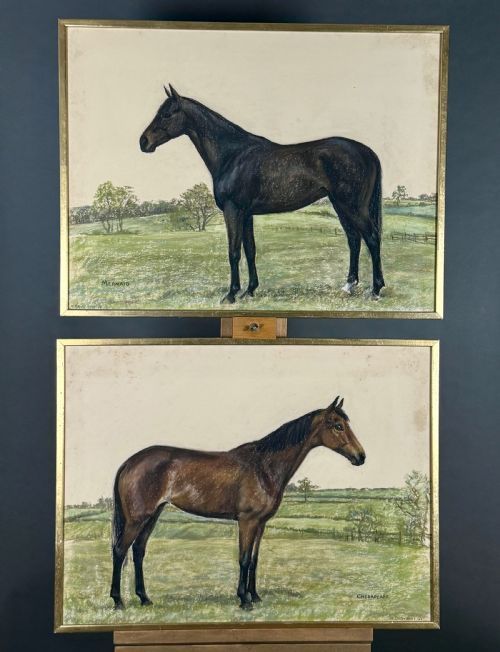
Several portrait frames preserve domestic animals rather than humans, including studies of horses and black Pekingese dogs.
Assessing construction and design quality
Superior examples display crisp detailing in stamped silver hallmarks, hand-carved wooden contours, and well-preserved surface gilding. Lower tiers often show heavy wear to underlying base metals, clumsy structural repairs, or replaced backing boards.
The integrity of the original backing and easel support strongly influences the standing of a piece. Finer specimens retain their original glass panes and secure corner joints without undue looseness or structural fatigue.
William Comyns·Jonny Gaston·John Hassall·Augustin Edouart·Anton Weiss
The Vintage Portrait Picture Frame Glossary
- Sterling silver
- A precious alloy containing ninety-two point five percent silver by mass, frequently utilised for hallmarked photo frames.
- Art Nouveau
- A decorative style popular around nineteen hundred characterised by sinuous plant tendrils and asymmetrical organic lines.
- Ormolu
- A golden-coloured bronze alloy shaped through casting and chasing to adorn decorative metalwork and frames.
- Silhouette
- A solid dark profile portrait cut from paper or painted onto a pale background, popular during the eighteenth and nineteenth centuries.
- Giltwood
- Timber treated with a thin layer of gold leaf applied over a prepared gesso ground.
Vintage Portrait Picture Frame: Frequently Asked Questions
How do I date a silver picture frame?
Examine the stamped hallmarks on the silver border, which reveal the assay office, standard mark, and date letter assigned to the year of manufacture.
Comparing the stylistic motifs, such as Edwardian ribbons or Art Nouveau whiplash lines, helps confirm the production decade.
Can I replace the glass in an old frame?
Original glass panes featuring historical bubbles and imperfections are retained whenever possible to maintain the authentic character of the object.
If replacement becomes necessary for protection, thin mouth-blown or antique-process glass substitutes modern plate glass effectively.
How were these frames displayed originally?
Many smaller metal and wooden formats stood on writing desks, mantelpieces, and boudoir tables supported by hinged wooden struts.
Larger oil paintings and engravings utilised robust wall-hanging cords attached to heavy wooden mouldings.
What is the difference between an oil and a pastel?
Oil paintings utilise pigment suspended in drying oil applied to stretched canvas or wooden boards, creating durable textured surfaces.
Pastels consist of powdered pigment bound into sticks applied to paper, requiring protective glass glazing to prevent smudging.