



Victorian Framed Canvas Art
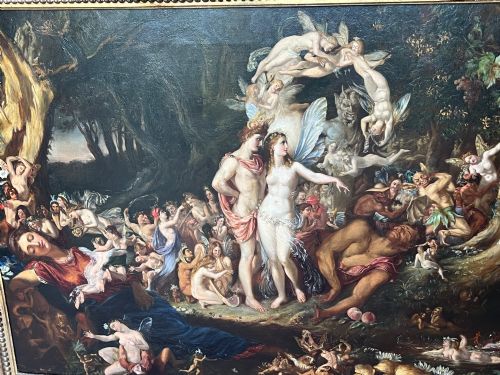
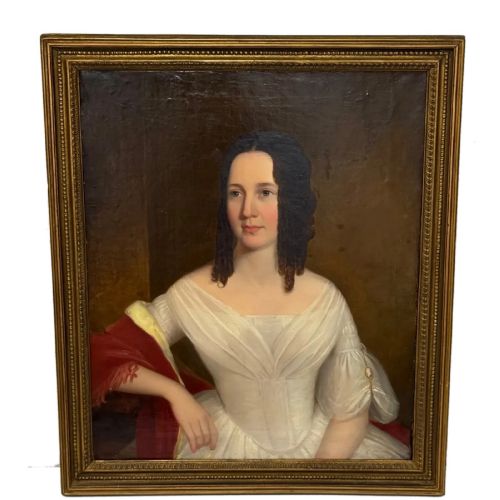
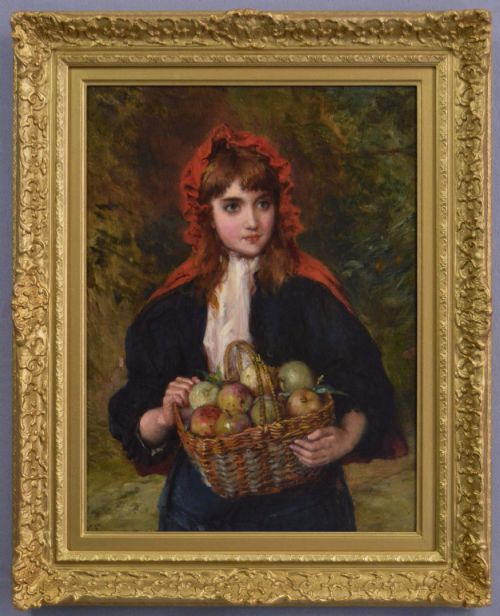
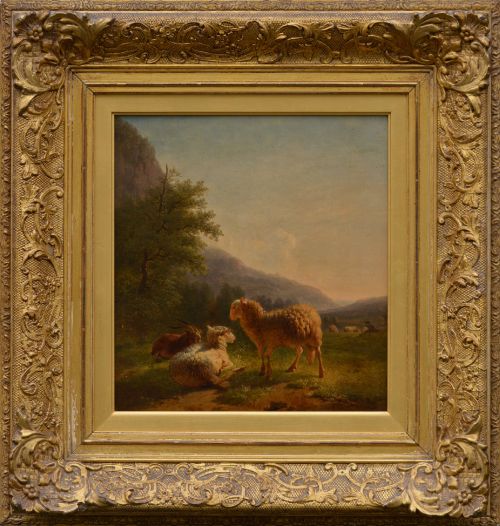
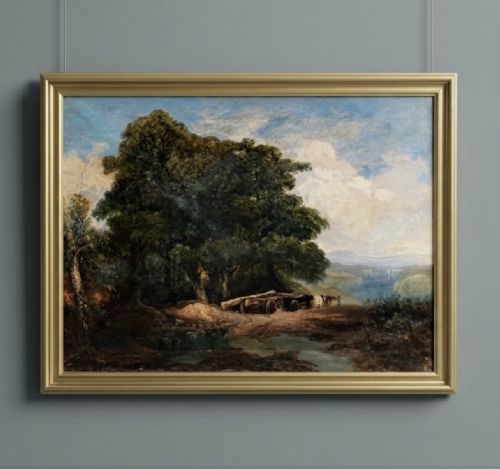
Victorian framed canvas art encompasses original oil paintings on canvas enclosed in period wood and gesso surrounds.
Victorian Framed Canvas Art
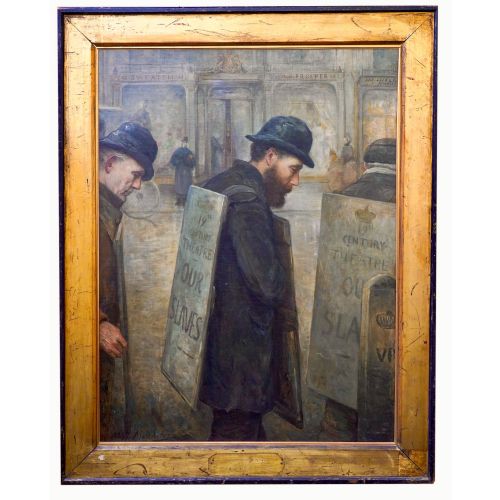
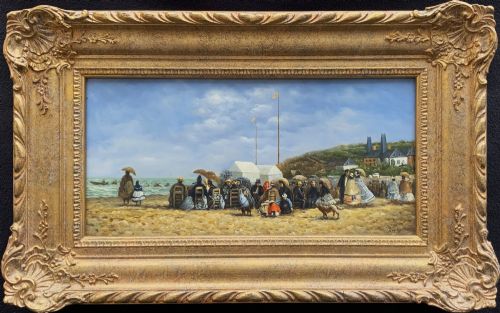
Victorian framed canvas art comprises oil paintings created during the nineteenth century, presented in their original or period-appropriate wood and gesso frames. Buyers seeking these works encounter subjects ranging from pastoral landscapes and maritime scenes to detailed portraiture and genre paintings.
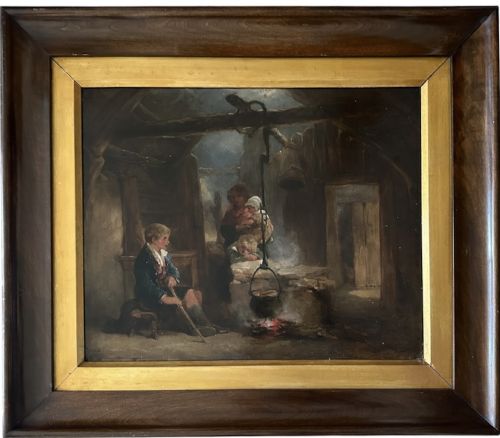
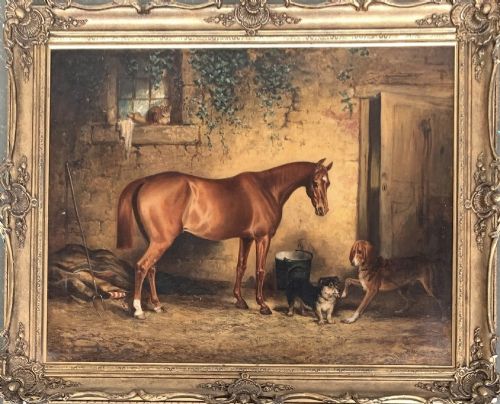
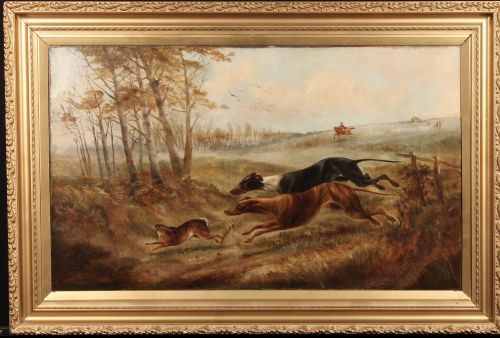
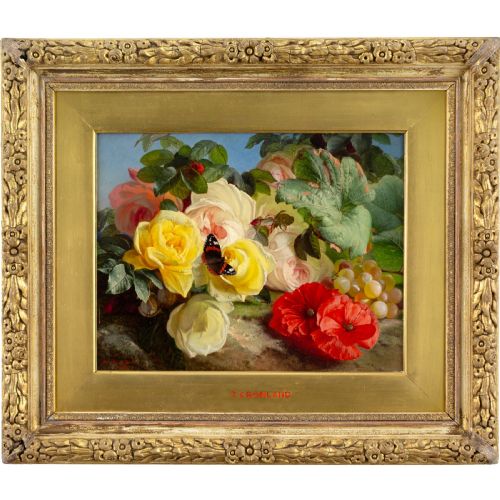
The pieces on this page span the nineteenth century and associated academic traditions, reflecting British, French, and wider European schools. Canvases depict rural idylls, domestic animals, maritime disasters, and historical figures executed in oil paint.
Materials and Construction
Painters applied oil paint to stretched canvas using traditional brushes and layering techniques to build depth and texture. The resulting pigment layers dried slowly, allowing artists to blend tones and achieve realistic representations of light and fabric.
Surrounding the canvas, frames were constructed from wood and embellished with moulded gesso, which provided the base for gilding with gold leaf. This combination protected the edges of the canvas and gave the artwork a finished architectural presence.
Several canvases record specific Victorian domestic moments, capturing cats, kittens, and shorthorn bulls alongside human portraits.
Quality Variations
The fidelity of the brushwork and the anatomical accuracy of figures or animals distinguish superior paintings from more commercial studio output. Master hands command attention through subtle handling of light, shadow, and facial expression.
Frame construction also dictates quality, with hand-carved or deeply moulded giltwood surrounds holding greater artistic integrity than simpler, later replacements. The harmony between the original canvas and its frame preserves the historical context of the piece.
William Oliver·Eugène Verboeckhoven·Richard Sebastian Bond·William Beattie-Brown·Felix Stone Moscheles·Valentine T. Garland·John Maler Collier·Dumini Leopoldo·Frederick Marriott·Arthur Wardle·John Horace Hooper·William McAlpine·Alfred Fontville de Breanski·Thomas Smythe·Albert Clark·Alfred Lyndon Grace·Stephen Samuel Lewin·John Rose Miles·Vittorio Reggianini·Thomas W Lascelles·Mark William Langlois·David Bates
The Victorian Framed Canvas Art Glossary
- Oil on Canvas
- A painting medium where pigments are suspended in a drying oil, typically linseed, and applied to a woven fabric support stretched over a wooden frame. This combination allows for rich colour saturation and subtle blending.
- Giltwood
- Wood that has been covered with a thin layer of gold leaf or gold paint for decorative effect. It forms the primary material for many ornate Victorian picture frames.
- Gesso
- A plaster-like mixture used as a smooth base for paint or gilding on wooden frames. It can be moulded into intricate decorative reliefs before being gilded.
- Genre Painting
- The pictorial representation of scenes from everyday life, typically involving ordinary people engaged in common activities. These works offer social insight into the period in which they were painted.
Victorian Framed Canvas Art: Frequently Asked Questions
What subjects appear in Victorian framed canvas art?
Paintings from this era cover a broad range of subjects, including pastoral landscapes, maritime scenes, portraits of individuals and animals, and domestic genre scenes.
Artists frequently drew inspiration from British and European countryside life, social history, and romantic ideals.
How should these oil paintings be displayed?
Canvas artworks require placement away from direct sunlight and excessive humidity to protect the oil paint and canvas fibres from degradation.
Proper wall hanging ensures the heavy wood and giltwood frames are securely supported without straining the stretcher bars.
How can I identify the period of a canvas?
Dating relies on stylistic clues within the painting, artist signatures, biographical records, and the construction methods of the canvas stretcher and frame.
Nineteenth-century works often exhibit specific academic or realist conventions characteristic of the Victorian era.