

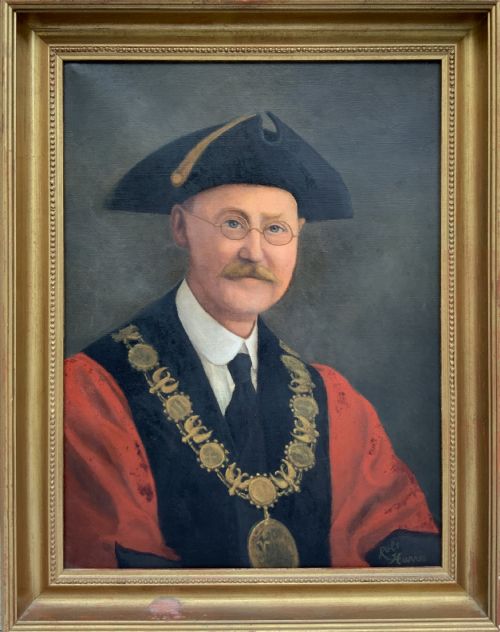


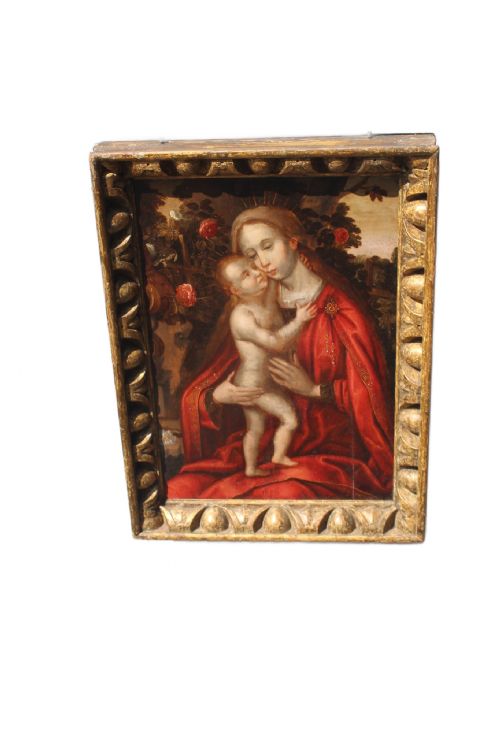


Red Robe Oil Painting
A red robe oil painting brings a striking splash of scarlet and crimson into a room, capturing centuries of portraiture from judges and cardinals to statesmen.
Red Robe Oil Painting
A red robe oil painting depicts significant figures such as judges, lords, cardinals, and mayors draped in vivid crimson or scarlet vestments. These works span several centuries, moving from the seventeenth century through the Victorian era up to the mid-twentieth century.
The most common examples on this page are formal portraits, often showing sitters in their official court dress, academic robes, or religious attire. Flemish, Italian, and British schools all contribute to this varied grouping of fine art paintings.
Subjects range from biblical narratives and religious icons to historical judges and physicians. The recurring thread across these diverse periods is the bold use of red pigment to denote authority, office, or status.
Materials and Techniques
These works are executed in oil paint on canvas or wooden supports, allowing artists to build rich, layered depths of colour. The physical fabric of the paintings relies heavily on stretched canvas and prepared wooden panels.
Many of the period frames utilise leaf gilding and carved giltwood to complement the warmth of the oil compositions. Artisans shaped these decorative wooden surrounds to enhance the visual weight of the portraits.
Painters applied traditional techniques of glazing and blending to render the heavy folds of fabric in the red robes. This careful manipulation of oil pigment gives the drapery its characteristic luminous sheen and three-dimensional form.
Red Robe Oil Painting Retail Price Guide 2026
Typical asking prices for red robe oil painting among the pieces listed under this phrase on Sellingantiques today, from the lower quarter to the upper quarter. They describe what is for sale here now, not the wider market.
Judges often requested extra layers of crimson velvet in their portraits to ensure everyone in the courtroom knew who held the final word.
Assessing Quality and Execution
Quality in these portraits rests upon the artist's ability to render the texture of heavy fabric alongside the psychological depth of the sitter's face. Superior hands manage the play of light across scarlet cloth with greater subtlety.
The condition of the canvas and the originality of the accompanying giltwood frame also influence the overall standing of a piece. Well-preserved surfaces retain their original pigment depth without excessive overpainting.
Francesco Solimena·Thomas Hill·George Hayter·Frank Thomas Copnall·Arthur Royce Bradbury·Alfred L Grace·Robert Dumont Smith
The Red Robe Oil Painting Glossary
- Giltwood
- Wood that has been coated with gold leaf or a gold-coloured metallic finish. This material is frequently found on the decorative frames enclosing period oil paintings.
- Baroque
- An artistic style prevalent in the seventeenth and eighteenth centuries, characterised by drama, deep shadow, and rich colour. Works from this period often feature theatrical lighting on heavy drapery.
- Canvas
- A heavy woven fabric used as a surface for oil painting. It is typically stretched tightly over a wooden frame before the artist begins.
- School
- A group of artists working in a similar style or region, often under the influence of a master. Attributions to a specific school denote stylistic ties rather than direct authorship.
- Oil paint
- A slow-drying paint made by mixing pigments with a drying oil, commonly linseed oil. This medium allows for smooth blending and rich tonal gradations.
Red Robe Oil Painting: Frequently Asked Questions
What do red robes signify in old portraits?
Red garments in historical portraiture typically denoted high office, such as a judge, cardinal, lord, or mayor. The colour commanded respect and signalled authority to viewers.
Artists used rich red pigments to draw the eye directly to the most important figure in the composition.
How should I clean an antique oil painting?
Surface dust can be gently removed with a very soft, dry brush, but moisture and chemical cleaners must be avoided. Professional conservators should handle any deep cleaning or varnish removal.
Inappropriate cleaning materials can strip the oil paint layers and permanently damage the canvas.
How do I identify a seventeenth-century portrait?
Seventeenth-century works often show specific clothing styles, such as stiff lace collars, heavy velvet robes, and particular hairstyles. The handling of oil paint and the preparation of the canvas also offer clues to the era.
Expert examination of the wooden stretcher or panel can further confirm the age of the materials used.
Where should I hang a large oil painting?
Large portraits need a sturdy wall capable of supporting the combined weight of the canvas and its heavy giltwood frame. Direct sunlight and damp spaces should be avoided to protect the oil pigments.
Placing the artwork at eye level in a room with stable temperature ensures it can be viewed properly without environmental stress.