
Dark Wood Framed Picture
A dark wood framed picture brings warmth and historical depth to a room through centuries of artistic expression.
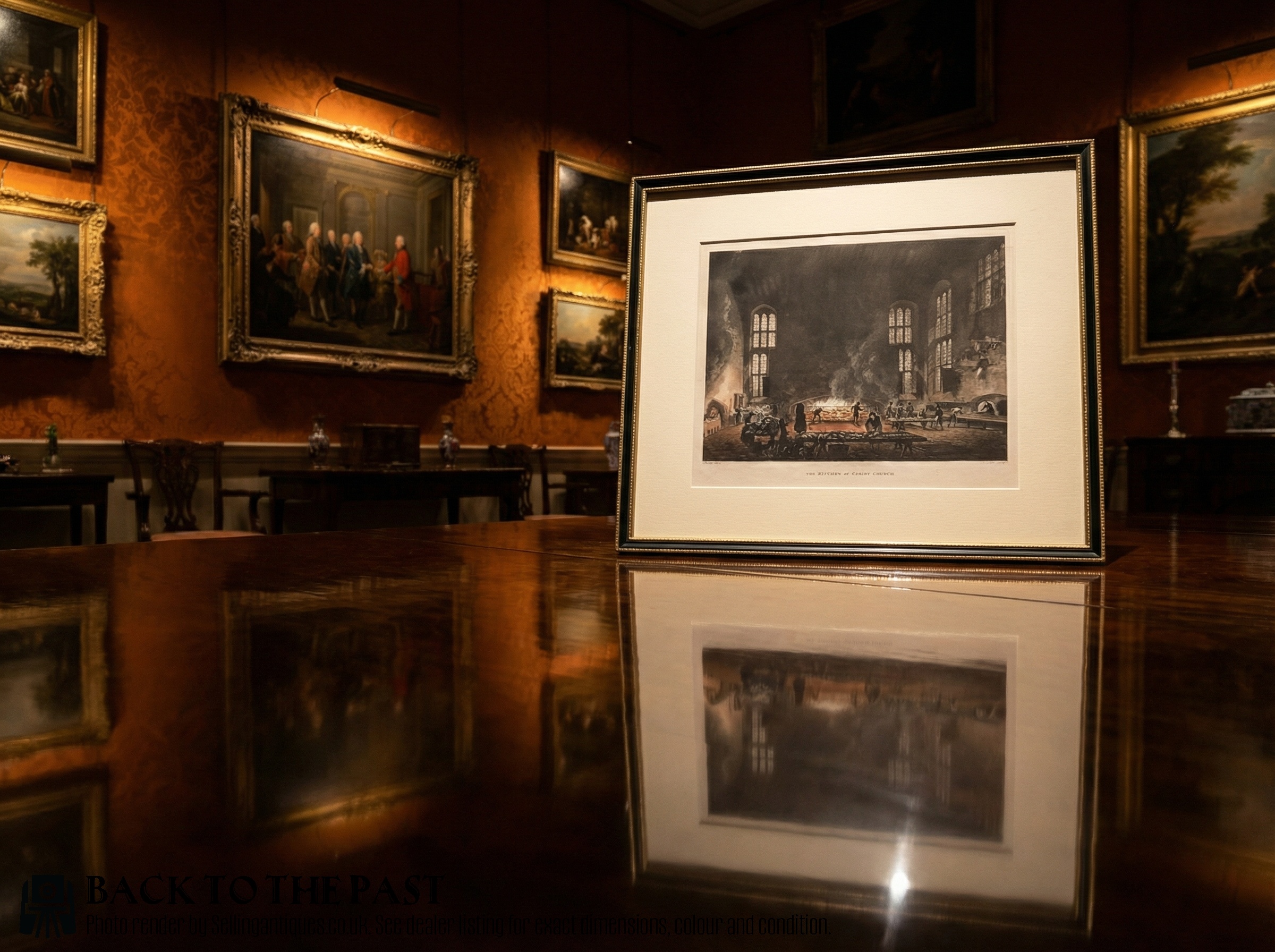
Dark Wood Framed Picture
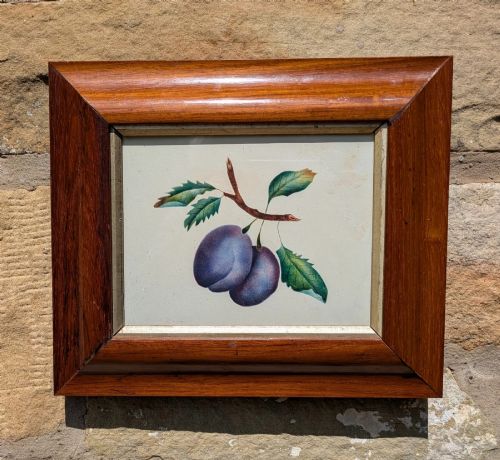
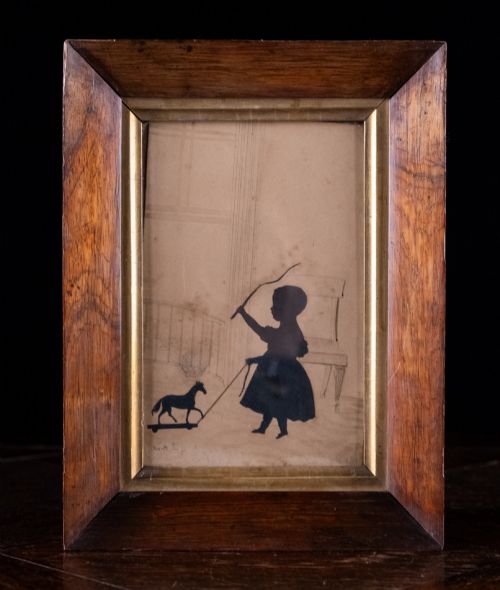
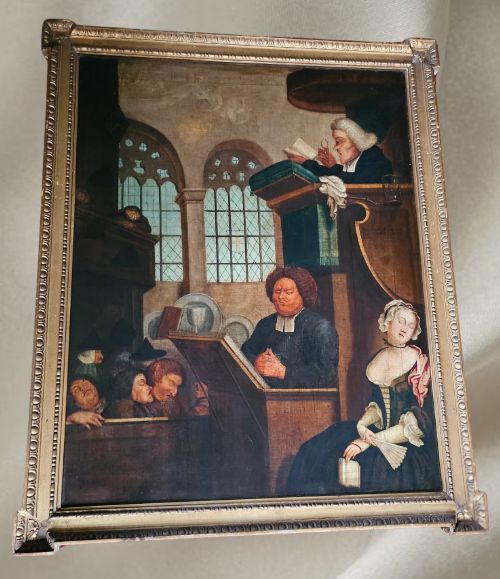
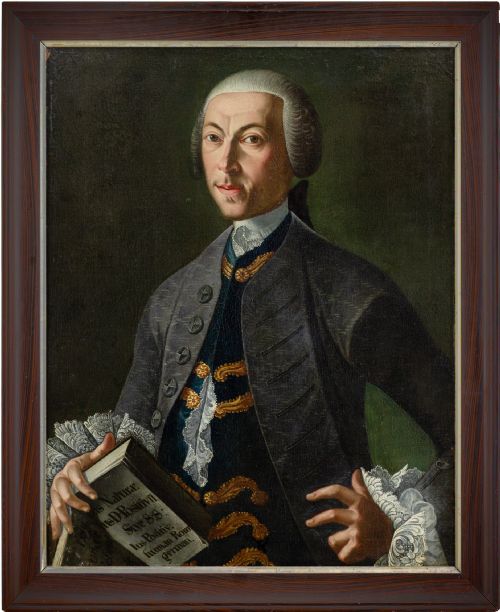
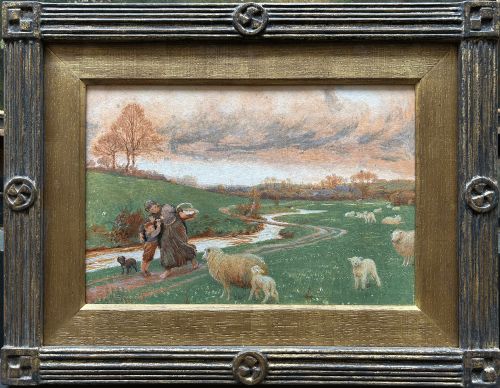
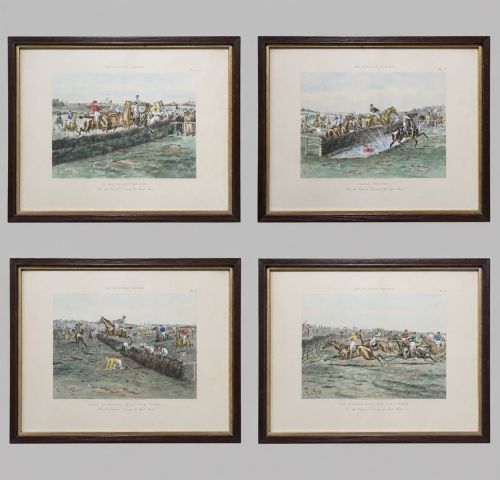
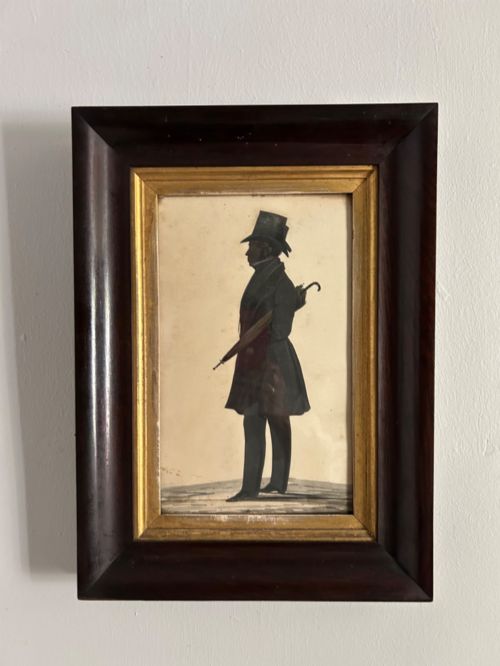
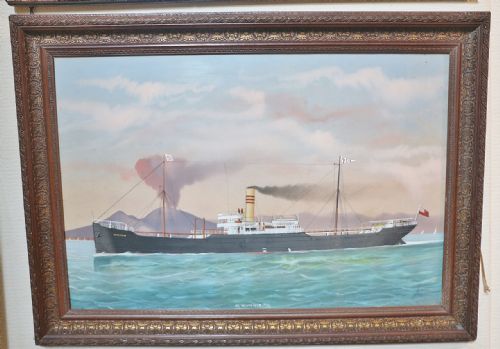
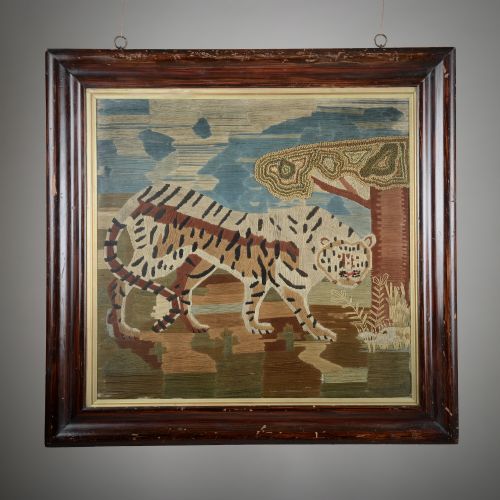
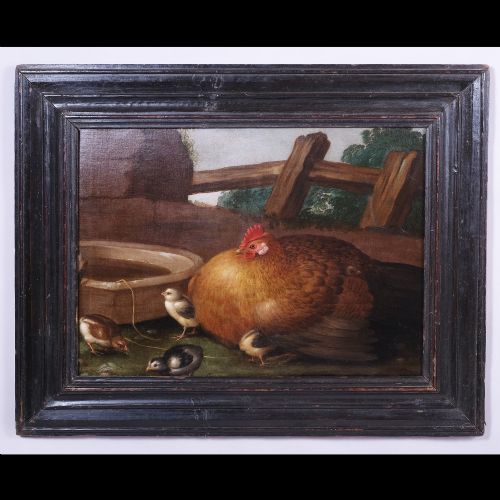
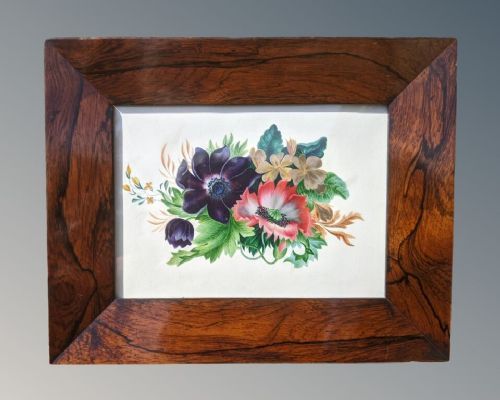
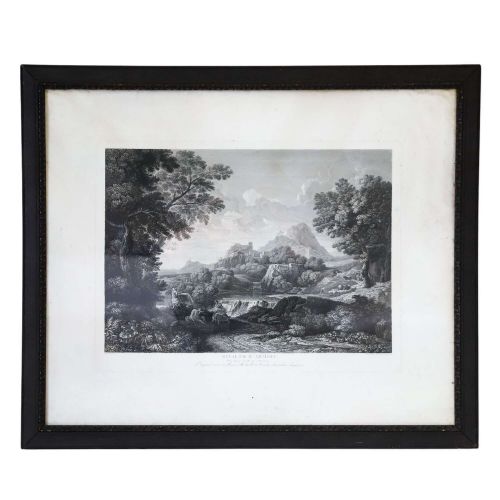
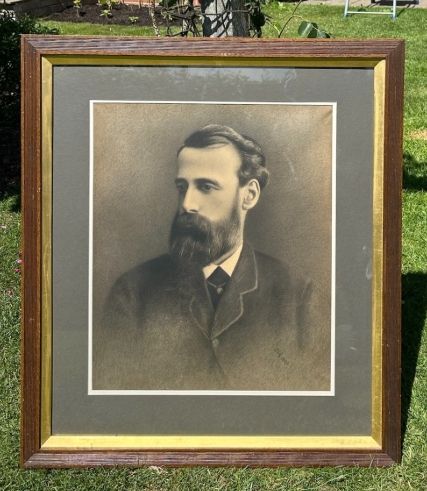
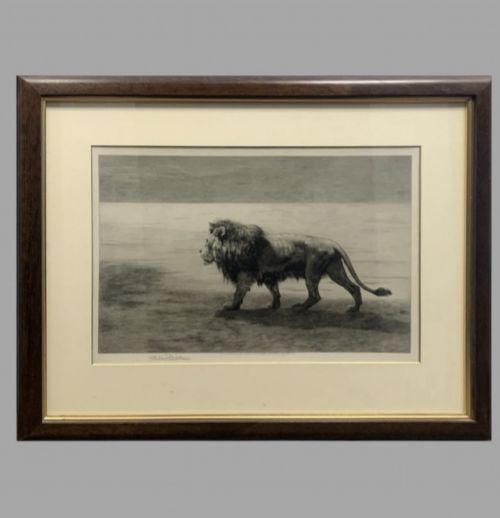
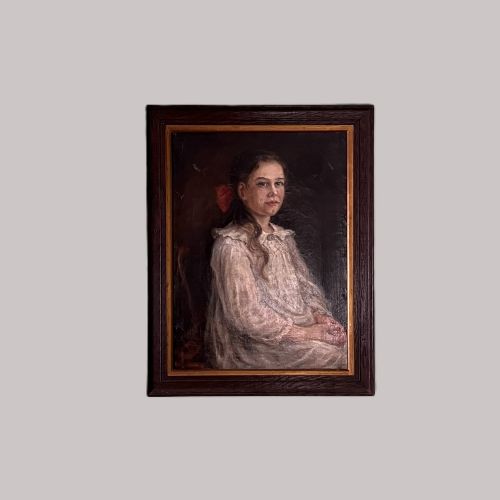
When you search for a dark wood framed picture, you encounter a diverse array of wall art, paintings, framed prints, and mirrors spanning several centuries. The selections range from early oil paintings and watercolours to delicate silhouettes, detailed engravings, and photographs.
You are most likely to meet nineteenth-century and eighteenth-century examples housed within rich timber enclosures such as rosewood, mahogany, or walnut. These pieces originate from various European schools, alongside items reflecting Anglo-Indian and Oriental styles.
The objects encompass both intimate individual portraits and larger narrative scenes, often protected by glass and accented with paper, canvas, or gold leaf. Each item combines historical visual media with traditional carpentry.
How They Were Made
Makers utilised dense timbers such as rosewood, mahogany, walnut, and oak to construct durable housings that protect the delicate works within. These wooden surrounds were shaped, carved, or polished to complement the visual art they enclose.
Artisans applied media including oil paint, watercolour, ink, pigment, and charcoal onto paper, canvas, vellum, or glass panels. Gilding and gold leaf frequently accent both the inner liners and the surrounding frames.
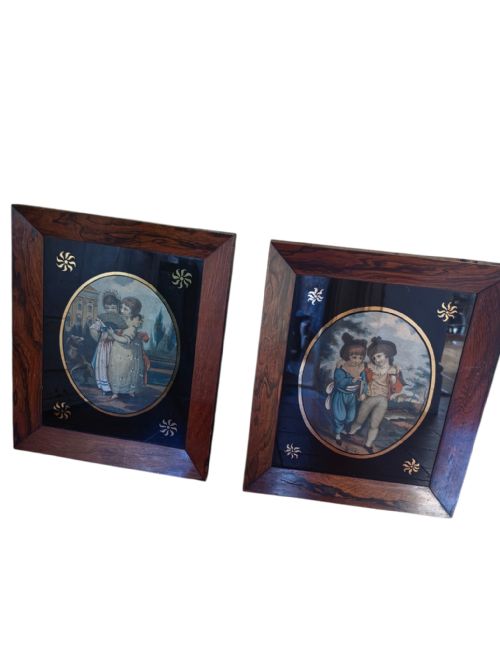
Specialised techniques such as reverse glass painting, engraving, etching, and enamel work appear across the inventory, paired with traditional joinery for the structural frames.
Dark Wood Framed Picture Retail Price Guide 2026
Typical asking prices for dark wood framed picture among the pieces listed under this phrase on Sellingantiques today, from the lower quarter to the upper quarter. They describe what is for sale here now, not the wider market.
The listings span multiple centuries, incorporating materials such as gold leaf, vellum, glass, and canvas housed in diverse timber frames.
What Varies in Quality
The standard of execution in the artwork itself sets the upper tier apart from simpler decorative pieces, distinguishing skilled draughtsmanship and nuanced oil painting from standard commercial prints. Signed works, artist proofs, and attributed pieces command greater attention.
The quality of the timber housing and the integrity of its joinery contribute significantly to the overall merit of the piece. Fine hand-carving, original backing materials, and period glass preserve the authenticity of the object.
Augustin Edouart·William Hogarth·George Finch Mason·Herbert Dicksee·Edwin Henry Landseer·Sydney Yates Johnson·William Etty·Thomas G Appleton·Abraham Cooper·Takabatake Kasho
The Dark Wood Framed Picture Glossary
- Engraving
- A printmaking technique where an image is incised into a metal plate, holding ink to transfer fine lines onto paper. This method was widely utilised for reproducing artworks before the advent of modern photography.
- Silhouette
- A solid dark profile portrait, typically cut from paper or painted in ink, popular during the eighteenth and nineteenth centuries. These likenesses offer direct intimate records of historical individuals.
- Vellum
- A fine parchment prepared from calfskin, prized for its smooth surface used in specialised etchings and manuscripts. It provides a durable and stable base for delicate ink and pigment applications.
- Reverse glass painting
- An artistic technique where the image is painted directly onto the back of a glass panel and viewed from the front. This process creates a distinct glossy finish and protects the pigments from atmospheric wear.
- Eglomise
- A process involving the application of cold gilding and painting on the rear face of glass to produce a mirror-like or metallic decorative effect. It often frames historical prints and mirrors with reflective brilliance.
Dark Wood Framed Picture: Frequently Asked Questions
How do I date a dark wood frame?
Dating relies on observing timber choices, construction methods, and fastening techniques such as hand-cut screws or old nails. Different eras favoured specific woods like rosewood in the nineteenth century or oak in earlier periods.
Secondary indicators include the type of glass, backing boards, and any historical paper labels or inscriptions attached to the reverse of the picture.
Are these pictures usually original?
The selection includes a mixture of original hand-painted works, unique watercolours, and period prints or engravings produced after famous artists. Examining the surface texture through glass helps determine whether a piece is a painted canvas or a printed reproduction.
Many antique frames house original works from their period of creation, while others have been paired with complementary art over the intervening centuries.
How should I hang a heavy wooden frame?
Heavy antique frames require robust wall fixings anchored directly into masonry or wall studs rather than relying on standard plaster hooks. Ensuring the hanging wire or brass rings on the back are secure is essential for safe wall display.
Positioning the picture away from direct sunlight and excessive temperature fluctuations protects both the wooden surround and the sensitive media within.
What is reverse glass painting?
Reverse glass painting involves applying pigments directly to the rear side of a glass panel, requiring the artist to paint background details before foreground elements. When viewed from the front, the glass provides a glossy protective layer over the artwork.
This technique appears frequently in historical decorative art and trade pieces, offering a distinct visual depth compared to canvas paintings.