


Wooden Framed Art
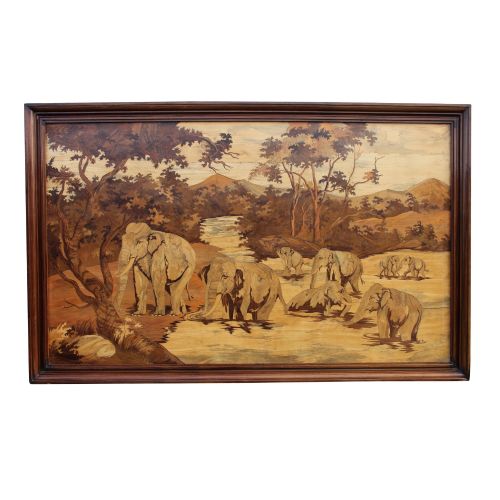
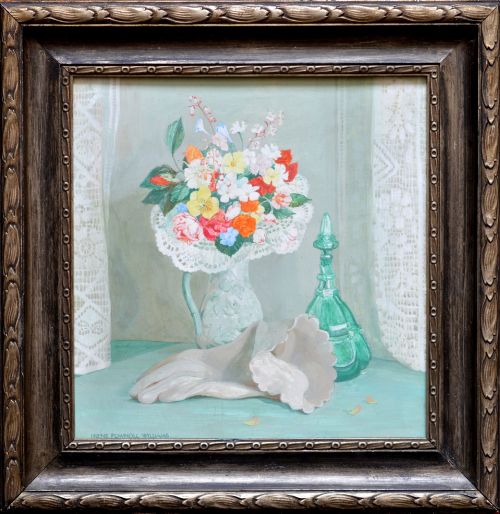
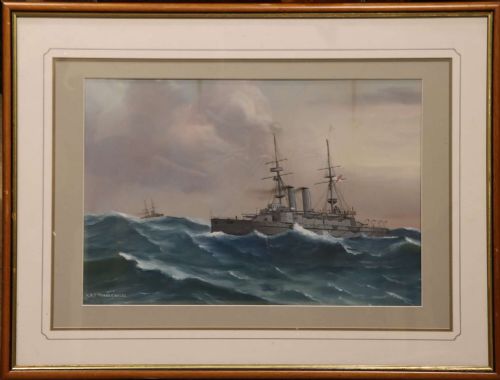
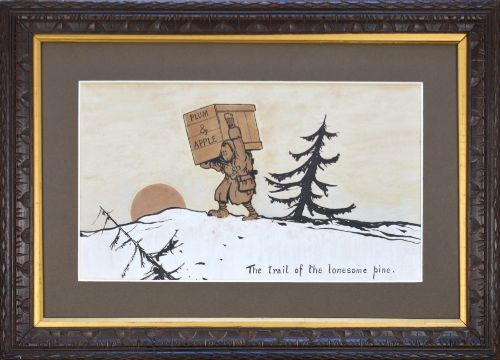
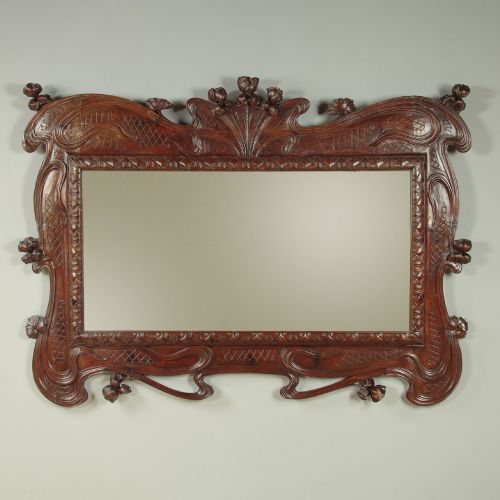
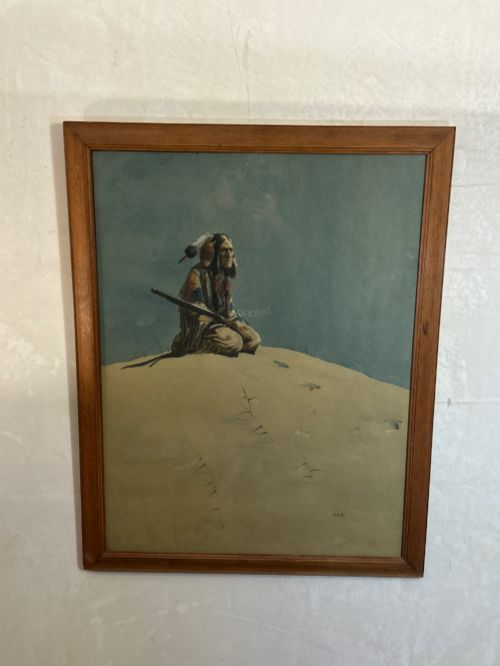
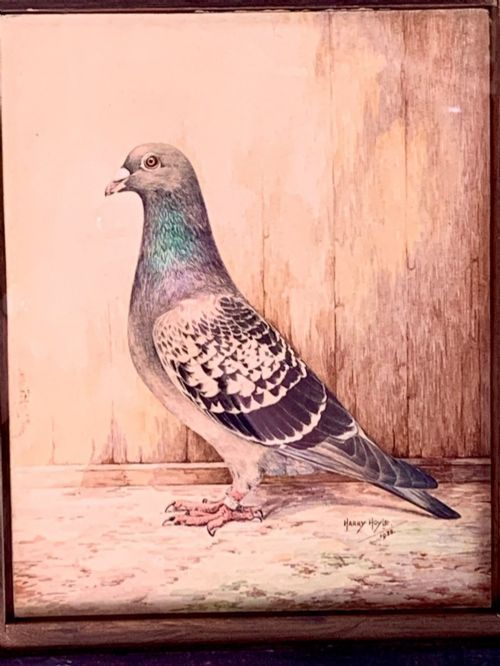
Wooden framed art brings together centuries of paintings, engravings, and portraits enclosed within timber surrounds to anchor a room.
Wooden Framed Art
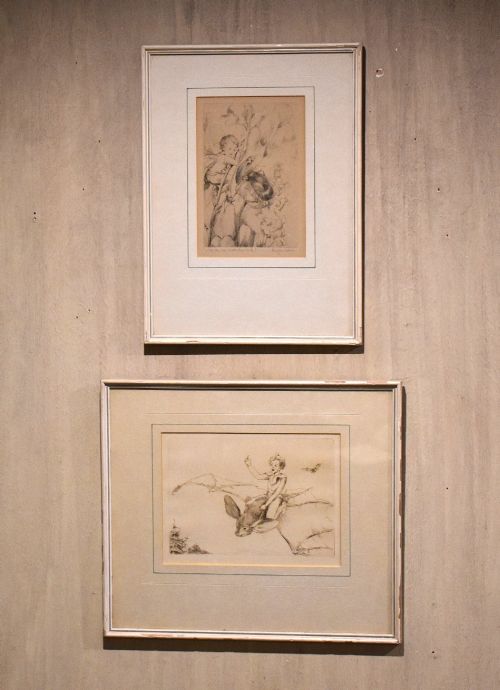
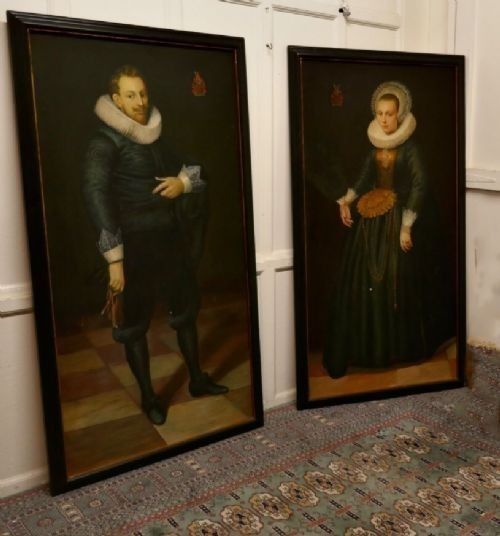
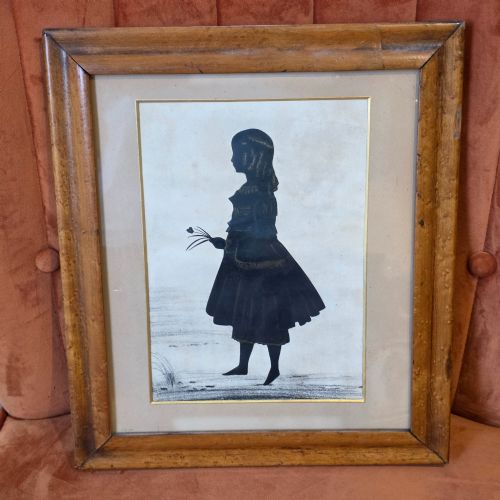
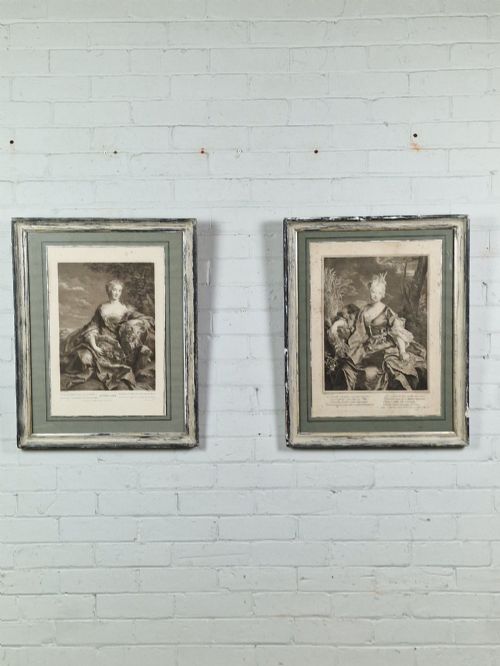
Wooden framed art encompasses wall-hung pieces such as watercolours, oil paintings, engravings, and silhouettes secured inside protective surrounds. The selections here span from the seventeenth century through to the mid-twentieth century, capturing shifting domestic tastes across multiple periods.
Buyers encountering this group will find works framed in oak, walnut, fruitwood, and giltwood. These pieces often serve as focal points in period interiors, pairing traditional imagery with substantial timber structures.
Materials and construction
Makers utilised native and exotic timbers including oak, walnut, fruitwood, and ebonised wood to construct the surrounds, frequently incorporating carved details or gold leaf finishes. Canvases, paper, and card form the base for oil paint, watercolour, ink, and collage.
Glazing protects delicate works on paper, while reverse glass painting and etching techniques demonstrate specific period methods of image transfer and preservation. Backings typically consist of wooden panels or stretchers secured within the main frame.
Materials represented across the collection include oak, walnut, fruitwood, glass, iron, and gold leaf.
Judging the work
Quality rests on the execution of the primary artwork and the integration of its timber housing. Skilled handling of oil paint, watercolour, or engraving distinguishes accomplished pieces from simpler decorative items.
The choice of timber and the precision of the joinery in the frame dictate the overall standard. Original pairings where the frame matches the exact period of the artwork hold greater cohesion than later assemblies.
Bruce Bairnsfather·Stanley Webb Davies·Oliver Morel·John Hassall·Thomas Barker of Bath·Robert W Macbeth·Clive Browne·Waring & Gillow·Joseph H Barnes·F Corpuz
The Wooden Framed Art Glossary
- Watercolour
- A painting method where fine pigment is suspended in a water-based solution and applied to paper. It yields translucent layers that rely on the white of the paper for luminosity.
- Engraving
- A printmaking technique where an image is incised into a metal plate using a sharp tool. Ink settles into the grooves and transfers to paper under pressure.
- Giltwood
- Timber that has been coated with a thin layer of gold leaf or gold paint. It provides a reflective surface that catches natural light in a room.
- Silhouette
- A portrait profile filled in with a solid dark colour, typically black, against a pale background. These were cut from paper or painted during the eighteenth and nineteenth centuries.
Wooden Framed Art: Frequently Asked Questions
How do I date a wooden frame?
Dating relies on timber selection, joining methods, and surface treatments. Earlier frames often display hand-carved details or early gilding techniques, while later pieces show machine-cut precision.
Matching the style of the frame to the period of the enclosed artwork helps establish whether the pairing is original or a later combination.
Can I hang these in direct sunlight?
Direct sunlight damages paper, watercolours, and organic pigments over time, causing fading and discolouration. Placing works away from bright windows preserves the integrity of the paints and papers.
Using conservation-grade glass with UV filtration offers additional protection for vulnerable pieces hung in naturally lit rooms.
How are these pieces cleaned?
Dusting the timber frame requires a soft, dry cloth to avoid scratching the surface or disturbing any applied leaf. Moisture should be kept away from unsealed wood and paper components.
Glass surfaces benefit from standard window cleaner applied to a cloth rather than sprayed directly onto the piece, preventing liquid seepage into the frame rebate.
Are the frames original to the art?
Some pieces retain their first surrounds, while others have been paired with complementary frames gathered later in their history. Examining the fit at the back reveals how long the artwork has occupied its current housing.
Original pairings show consistent wear across both the image and the surrounding timber, whereas matched pairs may display differing ages.