



Framed Sepia Engraving
A framed sepia engraving brings monochrome warmth to a wall, combining classical ink work with period framing.
Framed Sepia Engraving
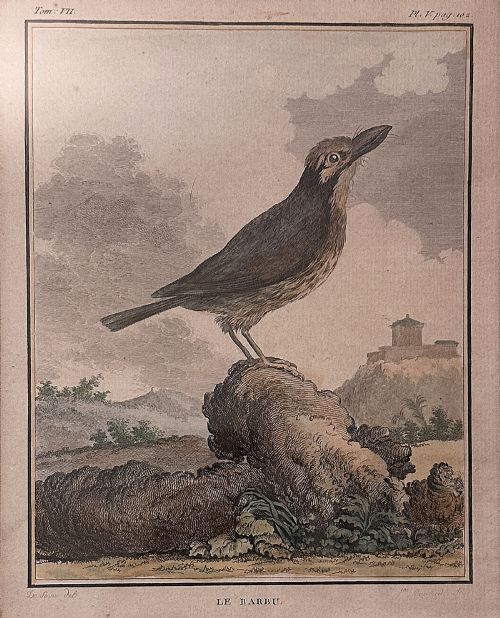
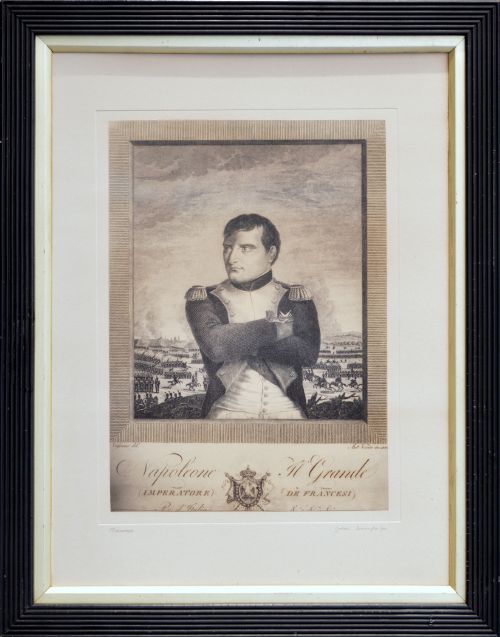
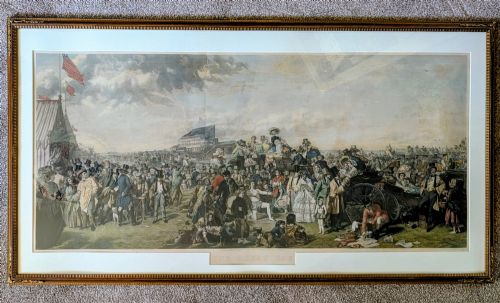
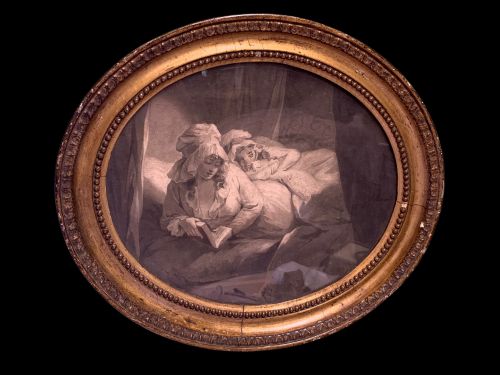
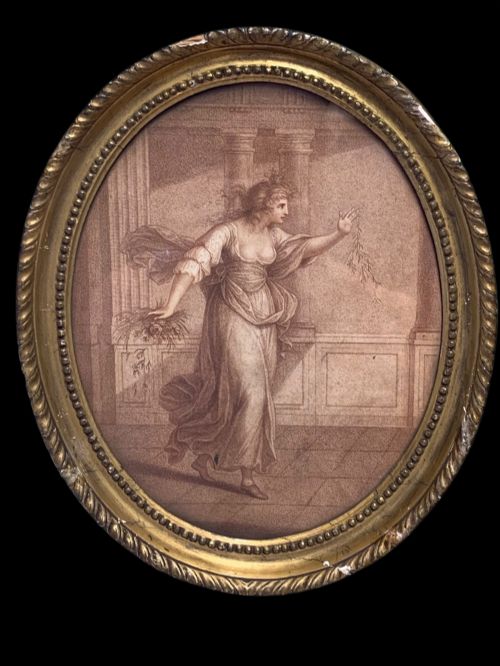
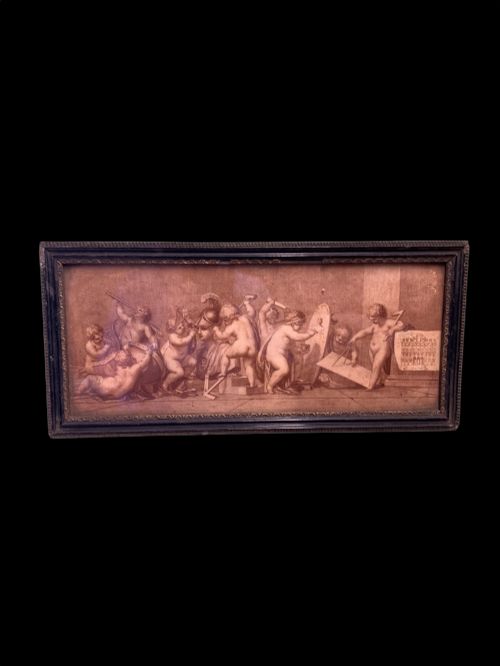
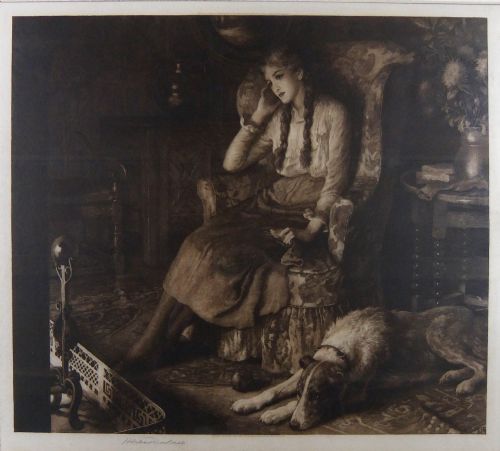
When you search for a framed sepia engraving, you encounter works spanning the eighteenth century through the twentieth century, with Victorian and Georgian examples appearing frequently. These pieces encompass portraits, animal studies, architectural scenes, and narrative compositions set behind glass.
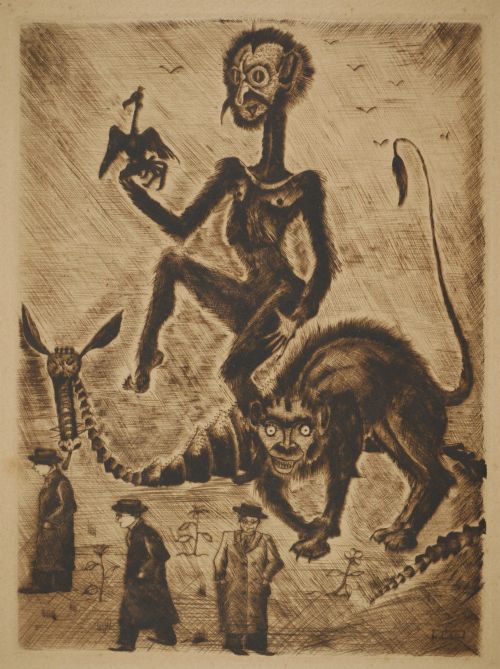
The selection ranges from eighteenth-century stipple engravings and mezzotints to twentieth-century etchings and drypoints. Many retain their period wooden or gilded frames, which complement the brownish-monochrome tones of the inked paper.
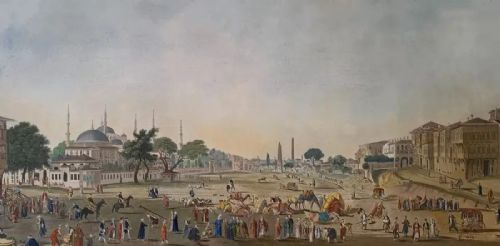
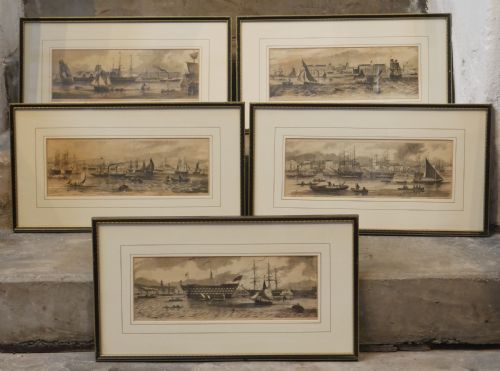
Subjects vary widely from classical figures such as Eros and Aphrodite to historical portraits, naval docks, sporting dogs, and architectural views like Norwich Cathedral. Buyers find both individual plates and matched sets, particularly hunting and naval series.
How they were made
These works rely on paper as the primary support, impressed with ink through engraving, etching, stipple, or mezzotint techniques. Some pieces incorporate watercolour tints or are worked upon silk, while others utilise gold leaf accents on the surrounding mouldings.
The framing materials consist of wood, giltwood, and gilded wood enclosing glass to protect the delicate paper surface. Makers mounted these prints using period joinery methods appropriate to the eighteenth, nineteenth, and early twentieth centuries.
Listings span the eighteenth century to the 1930s, featuring paper, ink, wood, giltwood, and watercolour materials across various British and European styles.
What varies in quality
Quality rests upon the crispness of the plate impression and the depth of the ink tones across the paper surface. Finer impressions retain sharp fine lines and subtle tonal gradations, whereas worn plates yield muddied details.
The integrity of the accompanying frame significantly influences the overall character of the piece. Period frames with original gilding and undamaged glass preserve the historical context far better than later replacement mounts.
Kurt Lorein Victor Peiser·William Powell Frith·Herbert Dicksee·Anton Ignaz Melling·Sir Joshua Reynolds·James Dobie·Claude Lorrain·John Boydell·R.P. Phillimore·Edgar J. Maybery·Landseer·Frank Greenwood
The Framed Sepia Engraving Glossary
- Engraving
- A printmaking technique where an artist cuts lines directly into a metal plate with a burin. The resulting lines hold the ink for transfer under pressure.
- Etching
- A process where acid bites the lines into a metal plate through a protective ground. This allows for free, expressive linework.
- Stipple engraving
- A method using dots of varying density to create subtle tonal gradations and flesh tones. It gained popularity in the eighteenth century for portraiture.
- Mezzotint
- A tonal printmaking method where the copper plate is roughened uniformly to produce rich dark areas. Scraping and burnishing create lighter highlights.
- Giltwood
- Wood carved and coated with gold leaf or metallic powder. It provides a reflective, ornate border for fine art prints.
Framed Sepia Engraving: Frequently Asked Questions
How do I care for a framed sepia engraving?
Keep the piece away from direct sunlight to prevent the sepia ink and paper from fading over time. Fluctuations in humidity can damage antique paper and wooden frames, so stable indoor conditions are best.
Ensure the glass remains intact to protect the surface from dust and atmospheric pollutants. When dusting, use a dry, soft cloth on the frame without spraying cleaning fluids near the antique glass.
Are period frames original to the prints?
Many eighteenth and nineteenth-century pieces survive in their contemporary frames, showing appropriate wear and construction for their era. Mouldings, backboards, and corner joints provide clues to whether the frame matches the date of the plate.
Some works are reframed later to suit changing decorative tastes while preserving the antique print inside. Examining the rabbet and fixings helps determine if the framing is contemporary with the publication date.
What is stipple engraving?
Stipple engraving is a tonal printmaking technique that builds images using dots rather than continuous lines. It was frequently employed in the eighteenth century to reproduce soft flesh tones and painterly textures.
Examining the image closely reveals tiny stippled dots and clusters that create shadow and form. This method was often combined with etching or line engraving to define boundaries.