


Victorian Architectural Etching
Victorian architectural etching brings urban history directly into your home through finely worked prints and etched glass panels.
Victorian Architectural Etching
When you search for Victorian architectural etching, you encounter a distinct mix of framed prints, engravings, and large architectural glass pieces from the nineteenth century. These works capture notable buildings, historic cathedrals, and expansive urban scenes through meticulous linework.
The selections on this page span framed artworks alongside substantial architectural elements like doors and windows. Works range from hand-coloured prints depicting London landscapes to large etched glass panels intended for domestic or commercial interiors.
Materials and construction methods
Makers utilised paper, ink, and watercolour for printed works, often setting them within traditional wood or Hogarth frames. Engravings and etchings rely on precise plate work to capture fine structural details of cathedrals and colleges.
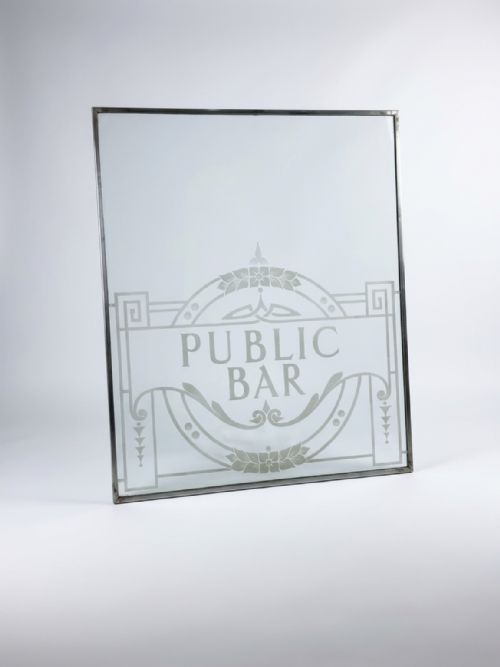
Glass panels combine etching and painting techniques on glass, mounted within wooden or pine frames and doors. These architectural elements demonstrate how nineteenth-century artisans applied decorative techniques to structural building components.
Swans make a surprise appearance swimming across an etched glass window.
Assessing quality and execution
Quality rests upon the crispness of the lines within the etching and the precision of hand-applied watercolour or paint. Finer examples display meticulous attention to architectural perspective and tonal depth across the paper or glass surface.
The integration of the artwork with its original material context, such as a period wood frame or a heavy glass door, influences the character of the piece. Superior items maintain clear definitions in the printed or etched motifs without blurring.
The Victorian Architectural Etching Glossary
- Etching
- A printmaking process where acid bites lines into a metal plate to hold ink. This technique allows for remarkable detail in architectural representations.
- Engraving
- A method of cutting design lines directly into a plate with a sharp tool. It produces sharp, clean lines often seen in nineteenth-century prints.
- Architectural salvage
- Building elements rescued from older structures for reuse or display. This category includes doors and windows bearing decorative glass.
- Hogarth frame
- A specific style of wooden picture frame with a distinct moulded profile. These frames frequently house nineteenth-century engravings and prints.
Victorian Architectural Etching: Frequently Asked Questions
What is a Victorian architectural etching?
These pieces comprise printed artworks on paper and etched glass panels depicting historic buildings and scenes from the nineteenth century.
They reflect the period fascination with urban topography, historic institutions, and decorative architectural glass.
How were these glass panels used?
Etched glass pieces frequently served as interior doors, windows, or room dividers in Victorian homes and public buildings.
They provided privacy while allowing natural light to pass through decorative architectural motifs.
How do I frame antique prints?
Paper works are typically mounted behind glass with appropriate conservation materials to protect the ink and watercolour from environmental damage.
Matching a nineteenth-century print with a period wood or Hogarth frame preserves its historical context.
How can I tell the period?
Dating relies on the materials, framing techniques, signatures, and stylistic indicators present in the paper or glass.
References to specific nineteenth-century locations and established printmakers help confirm the era of production.