

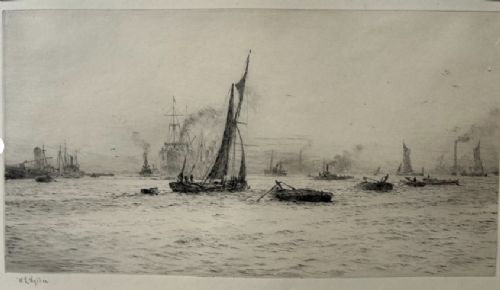
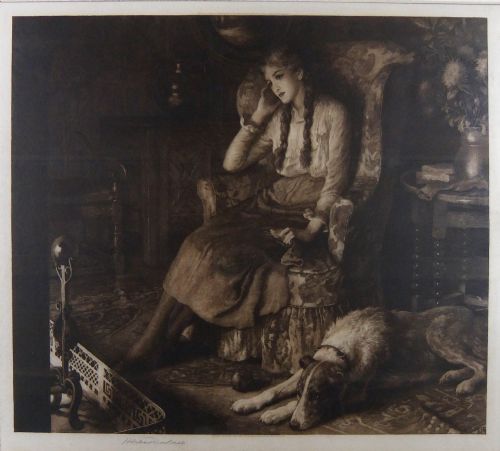
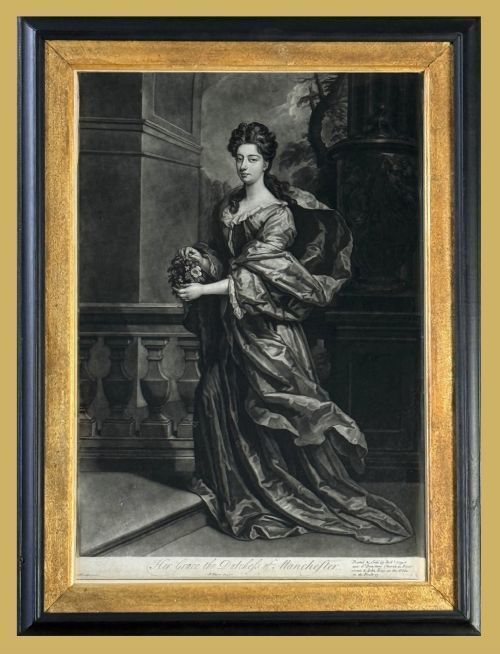
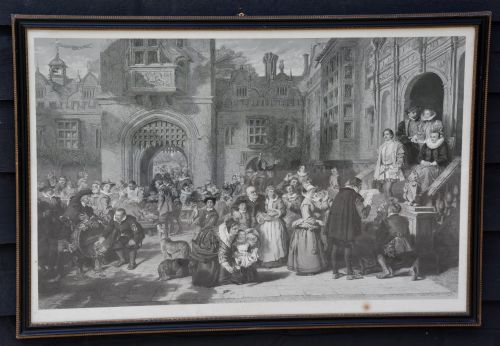
Monochrome Etching
Monochrome antique etching works on paper and vellum in black and white tones, capturing centuries of printmaking skill for collectors who appreciate historic visual art.
Monochrome Etching
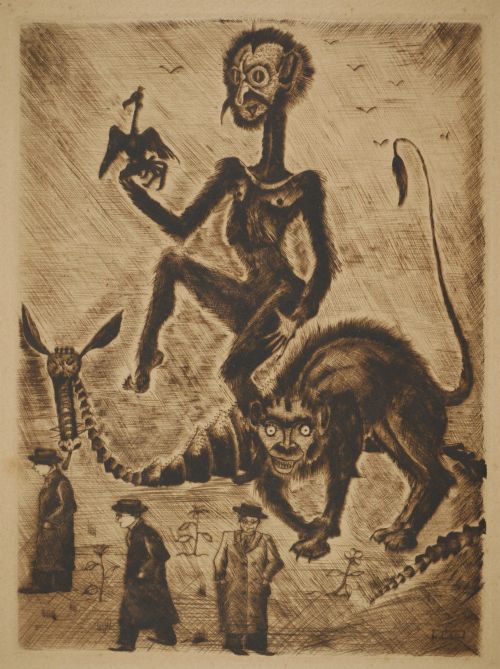
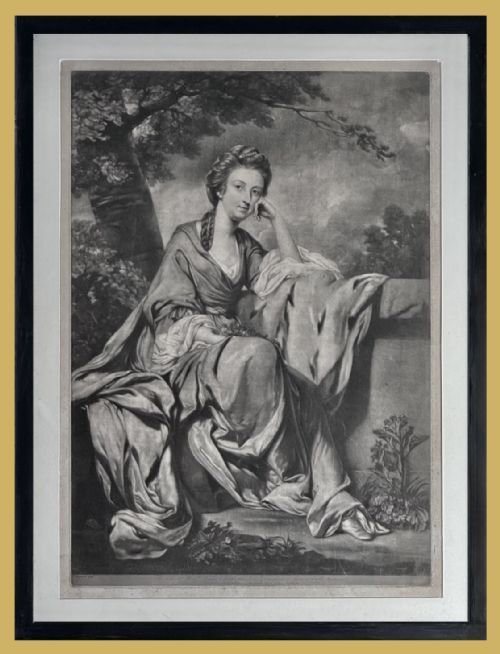
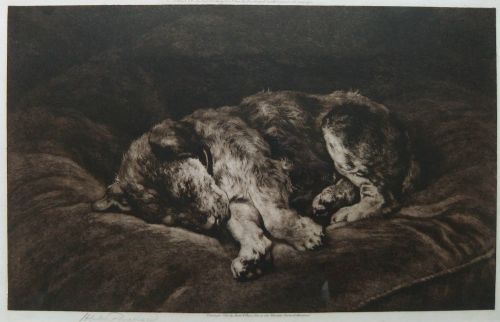
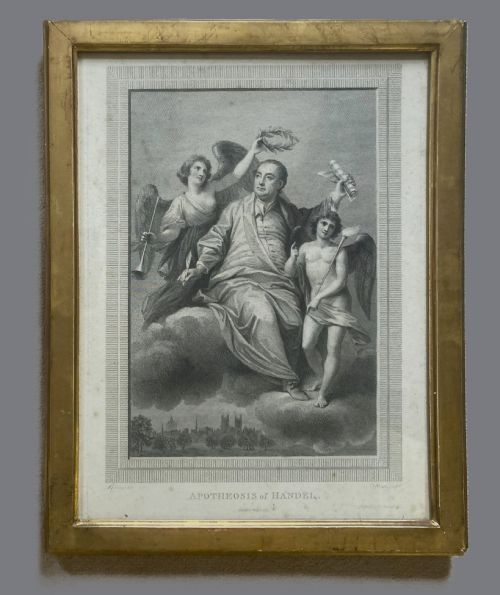
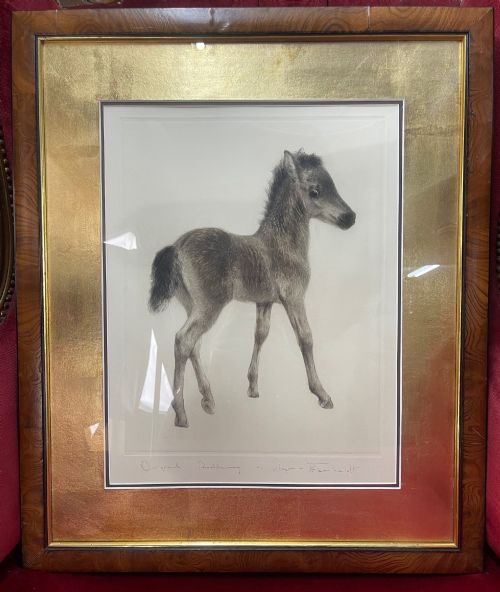
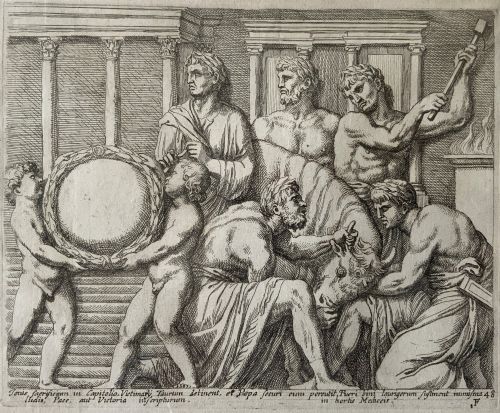
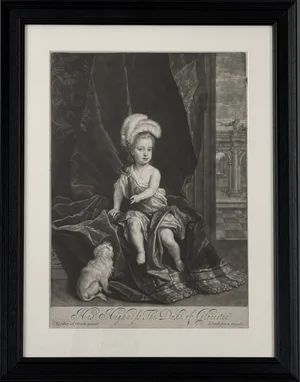
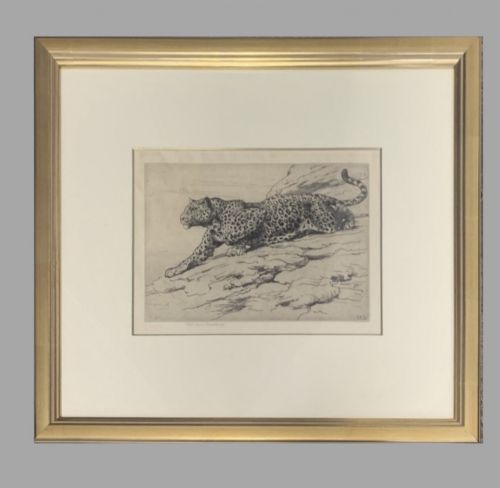
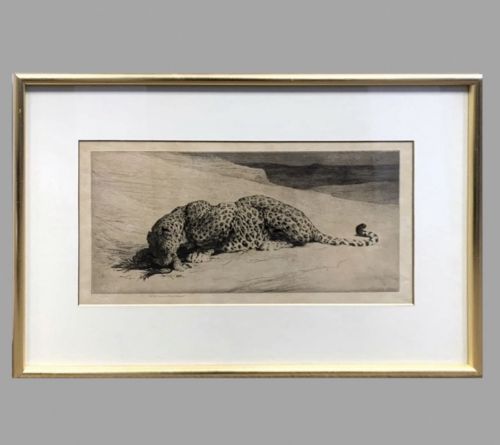
A monochrome antique etching brings together centuries of historic printmaking, spanning from the seventeenth century through to the early decades of the twentieth century. These works capture subjects ranging from classical antiquity and portraits to detailed animal studies and architectural scenes.
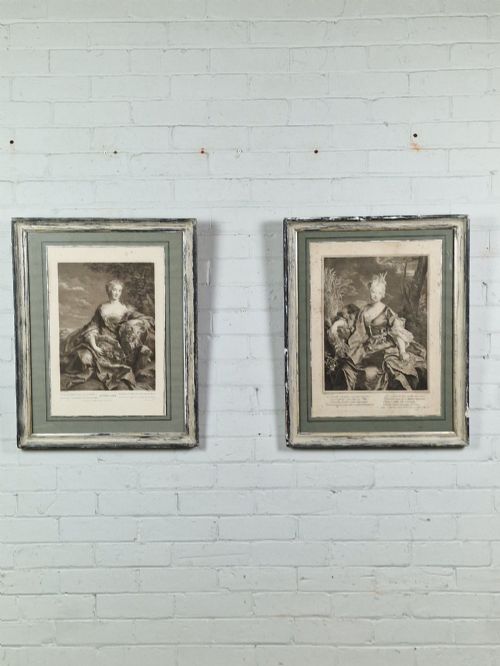
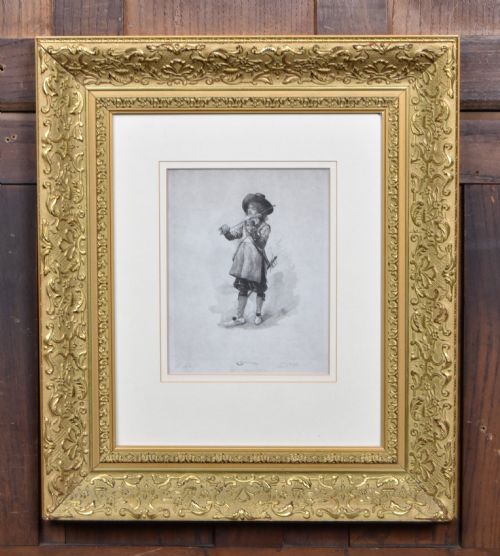
Buyers encountering this selection will discover framed prints, engravings, and original drypoints housed in period surrounds like oak, gilt wood, and Hogarth frames. The assortment draws heavily upon eighteenth-century interpretations and early twentieth-century signed artist proofs.
Origins stretch across British, French, and broader European workshops, reflecting the methods of master engravers and draughtsmen. Paper and vellum serve as the primary grounds for these monochromatic inks.
How they were made
Makers utilised metal plates, primarily copper, coating them in a protective ground before drawing lines with a sharp needle to expose the metal for acid biting. Artisans also worked directly onto the plate using drypoint needles to raise a burr of metal, creating velvety lines when inked.
Printing relied upon hand-operated presses transferring ink from the plate onto dampened paper or vellum sheets under considerable pressure. Finished works were often housed behind glass within timber frames finished in gold leaf or plain oak.
Listings feature works printed on paper and vellum housed in oak, gilt wood, and original Hogarth frames across multiple centuries.
What varies in quality
Quality rests significantly upon the clarity of the impression and the crispness of the plate lines transferred onto the paper. Early impressions taken before the metal plate showed wear exhibit sharper detail and deeper tonal gradation than later strikes.
The presence of pencil signatures, artist proofs, and original period framing elements elevate the standing of an individual piece within its period context. The condition of the paper surface and the preservation of the ink tones further distinguish finer examples.
Kurt Lorein Victor Peiser·Edward Fisher·Sir Joshua Reynolds·James Heath·Kurt Meyer-Eberhardt·Herbert Dicksee·François Perrier·William Lionel Wyllie·John Faber Jr·Sir Godfrey Kneller·John Smith·Francesco Piranesi·William Hogarth·Augustus Edwin John
The Monochrome Etching Glossary
- Etching
- A printmaking method where acid bites lines into a metal plate covered with an acid-resistant ground. This process allows the artist to draw fluidly onto the surface much like sketching with a pen.
- Drypoint
- A printmaking technique in which an artist scratches directly into a metal plate with a hard needle. The resulting ridge of metal, called a burr, holds extra ink to produce a rich, velvety line.
- Engraving
- A process where a sharp metal tool called a burin cuts lines directly into a solid plate. Unlike etching, this method relies entirely on physical force rather than chemical acid.
- Mezzotint
- A tonal printmaking method where the metal plate is roughened uniformly to produce solid black areas. Lighter tones are created by scraping and burnishing the plate to hold less ink.
- Artist Proof
- An impression printed for the artist's personal review before the main edition is produced. These typically bear a signature and command strong interest from collectors.
Monochrome Etching: Frequently Asked Questions
What is a monochrome antique etching?
A monochrome antique etching is an original printed work on paper or vellum created using acid-bitten metal plates in single-colour ink. These pieces date across multiple centuries and depict subjects ranging from portraits to landscapes.
They represent historical printmaking techniques preserved through centuries, often mounted behind glass in period timber frames.
How do I care for antique etchings?
Protect antique prints by hanging them away from direct sunlight and maintaining stable room humidity. Ultraviolet light degrades paper fibres and fades monochrome inks permanently over time.
Ensure framing materials are acid-free to prevent yellowing or staining of the paper ground around the image.
How can I tell an etching from an engraving?
Etchings feature flowing, slightly rounded lines created where acid has bitten into the metal plate. Engravings display crisper, V-shaped grooves cut directly into the metal with a burin tool.
Under magnification, etched lines show subtle irregularities from the acid bite, while engraved lines taper cleanly at their ends.
What does an artist proof mean?
An artist proof is an impression pulled from the printing plate for the creator to inspect before the main edition runs. These impressions often carry pencil signatures and marginal notes.
Collectors value them because they frequently represent the earliest and sharpest impressions taken from the plate.