



British Architectural Artwork
British architectural artwork brings together centuries of painted and drawn buildings, offering a direct view of historic streetscapes and landmarks.
British Architectural Artwork
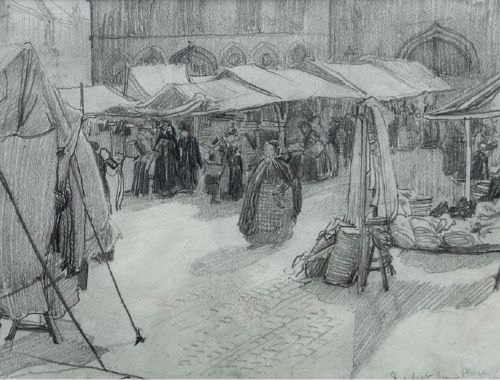
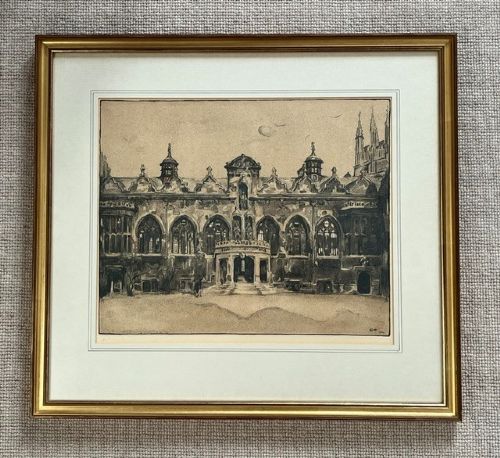
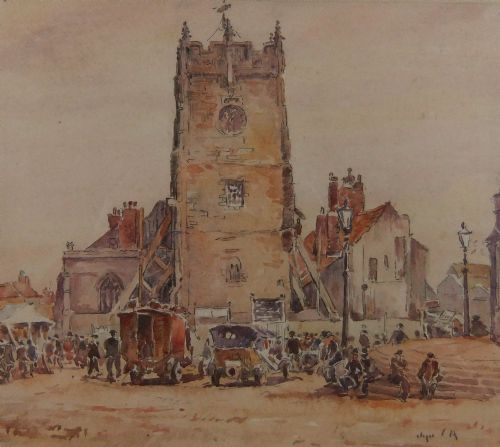
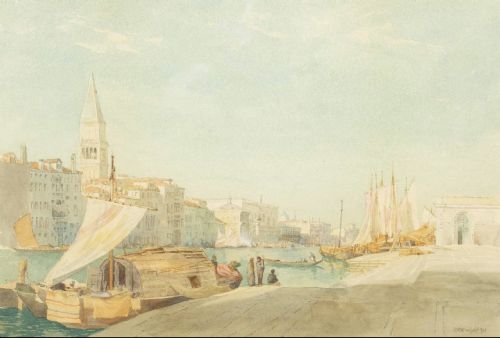
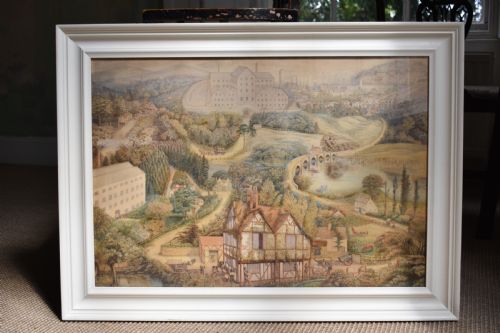
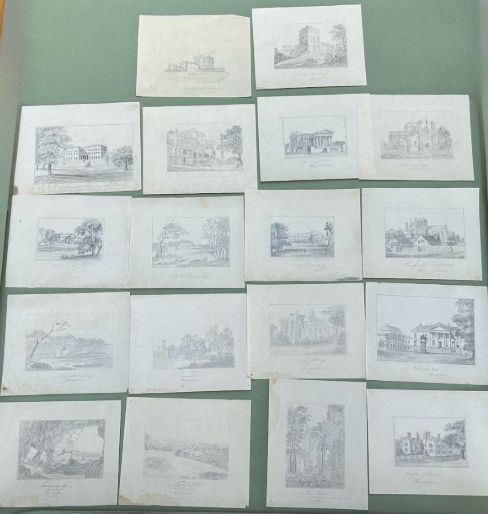
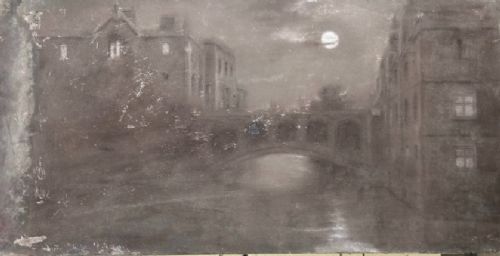
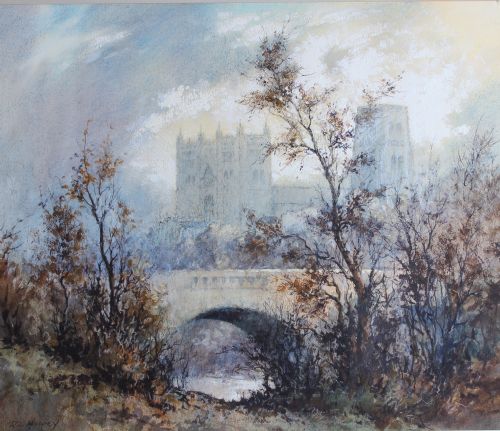
British architectural artwork encompasses original watercolours, oil paintings, sketches, and etchings depicting buildings, street scenes, and historic landscapes. These pieces record significant structures ranging from Yorkshire abbeys and Oxford colleges to London landmarks and European canals.
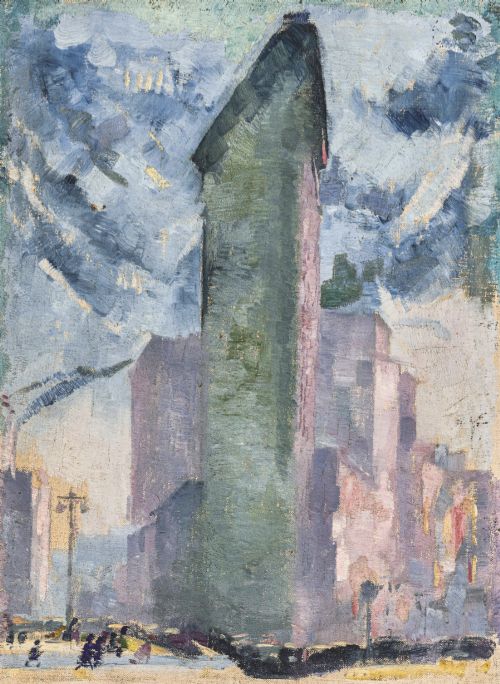
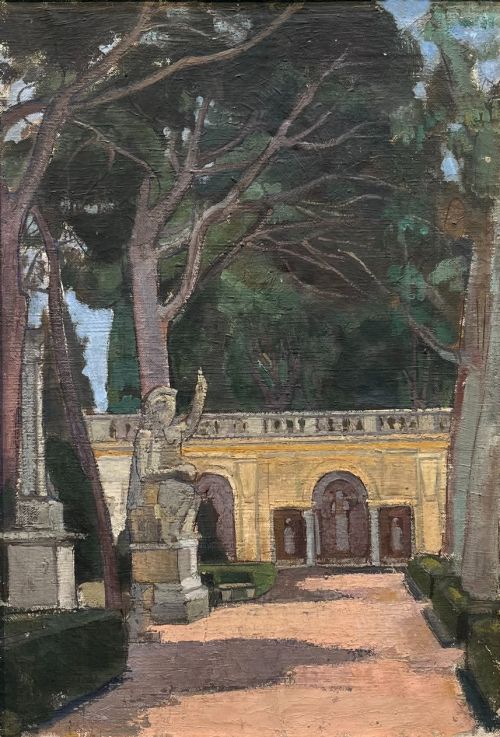
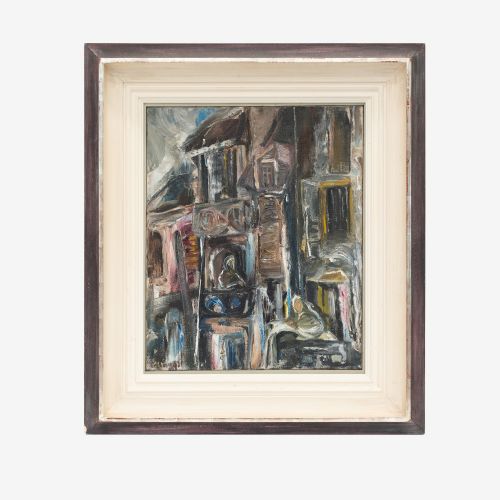
The selections available lean heavily towards works executed in watercolour, ink, and oil paint from the nineteenth and twentieth centuries. Buyers encounter both detailed topographical studies and impressionistic interpretations created by regional artists and named painters alike.
Subjects often focus on recognisable edifices such as castles, cathedrals, market crosses, and urban bridges. This category appeals directly to those seeking historical topographies and skilled painterly depictions of built environments.
Materials and Technique
Works in this category rely primarily on traditional supports such as paper, canvas, and wood panels. Artists applied watercolour paint, watercolour pigment, and oil paint, frequently combining ink and charcoal for preliminary definition and structural line work.
Techniques range from transparent watercolour washes on paper to heavier applications of oil on canvas and board. Etchings and lithographs provide printed alternatives that capture fine architectural detail through hand-coloured plates and inked impressions.
Several artists clearly paused their architectural surveys to capture a local funfair helter-skelter.
Judging Quality
Quality rests heavily upon the artist's command of perspective, light, and structural proportion when rendering complex buildings. Superior examples demonstrate confident brushwork or precise draughtsmanship that brings stone, brick, and timber to life without stiffness.
Provenance and documentation also distinguish pieces, particularly when a work bears a clear signature, a known artist's attribution, or specific geographic identification. The integration of the architectural subject within a broader landscape or street scene further elevates the artistic merit.
Sir William Nicholson·Alfred Wolmark·Hercules Brabazon Brabazon·Jack Merriott·Fred Lawson
The British Architectural Artwork Glossary
- Watercolour
- A painting method where fine pigment is suspended in a water-soluble binder on paper. It allows for translucent washes that capture changing light on stone and sky.
- Oil on Canvas
- A technique utilising pigments bound in drying oil applied to a woven fabric stretched over a frame. This medium permits rich textures and deep colour layering.
- Etchings
- Printmaking impressions produced by acid biting lines into a metal plate which is then inked and pressed onto paper. Hand-coloured variations add distinct washes of tint after printing.
- Lithograph
- A planographic print pulled from a flat stone or metal plate treated to repel or accept ink. Artists used this method to reproduce tonal drawings of historic colleges and streetscapes.
- Topographical
- Artwork that accurately records specific places, buildings, and landscapes. These drawings and paintings serve as visual documents of historical architecture.
British Architectural Artwork: Frequently Asked Questions
What periods do these artworks cover?
The pieces span from the early nineteenth century through to the mid-twentieth century. They capture evolving artistic movements alongside changing urban and rural landscapes.
Works range from Victorian topographical watercolours to mid-century industrial oil paintings. This broad timeline reflects shifting approaches to recording the built environment.
How should I frame and display them?
Works on paper require acid-free mounts and framing behind glass to protect delicate watercolours and drawings from light damage. Oil paintings on canvas or board benefit from traditional wooden frames without glass protection.
Keep pieces away from direct sunlight and damp conditions to preserve the integrity of the paper, pigments, and canvas supports over time.
Are these works signed by the artists?
Many pieces in this category bear artist signatures, studio inscriptions, or contemporary framing labels. Signed works often provide clearer links to specific exhibitions or regional art groups.
Unsigned pieces are frequently attributed to particular British schools or periods based on technique, subject matter, and paper watermarks.
What subjects are most common?
Cathedrals, castles, bridges, and market squares dominate the architectural subjects. Artists frequently turned their attention to historic English towns as well as European scenes in Venice and Rome.
Industrial structures, breweries, and street corners also appear, offering varied perspectives on architecture beyond grand monuments.