
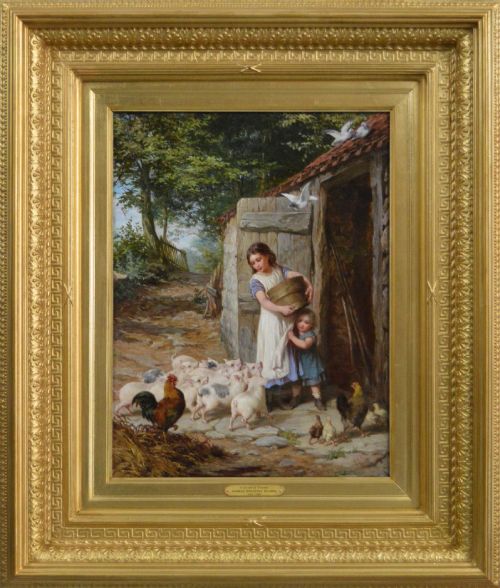
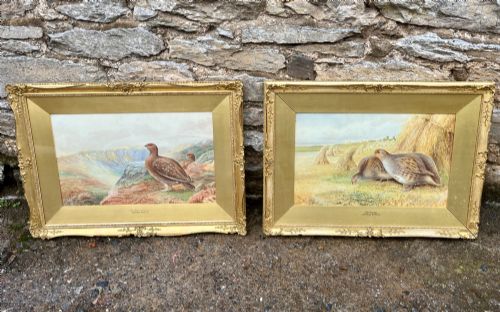

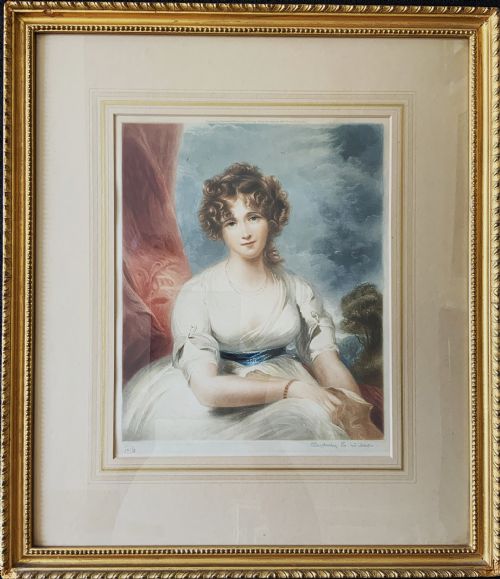


Gold Leaf Framed Print
These gold leaf framed print selections bring together centuries of paper, canvas, and ink held securely within gilded timber.
Gold Leaf Framed Print
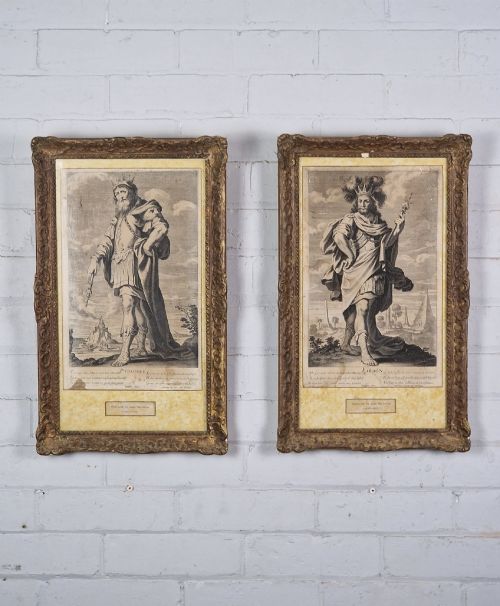
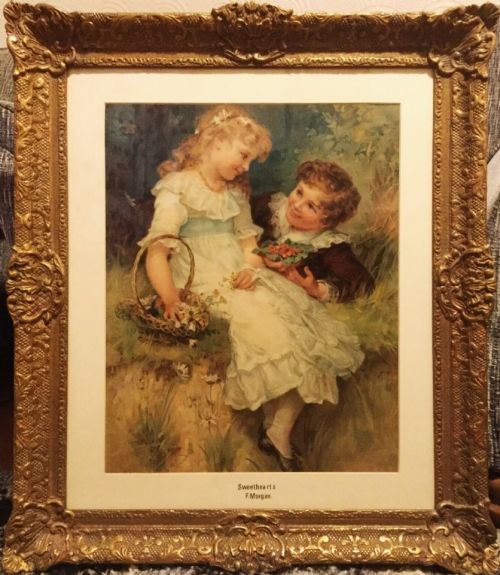
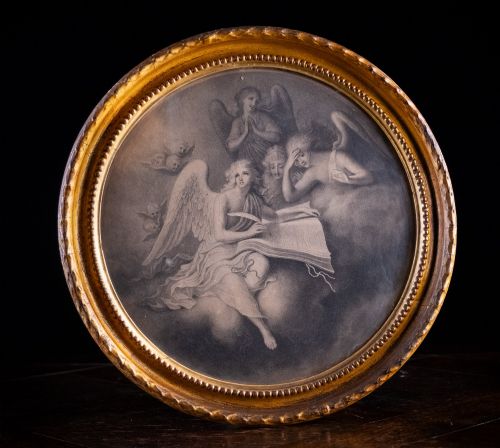
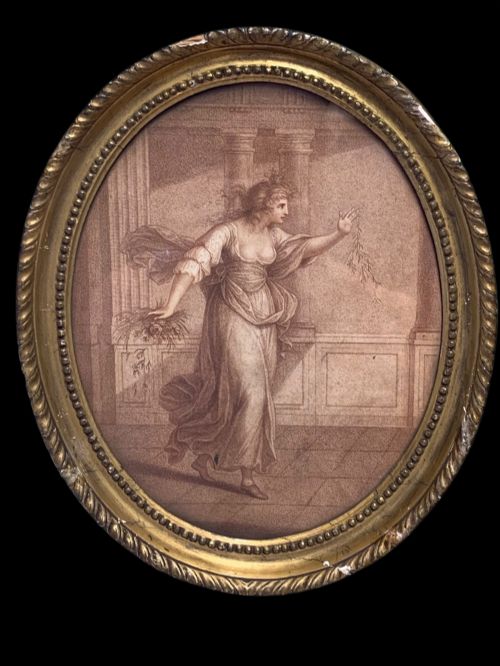
A gold leaf framed print brings together antique paper works, engravings, and watercolours housed inside period gilded surrounds. When searching this phrase, a buyer encounters everything from eighteenth-century stipple engravings to Victorian oil paintings and coloured lithographs.
The selections span multiple eras, including Georgian, Regency, and Victorian periods, often featuring classical subjects, portraits, and botanical studies. These pieces demonstrate how earlier makers combined decorative frames with works on paper or canvas.
The most common examples on this page pair nineteenth-century paper prints with moulded wood and gesso frames. These combinations capture the prevailing decorative tastes of their respective periods.
Materials and Construction
Makers constructed these frames using wood substrates built up with gesso before applying thin sheets of gold leaf. Glaziers then protected the delicate paper, ink, watercolour, or oil surfaces beneath glass.
The artworks themselves utilise traditional graphic techniques such as stipple engraving, mezzotint, lithography, and hand colouring on paper. Artisans matched these diverse print methods with ornate gilded surrounds appropriate to the subject matter.
Listings feature paper works and canvas prints framed in eighteenth and nineteenth-century giltwood.
Assessing Quality
Quality rests on the crispness of the original plate impression and the depth of the hand-applied colouring. Stronger examples retain the fine detail of the engraving beneath the protective glass.
The standard of the gilding and the integrity of the underlying gesso shape the overall visual presence of the frame. Well-preserved moulding shows sharp relief along the scrollwork and corners.
George Augustus Holmes·George Rankin·Sydney Wilson·Charles Burton Barber·Edward Lear
The Gold Leaf Framed Print Glossary
- Gesso
- A plaster-like preparation spread over a wooden frame to act as a base for gilding. This mixture allows artisans to carve intricate relief ornaments before applying gold leaf.
- Stipple engraving
- A printmaking technique using dots to create tonal gradations and softer shadows. This method was widely utilised for eighteenth and nineteenth-century portraiture.
- Chrystoleum
- A Victorian technique where a colour print was made transparent, adhered to glass, and hand-painted from behind. Convex glass is frequently associated with these fragile items.
- Mezzotint
- A printmaking process where the copper plate is roughened to achieve rich dark tones and subtle shading. Artists frequently employed this method for portrait prints.
- Lithograph
- A planographic printing process using stone or metal plates to produce multi-coloured images. Hand-coloured variations frequently appear in nineteenth-century collections.
Gold Leaf Framed Print: Frequently Asked Questions
How are these framed?
The artworks sit behind glass within wooden frames finished in gold leaf or gilt gesso. Many incorporate period mounting materials that match the era of the enclosed print.
Protective backboards and original seals frequently remain undisturbed on the reverse of these items.
What periods do they represent?
The items span the eighteenth, nineteenth, and early twentieth centuries. Georgian, Regency, and Victorian aesthetics dominate the current selection.
Stylistic shifts appear clearly in the transition from neoclassical engraving to later Victorian colour printing techniques.
Are the prints original?
The listings include period engravings, lithographs, and watercolours created during the operational years of the respective artists and publishers. Many represent genuine historical impressions rather than modern reproductions.
Mediums range from ink and wash to oleographs on canvas under glass.
How should I hang them?
Due to the weight of gesso frames and glass fronts, secure wall fixings are essential for safe display. Avoid placing gilded frames in areas subject to direct sunlight or damp conditions.
Maintaining stable room temperatures prevents timber movement and protects the fragile gold leaf surface.